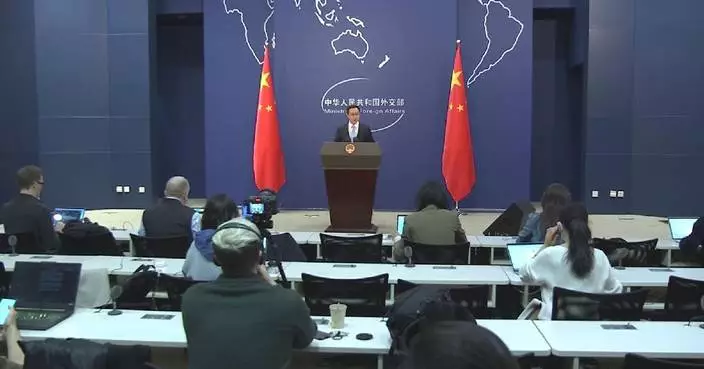
The military operation launched by the United States and Israel against Iran not only violates the principles of international law but also severely impacts international order and global economic stability, said a Polish political commentator.
Adam Marszalek, president of Marszalek Publishing Group in Poland, said that the military operation will also further undermine the system of international rules.
"The U.S. intervention is a clear violation of international law. Such actions undermine the international order and have not been authorized by the United Nations," he said in a recent interview with the China Central Television (CCTV).
Marszalek said that military actions by the United States and Israel could set a dangerous precedent for future international conflicts. This will not only exacerbate regional tensions but may also lead to broader global repercussions, he added.
"What deeply concerns me is that the action of the United States and Israel has a negative impact on the international order, the global economy, and inter-societal relations. They may trigger numerous adverse consequences in the military, political, and especially economic spheres, and even risk sparking a global economic crisis," he said.
The U.S.-Israel-Iran conflict entered its 18th day Tuesday, with Iran confirming the deaths of its top security official Ali Larijani as well as its Basij volunteer force's commander, and U.S. President Donald Trump voicing frustration over a lack of support from allies to reopen the Strait of Hormuz.
Airstrikes and missile exchanges continue, with Iran reportedly deploying a new precision-guided missile.
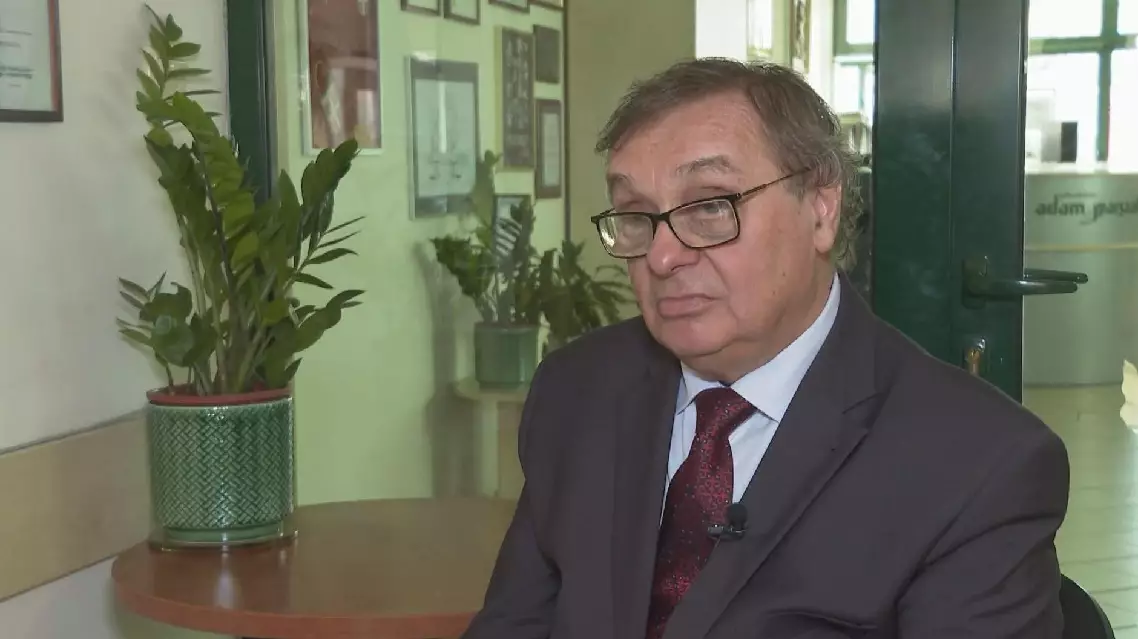
US-Israeli military operation against Iran violates int'l law: Polish political commentator
Cuba's healthcare system is now becoming increasingly strained as the continuing U.S. blockade on oil disrupts transportation, delays medical services and hampers the delivery of critical supplies, placing both doctors and patients under growing pressure.
The long-standing trade, economic and financial embargoes imposed by the United States on Cuba are taking their toll, with the country's national power grid suffering a complete blackout on Monday.
No fuel shipments have arrived in the Caribbean island nation for more than two months due to the tightening of the oil blockade imposed by the U.S. administration.
The widening impact is starting to affect the daily lives of people across Cuba and hurt essential services including healthcare.
In the capital Havana, local oncologist Olivia says she now needs to leave her home more than two hours earlier than usual to get to the hospital where she works.
While she would previously drive her own vehicle on her daily commute, the nationwide fuel shortage -- which has seen gasoline supplies limited and bus services significantly reduced amid wider public transportation disruptions -- means Olivia now has to stand by the roadside and flag down passing vehicles to give her a lift.
Each commute is filled with uncertainty, however, Olivia's priority concern remains on tending her patients.
"The sooner the oncologist sees the patients, the better for us to alleviate their pain. When I don't have personal transportation, my response time is a problem, and it's a practical problem in terms of whether I can meet the needs of patients," she said.
The general hospital she works for also receives cancer patients traveling from other regions of the country. Journeys have now become especially hard amid the current fuel crisis, adding to the woes of patients who are already suffering severe illness.
"Patients in the morning have to spend a long time getting here, often on an empty stomach. For example, they may leave home at 05:00 in the morning and only arrive at around 08:00 or 09:00. Then they stay here until 16:00 or 17:00 in the afternoon, completely exhausted, and most importantly in pain," said Maria del Toledo, a family member of one patient. Cuba's national power system has long prioritized hospitals for electricity supply, but the U.S.-enforced energy blockade since the start of this year has created fresh bottlenecks in transporting medical supplies, even affecting the scheduling of surgeries.
"The situation, which has worsened in recent weeks due to the fuel shortage, has had a major impact. Now things have become even more difficult because many of the important supplies require fuel, especially for sterilization products, consumable and non-consumable supplies. In other words, all of these essential supplies are affected by the difficulty in transportation yet they are crucial to address the surgical needs of the hospitals," said hospital director Mirtha Miranda Ley.
Inside the wards, some patients are in urgent need of blood transfusions. However, blood bank supplies have also become highly unstable due to mounting transportation challenges.
"I'm hospitalized because I suffer from internal gastrointestinal bleeding, and I lose a lot of blood. So right now, because of the current situation, everything is difficult. For example, transfusions are sometimes quite challenging at hospital blood banks," said patient Joaquin Gonzalez.
Facing growing difficulties, the hospital has been forced to adopt a rotating schedule of 24 hours on duty followed by 48 hours off for staff, as it does its utmost to maintain operations and take better care of the patients amid these trying circumstances.
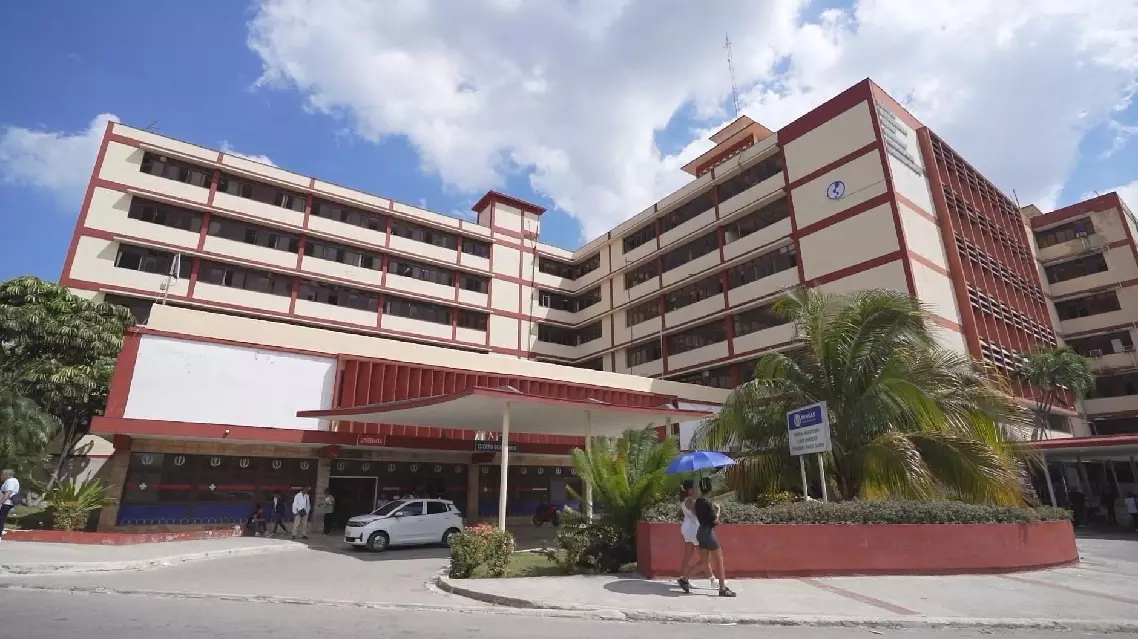
US oil blockade hampers Cuba's healthcare system as staff, patients suffer