If your experience with sake is limited to the warm cup at your local sushi spot, you’re missing the larger world of sake, which is as nuanced and layered as wine.
The traditional Japanese drink is brewed (not distilled) from rice, yeast, water and koji, a mold that converts the rice starch into sugar. Premium sakes might add some distilled alcohol. Sometimes other ingredients are added for flavor, but purists stick to the essentials.
“It’s quite incredible to think of the variation in flavor sake provides, given these constraints,” says Yoko Kumano, who with Kayoko Akabori owns the shop Umami Mart in Oakland, California. The pair has written a new book, “Everyday Sake.”
She also likes to remind people that sake is a food-pairing beverage.
“It is meant to be enjoyed with food — and not just sushi,” Kumano says. Umami Mart's monthly sake club has tried pairings with cheese, pizza, French cuisine and more.
Every batch of sake — which in Japan is called nihonshu — is overseen by a toji, or master brewer, whose skill shapes the final flavor.
Here are some quick sake facts so you can sound savvy about it at a restaurant or wine store.
The first step in making sake is rice polishing, or seimaibuai. Each grain's outer layers are milled away to reveal its starchy center. The more polished the rice, the lighter and more refined the sake; the less polished, the earthier the flavor. Sake also varies based on whether distilled alcohol is added and how it’s filtered, stored and served.
The two main families of sake are Junmai and Honjozo. Within those, you have grades like Ginjo and Daiginjo, reflecting how much the rice has been polished.
Grade names are on the label, though not necessarily the polishing ratio.
Means “pure rice,” with no distilled alcohol added. These sakes range from light to full-bodied, and often have more umami and structure than other sakes. Think earthy, rice-forward flavors that pair beautifully with grilled meats or heartier dishes. Junmai is often served warmed or at room temperature, highlighting its comforting depth of flavor.
Contains a touch of distilled alcohol, which lightens the texture and enhances aroma without significantly changing the alcohol content. Smooth and versatile, it pairs with everything from tempura to sushi to teriyaki.
More delicate, made with rice polished down to 60% of its original size and fermented at lower temperatures. A bit of distilled alcohol may be added to enhance aroma. The flavor is often floral and fruity. Ginjo is best served chilled, and pairs well with lighter dishes like sashimi, sushi, salads and delicate seafood.
The most extensively milled sakes, with at least 50% of the outer rice layers removed. The result is aromatic, delicate and often considered the highest-quality sake. Expect a higher price tag.
Coarsely filtered, leaving some rice sediment (kasu) behind, giving it a milky appearance and slightly sweet, creamy texture. Its sweetness pairs especially well with spicy dishes.
In recent years, sparkling sakes — some naturally carbonated, some artificially — have become popular as a festive touch to many occasions.
Kumano says Nama (unpasteurized sake) has been growing more popular, and appeals to people who like fresh, young beverages like Beaujolais Nouveau or fruity wheat beer. Make sure it's refrigerated both at the store and at home.
Hirohisa Hayashi, chef-owner and sake sommelier at Hirohisa restaurant in New York City, makes different versions of plum sake each year. He steeps Washington State-grown plums in low-alcohol sake, sometimes with shiso (a minty herb) and, this year, Okinawan brown sugar.
Ultimately, whether sake is served warmed, chilled or at room temperature is subjective. "In general, classic dry junmai sake is often said to become softer and more approachable when (slightly) warmed. On the other hand, if you warm a fragrant daiginjo, its delicate aromas and refined character can be lost,” says Hayashi.
Sake is best consumed within a year of bottling. Store it in a cool, dark place. Once opened, refrigerate and enjoy within a week. Unpasteurized sake (nama) must be refrigerated and consumed within a few days.
Traditional cups include small ochoko boxes, but wine glasses also work well.
Finally, take a cue from Japan: Pouring for others and refilling their glasses before they're empty is an act of hospitality and attentiveness. And don’t forget to clink glasses and say “Kanpai” (“Cheers”) before you sip.
Katie Workman writes regularly about food for The Associated Press. She has written two cookbooks focused on family-friendly cooking, “Dinner Solved!” and “The Mom 100 Cookbook.” She blogs at https://themom100.com/. She can be reached at Katie@themom100.com.
For more AP food stories, go to https://apnews.com/hub/recipes
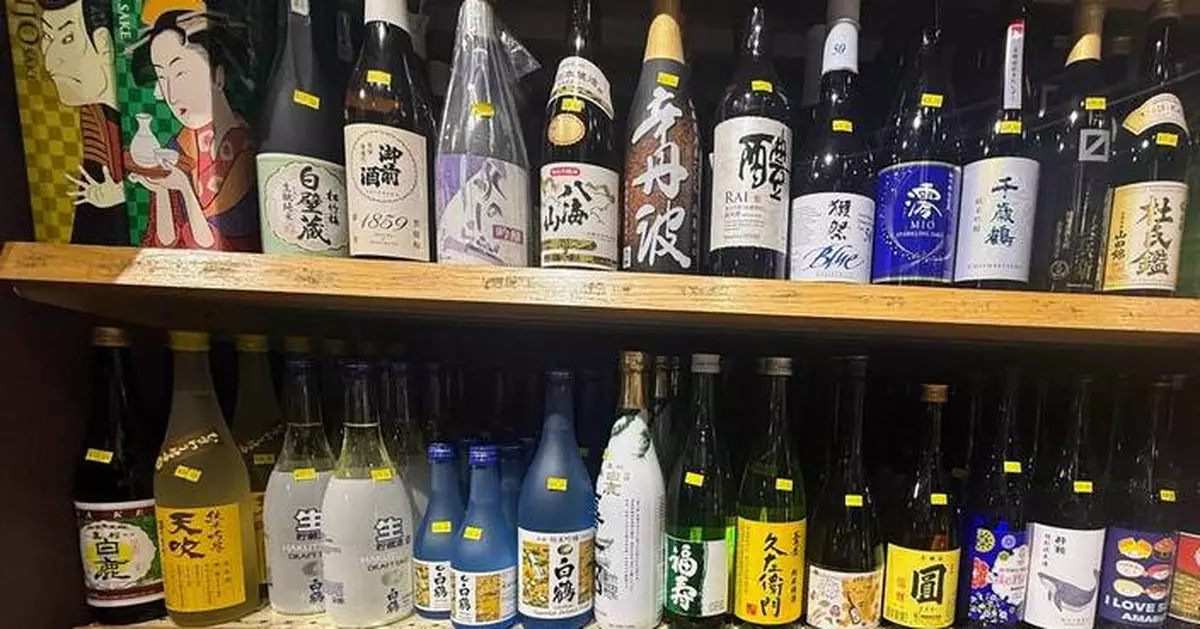
A variety of sake are displayed at Mr. Wright's wine store in New York in March 2026. (Katie Workman via AP)
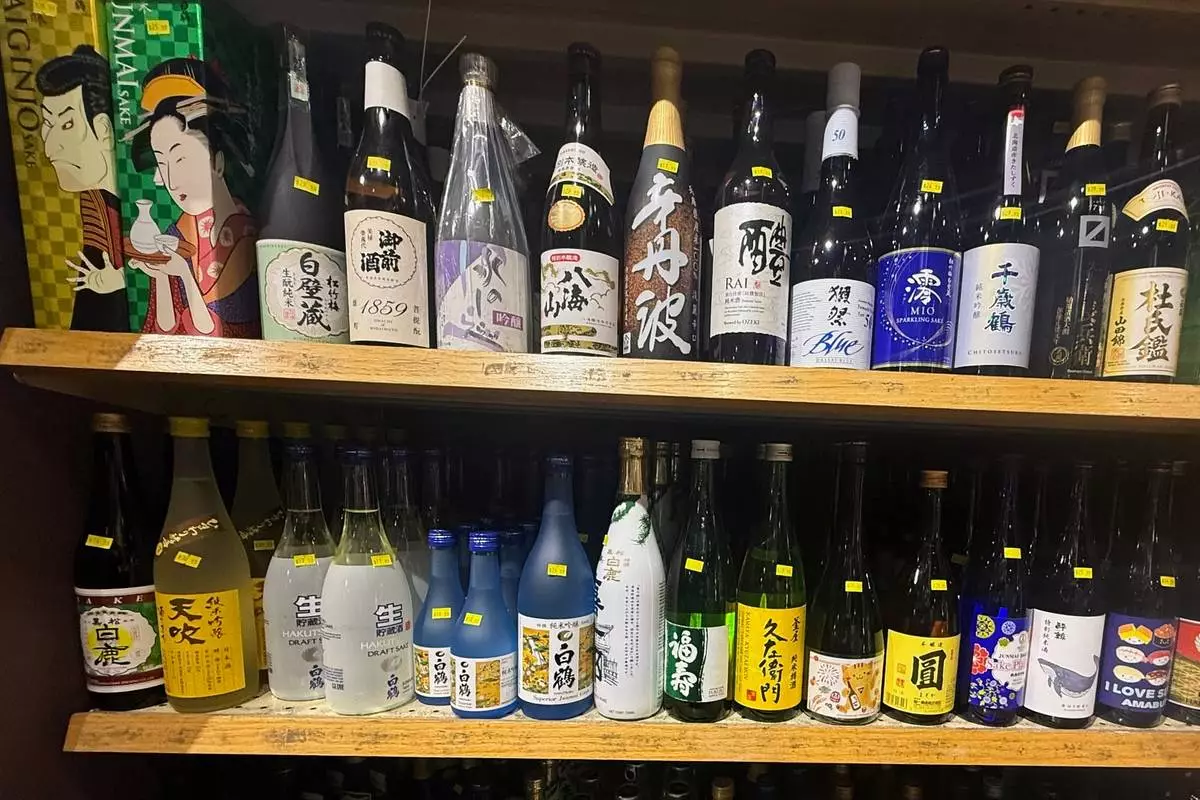
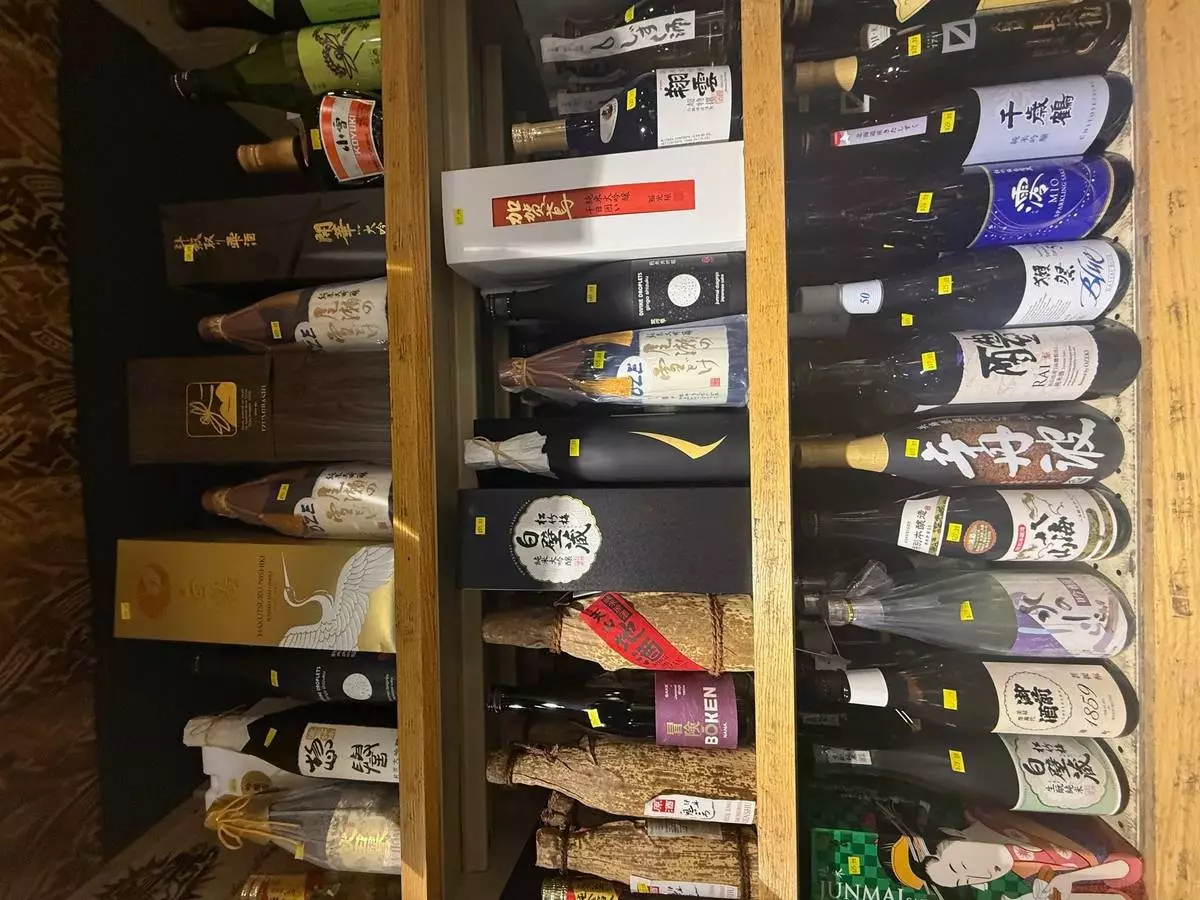
A variety of sake are displayed at Mr. Wright's wine store in New York in March 2026. (Katie Workman via AP)
NAIROBI, Kenya (AP) — It started with a casual lunch conversation between a county governor and his cabinet ministers about a colleague's menstrual pain. The discussion led to a first in Kenya: The right for female employees to take menstrual leave.
The new policy took effect in December 2025. It grants county government employees in the capital, Nairobi, two days off every month to deal with the pain and discomfort of menstruation, with the aim of improving productivity and well-being.
Gov. Johnson Sakaja told The Associated Press that Kenya's national government has expressed interest in how it goes, and other county governors have as well.
“Your biggest asset is your staff,” said Sakaja, who shepherded the new practice and oversees a government where more than half the 18,000 employees are women. “It starts with dignifying your own staff, for them to feel that they’re respected and dignified.”
There has been little public objection. Critics have said the policy could discourage employers from hiring more women, but Sakaja disagreed, saying he believes that women perform better than men when they are supported.
Women currently lead the Nairobi county government's business and health portfolios.
“A lot of labor policies were written many years ago by men,” the governor said. “Women’s rights are not anti-productivity — they are an input that creates productivity. It’s actually an investment in your workforce.”
He said there would be no financial impact, as the county has more than one person for each role.
“It will not be a train smash if three or four people in a department are not there for a day or two,” he said.
Japan adopted a menstrual leave policy in 1947. The latest was Spain in 2023. Other countries include Indonesia and South Korea.
In Africa, only Zambia has nationwide menstrual leave policy. It allows female workers to take one day per month without having to provide a note from a health care provider.
Advocates say such policies recognize menstruation as a legitimate workplace health issue.
“The feedback we have gotten, especially from the staff that work in public service management, is that it’s very refreshing. And when they come back, they are able to work even better,” said Nairobi County Human Resource Manager Janet Opiata.
At least 12 women from her department, including a senior director, benefited from the leave in February, Opiata said.
The policy is a “no-questions-asked, no-forms-filled” arrangement and offers paid leave alongside the usual sick and annual paid leave enshrined in labor law. Nairobi has implemented the policy using a cabinet decree and an internal memo from the human resource office.
Marion Kapuya, a 25-year-old revenue officer with the county, said the policy has already made a difference.
“Working with pain or discomfort can lead to mistakes or low productivity,” she said. “When you take the break and you are relieved from the pain, your performance will be top-notch.”
She added that stigma remains a significant barrier in many workplaces.
“Before I get to a point of saying, ‘Excuse me, sir, I am on my period and I don’t feel OK,’ it is so hard,” she said.
The Nairobi county governor said he received feedback that even with the policy, it could be embarrassing telling a manager that days off were for menstrual leave.
A Nairobi private-sector worker, Christine Akinyi, called two days a great start but said it should be increased to four days. She also expressed concern, however.
“People will prefer to employ more men because they don’t have these sick leaves,” she said.
A Nairobi-based gynecologist, Eunice Cheserem, said severe menstrual pain is common in 50% of the women she sees at her clinic. Kenya does not have national data on menstrual pain.
“If a woman gets severe menstrual pain, she actually ceases to be functional. Some will get vomiting, severe headaches, they vomit everything, they have diarrhea, they have very terrible cramps," she said. “Some respond to conventional analgesics, but very many need very, very strong analgesics for them even to be able to function."
Cheserem said the new menstrual leave in Nairobi county offers needed rest and a chance for women to take care of themselves.
For more on Africa and development: https://apnews.com/hub/africa-pulse
The Associated Press receives financial support for global health and development coverage in Africa from the Gates Foundation. The AP is solely responsible for all content. Find AP’s standards for working with philanthropies, a list of supporters and funded coverage areas at AP.org.
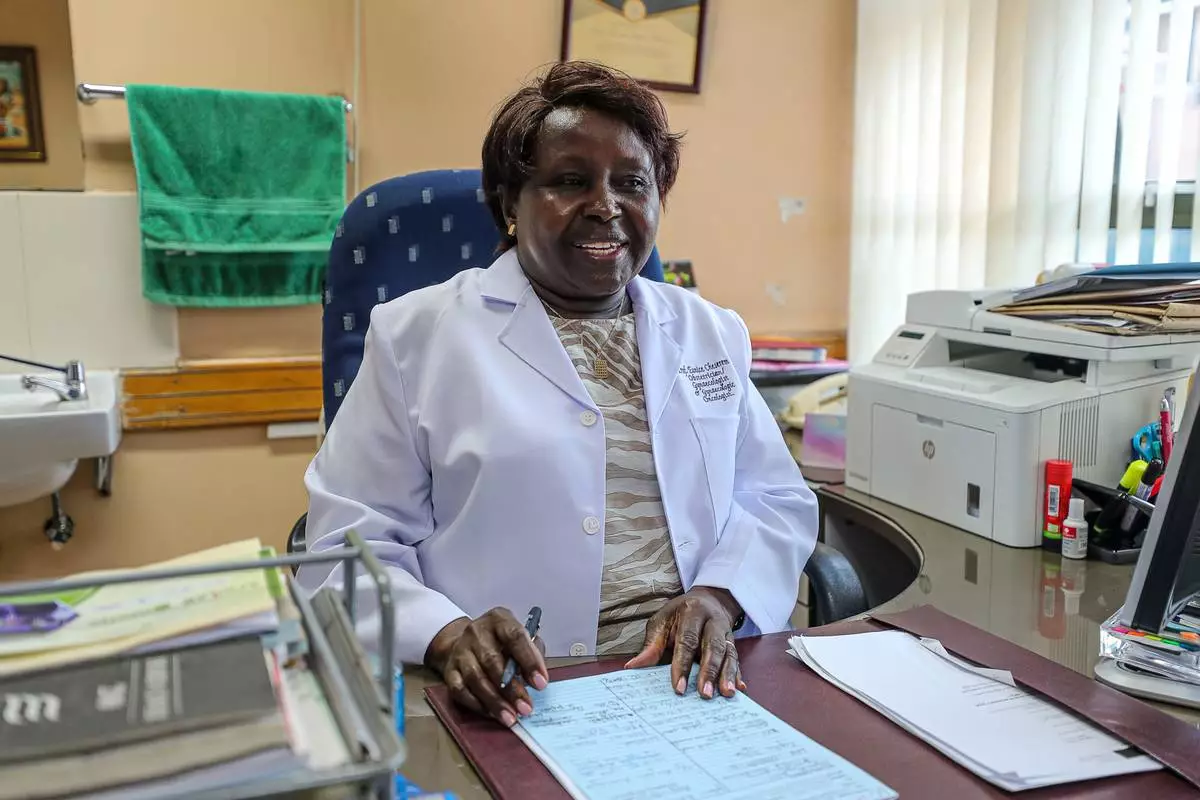
Eunice Cheserem, specialist obstetrician-gynecologist, sits in her office during an interview with The Associated Press in Nairobi, Kenya, Feb. 16, 2026. (AP Photo/Atieno Muyuyi)
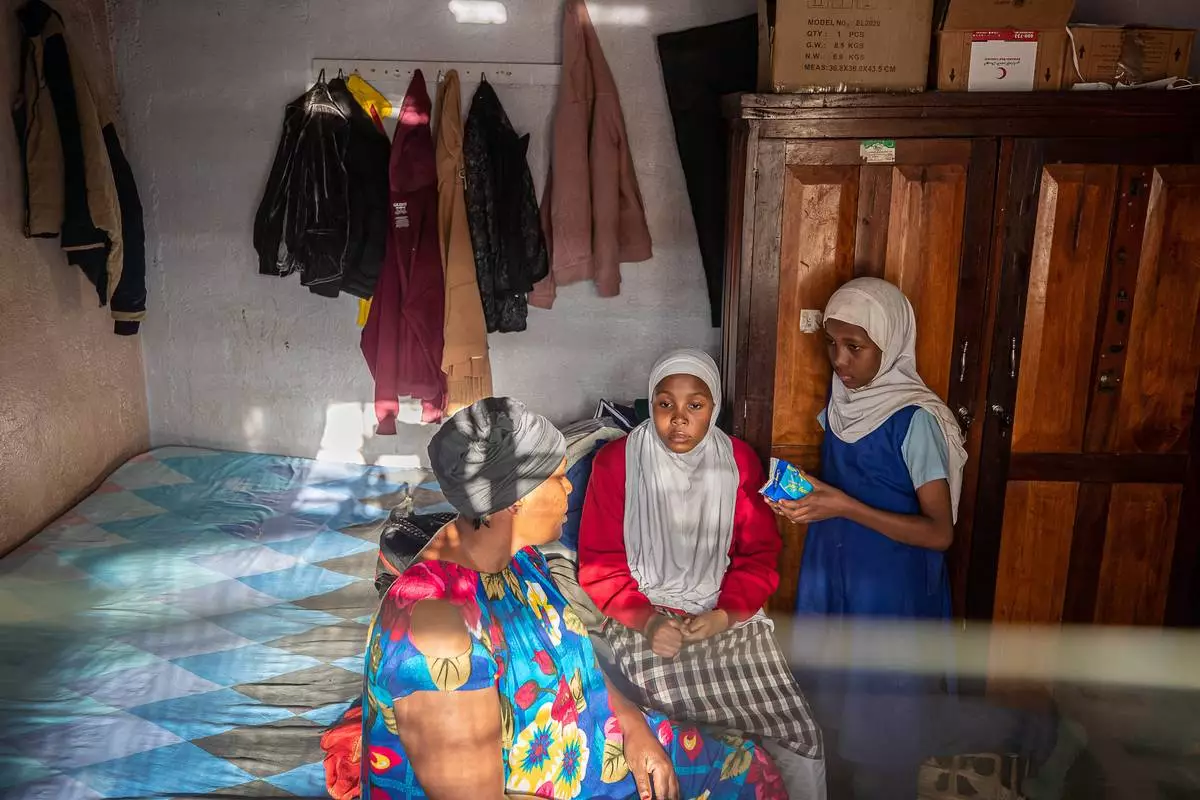
Alima Nasur talks to her daughters, Salama Halima, 13, center, and Buthaina Halima, 11, right, about menstrual health inside their home in the Kibera informal settlement on the outskirts of Nairobi, Kenya, Feb. 12, 2026. (AP Photo/Atieno Muyuyi)
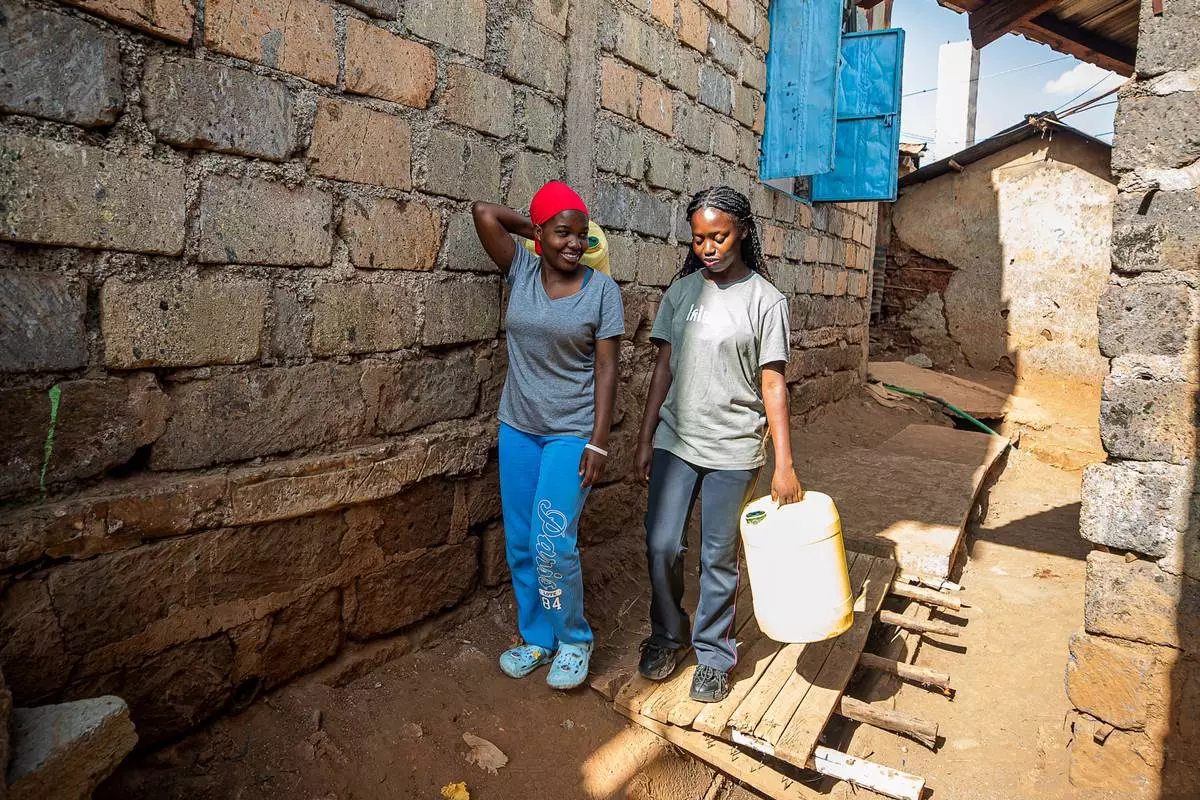
Women walk through the alleys of the Kibera informal settlement to fetch water on the outskirts of Nairobi, Kenya, Feb. 12, 2026. (AP Photo/Atieno Muyuyi)
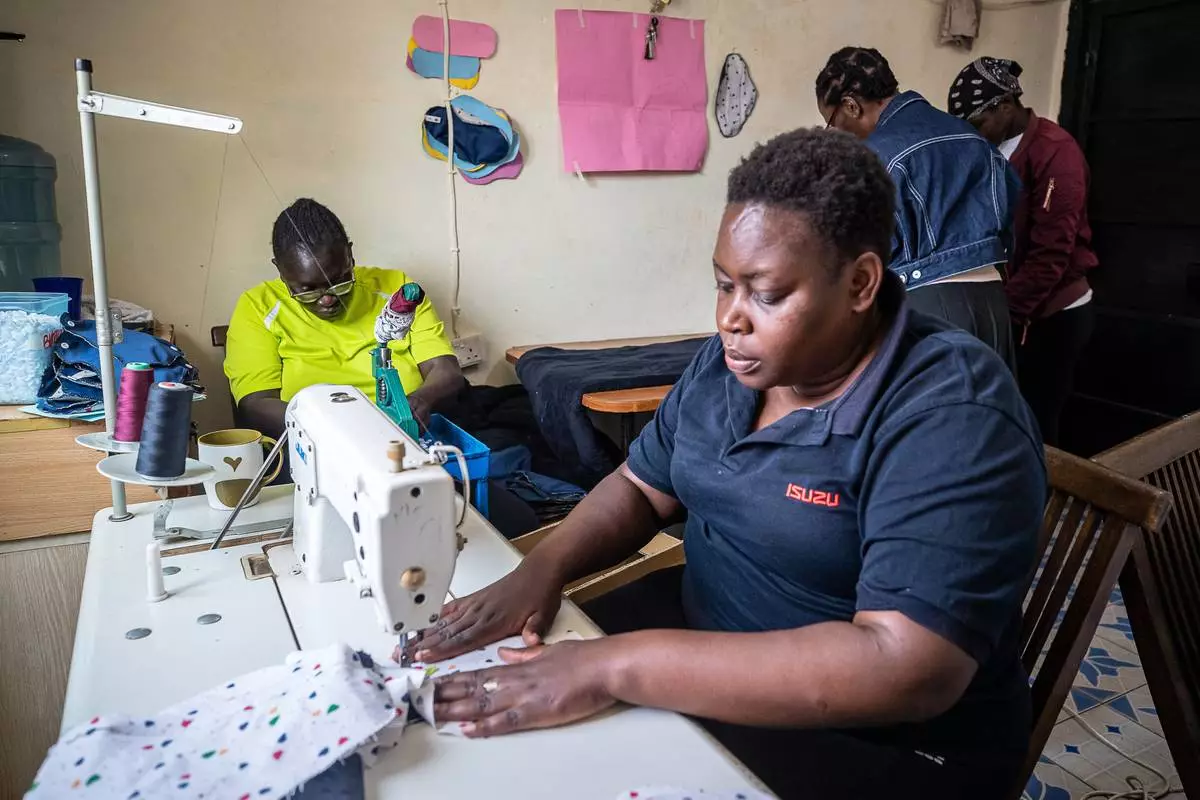
Women sew reusable sanitary pads inside the Fempad NGO workshop in the Kibera informal settlement on the outskirts of Nairobi, Kenya, Feb. 12, 2026. (AP Photo/Atieno Muyuyi)
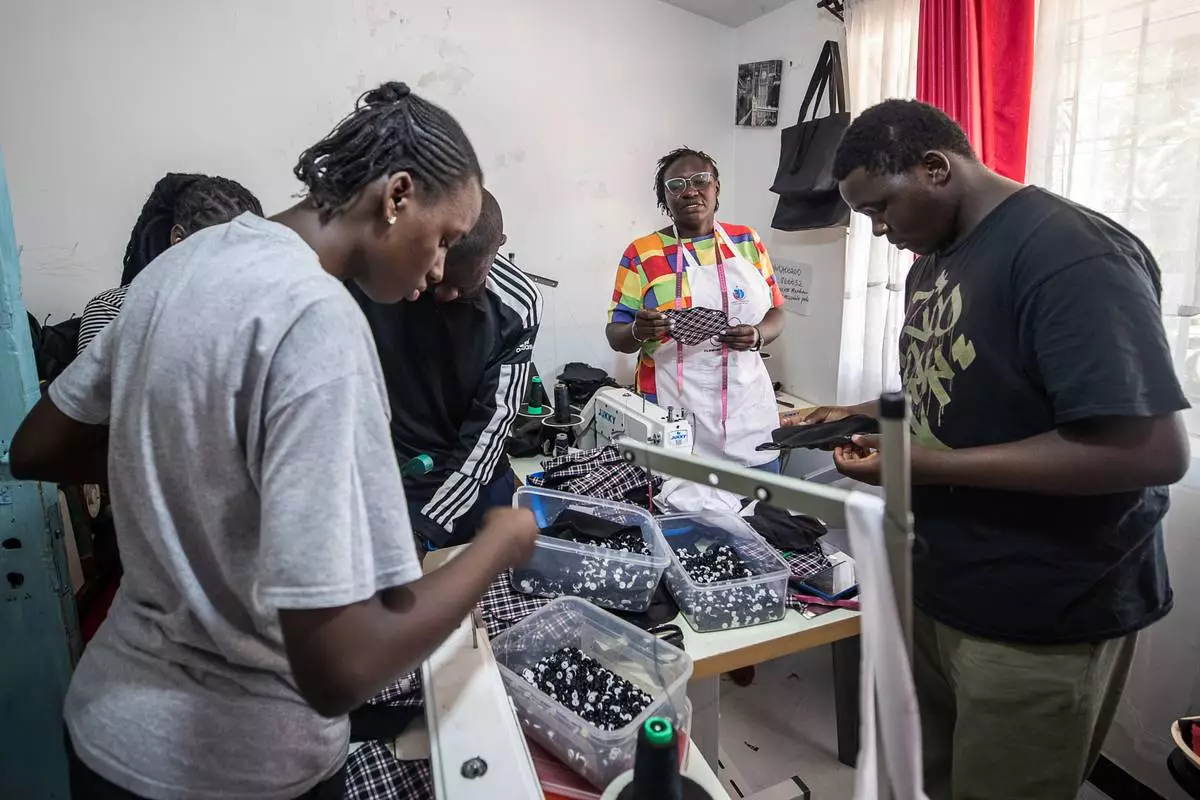
Volunteers sew reusable sanitary pads inside the Fempad NGO workshop in the Kibera informal settlement on the outskirts of Nairobi, Kenya, Feb. 12, 2026. (AP Photo/Atieno Muyuyi)