WASHINGTON (AP) — The artificial intelligence and cryptocurrency industries spent big and lost often in this week's Illinois primaries, an early setback for technology firms that are trying to reshape the midterm elections and establish themselves as power players in American politics.
The companies flooded the state's Democratic primaries with millions of dollars to promote candidates they believed would have a light touch when it came to regulating technologies that have begun to upend how people do their jobs and manage their finances.
Using super PACs that are allowed to spend unlimited sums of money, they ran television advertising and distributed campaign fliers that only occasionally alluded to their industries. Instead, the messaging focused on promises to combat President Donald Trump's administration and support liberal policies, a strategy used by other organizations like the American Israel Public Affairs Committee.
But the coy strategy did not stop the AI and crypto industries' interventions from becoming a lightning rod in the rowdy primaries in Illinois, where there was a rare glut of open seats that led to competitive races.
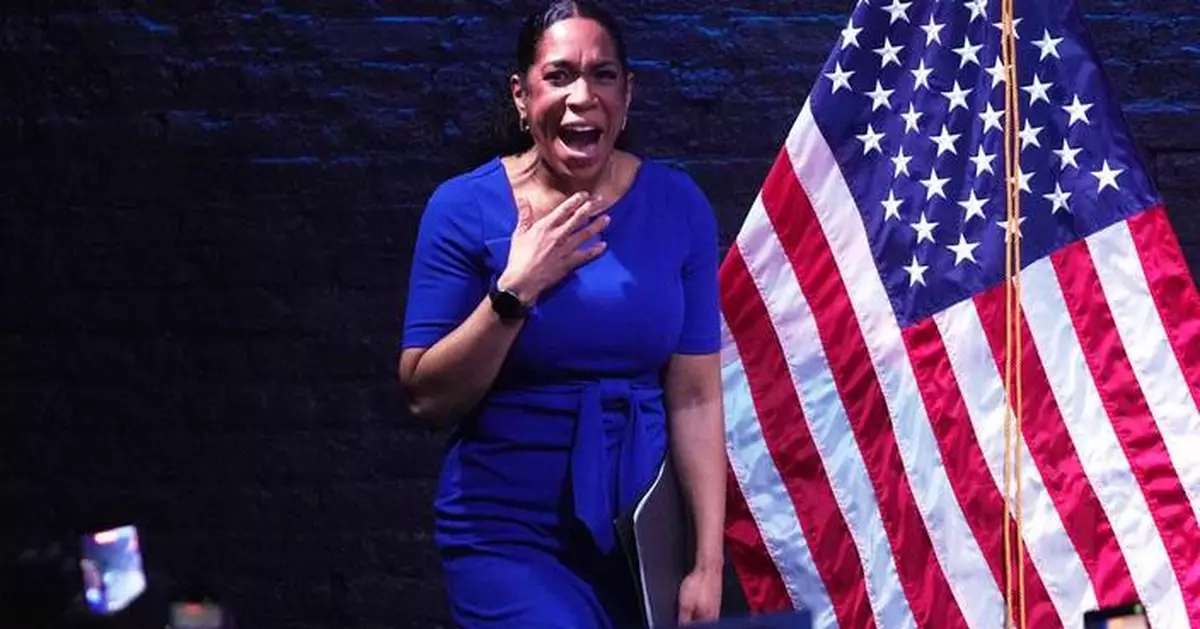
The crypto-backed political action committee Fairshake spent more than $10 million against Illinois Lt. Gov. Juliana Stratton, who ultimately won the Democratic nomination to succeed Sen. Dick Durbin, D-Ill.
Fairshake and Protect Progress, which is also tied to the crypto industry, spent millions more to unsuccessfully support Stratton's main rivals, U.S. Reps. Raja Krishnamoorthi and Robin Kelly, according to filings with the Federal Election Commission.
In Illinois' U.S. House primaries, the tech-backed groups' campaign spending had mixed results.
State Rep. La Shawn Ford, who had supported state legislation regulating the AI and crypto industries, won the Democratic primary to succeed U.S. Rep. Danny Davis. Fairshake spent nearly $2.5 million opposing Ford's candidacy in a race that featured at least four other political groups spending against the progressive lawmaker or for his opponents.
Meanwhile, Cook County Commissioner Donna Miller prevailed in the Democratic primary to succeed Kelly after Fairshake spent more than $800,000 against state Sen. Robert Peters, another progressive who supported legislation to regulate the crypto industry.
That race also saw the AI-backed spending at loggerheads.
The AI-backed Think Big PAC invested more than $1 million to boost the candidacy of Jesse Jackson Jr., a former congressman who pleaded guilty in a fraud scandal in 2013. But Jobs and Democracy PAC, another AI-backed group, also mounted about $1 million in negative campaign spending against Jackson during the race.
Think Big is a subsidiary of Leading the Future, a political group that is funded by major Silicon Valley executives, including the venture capitalist Marc Andreessen. Andreessen opposes federal regulations for AI and has been a staunch backer of the Republican president’s AI policies.
Jobs and Democracy PAC, by contrast, is funded by the AI company Anthropic, which favors some safety regulations on AI as the technology develops. Both PACs opposed progressive candidates who called for relatively heavy regulations on the technologies and higher taxes on wealthy Americans.
In a bright spot for the AI industry, former congresswoman Melissa Bean won the nomination to reclaim her old seat after a crowded and intense primary. Bean was supported by about $1 million in funding from AI-backed groups.
“She recognizes that the United States must work toward a national regulatory framework on AI that creates jobs, helps us stay ahead of China, and protects the safety of kids, users, and the community,” said Josh Vlasto, a political strategist for Leading the Future, an umbrella organization for AI political groups. “Leading the Future was proud to support her campaign and looks forward to working with leaders who will prioritize innovation over doomerism.”
The late-stage infusions of cash into the Illinois races totaled almost $20 million across races and served as a declaration of both industries’ political ambitions, raising the stakes in primaries that were already hotly contested.
“Corporate money is being used to paint corporate-backed candidates as fearless progressives,” said Adam Green, co-founder of the Progressive Change Campaign Committee, a political group that works to elect anti-corporate progressives.
“The question for the Democratic Party is whether we elect people who actually believe in these positions or will we elect milquetoast candidates who give lip service to these values but don’t back them in actual policy,” Green said.
Campaign finance experts and rank-and-file voters alike are still struggling with what to make of the technology industry’s political influence.
“They’re so new to the game that public opinion isn’t very well formed about them,” said Brian Gaines, a political science professor at the University of Illinois Urbana-Champaign. “You don’t get a clear signal for who is the progressive and who is the moderate on AI and crypto policies.”
“People are wary of the technology," Gaines said, “but they don’t know what to think yet.”
Maya Sweedler contributed to this report.
Follow the AP's coverage of the 2026 elections at https://apnews.com/hub/elections.
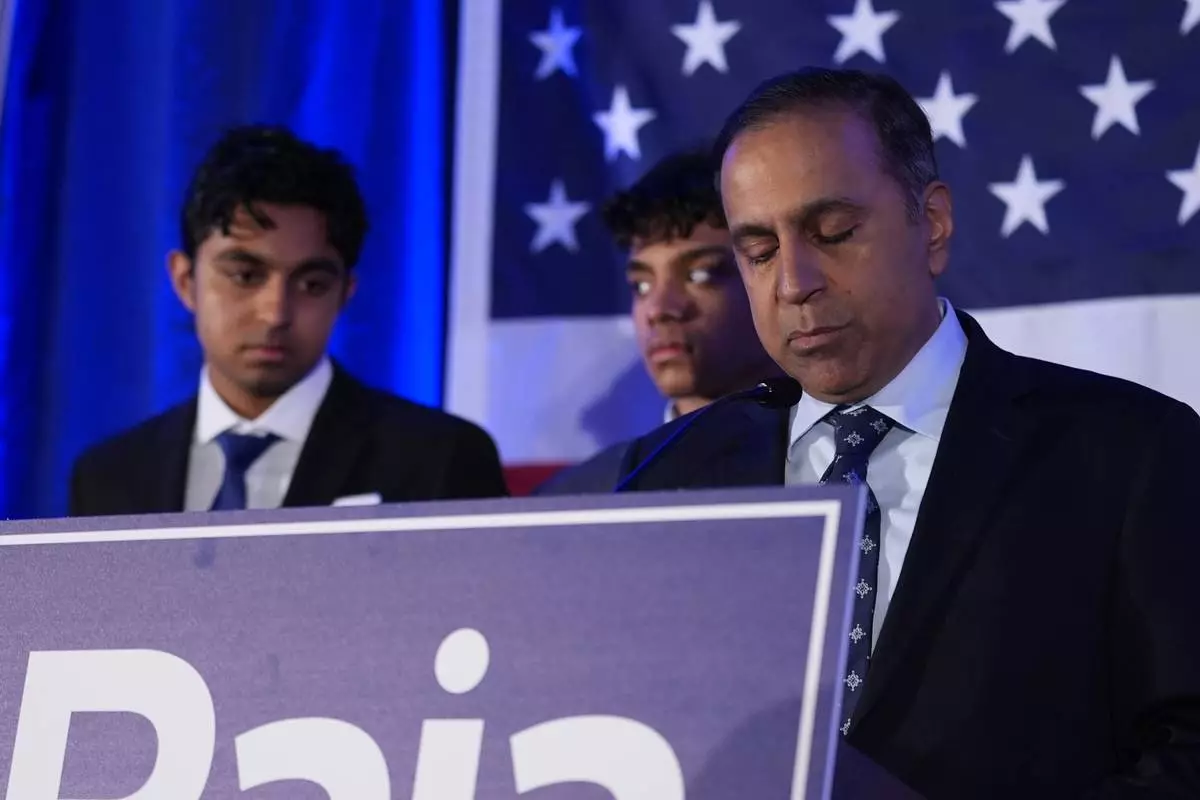
U.S. Rep. Raja Krishnamoorthi, D-Ill., right, concedes during an election night watch party after losing the Democratic primary for U.S. Senate Tuesday, March 17, 2026, in Chicago. (AP Photo/Nam Y. Huh)
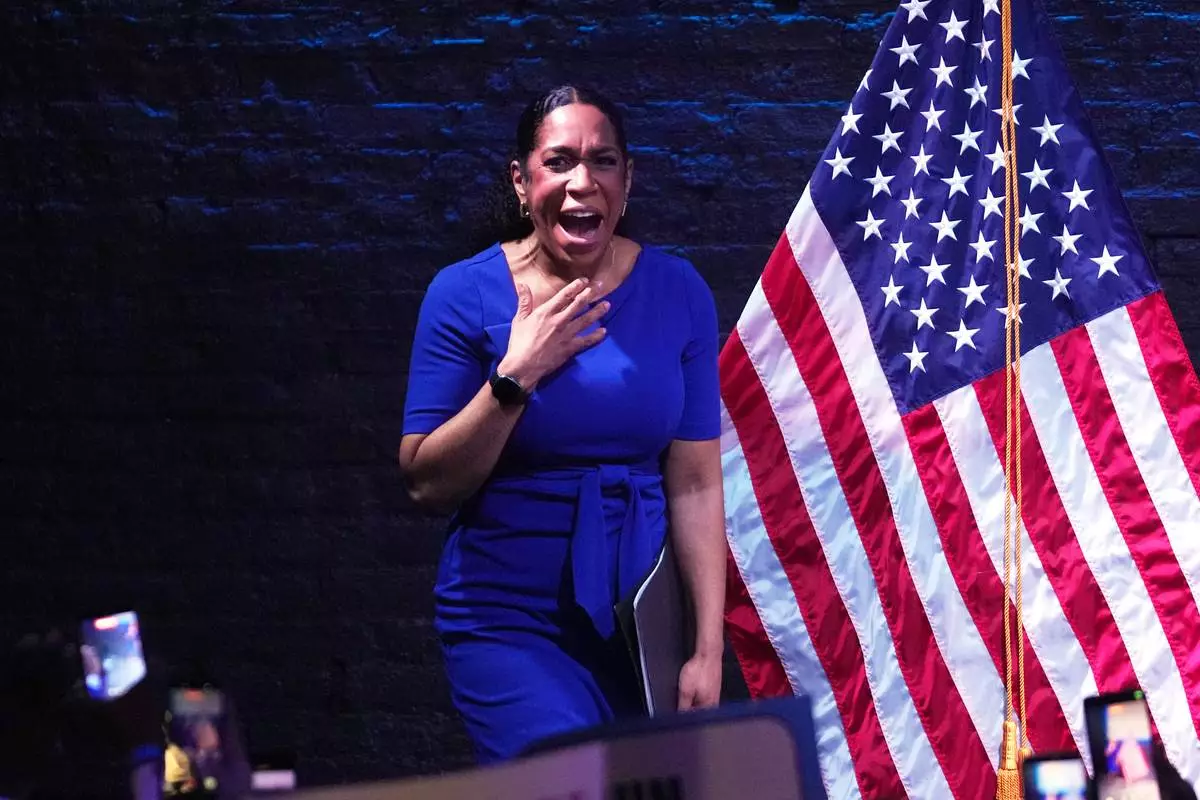
Illinois Lt. Gov. Juliana Stratton reacts as she takes the stage during a primary election night watch party after winning the Democratic primary for U.S. Senate, Tuesday, March 17, 2026, in Chicago. (AP Photo/Erin Hooley)
WASHINGTON (AP) — U.S. companies will be allowed to do business with Venezuela's state-owned oil and gas company after the Treasury Department eased sanctions, with some limitations, on Wednesday as the Trump administration looks for ways to boost world oil supplies during the Iran war.
The Treasury issued a broad authorization allowing Petróleos de Venezuela S.A, or PDVSA, to directly sell Venezuelan oil to U.S. companies and on global markets, a massive shift after Washington for years had largely blocked dealings with Venezuela’s government and its oil sector.
Separately, the White House said Trump would waive, for 60 days, Jones Act requirements for goods shipped between U.S. ports to be moved on U.S.-flagged vessels. The 1920s law, designed to protect the American shipbuilding sector, is often blamed for making gas more expensive.
The moves highlight the increased pressure that the Republican administration is under to ease soaring oil prices as the United States, along with Israel, wages a war with Iran without a foreseeable end date. Global oil prices have since spiked as Iran halted traffic through the narrow Strait of Hormuz, where one-fifth of the world’s oil typically passes through from the Persian Gulf to customers worldwide.
Drivers in the United States are paying the highest pump prices in about 2 1/2 years. The national average for a gallon of regular gasoline topped $3.84 on Wednesday according to AAA, compared with $2.98 before the U.S. and Israel launched strikes against Iran on Feb. 28.
Even before that, voters were worried about higher living costs, and fuel prices are now adding to concerns for Republicans heading into the election season with their control of Congress at stake in November.
“Gas prices are up and we know they’re up. And we know that people are hurting because of it. And we’re doing everything that we can to to ensure that they stay lower,” Vice President JD Vance said at an event in Auburn Hills, Michigan. “This is a temporary blip.”
The Treasury's license is designed to incentivize new investment in Venezuela’s energy sector and is intended to benefit both the U.S and Venezuela, while increasing the global oil supply, a Treasury official told The Associated Press. The official was not authorized to discuss the matter publicly and spoke one condition of anonymity.
Since the ouster and arrest of Nicolás Maduro as Venezuela's president during a U.S. military operation in January, President Donald Trump has said the U.S. would effectively “run” Venezuela and sell its oil.
The U.S. license provides targeted relief from sanctions, but does not lift the penalties altogether. The license allows companies that existed before Jan. 29, 2025, to buy Venezuelan oil and engage in transactions that would normally be banned under American sanctions, reopening trade for a major oil producer to global markets.
There is not likely to be much impact on U.S. gas prices in the short term, said Geoff Ramsey, an expert on Latin America at the Atlantic Council think tank.
“We’re talking about 12 to 18 months before we see dramatic changes in Venezuelan output," Ramsey said in an interview.
The license is expected to give a massive boost to Venezuela's oil-dependent economy and help encourage companies that have been apprehensive to invest. The decision is part of the Trump administration’s phased-in plan to turn around Venezuela.
There are some limits. Payments cannot go directly to sanctioned Venezuelan entities such as PDVSA, but must be sent instead to a special U.S.-controlled account. In other words, the U.S. will allow the oil trade but will control the cash flow.
Additionally, deals involving Russia, Iran, North Korea, Cuba and some Chinese entities will not be allowed. Transactions involving Venezuelan debt or bonds will not be allowed.
Critics of the acting Venezuelan government argue that the move rewards Venezuela’s leadership -– all loyal to Maduro and the ruling party -– while repression, corruption and human rights abuses continue.
Many public sector workers survive on roughly $160 per month, while the average private sector employee earned about $237 last year, when the annual inflation rate soared to 475%, according to Venezuela’s central bank, and sent the cost of food beyond what many can afford.
Venezuela sits atop the world’s largest oil reserves and used them to power what was once Latin America’s strongest economy. But corruption, mismanagement and U.S. economic sanctions saw production steadily decline from the 3.5 million barrels per day pumped in 1999, when Maduro’s mentor, Hugo Chávez, took power, to less than 400,000 barrels per day in 2020.
A year earlier, the Treasury Department under the first Trump administration locked Venezuela out of world oil markets when it sanctioned PDVSA as part of a policy punishing Maduro’s government for corrupt, anti-democratic and criminal activities. That forced the government to sell its remaining oil output at a discount — about 40% below market prices — to buyers such as China and in other Asian markets. Venezuela even started accepting payments in Russian rubles, bartered goods or cryptocurrency.
The new license does not allow payments in gold or cryptocurrency, including the petro, which was a crypto token issued by the Venezuelan government in 2018.
White House press secretary Karoline Leavitt said the Jones Act waiver would help “mitigate the short-term disruptions to the oil market” during the Iran war and would “allow vital resources like oil, natural gas, fertilizer, and coal to flow freely to U.S. ports.”
Ramanan Krishnamoorti, vice president for energy and innovation at the University of Houston, said that step is expected to slow the rising cost of gas prices in specific parts of the country such as the mid-Atlantic.
“Places like Texas and Chicago are unlikely to feel any change in the price of gasoline and diesel because of because of the Jones Act waiver,” Krishnamoorti said. He said the most significant affect will be on American shippers now facing more competition from the relaxation of shipping rules, which could mean higher costs for them.
Garcia Cano reported from Caracas, Venezuela. Associated Press writers Seung Min Kim and Michelle L. Price contributed to this report.
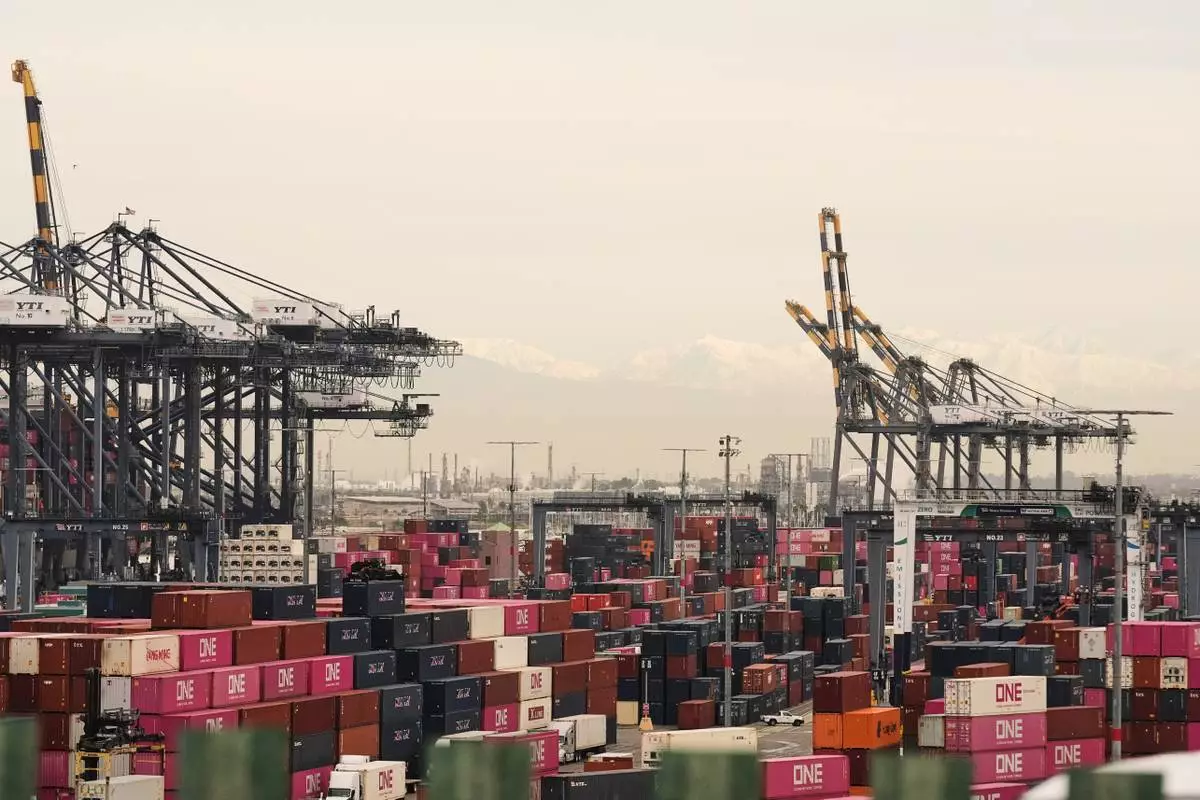
FILE - Containers are stacked at the Port of Los Angeles Friday, Feb. 20, 2026, in Los Angeles. (AP Photo/Damian Dovarganes,File)