NEW YORK (AP) — Luigi Mangione's lawyers asked a judge on Wednesday to postpone his federal trial in the killing of UnitedHealthcare CEO Brian Thompson until early next year and said they will seek to have his state murder trial delayed until September.
In a letter to U.S. District Judge Margaret Garnett, Mangione's lawyers said that the current schedule — the state trial in June and the federal trial in September — would put him “in the position of needing to prepare for two complicated and serious trials at the same time.”
They asked Garnett to delay the federal trial until January 2027 so that they can have an opportunity to ask the state trial judge, Gregory Carro, to reschedule the start of that case from June 8 to Sept. 8. Mangione has pleaded not guilty in both cases.
Carro previously raised the possibility of moving the state trial to September — but only if federal prosecutors appealed Garnett’s decision barring them from seeking the death penalty. They declined to do so, leaving the June state trial and September federal trial dates intact.
Keeping the current schedule would violate Mangione's constitutional rights, his lawyers argued.
Among other concerns, they said, preparations for jury selection in the federal case would overlap with the state trial, limiting Mangione's ability to review questionnaires filled out by hundreds of potential jurors — infringing on his right to participate in his own defense.
Back-to-back trials would also rob Mangione of his right to effective assistance of counsel, his lawyers said, because they would be forced to prepare for the federal trial while simultaneously defending him in court at the state trial.
“Though fierce advocates for their clients, defense counsel cannot be in two places at once,” wrote Mangione's lawyers, Karen Friedman Agnifilo, Marc Agnifilo and Jacob Kaplan.
Federal prosecutors oppose the request and will respond in a letter of their own, Mangione's lawyers said.
The U.S. attorney's office in Manhattan, which is prosecuting the federal case, and the Manhattan district attorney's office, which is prosecuting the state case, both declined to comment.
Mangione, 27, faces the possibility of life in prison if he's convicted in either case. At a court hearing in February, he spoke out against the prospect of two trials, telling the judge: “It’s the same trial twice. One plus one is two. Double jeopardy by any commonsense definition.”
Thompson, 50, was killed on Dec. 4, 2024, as he walked to a midtown Manhattan hotel for UnitedHealth Group’s annual investor conference. Surveillance video showed a masked gunman shooting him from behind. Police say the words “delay,” “deny” and “depose” were written on the ammunition, mimicking a phrase used to describe how insurers avoid paying claims.
Mangione, a University of Pennsylvania graduate from a wealthy Maryland family, was arrested five days later after he was spotted eating at a McDonald’s in Altoona, Pennsylvania, about 230 miles (370 kilometers) west of Manhattan.
His lawyers have argued that authorities prejudiced his case by turning his arrest into a “Marvel movie” spectacle, including by having armed officers parade him up a Manhattan pier after he was flown to New York and by publicly declaring their desire to seek the death penalty before he was indicted.
In January, Garnett dismissed a federal murder charge — murder through use of a firearm — that had enabled prosecutors to seek capital punishment, finding it legally flawed. She wrote that she did so to “foreclose the death penalty as an available punishment to be considered by the jury” when it weighs whether to convict Mangione.
In their letter, Mangione's lawyers argued that delaying the federal trial would allow a buffer between his state trial and the beginning of the juror questionnaire process that precedes jury selection in the federal matter.
Without a delay, they wrote, “Mr. Mangione’s potential federal jurors will be constantly bombarded with news reports and social media posts relating to the allegations and evidence against Mr. Mangione as they fill out juror questionnaires and in the subsequent weeks before they are empaneled in the federal case.”
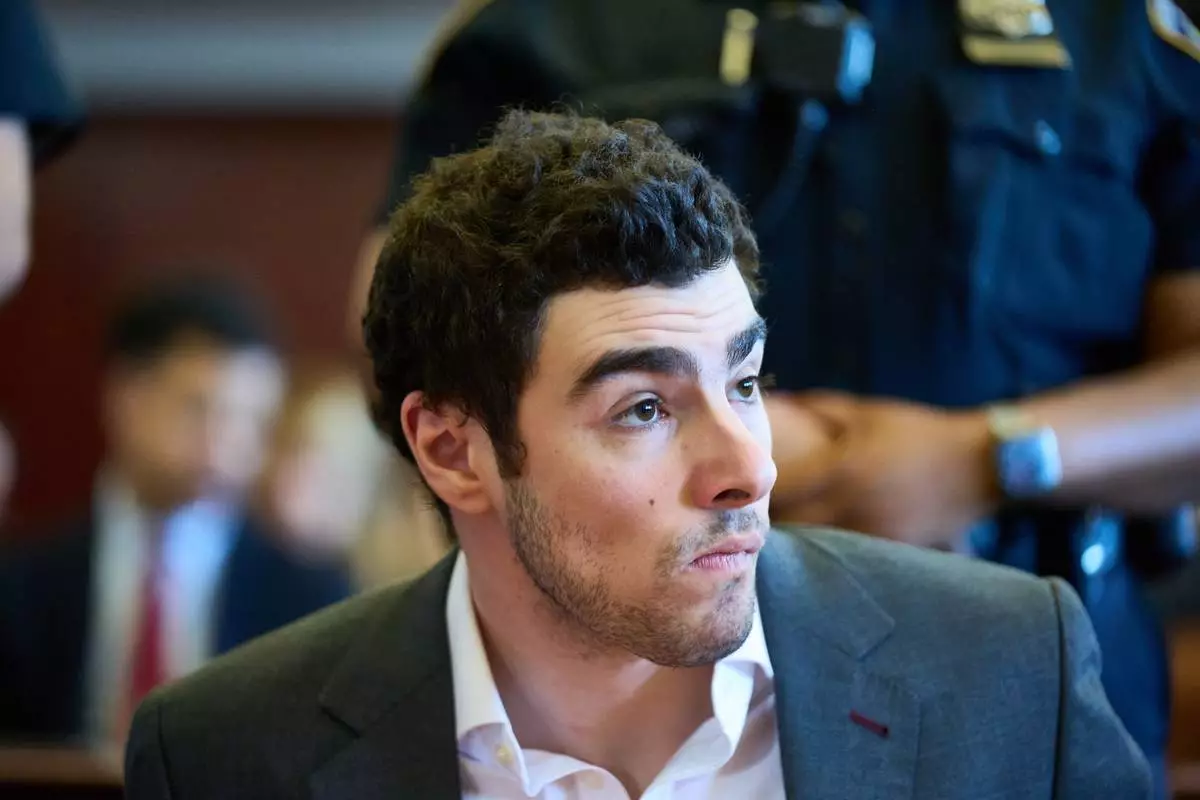
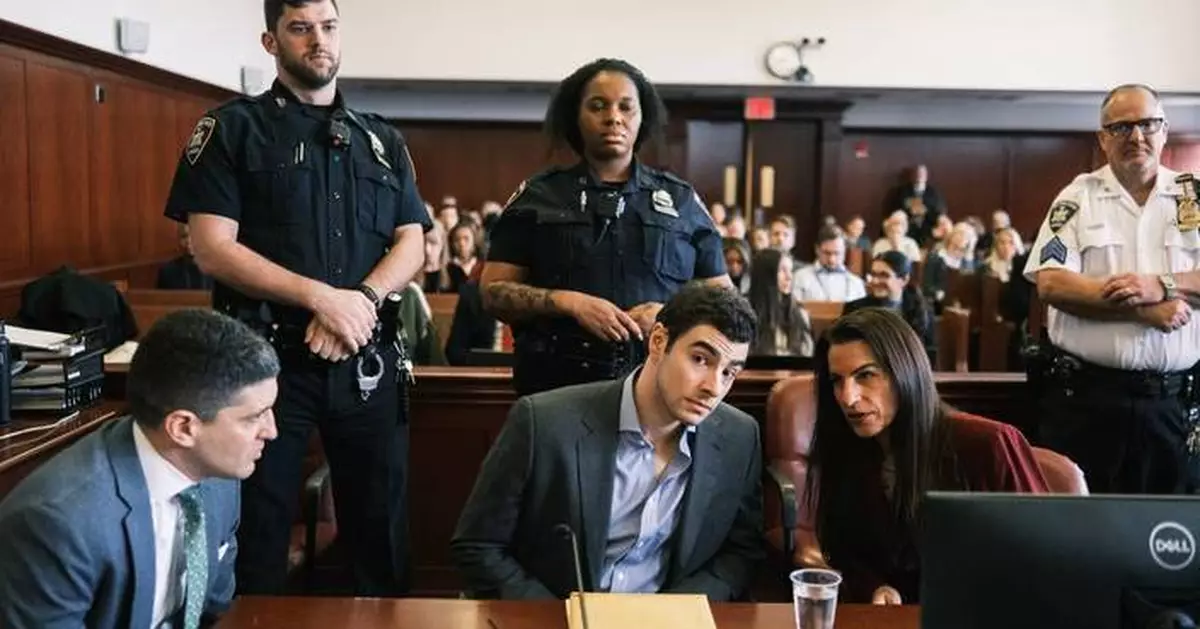
FILE - Luigi Mangione appears in Manhattan Criminal Court in New York, Dec. 16, 2025. (Curtis Means/Pool Photo via AP File)
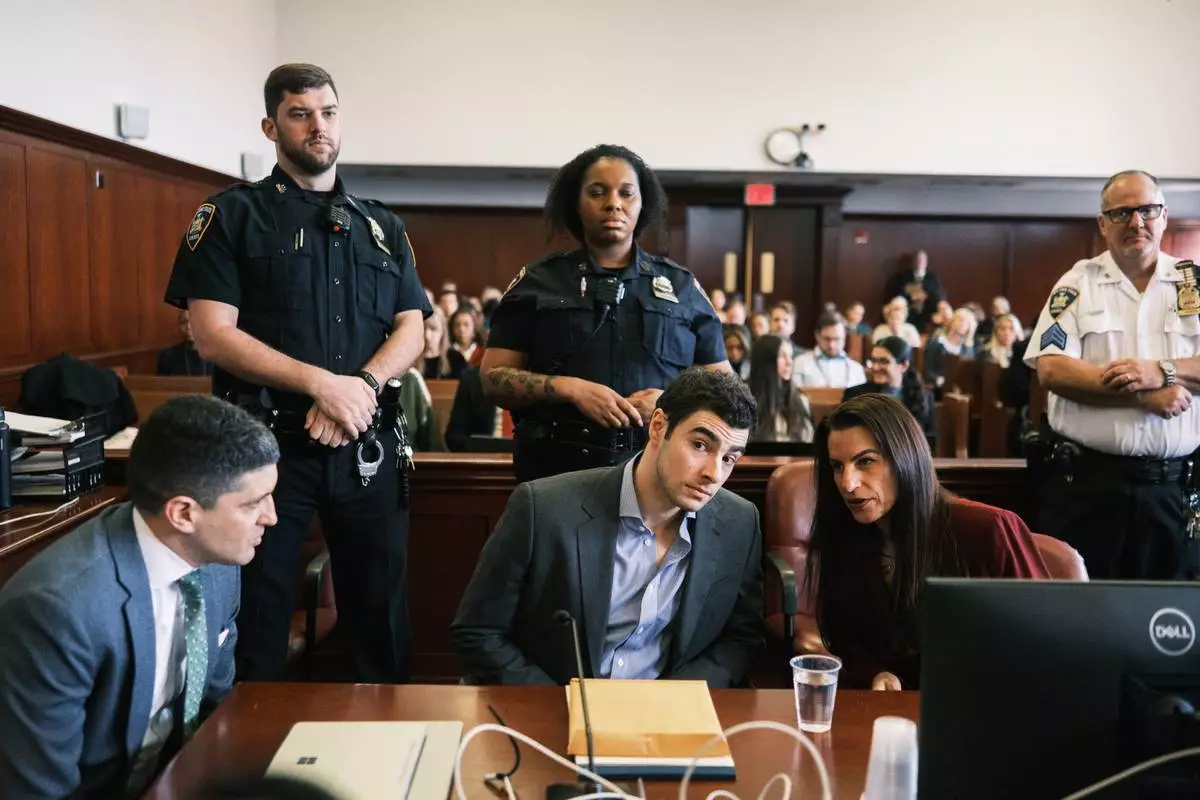
FILE - Luigi Mangione appears in Manhattan Criminal Court in New York, Dec. 8, 2025. (Stephen Yang/New York Post via AP, Pool, File