PEORIA, Ariz. (AP) — Seattle Mariners shortstop J.P. Crawford’s status for the start of the season remains uncertain as he continues to deal with a shoulder problem.
Mariners manager Dan Wilson told reporters Wednesday that Crawford had consulted with Dr. Keith Meister and had received a cortisone injection in his shoulder. Wilson noted that Crawford’s availability for the Mariners’ season opener remains up in the air.
Crawford, 31, batted .265 with a .352 on-base percentage, 12 homers, 58 RBIs and eight steals in 157 games last season. He has appeared in at least 145 games four of the past five seasons.
AP MLB: https://apnews.com/hub/mlb
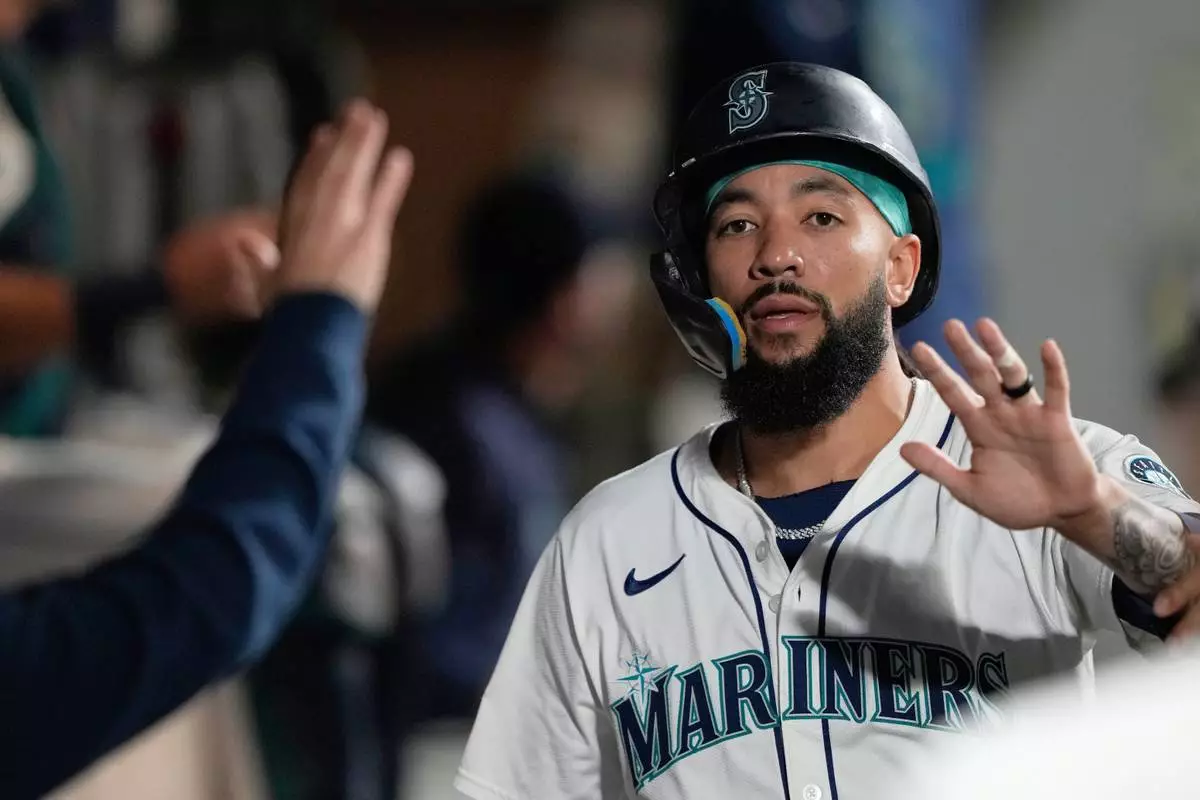
FILE - Seattle Mariners' J.P. Crawford celebrates in the dugout after scoring off a single hit by Josh Naylor during the fourth inning of a baseball game against the Colorado Rockies, Wednesday, Sept. 24, 2025, in Seattle. (AP Photo/Ryan Sun, File)
NEW YORK (AP) — U.S. stocks slumped Wednesday after a report said inflation was primed to worsen even before the war with Iran caused oil prices to spike. That and comments from the head of the Federal Reserve pushed Wall Street to see less chance of getting the lower interest rates that it loves.
The S&P 500 fell 1.4% and flipped to a loss for the week so far. The Dow Jones Industrial Average dropped 768 points, or 1.6%, and the Nasdaq composite slid 1.5%.
The losses deepened after the Fed decided to keep its main interest rate steady, instead of resuming cuts meant to give the job market and economy a boost. Fed officials are still penciling in one more cut by the end of 2026, but Chair Jerome Powell suggested those projections may be worth less than usual because of how much more uncertainty exists about inflation and the economy.
“We just don’t know,” Powell said about what will happen with oil prices, along with how long President Donald Trump’s tariffs will take to work their way fully through the system.
For oil, the price for a barrel of Brent crude has jumped from roughly $70 per barrel before the war to $107.38 on Wednesday, up 3.8% from the day before. The price for a barrel of benchmark U.S. crude got to nearly $99 before settling at $96.32.
Oil prices have soared because the war has disrupted the Persian Gulf’s energy industry. Iran’s state television said Wednesday that the Islamic Republic would be attacking oil and gas infrastructure in Qatar, Saudi Arabia and the United Arab Emirates after an attack on facilities associated with its offshore South Pars natural gas field.
If the disruptions keep oil and gas prices high for long, they could create a debilitating wave of inflation for the global economy.
A report released Wednesday morning showed inflation pressures were already building before the war began. It said inflation at the U.S. wholesale level unexpectedly accelerated last month to 3.4%.
Such numbers were likely factors in keeping the Fed on hold Wednesday. A cut to rates would give the economy and investment prices a boost, and Trump has been angrily calling for them. But lower interest rates would also worsen inflation.
Only one Fed voter wanted to lower rates this time around, and the tally was 11-1 to keep rates steady.
Powell said the rule of thumb has been for the Fed to look through jumps in oil prices, which could prove to be only temporary, but he said that works only if expectations for upcoming inflation don’t spike themselves. He also noted that several Fed officials downgraded their forecasts for rate cuts this year to one from two, even though the overall median Fed official is still calling for one.
That helped push traders to forecast less than a coin flip’s chance that the Fed will cut its main interest rate just once by the end of this year, at 49%. That’s down sharply from the 95% probability they saw a month ago, according to data from CME Group.
That sent Treasury yields upward in the bond market, along with the higher-than-expected update on inflation at the wholesale level. The yield on the 10-year Treasury climbed to 4.26% from 4.20% late Tuesday and from just 3.97% before the war with Iran started.
Higher Treasury yields grind down on prices for all kinds of investments, from stocks to crypto to gold.
Gold dropped back below $5,000 per ounce after falling 2.2% to settle at $4,896.20. It’s lower than it was at the start of the war, despite its reputation as a safe haven during uncertain times. Because it pays its owners nothing, gold begins to look less attractive to investors when Treasury bonds are paying more in interest.
On Wall Street, Macy’s jumped 4.7% after reporting stronger profit and revenue for the latest quarter than analysts expected. The retailer behind Bloomingdale’s and Bluemercury is in the midst of a turnaround plan to drive growth under CEO Tony Spring.
But General Mills fell 3% after the company behind the Pillsbury, Progresso and Wheaties brands reported a weaker profit for the latest quarter than analysts expected. CEO Jeff Harmening is investing in its brands in hopes of driving growth, and it’s sticking with its forecast for profit over the full fiscal year.
All told, the S&P 500 fell 91.39 points to 6,624.70. The Dow Jones Industrial Average dropped 768.11 to 46,225.15, and the Nasdaq composite sank 327.11 to 22,152.42.
In stock markets abroad, indexes fell in Europe following a stronger finish in Asia.
Tokyo’s Nikkei 225 rallied 2.9% after the government reported exports in February were higher than expected. South Korea’s Kospi leaped 5%.
AP Business Writers Chan Ho-him and Matt Ott contributed.
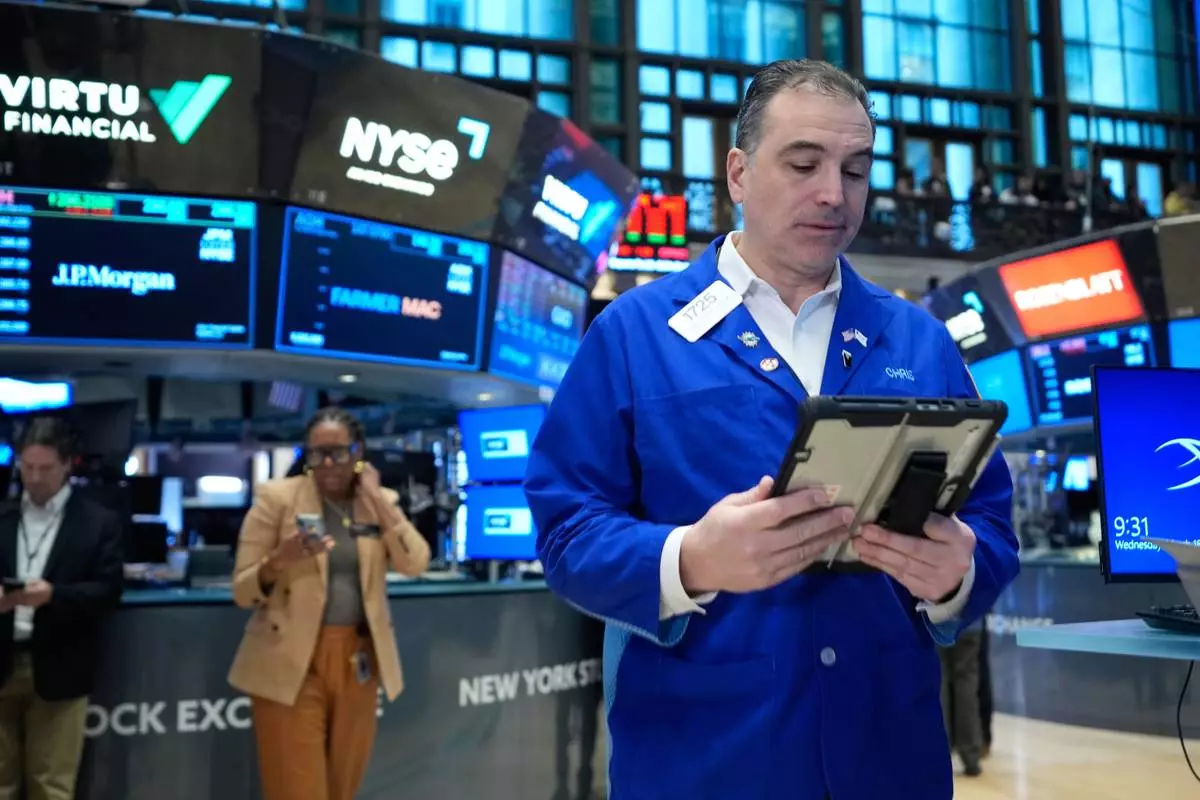
Christopher Lagana works on the floor at the New York Stock Exchange in New York, Wednesday, March 18, 2026. (AP Photo/Seth Wenig)
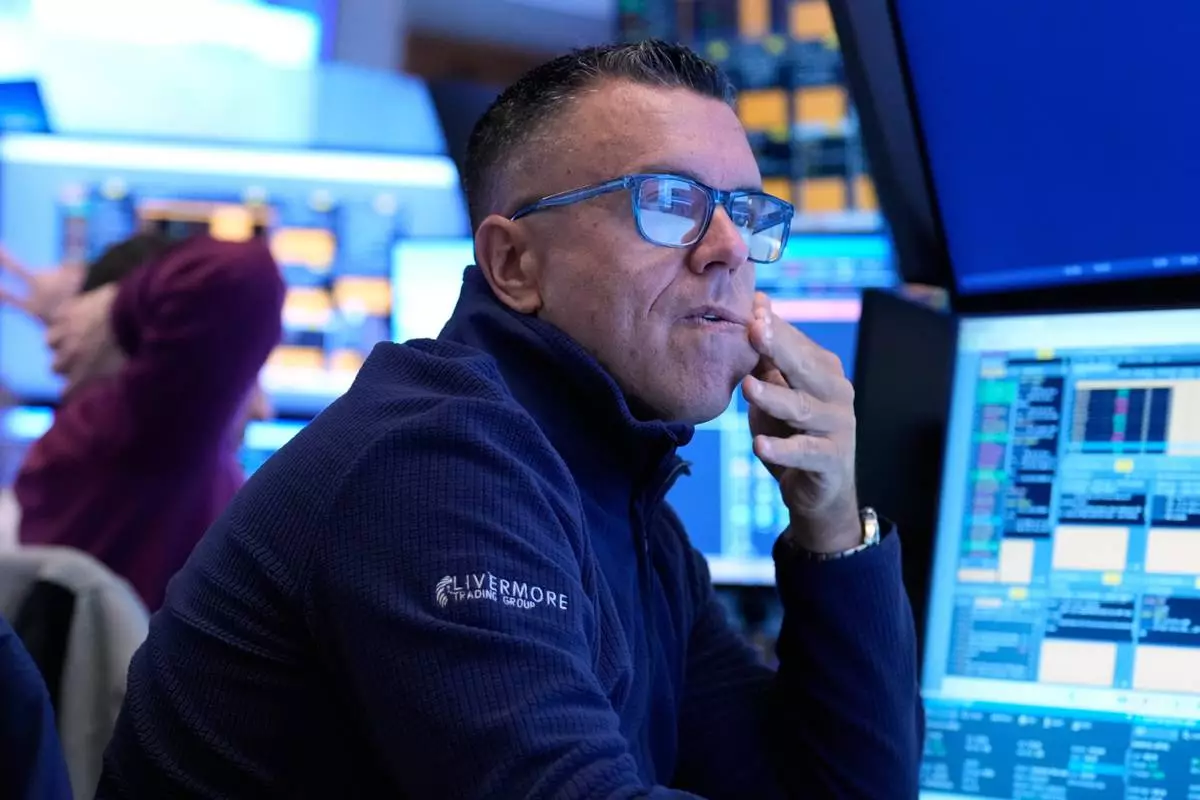
Traders work on the floor at the New York Stock Exchange in New York, Tuesday, March 10, 2026. (AP Photo/Seth Wenig)
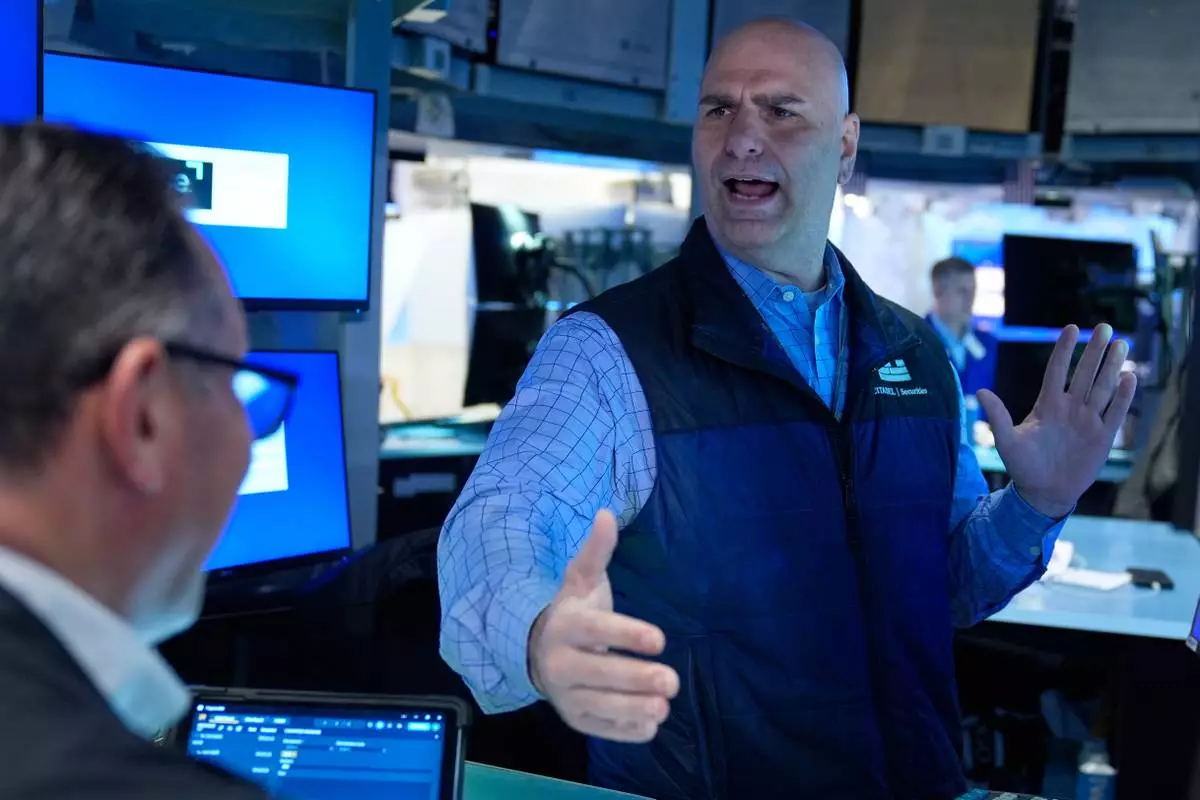
Philip Finale works on the floor at the New York Stock Exchange in New York, Tuesday, March 10, 2026. (AP Photo/Seth Wenig)
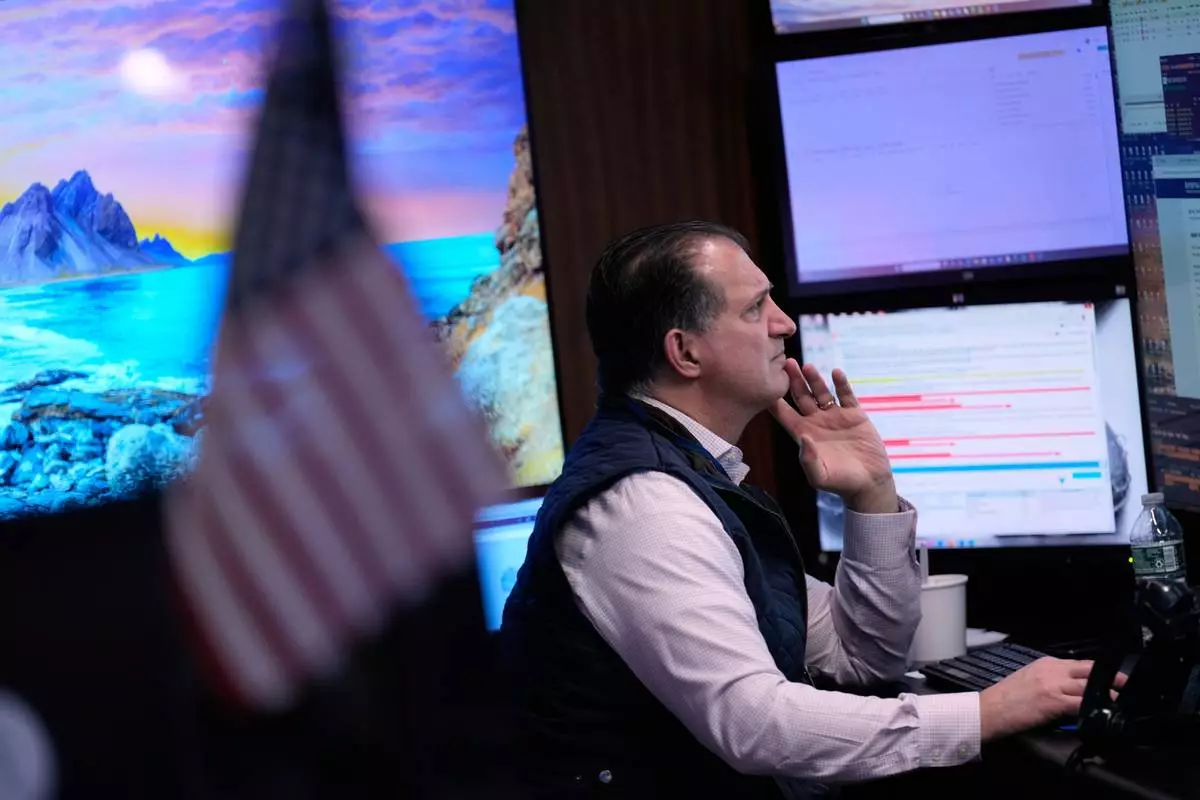
Traders work on the floor at the New York Stock Exchange in New York, Tuesday, March 10, 2026. (AP Photo/Seth Wenig)
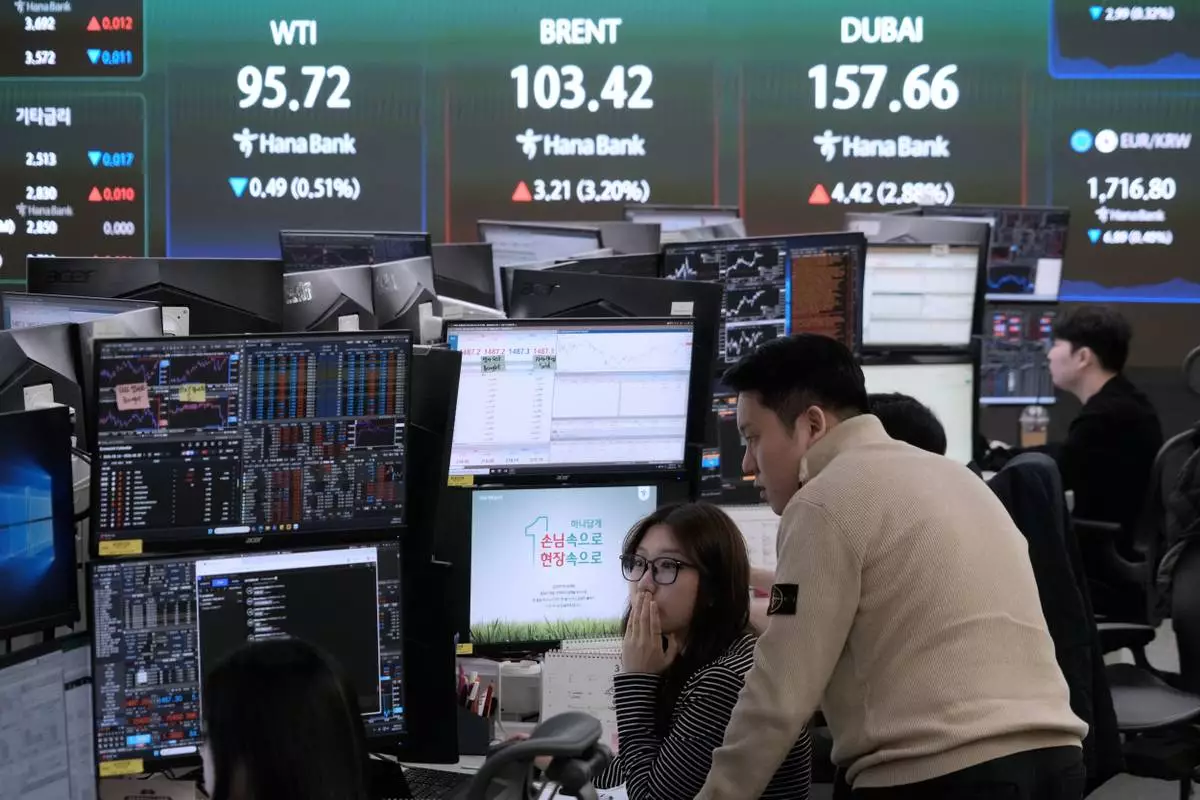
Currency traders watch monitors near a screen showing international oil prices at the foreign exchange dealing room of the Hana Bank headquarters in Seoul, South Korea, Wednesday, March 18, 2026. (AP Photo/Ahn Young-joon)
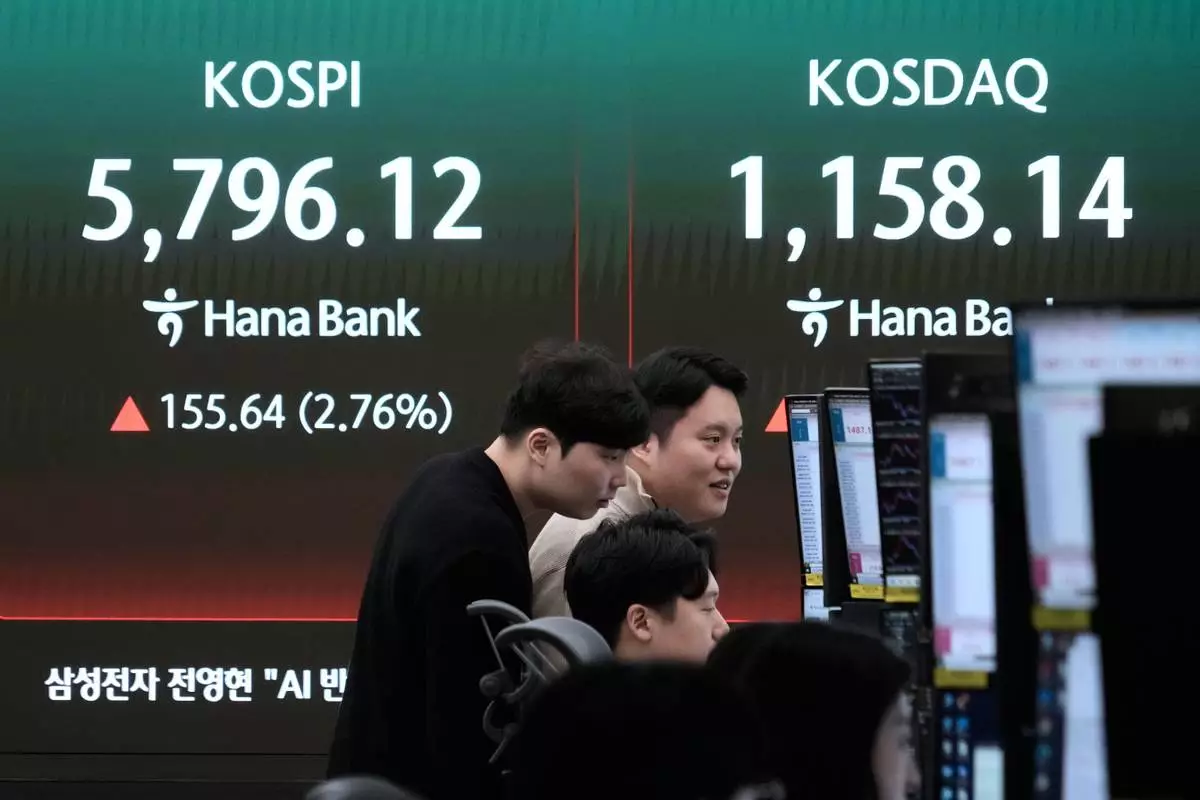
Currency traders watch monitors near a screen showing the Korea Composite Stock Price Index (KOSPI), left, at the foreign exchange dealing room of the Hana Bank headquarters in Seoul, South Korea, Wednesday, March 18, 2026. (AP Photo/Ahn Young-joon)
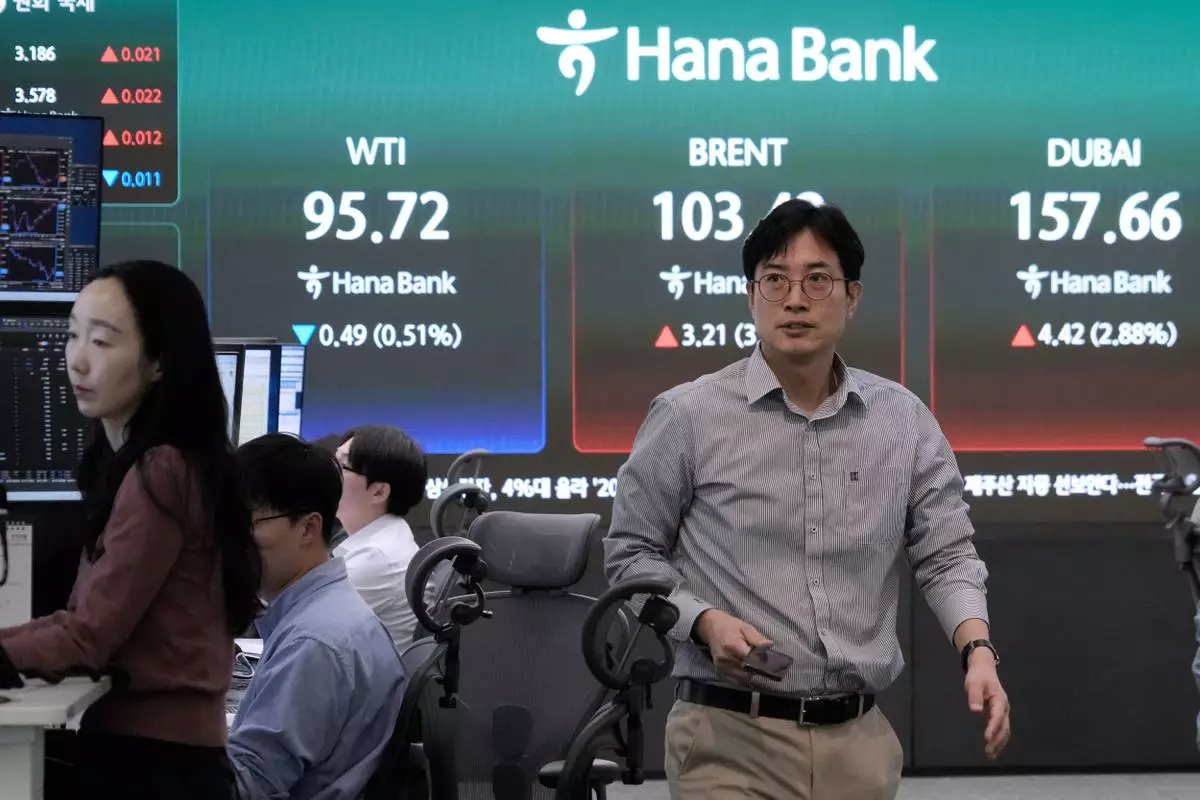
A currency trader passes by a screen showing international oil prices at the foreign exchange dealing room of the Hana Bank headquarters in Seoul, South Korea, Wednesday, March 18, 2026. (AP Photo/Ahn Young-joon)
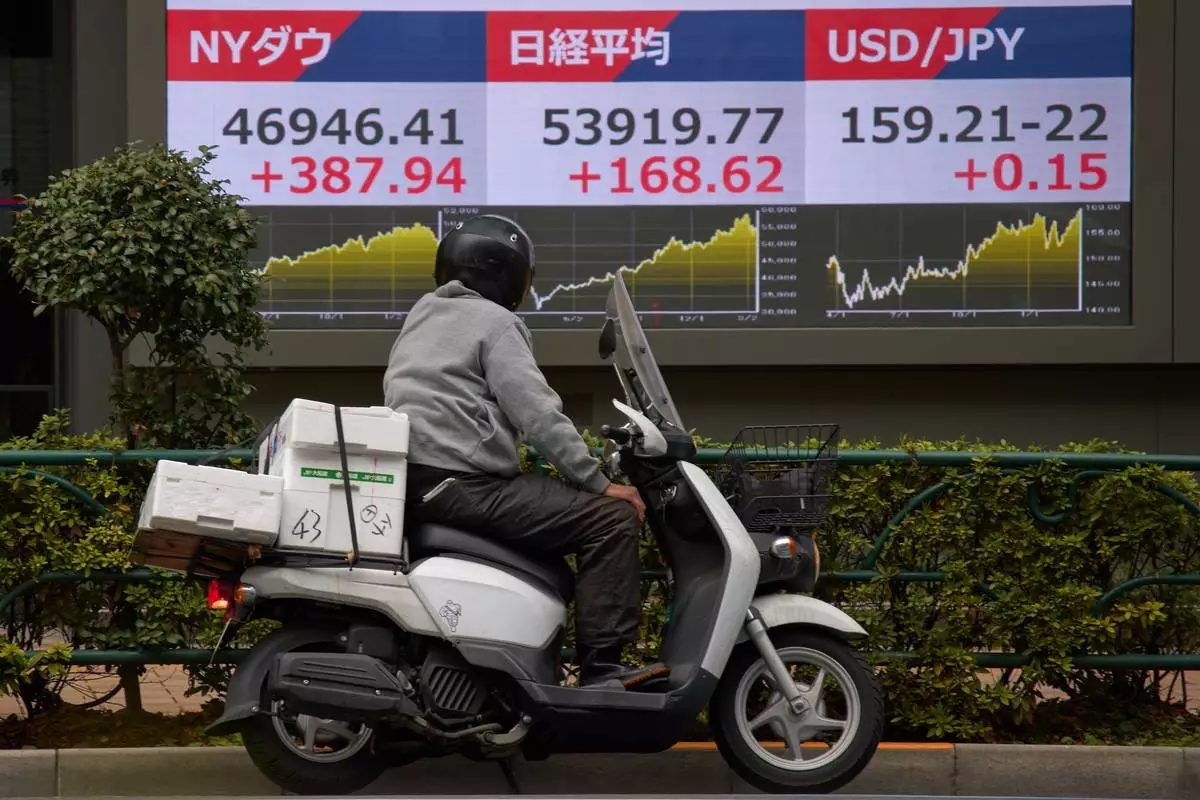
A person looks at a stock price monitor showing New York Dow and Nikkei indexes also US dollar Japanese yen exchange rate at a security company Tuesday, March 17, 2026, in Tokyo. (AP Photo/Eugene Hoshiko)
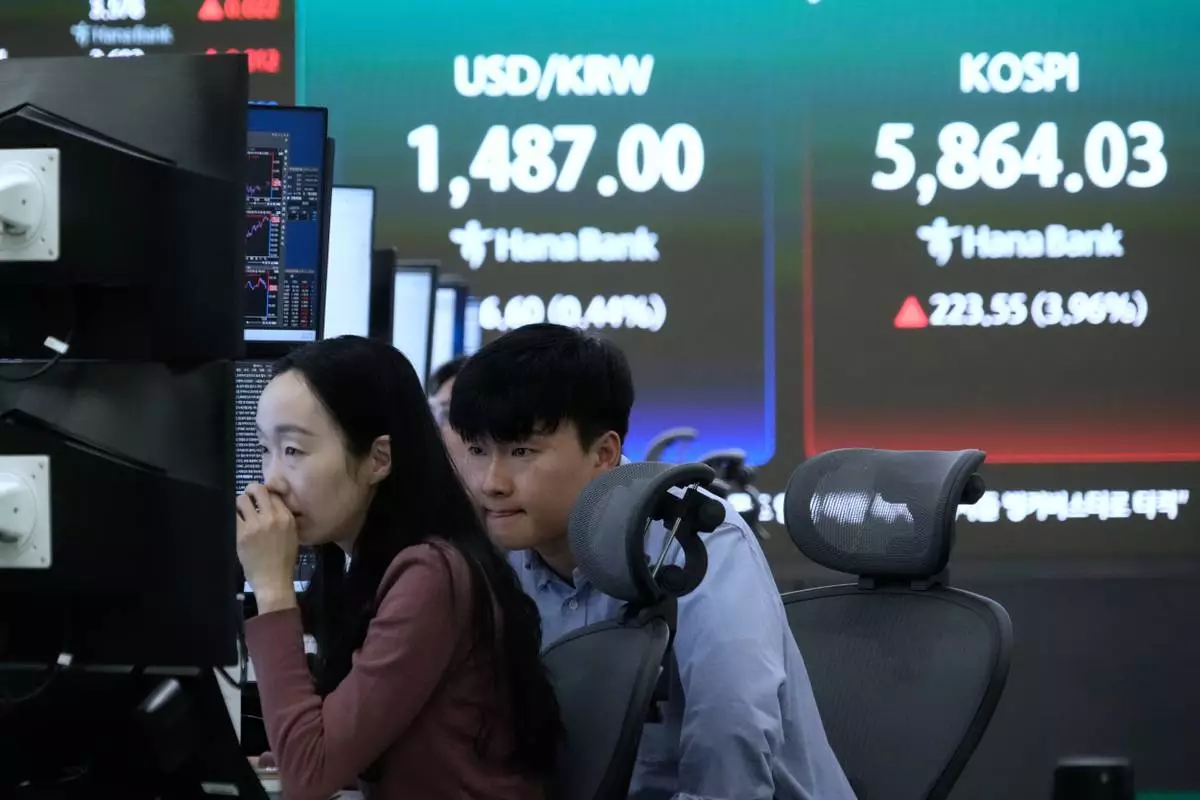
Currency traders watch monitors near a screen showing the Korea Composite Stock Price Index (KOSPI), top right, at the foreign exchange dealing room of the Hana Bank headquarters in Seoul, South Korea, Wednesday, March 18, 2026. (AP Photo/Ahn Young-joon)