A farmer-turned-lawmaker from south China's economically developed Guangdong Province has been successful in agricultural innovation featuring integration of technology, locally tailored farming methods and feedback of ideas collected from the grassroots level for pertinent government policy making.
As China advances the implementation of its 15th Five-Year Plan for national socioeconomic development in the 2026-2030 period, officials are being urged to adopt a people-centered and sustainable "correct view on performance," prioritizing tangible improvements in livelihoods over short-term interests or perfunctory achievements.
The experience of Chen Shirong, a deputy to the National People's Congress from Guangdong, illustrates this approach in practice, as he integrates technology, locally tailored farming methods and grassroots-level feedback to boost rural productivity and translate farmers' needs into effective policy proposals.
Growing up around the sprawling farmlands of Jiangmen City in the province, Chen left a career in export sales to return home and become a new farmer, typical of the new generation of Chinese farmers stepping up to use technology, business thinking in farmlands.
Nearly a decade later, he was elected to the National People's Congress (NPC), China's top legislature.
For him, "performance" isn't a slogan -- it's about better crops and stable income for local farm households.
"When working in foreign trade in the past, I used to chase orders and data. Now, working in the farmland, I've learned that real achievement isn't found in reports or window dressing -- it's in the fields and in the hearts of the people. Agriculture is kind of a slow industry, involving labor of conscience. You have to respect its rhythm, stay grounded, and focus on the long game -- on what truly benefits the people's livelihoods," Chen said.
Instead of a one-size-fits-all approach, Chen tailors solutions to the land itself.
"A correct view on performance means developing new quality productive forces based on local conditions. When it comes to our practical work, we use low-lying fields to realize rice-duck integrated farming. If it is performed on high-lowing fields, you will need to pump water uphill -- which is wasteful and unsustainable," he explained.
As China pushes against "vanity projects", Chen said he believes real performance is quieter: growing better crops with smarter tools.
Drones and automated grain conveyors help him boost productivity while cutting costs.
As a lawmaker, he gathers ideas directly from villagers -- turning their daily concerns into policy proposals.
Local farmer Chen Zili told Chen Shirong he is glad that he doesn't need to do as much farm work as before and the dividend has doubled in five years -- all thanks to Chen's help.
"My proposals don't come from a desk. Instead they come from working in the fields and from hearing what farmers are talking about, including production and trouble-shooting. Farmers talk about what matters: high-standard farmland, grain drying, ecological farming, and the rural collective economy. What I do is hearing and turning their voices into proposals that advance work related to agriculture, rural development and farmers," Chen Shirong said, referring to his proposals submitted to the annual session of the NPC in Beijing earlier this month.
A correct view on performance is not about how much attention a project gets, but about whether it genuinely improves people's lives.
Chen Shirong's experience shows how grounding decisions in reality, research and public need can turn policy goals into lasting results on the ground.
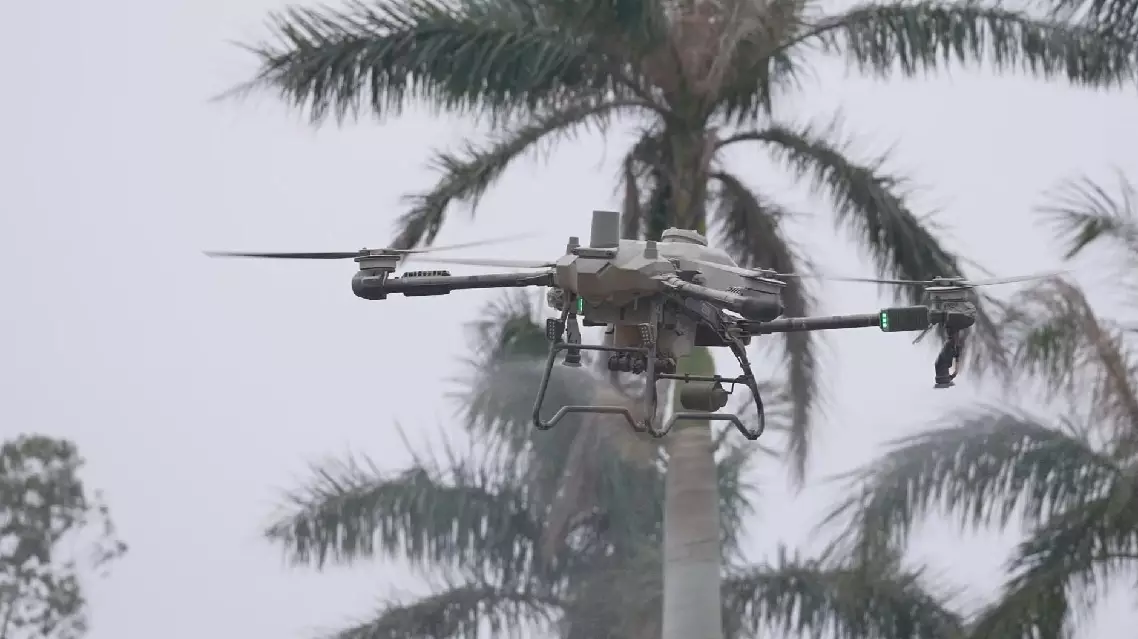
Farmer-turned-lawmaker successful in agricultural innovation