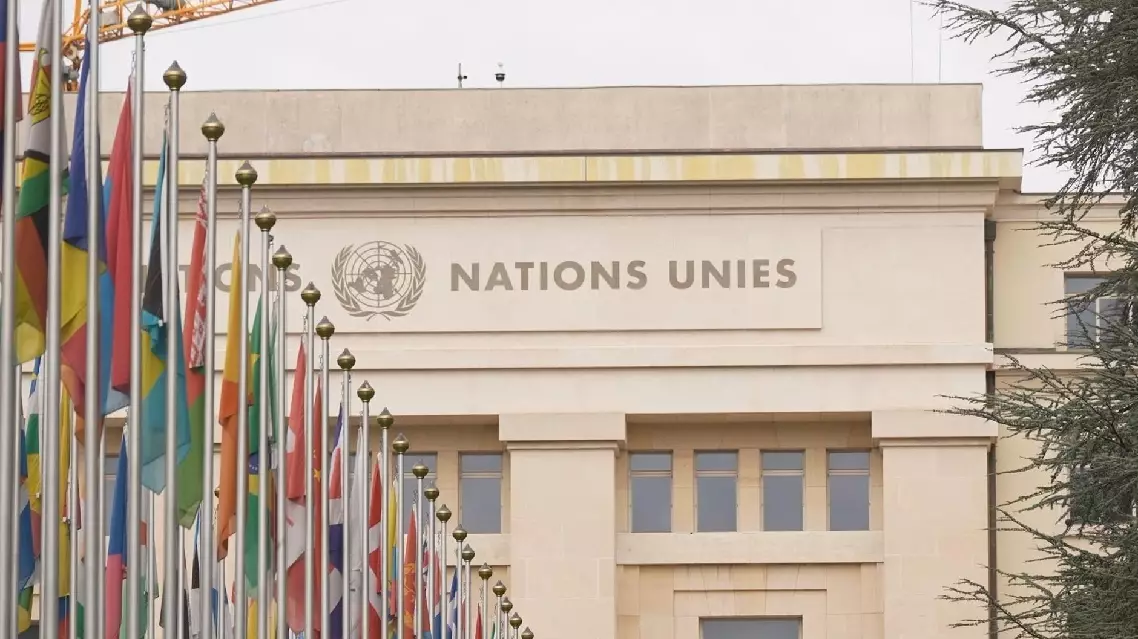
A Chinese diplomat attending the 61st session of the UN Human Rights Council on Monday called for reaffirming original commitment to promoting and protecting human rights.
Li Xiaomei, deputy head of the Chinese delegation, made the statement during a general debate on human rights issues of various countries.
March 15 marks the 20th anniversary of the UN General Assembly resolution establishing the Human Rights Council, Li said, however, multilateralism and the global human rights cause are currently facing unprecedented challenges.
Regional situations are profoundly impacting international peace and security, leading to human rights and humanitarian disasters, she added.
Noting that the politicization, instrumentalization, and double standards concerning human rights are intensifying, Li said that all 13 country-specific mechanisms under the Human Rights Council are targeting developing countries, costing tens of millions of dollars, while human rights issues that truly require attention are not being given sufficient regard.
China called on all parties to take the 20th anniversary of the establishment of the Human Rights Council as an opportunity to renew the original aspiration of promoting and protecting human rights, to carry out dialogue and cooperation on the basis of equality and mutual respect, and to make some actual contributions to advance the human rights cause, Li said.
Chinese diplomat calls for reaffirming original commitment to promoting, protecting human rights
China's top diplomat Wang Yi said on Friday that one of the top priorities at present is to contain the spread of the conflict and prevent further involvement of other countries.
Wang, also a member of the Political Bureau of the Communist Party of China Central Committee and director of the Office of the Central Commission for Foreign Affairs, made the remarks in a phone conversation with Emmanuel Bonne, diplomatic adviser to the French president, at the latter's request.
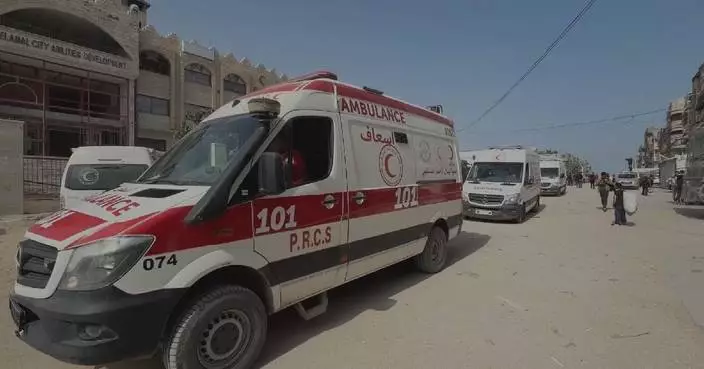
Wang elaborated on China's position, saying that the current situation in the Middle East is still deteriorating, with the conflict continuing to spread. This has not only undermined the stability of global energy supply but also led to a severe humanitarian crisis.
Resorting to force will not solve the problem, and an unjust war should not be allowed to continue, he said.
In the face of the critical situation, China and France, as permanent members of the UN Security Council, should strengthen strategic communication and coordination, firmly uphold the UN Charter and international law, and prevent the world from regressing to the "law of the jungle," Wang said.
He added that the other two top priorities are for the international community to speak with one voice in calling for an immediate ceasefire and to intensify efforts to advance peace talks, and for the United Nations and the UN Security Council to play their due role in facilitating the early restoration of peace and stability in the region.
Despite the difficulties, dialogue and negotiation remain the right path out of the crisis, Wang said, adding that China and France should work together toward this end.
For his part, Bonne shared his perspectives on the current situation in the Middle East, including developments in Iran and Lebanon.
He said that France and China, as major countries, both support the United Nations, abide by international law, and advocate resolving differences through dialogue.
He said that the two countries should work together to explore solutions and contribute to easing tensions and resuming negotiations.
France is willing to enhance communication and cooperation with China to push for the early achievement of peace and stability in the Middle East, he added.
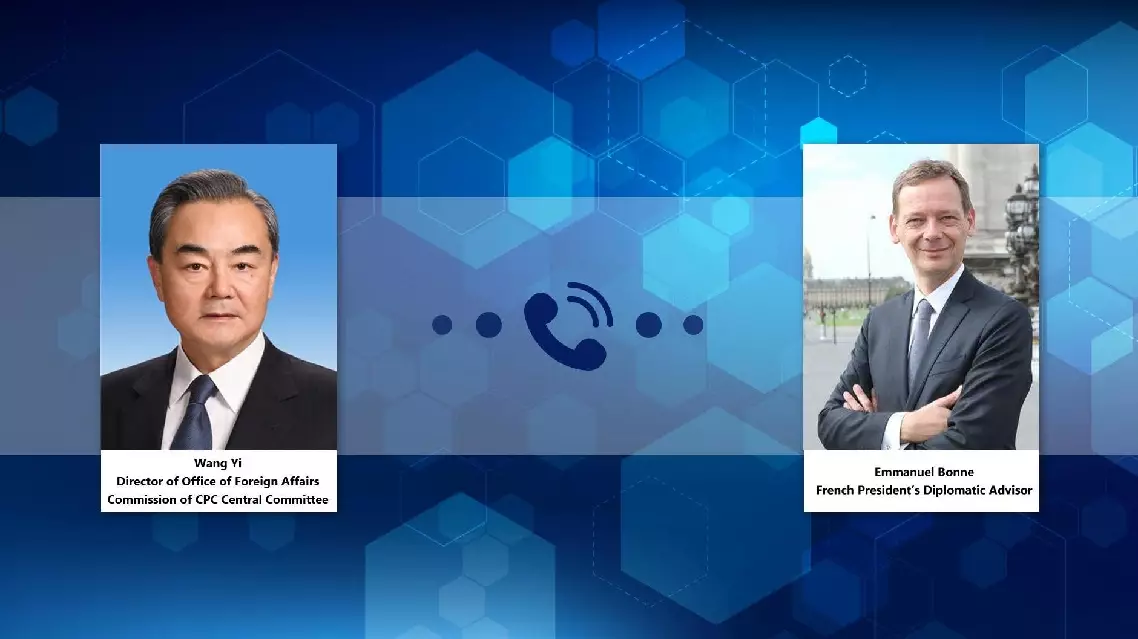
China's top diplomat urges efforts to prevent escalation in Mideast conflict