Ethiopia is urging citizens to conserve fuel and prioritize essential use as global oil supply disruptions linked to Middle East tensions put pressure on the country's fuel reserves.
The Ethiopian Petroleum and Energy Authority (PEA) on Tuesday issued a directive calling on the public to save fuel and help shield the nation from global oil price shocks triggered by the ongoing conflict in the Middle East. The move comes as long queues form at filling stations in Addis Ababa temporarily closed due to shortages.
The PEA has instructed fuel distributors and retailers to operate with high conservation standards and to prioritize supply for security services, state-run projects, manufacturing, and export companies. The authority also noted that Ethiopia imports petroleum products using foreign currency, making the country vulnerable to international market disruptions.
Prime Minister Abiy Ahmed has called for responsible fuel use, warning that countries dependent on imported oil are struggling to secure adequate supplies. In a message posted on social media, Abiy urged all stakeholders to conserve fuel and prioritize essential services until the situation stabilizes.
Residents are concerned.
"We're hearing there could be fuel scarcity, and if that happens, it's very concerning. I support a big family with this taxi, so I'll definitely be among those affected. Since the problem is beyond our borders, there's little we can do, but the United Nations needs to try to end the war and broker an agreement so things can return to normal for the sake of ordinary people," said Worku Girma, a taxi driver.
"Fuel prices are already high, and I am worried it may increase even further, which makes it very difficult for us to continue ride-hailing with fuel engine cars. Switching to electric vehicles isn't easy either. We're already seeing long queues at gas stations, especially toward the end of the month. And if a fuel shortage happens, we'll either have to spend hours queuing for fuel instead of working, or wake up very early, either way, our work will be disrupted," said ride-hailing driver Mahder Aseffa.
Finance Minister Ahmed Shide said the government is working to secure fuel through alternative channels and continues to provide subsidies despite rising global prices. He explained that the situation in the Middle East has significantly disrupted global fuel supply and caused prices to surge. To mitigate the impact of disruptions around the Strait of Hormuz and ensure a stable supply, the government is making efforts to purchase and import fuel through alternative sources.
Shide noted that even as global prices reach unprecedented levels, the government is maintaining substantial subsidies for fuel. He urged the public and all stakeholders to use fuel responsibly, purchase it only through legal supply chains, and comply with government-set prices.
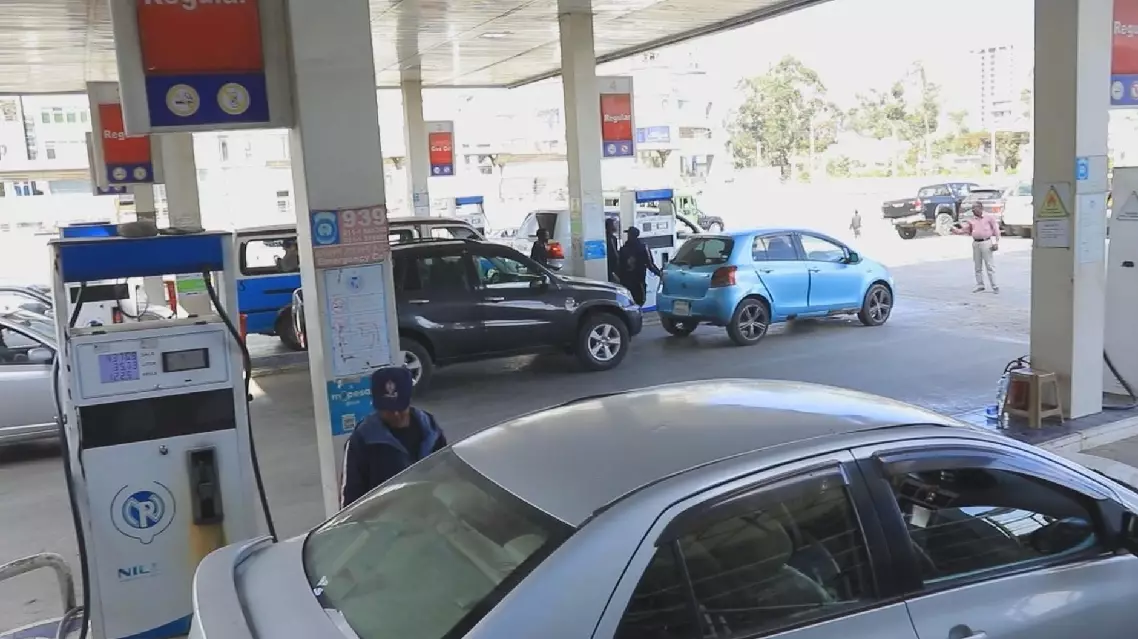
Ethiopia urges residents to conserve fuel amid global shortage
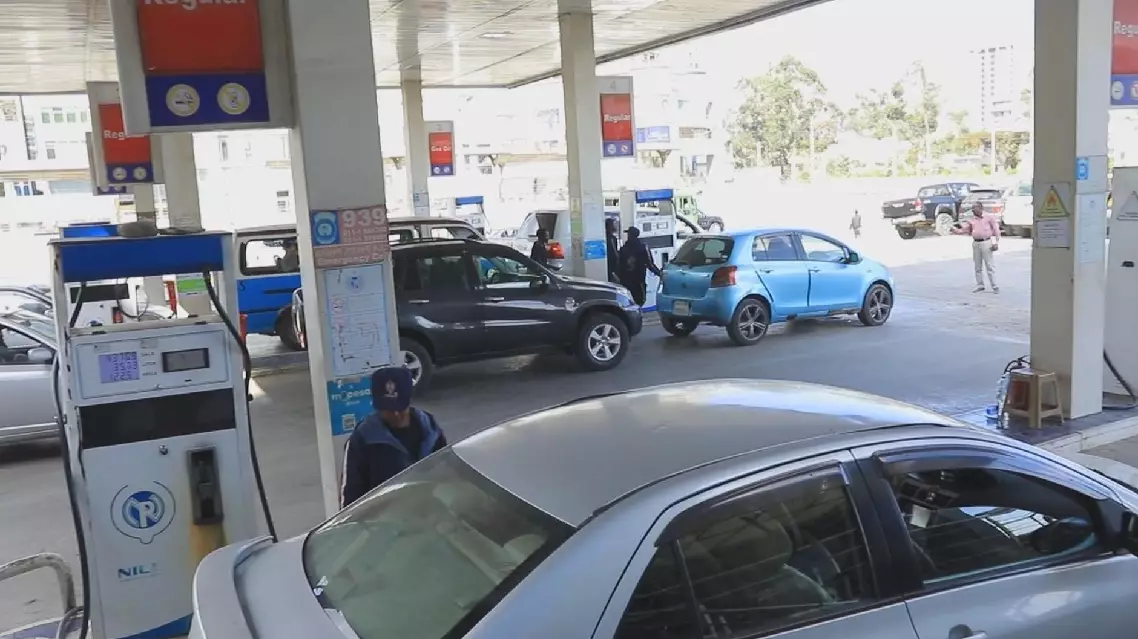
Ethiopia urges residents to conserve fuel amid global shortage