The world's largest coal-to-ethylene glycol project broke ground on Friday in Turpan, northwest China's Xinjiang Uygur Autonomous Region.
The project, with a total investment of 25.7 billion yuan (around 3.7 billion U.S. dollars), will produce 2.4 million tons per year of high-quality polyester-grade ethylene glycol upon completion, along with high-value-added byproducts such as dimethyl carbonate and coal-based ethanol.
The project has a planned construction period of 30 months and is scheduled to be operational by the end of 2028.
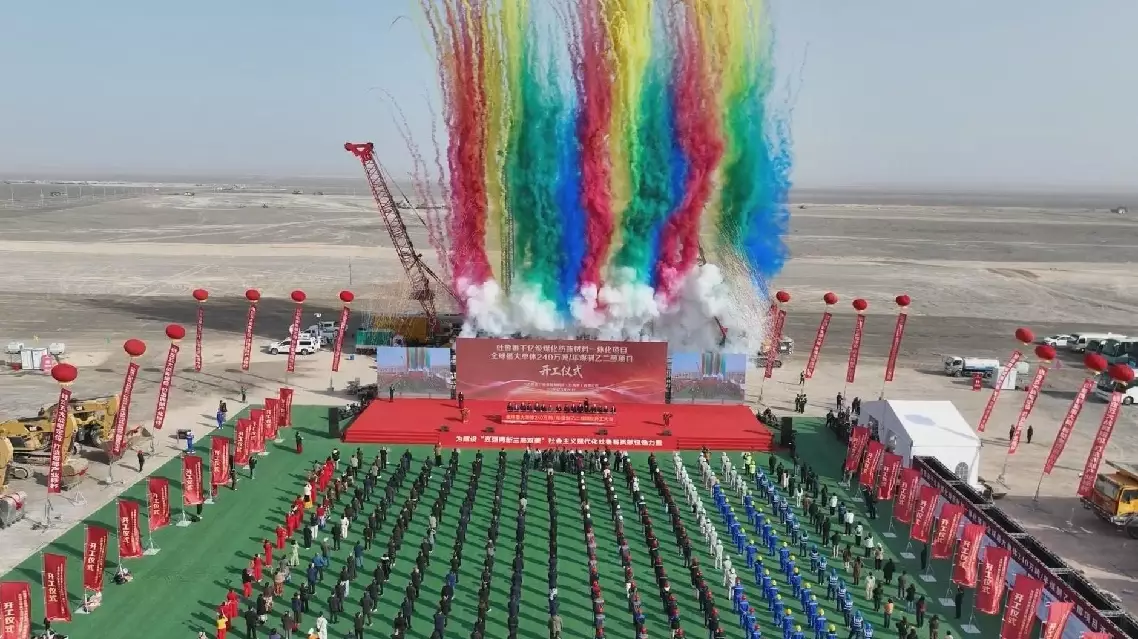
Construction of world's largest coal-to-ethylene glycol project starts in Xinjiang
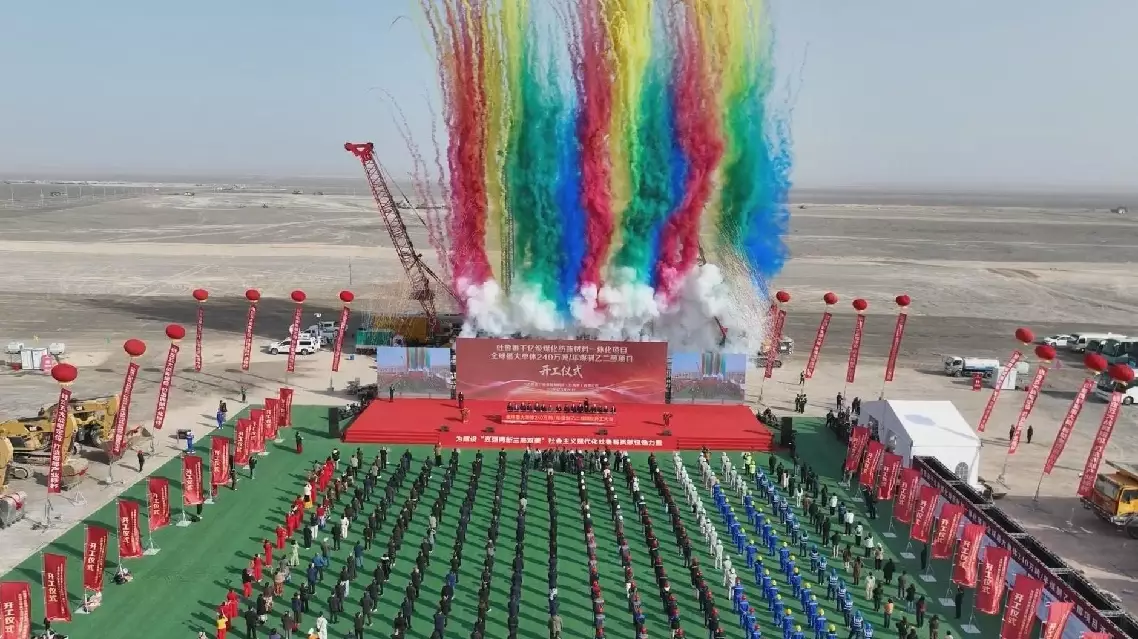
Construction of world's largest coal-to-ethylene glycol project starts in Xinjiang
China's top diplomat Wang Yi on Tuesday emphasized the importance of upholding international rules, saying that the conflict between the United States and Iran, which has lasted for over a hundred days, has severely impacted the regional and international situation.
Wang, a member of the Political Bureau of the Communist Party of China Central Committee and director of the Office of the Central Commission for Foreign Affairs, made the remarks during the 16th Meeting of BRICS National Security Advisors and High Representatives on National Security held in New Delhi, India.
He said that the recent signing of the first phase of the U.S.-Iran Memorandum of Understanding, along with the conflict, has made many things clear to us.
The first is the importance of upholding international rules, Wang said at Tuesday's conference.
"The settlement of any international and regional hotspot issues should be based on abiding by international rules. The law of the jungle may succeed for a while, but it is not sustainable," he said.
The second is the importance of respecting national sovereignty, Wang said, adding that territorial integrity shall not be violated and a country's internal affairs shall not be interfered with. This is the most basic bottom line of international justice, he noted.
The third point is the importance of establishing a new vision of security, Wang said.
"Countries are increasingly becoming a community with a shared future. The practice of seeking absolute security of oneself at the expense of others will only backfire," he said.
The Chinese top diplomat said that the fourth is to understand the significance of new forms of war. Unconventional warfare, such as information warfare and cyber warfare, has become more visible in recent conflicts. Facing interwoven traditional and non-traditional security threats, it is the right time for BRICS countries to enhance dialogue and cooperation on security affairs.
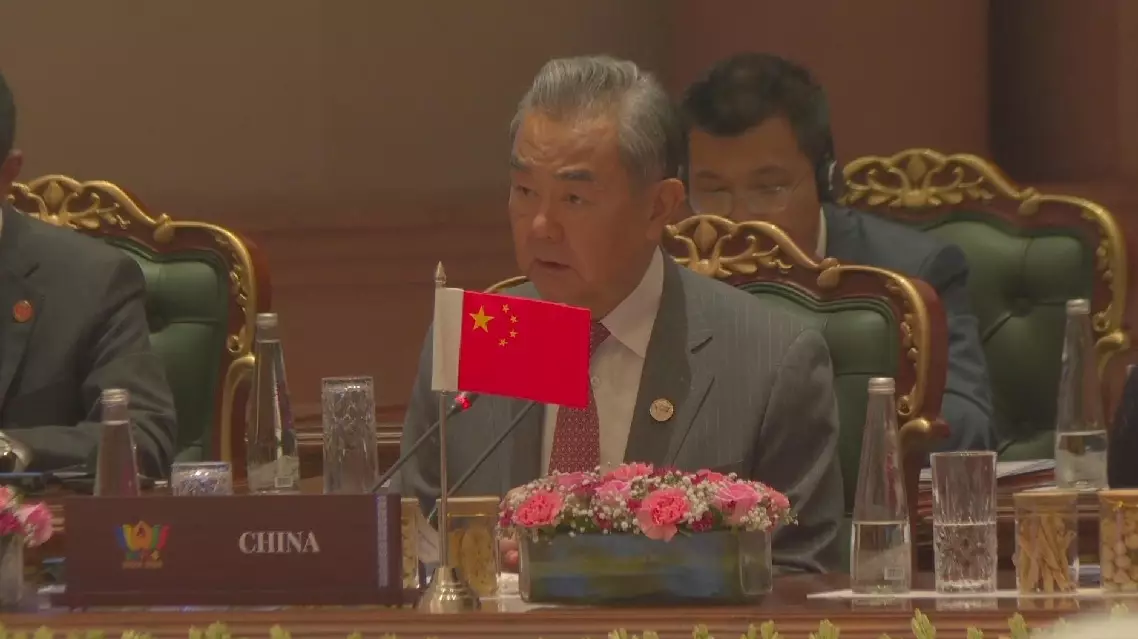
China's top diplomat stresses int'l rules at BRICS meeting