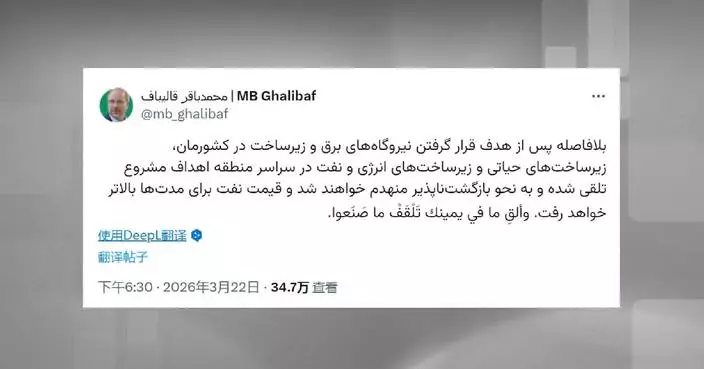
Iraq is facing a rapidly worsening electricity crisis which is expected to intensify amid heightened regional tensions. Iraq on Wednesday announced the cessation of Iranian gas flow after Israeli media reported that the Israeli air force struck a major natural gas facility in Iran's southern city of Bushehr.
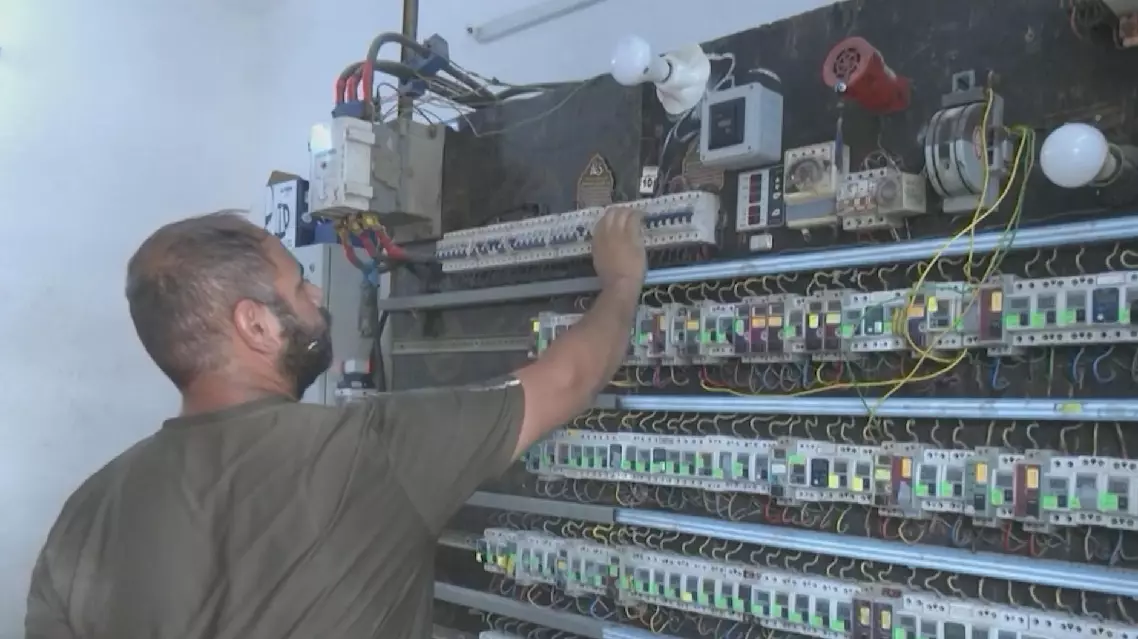
The Electricity Ministry spokesperson Ahmed Musa said the loss of 3,100 MW caused by the disruption will certainly affect the system. Iraqi citizens quickly experienced a decrease in power supply.
"The war in Iran has affected us, and we are among the most impacted, both in terms of security and energy. With the first hours of the Iranian gas outage, many areas of Baghdad were plunged into darkness. This is baffling. We hope the government and the Ministry of Electricity will find urgent solutions to these problems," said Ali Abdul Karim, an Iraqi citizen.
"A second disaster will occur due to the increased demand for fuel used by generators, especially as we approach summer. The electricity has been cut off for the past two days, and the outages have become extremely frequent. We only get an hour of electricity a day, or sometimes none at all," said another Iraqi named Bassam Mohammed.
Given its geographical proximity, ease of transport, and low import costs, Iraq relies heavily on Iranian gas to operate its power plants.
"Our heavy reliance on Iranian gas also significantly affects Iraq. The gas shortage will impact all operating power plants, which must operate at maximum capacity to compensate for the resulting deficit as much as possible," said economist Duraid al-Nasser.
It appears that Baghdad does not have readily available alternative options to compensate for the shortfall caused by the halt in Iranian gas flow. This is due to geopolitical reasons related to the ongoing war and the closure of the Strait of Hormuz, as well as technical reasons such as the lack of transportation and storage facilities.
"We lack the infrastructure to receive gas. If it arrives as liquid gas via tankers, we don't have the storage tanks or pipelines to transport it to the power plants. This is our problem; the necessary infrastructure for gas-fired power plants simply doesn't exist," said Al-Nasser.
The halt in energy supplies comes amid heightened regional tensions following the conflict involving the United States, Israel, and Iran that began on Feb 28, which has repeatedly disrupted energy infrastructure and transit routes across the Middle East.
Attacks on Iran's gas field plunges Iraq into energy crisis