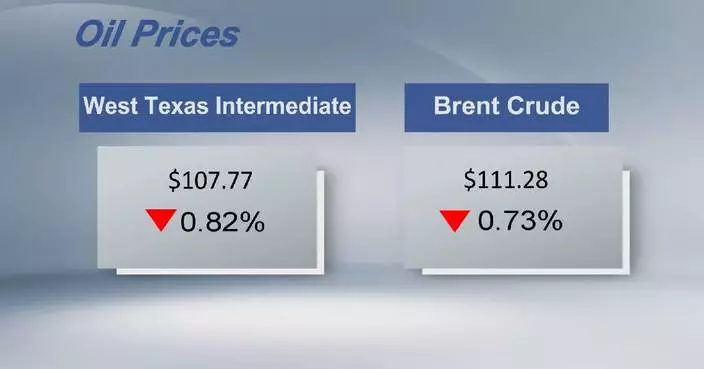
As Middle East tensions drive up global oil prices, Argentina finds itself on both sides of the economic equation, with consumers feeling the economic pinch while exporters anticipate a potential boom in profits.
For taxi drivers like Ricardo Durango, who works with ride-hailing apps to supplement his income, the spike in fuel prices feels like a pay cut.
"In the past 10 to 15 days, about 12 days, the price of fuel has gone up by about 10 percent. It affects me a lot. I have to take more trips and spend more time in the car," said Ricardo Durango, Taxi driver.
Argentina is on both sides of the economic fallout of conflict in the Middle East. Consumers see a rise in the cost of fuel, and with that a possible spike in inflation, but the jump in oil and gas price favors the exporters of energy.
Any inflationary spikes could compromise Argentinian President Javier Milei's signature economic achievement to date since taking office in late 2023.
"This government has been fighting against inflation and now we have only 30 percent a year. We used to have 30 percent a month!" said Carlos Mendizabal at the Energy Institute under the Austral University.
Mendizabal, who has over three decades of experience in the oil industry, says Argentina has energy resources for around 200 years given the current available technology. In his view, higher international oil prices will ultimately help President Milei's economic project.
"Also for the national government increasing their exports - it's very, very important. Argentina has to pay the international debt and receiving international currency. It's good news," he said.
Argentina posted its biggest energy trade surplus in decades in 2025, a turnaround for the country's finances, after being a net importer of energy in recent years.
President Milei has actively aligned Argentina with the U.S. and Israel's strikes against Iran, yet while the country expects a windfall from exports, higher oil prices also mean more expensive fertilizers, which impacts major food producers like Argentina, and also increases shipping costs.

Argentina sees mixed economic impact of rising fuel prices amid Middle East tensions