A 220 kV cross-sea power grid interconnection project was officially put into operation on Friday, ending years of grid isolation on south China's Weizhou Island by linking it to the main power system of Guangxi Zhuang Autonomous Region.
Weizhou Island, the largest in Guangxi, lies in the Beibu Gulf more than 24 nautical miles (about 44.5 kilometers) from the mainland. For decades, its electricity supply relied heavily on gas and diesel generators, often struggling to meet demand. .
The new project, built by the subsidiary of China Southern Power Grid in Guangxi with a total investment of about 858 million yuan (about 125 million U.S. dollars), includes a 220 kV substation on the island and 220 kV transmission lines connecting it to the regional grid. The upgrade ensures a stable and ample power supply.
"With the project now in operation, the island's power supply capacity will increase from 35,000 kilowatts to 161,000 kilowatts, greatly improving power reliability. Meanwhile, clean energy can now also be channeled directly to the island through the main grid, further promoting energy conservation and carbon reduction, with annual carbon dioxide emissions expected to fall by about 43,000 tonnes," said Tian Quan, manager of Weizhou Power Supply Branch of China Southern Power Grid's Beihai Power Supply Bureau.
The Beibu Gulf is home to one of China's offshore wind power bases, with Guangxi planning nine offshore wind farm zones totaling 23.5 million kilowatts of installed capacity. The new cross-sea power link provides a vital channel for integrating and transmitting this growing offshore wind power, paving the way toward the development of zero‑carbon islands.
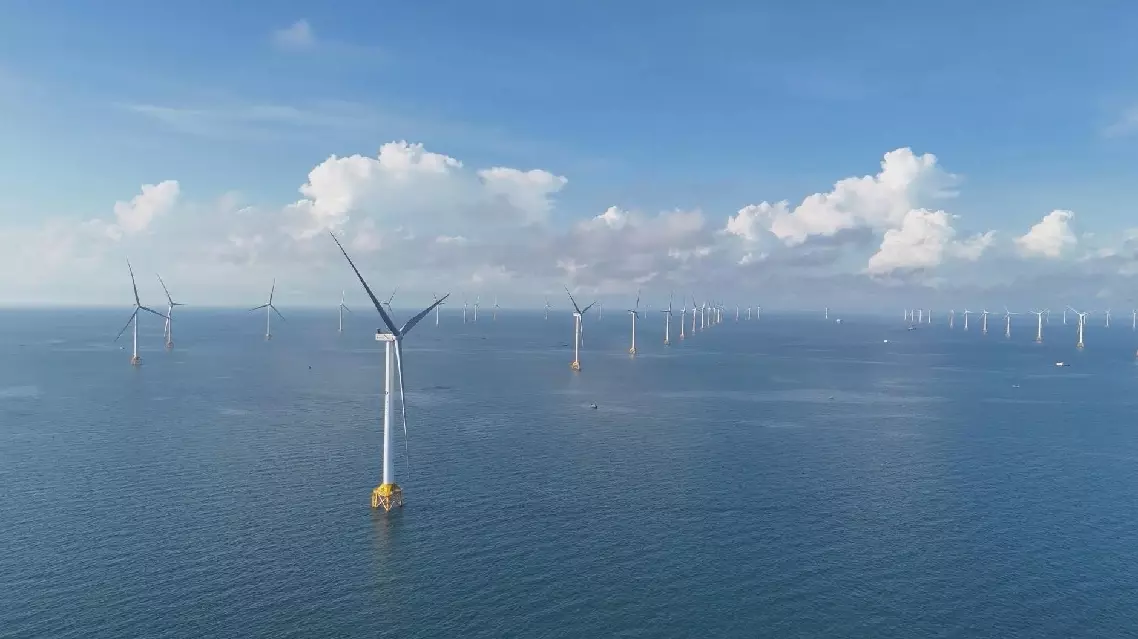
Historic cross-sea project ends power grid isolation on south China island