Business leaders at the China Development Forum 2026 in Beijing voiced optimism about China's economic prospects, pointing to strengths in innovation, a broad industrial base and long-term strategic vision.
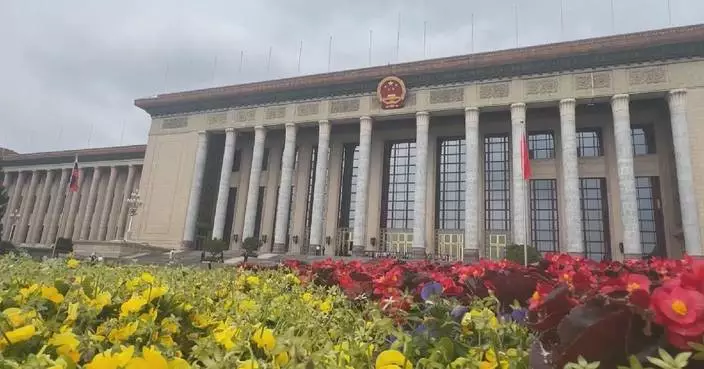
The two-day forum, themed "China in Its 15th Five-Year Plan Period: Advancing High‑Quality Development and Creating New Opportunities Together," opened Sunday with global executives, scholars and policymakers highlighting China's stability amid rising global uncertainty.
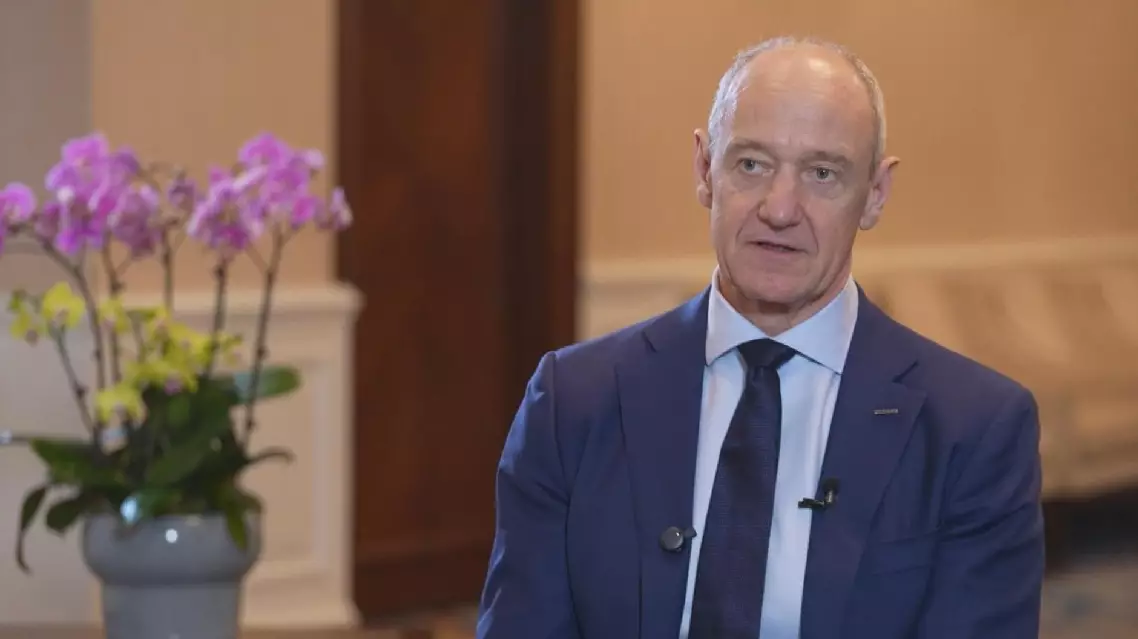
Siemens CEO Roland Busch said China's industrial depth makes it a hub for innovation.
"China is covering the broadest industrial base in the world. So if you really want to drive innovation and you want to be ahead of the innovation curve, China is the place to be," said Busch.
Roche Chairman Severin Schwan praised China's long-term planning as a key advantage for investors.
"I think one of the strengths of China is to take a really long-term perspective. And for us in business, it's important to know where the journey is going to have stability, and this is something which China provides, and this is a big strength," said Severin Schwan, chairman of the board of directors of Swiss pharmaceutical giant Roche.
As the 15th Five-Year Plan charts new tracks in future industries, from pilot zones to globally influential science and technology enterprises, the forum underscores how China’s modernization drive is positioned to deliver both domestic resilience and fresh opportunities for international cooperation.
Business leaders back China's innovation drive, market depth at Development Forum
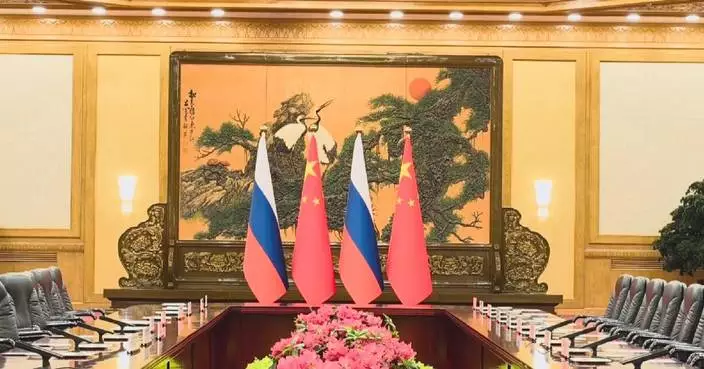
Chinese Commerce Minister Wang Wentao urged expanded communication channels and continued commercial cooperation between China and the U.S. despite global uncertainties during a meeting with a delegation of the U.S.-China Business Council (USCBC) on Monday.
During the talks, Wang said that China hopes U.S. companies investing in the country will share issues they encounter while operating in the Chinese market.
"Today, I'd like to hear your thoughts on the next steps for China-U.S. economic and trade relations, as well as the issues, suggestions, and requests you have as companies investing here," he said.
As global supply chains shift and geopolitical tensions persist, the U.S. business community is calling for predictable policies and open channels of communication, according to the business leaders attending the meeting.
"Consistent pragmatic communication between Washington and Beijing remains essential, and it provides businesses in both countries with the clarity and the confidence needed to operate effectively and compete fairly and plan for sustainable growth," said Rajesh Subramaniam, chair of the USCBC and CEO of FedEx Corporation.
"So we don't believe that anyone ever wins trade wars. So, what we consistently advocated for all parties is to avoid escalatory actions. We also think that it's very important to have transparent and readily accessible tariff exemption mechanisms," said Sean Stein, president of the USCBC.
Calling the delegates "old friends," the Chinese commerce minister said China remains confident in the trajectory of China-U.S. economic ties, describing the relationship as "dynamically stable."
China's commerce minister meets U.S. business leaders, urges deeper cooperation