The regional semifinals, better known as the Sweet 16, are up next in the NCAA Tournament.
The fun restarts Thursday, and here are 16 numbers to know to help you get ready:
Duke is the seventh straight No. 1 overall seed to advance to the Sweet 16. The Blue Devils also were the overall No. 1 in 2019 and 2025.
National championships won by UConn's Alex Karaban, the only player remaining from the Huskies' 2023 and 2024 title teams.
Number of times border rivals Iowa and Nebraska will square off this season. The Hawkeyes won 57-52 in Iowa City on Feb. 17 and the Cornhuskers won 84-75 in overtime in Lincoln on March 8. This will be the biggest of the 45 all-time meetings.
Average 3-pointers per game by Iowa State sharpshooter Milan Momcilovic, who leads the nation in accuracy from deep at 49.3%.
All five Michigan starters scored in double figures in a second-round win over Saint Louis, the first time that's happened in 59 games since a win at Southern California last season.
30-point games by Arkansas freshman Darius Acuff Jr., most among players in the Sweet 16. He had 36 in a second-round win over High Point.
Houston's consecutive appearances in the Sweet 16, the longest active streak. The Cougars are still looking for their first national championship after losing in the 2025 title game.
30-win seasons for Arizona. The Wildcats would match their single-season record of 35 wins if they beat Arkansas.
Average assists per game by Braden Smith of Purdue. Smith has had at least a dozen assists in eight games, including a career high-matching 16 against Northwestern in the Big Ten Tournament. He holds the NCAA career record with 1,083.
Illinois' appearances in the Sweet 16, including two in the last three years. The Illini haven't won a regional since 2005, when they reached the national championship game.
Texas' seed, making the Longhorns the highest-seeded team in the Sweet 16 since Princeton made it as a No. 15 in 2023. The Longhorns are the sixth First Four team, and first since 2021, to advance this far.
Alabama has made at least a dozen 3-pointers in 21 games. The Crimson Tide hit 19 in a 90-65 second-round win over Texas Tech.
Duke's consecutive wins, the nation's longest active streak. The Blue Devils also have had 10- and 11-game winning streaks this season.
Sweet 16 appearances for St. John's coach Rick Pitino in 25 career NCAA Tournaments. It's the Red Storm's first regional semifinal since 1999.
Tennessee's average offensive rebounds per game, most among remaining teams. The Volunteers are grabbing 45% of the possible rebounds on their offensive end, on track to be the third-highest rate in the nation since 2000, according to KenPom.
Iowa State's turnovers forced per game, most among remaining teams. Tamin Lipsey leads the Big 12 Conference with 76 steals and is the Cyclones' career leader.
This story has been corrected to show that the year of Illinois' most recent regional title was 2005, not 1989.
AP March Madness bracket: https://apnews.com/hub/ncaa-mens-bracket and coverage: https://apnews.com/hub/march-madness
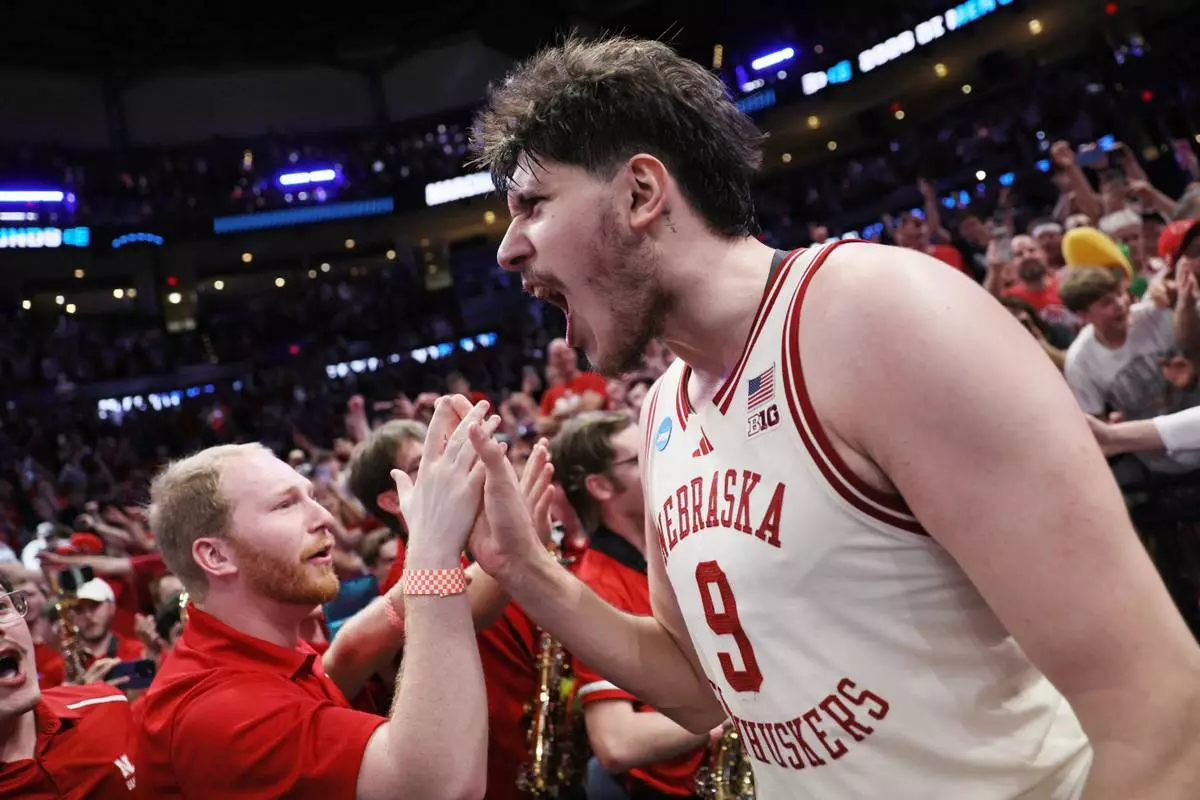
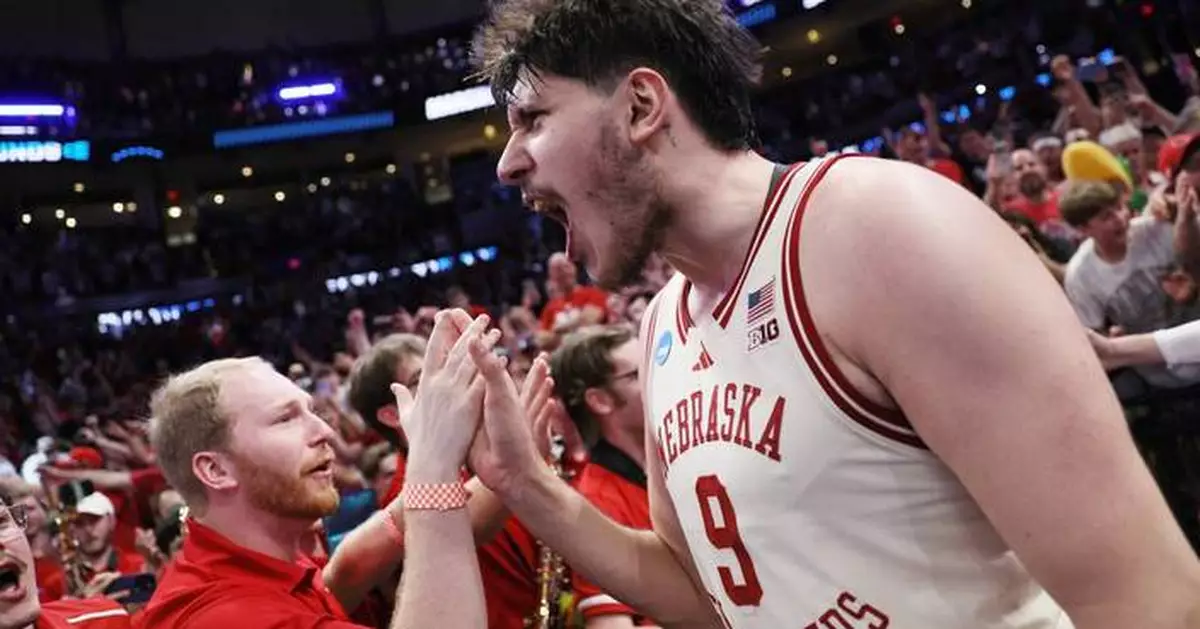
Nebraska forward Berke Buyuktuncel (9) celebrates with fans after a game against Vanderbilt in the second round of the NCAA college basketball tournament, Saturday, March 21, 2026, in Oklahoma City. (AP Photo/Nate Billings)
MIAMI (AP) — The federal trial of a former Miami congressman accused of secretly lobbying for Venezuela's government during the first Trump administration begins Monday with Secretary of State Marco Rubio set to testify over his interactions with his old friend.
Prosecutors allege David Rivera was a hired gun for former President Nicolás Maduro, leveraging Republican connections from his time in Congress to push the White House to abandon its hard line on Venezuela’s socialist government.
Rivera, who at one time had been Rubio's roommate in Florida, allegedly persuaded then Foreign Minister Delcy Rodríguez — now Venezuela’s acting president — to award him a $50 million lobbying contract to be paid by state oil company PDVSA. As part of the alleged foreign influence campaign, prosecutors say Rivera was aided by Texas Republican Rep. Pete Sessions and a convicted Cali cartel associate as he sought meetings with the White House and Exxon Mobil on Maduro’s behalf.
The trial offers a rare glimpse into the often unseemly role Miami — long a haven for exiles, corruption and anti-communist crusaders — plays in shaping U.S. policy in Latin America. As such, it is perhaps fitting that Rubio, Miami's most prominent politician, is set to take the stand Tuesday about his meetings with Rivera while the former congressman and an associate were allegedly helping Maduro mount a charm offensive in Washington.
Also likely to face scrutiny is Rodríguez, who relied on Rivera to set up meetings in New York, Caracas, Washington and Dallas in a bid to build U.S. support for normalizing relations with Venezuela — an effort that failed at the time but now appears within reach, albeit on unequal terms, following Maduro’s ouster and the ascent of his more pragmatic aide.
“This case is about two things: greed and betrayal,” prosecutor Roger Cruz said in his opening statement Monday. "The evidence will show that for $50 million these two defendants made a pact to secretly lobby for Nicolás Maduro, the communist director, and his second in command Delcy Rodriguez.”
An 11-count indictment, unsealed in 2022, charges Rivera and Miami political consultant Esther Nuhfer with money laundering and failing to register as a foreign agent.
Prosecutors allege that to hide their work, Rivera set up an encrypted chat group called MIA — for Miami — with his main conduit to the Maduro government: Venezuelan media tycoon Raúl Gorrín, who was subsequently charged in the U.S. with bribing top Venezuelan officials.
Members of the group used playful code words to discuss their activities: Maduro was the “bus driver,” Sessions “Sombrero,” and millions of dollars “melons,” according to prosecutors.
Rivera, 60, denies wrongdoing. His attorneys counter that his one-man firm, Interamerican Consulting, was hired by an American subsidiary of Venezuela’s state-owned oil company — not PDVSA itself — and therefore did not need to register as a foreign agent.
His consulting work, they say, was focused on positioning Venezuelan-owned Citgo in the U.S. energy industry and was wholly distinct from his peacemaking efforts, which involved working with Maduro's opponents to usher in leadership less hostile to the U.S.
But plaintiffs in a parallel civil case accuse Rivera of doing little of the promised work and using the contract as cover for illegal lobbying. Of the roughly $20 million he received, $3.75 million went to a South Florida company that maintained Gorrín’s luxury yacht.
Rubio’s expected testimony is highly unusual — not since Labor Secretary Raymond Donovan testified at a mafia trial in 1983 has a sitting member of the president’s Cabinet taken the stand in a criminal trial.
While Rubio isn't charged and there's no indication in the indictment that he acted improperly as a senator at the time, prosecutors say Rivera viewed him as a key ally in his outreach to the White House. For Rubio, prosecutors said in a pre-trial hearing last week, contact with Gorrín offered a backchannel to Caracas at a time U.S. authorities had detected a possible death threat against him from Venezuelan socialist party boss Diosdado Cabello.
Rivera and Rubio met at the senator's Washington home on July 9, 2017, according to the indictment. Rivera, the indictment says, told Rubio that he was working with Gorrín, who had persuaded Maduro to accept a deal in which he would hold free and fair elections.
“Remember, U.S. should facilitate, not just support, a negotiated solution,” Rivera texted Rubio two days later as the senator was set to meet Trump, the indictment says. “No vengeance, reconciliation.”
Following a second meeting between Rubio, Rivera, Gorrín and others, Rivera remarked in the chat that the bus driver — Maduro — would have to pay him for setting up the meeting with Rubio. Without the senator's support, Rivera said, there would be “no turkey,” he wrote.
The outreach quickly unraveled, however. Later that month, Trump sanctioned Maduro and labeled him a “dictator,” launching a “maximum pressure” campaign to unseat the president. Rubio took to the Venezuelan airwaves to press the White House's agenda.
“For Nicolás Maduro, who I am sure is watching, the current path you are on will not end well for you,” Rubio said July 31, 2017, in a rare 10-minute address to the Venezuelan people that aired on Gorrín's network.
The State Department declined to comment.
After the contract was signed, Rivera and Gorrín arranged a meeting in New York City between Rodríguez, then foreign minister and a PDVSA board member, and Sessions, whose Dallas-area district included Exxon's headquarters.
Later, Sessions tried to broker a meeting for Rodríguez with Darren Woods, who had succeeded Trump's then Secretary of State Rex Tillerson as CEO of Exxon. Rodríguez was looking to resolve a long-running investment dispute and lure Exxon back to Venezuela in order to revive the OPEC nation’s collapsing oil industry. The meeting never happened as Exxon rebuffed the outreach.
Almost a year after helping Rivera make inroads with Exxon, Sessions secretly traveled to Caracas for a meeting with Maduro arranged by Gorrín and Rivera, the indictment says. As part of the effort, Sessions also agreed to deliver a letter from the Venezuelan president to Trump.
The defense team also wanted Maduro and White House chief of staff Susie Wiles to testify. Maduro, through a lawyer, said he would invoke his constitutional right to remain silent if compelled, while prosecutors successfully quashed an attempt to subpoena Wiles, who was a registered lobbyist for Gorrín’s Globovision network at the same time the media magnate was working with Rivera.
Before being elected to Congress in 2010, Rivera was a high-ranking Florida legislator. During that time he shared a Tallahassee home with Rubio, who eventually became Florida House speaker.
Rivera has previously faced controversy, including allegations he secretly funded a Democratic spoiler candidate in a 2012 congressional race. Last year, federal prosecutors dropped the case after an appeals court threw out a sizable fine imposed by a lower court. Rivera was also investigated — but never charged — for campaign finance violations and a $1 million contract with a gambling company while serving in the Florida legislature.
Rivera has denied any wrongdoing and said both investigations were politically motivated.
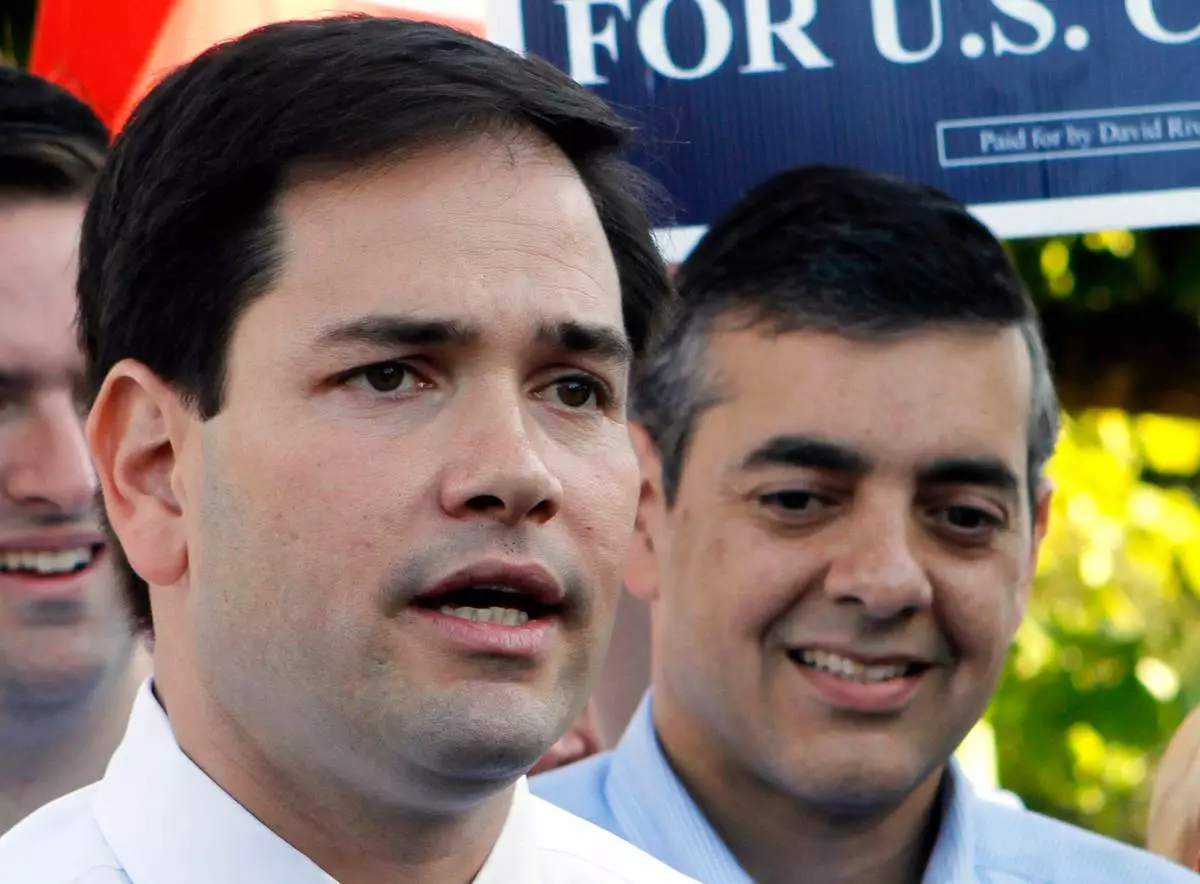
FILE - Then Republican U.S. Senate candidate Marco Rubio, left, accompanied by then Republican candidate for Congress David Rivera, talks to reporters in Miami, Oct. 20, 2010. (AP Photo/Alan Diaz, File)
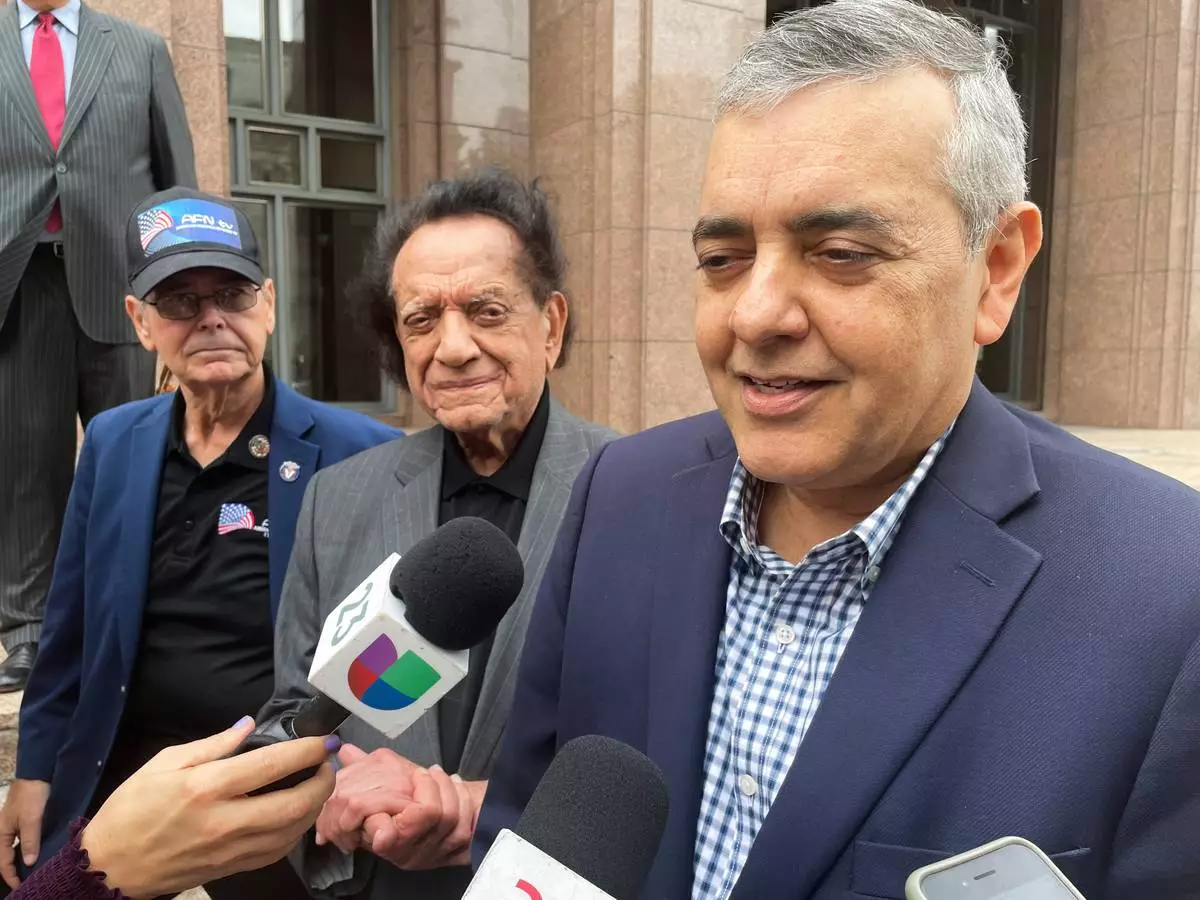
FILE - Former U.S. Rep. David Rivera speaks with media outside a federal court in Miami, Dec. 20, 2022. (AP Photo/Joshua Goodman, File)