The "maximum pressure" policy exerted by the United States against Cuba is inflicting severe hardship on the Cuban people, with the energy sector and basic social services bearing the brunt.
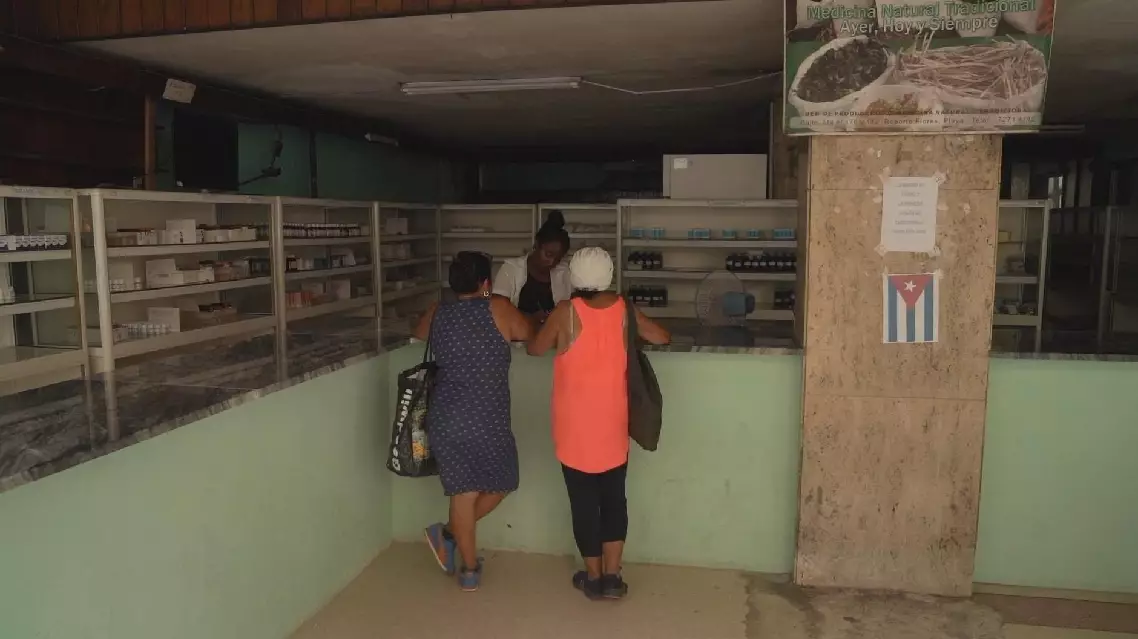
On the island, with no fuel imports for three months, blackouts have become increasingly prolonged. The lack of electricity has led to a cascade of hardships: elevators out of service, food spoilage due to inadequate refrigeration, severe transportation shortages, and a scarcity of basic supplies and medicines.
"You cannot threaten. No one can threaten anyone, because no one will yield to anyone. We are free," said Reinaldo La Reyes, a Cuban citizen.
The energy blockade imposed by the United States is taking a heavy toll on daily life in Cuba. What is intended as geopolitical strategy translates into a variety of harsh realities: buses running hours behind schedule, parents walking miles because there is no transportation, families cooking with charcoal or firewood, and students seeing their academic performance, and worse, their future affected by the limitations placed on their education and healthy development.
"The people can't take it anymore. The people can't take it anymore. What worries me most? I'll be clear with you. Not me, I'm 47 years old, and I've already lived what I've had to live through. What worries me most is those young people, 13, 14 years old, who have nowhere to go, sometimes nothing to eat. And the mothers who have three or four children for whatever reason, who have no money, who can't go to work," said Alberto Perez Vargas, another Cuban citizen.
"This crisis we have now in Cuba has never, never, never existed before. We are struggling, especially with health care, because many children and families are suffering due to electricity problems. Without it, hemodialysis can't be done. And children with cancer are suffering because they don´t have medicine," said Mayelin Blanco, a Cuban citizen.
Recent U.S. pressure on Cuba has triggered not only political tensions but also concrete shifts in the region's diplomatic landscape. Moreover, Washington's "maximum pressure" policy toward Havana has consequently taken a heavy toll on a significant source of financial income for many Cubans and for the government's governance.
In this context, U.S. President Donald Trump's statements about a possible "takeover" of Cuba land as a mix of threat and mockery. Official responses from Havana denounced the U.S. asphyxiation trick, accusing the Trump administration of using fuel as a weapon in an attempt to bring the country to its knees through hunger and power outages.
Amid the diplomatic tensions, citizens are making their position clear: they want dialogue, but it must be conducted with mutual respect and on equal footing.
"Yes, I am one of those who think we need to seek talks, diplomacy, dialogue, but with the concept of equality for both, respect for both sides. And that both sides benefit from those talks, which I think are very necessary right now," said Julian Rodriguez Labanino, a retired Cuban citizen.
"I think yes, we need to sit down and talk, I always say, with respect between the two countries. And I think yes, I think it can be achieved," said Blanco.
Amid the severe crisis, Cuban authorities have rejected U.S. threats while reaffirming their willingness to engage in dialogue. Meanwhile, millions of Cubans remain caught between uncertainty and anticipation, awaiting whether this new chapter will lead to further confrontation or tangible change.
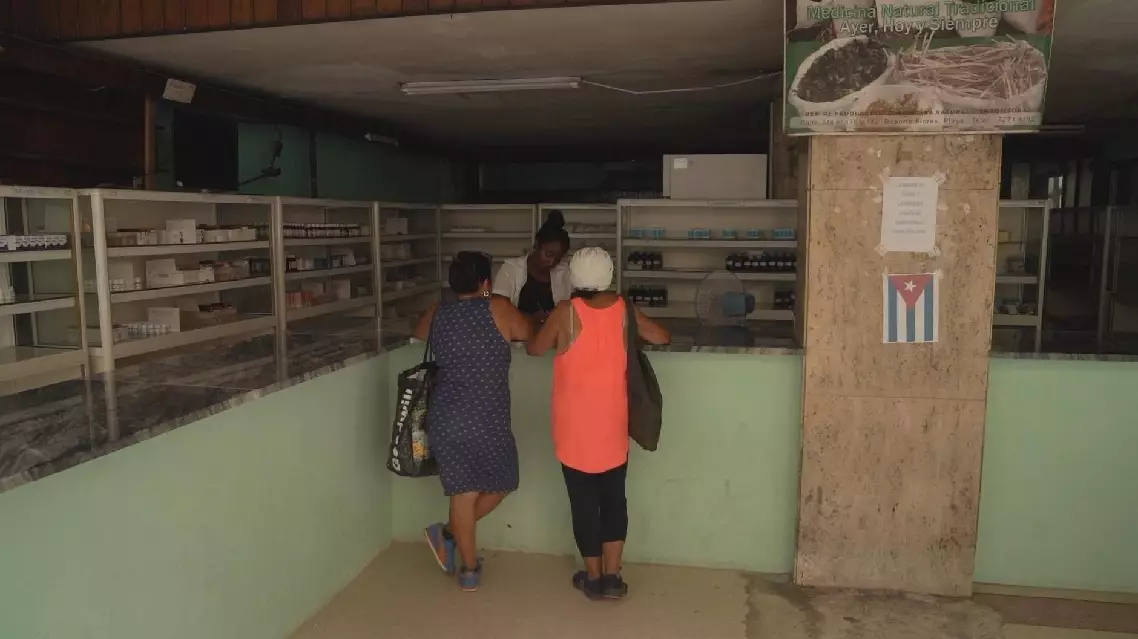
U.S. energy blockade impacts daily life in Cuba
U.S. energy blockade impacts daily life in Cuba