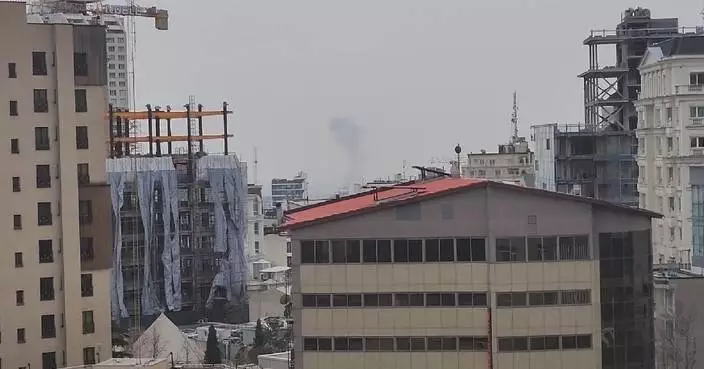
International energy prices experienced dramatic volatility during trading on Monday, driven by conflicting signals from the United States and Iran regarding potential dialogue.
In early trading, crude oil prices extended gains amid ongoing tensions in the Middle East.
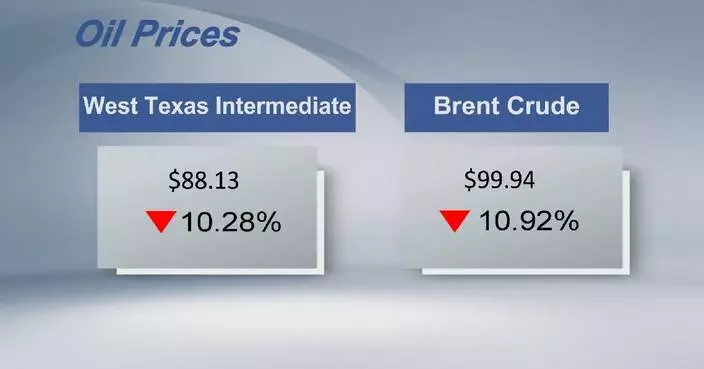
Brent crude futures rose above 113 U.S. dollars per barrel. Later, U.S. President Donald Trump said that the United States and Iran had engaged in "very good and productive" talks over the previous two days, adding that the United States would "delay by five days" a strike on Iranian power stations. Following the remarks, London-traded Brent crude plunged more than 10 percent, falling below the 100 U.S. dollars per barrel mark.
However, Iran quickly denied any contact with the United States, reigniting market jitters and pushing Brent prices back to around 105 U.S. dollars per barrel, narrowing losses to approximately 6 percent. By the afternoon, prices weakened again, retreating to near 101 U.S. dollars per barrel.
European natural gas markets followed a similar trajectory.
The Dutch Title Transfer Facility (TTF) April gas futures contract, the benchmark for Europe, rose above 63 Euros per megawatt-hour in early trading before plummeting to around 54 Euros following Trump's comments. After Iran's denial, prices rebounded to roughly 56 Euros per megawatt-hour.
U.S. oil markets also saw sharp fluctuations.
The West Texas Intermediate (WTI) crude futures contract for May delivery on the New York Mercantile Exchange fell from above 98 U.S. dollars per barrel to as low as 84.37 U.S. dollars per barrel at one point during the session.
Analysts noted that energy markets remain highly sensitive to geopolitical developments, with short-term price movements likely to hinge on the outcome of ongoing brinkmanship among the parties involved. Should tensions flare up again, economies heavily dependent on energy imports—particularly in Europe—could face heightened imported inflationary pressures.
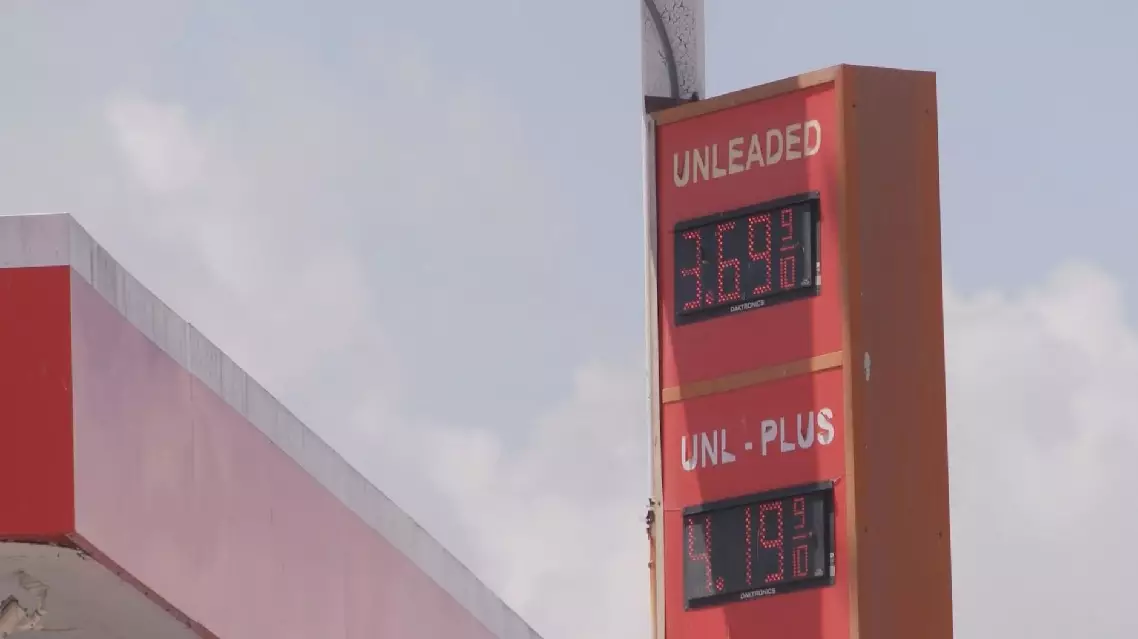
Statements from US, Iran cause sharp fluctuations in energy futures prices