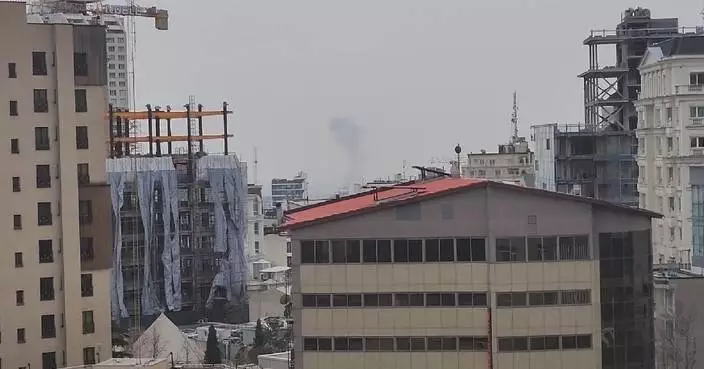
Heightened volatility in global oil markets, triggered by the closure of the Strait of Hormuz as Middle East tensions escalate, could spell significant uncertainty for Hong Kong's economy if it persists, industrial experts warned.
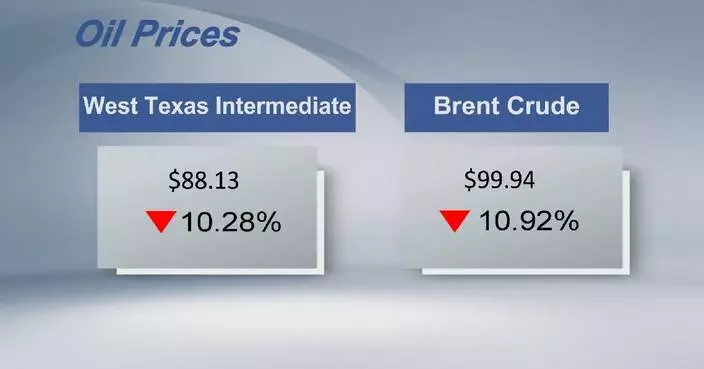
While the Strait of Hormuz -- the only maritime passageway from the Persian Gulf to the open sea, through which more than a quarter of the world's seaborne oil and roughly one-fifth of global liquefied natural gas (LNG) shipments are transported -- has never been fully or permanently closed, every strategic tremor in the region has registered on global price charts.
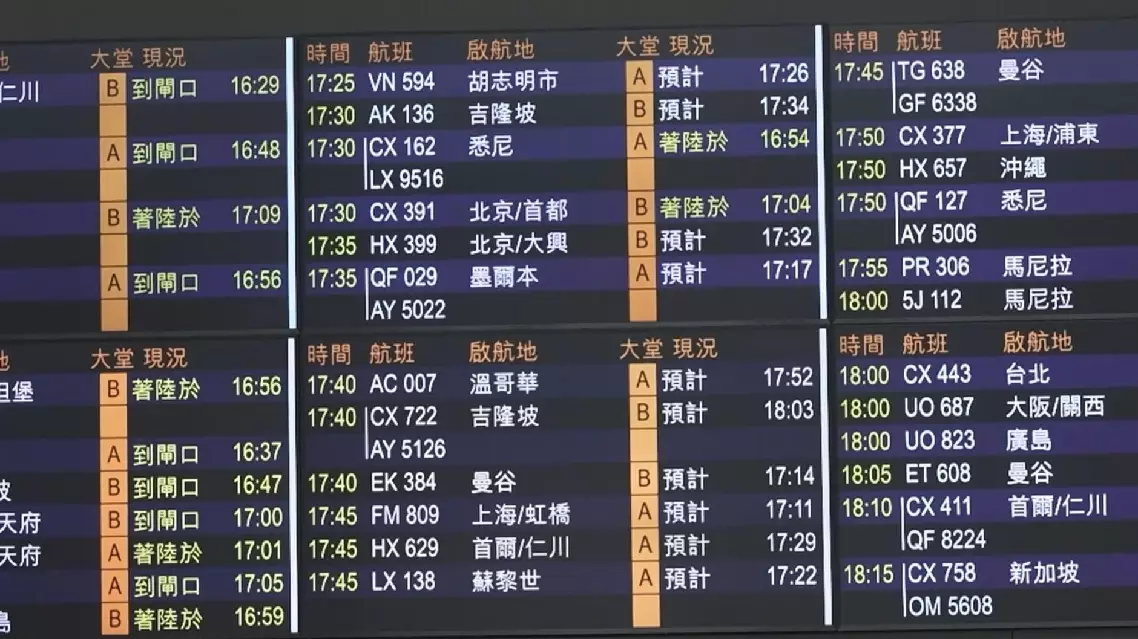
The sharp surge in oil prices has already begun to impact consumers in various ways. Cathay Pacific Airways, raised its fuel surcharges on March 18, with long-haul routes seeing hikes of around 100 percent. The airline has also extended its suspension of flights to Riyadh and Dubai through the end of April.
Hong Kong Airlines and Greater Bay Airlines have likewise increased their fuel surcharges. Rising oil prices, coupled with disruptions in the Strait of Hormuz, are pushing up shipping costs and causing delays across global logistics networks.
Meanwhile, Hong Kong stocks have been fluctuating between gains and losses, as investors grapple with heightened volatility in oil markets.
Still, experts said there may be opportunities as well: Hong Kong could benefit from its position as an aviation hub. With Middle Eastern airlines operating at reduced capacity, the city may be able to capture a larger share of transit passenger traffic.
In addition, Hong Kong holds appeal as a safe-haven destination. As investors focus on diversification and security, the ongoing Middle East conflict could drive capital flows into the Asian financial hub.
"If you look in the financial industry, it is possible that some investors may try to seek a safe haven away from the Middle East. And for that aspect, Hong Kong also has some chances of attracting some of this investment into the city," said Gary Ng, senior economist at Natixis Corporate and Investment Bank.
But concerns remain over a potential recession and inflation. Experts suggested that the negative effects of the Middle East conflict on Hong Kong may outweigh the benefits.
【同期2】 GARY NG Senior Economist, Natixis Hong Kong "Globally, if we start to see commodity prices -- be it oil, food, etc -- going up, then definitely it can hike prices in Hong Kong. Inflation pressure will actually go higher and that can eventually hurt demand from consumers and also, businesses," said Gary Ng.
Much will depend on the duration of the conflict, experts said. They warned that if tensions in the Middle East persist, Hong Kong will not be able to remain unscathed in the face of such a global storm.
HK faces mixed fortunes amid heightened market volatility fueled by Mideast conflict: expert
HK faces mixed fortunes amid heightened market volatility fueled by Mideast conflict: expert