Skip to Content Facebook Feature Image

Soil is the foundation of your garden. Keep it healthy!

TECH

Soil is the foundation of your garden. Keep it healthy!
TECH

TECH

Soil is the foundation of your garden. Keep it healthy!

2026-03-24 12:01 Last Updated At:12:50

We all dream of it: A breathtaking, lush, verdant garden that nourishes our souls and makes us the envy of the neighborhood. And to make that dream come true, our first thoughts tend to focus on plants. But the garden is a structure, and like any structure, it requires a good foundation. That’s where soil health comes in.

Soil is not just “dirt.” It’s a living ecosystem teeming with nutrients, organic matter and billions of organisms like bacteria, fungi, insects and invertebrates like worms. That ecosystem is estimated to be home to 59% of all life, “making it the singular most biodiverse habitat on Earth,” according to a 2023 research article published in the Proceedings of the National Academy of Sciences.

More Images
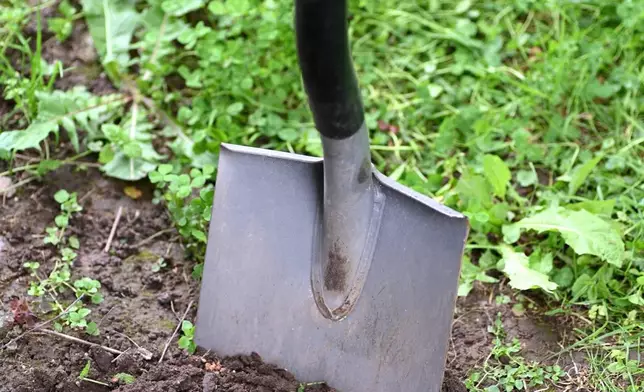
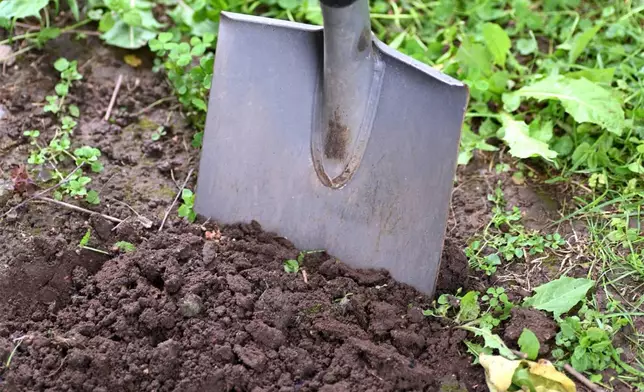
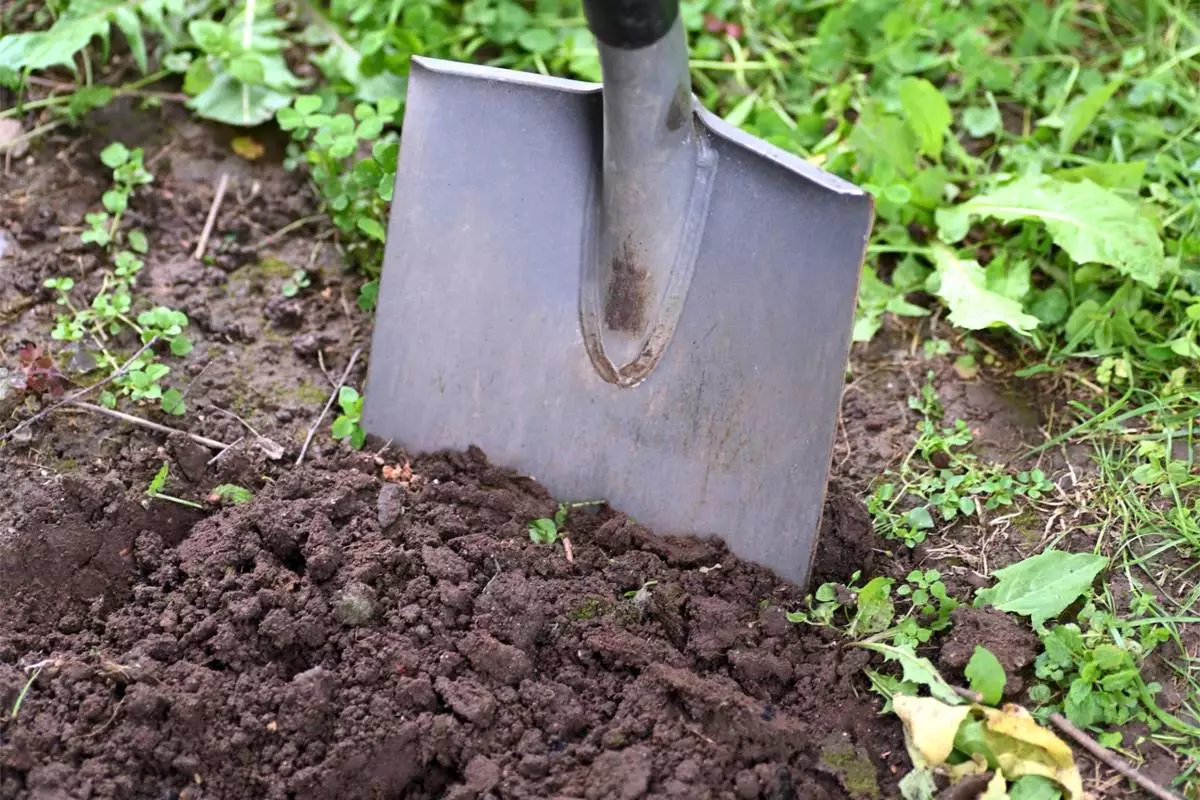
A shovel stands in a lumpy soil bed on Long Island, N.Y., on Sept. 11, 2021. (Jessica Damiano via AP)
A shovel stands in a lumpy soil bed on Long Island, N.Y., on Sept. 11, 2021. (Jessica Damiano via AP)

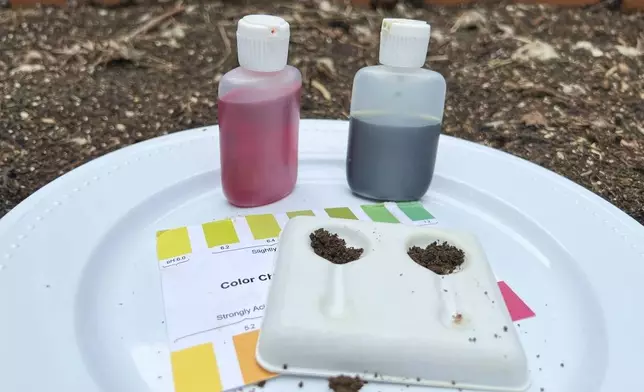
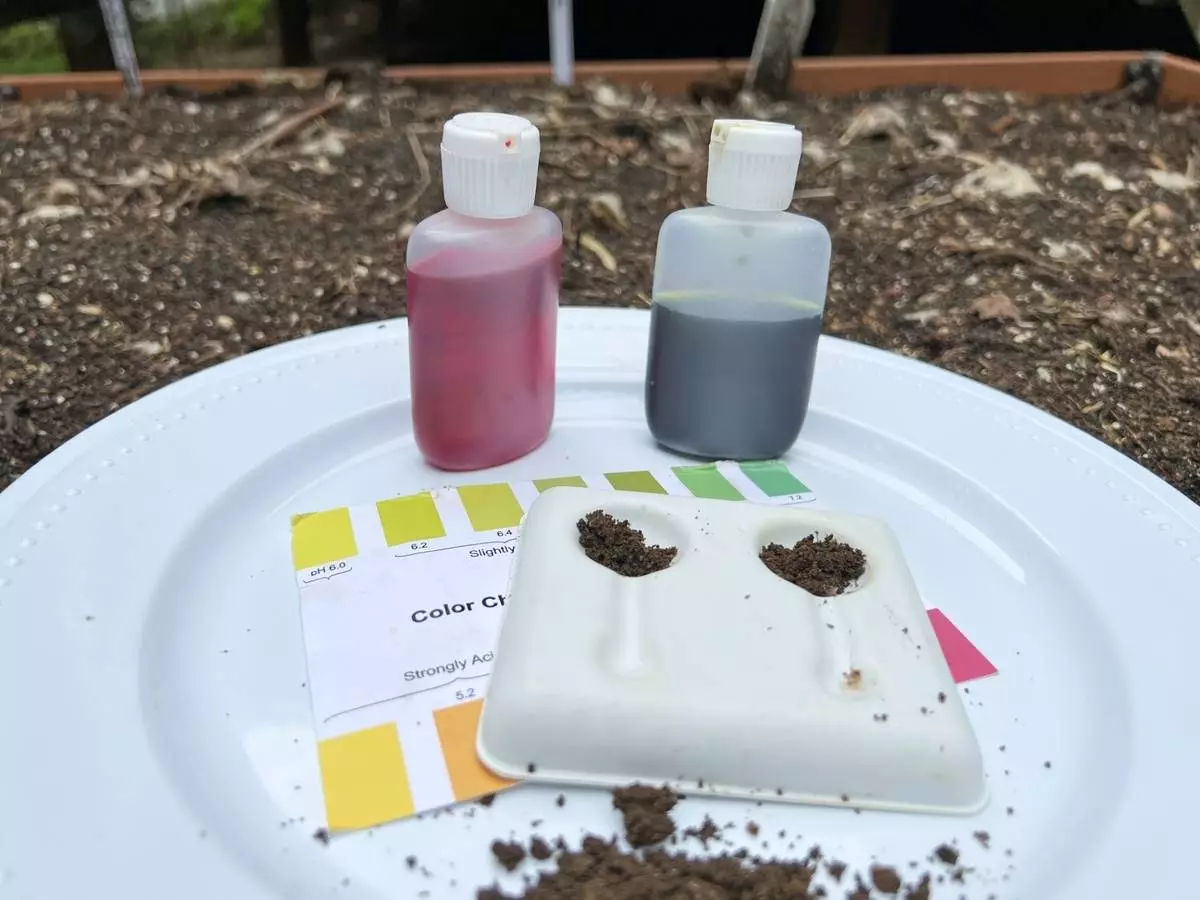
A soil pH test kit is displayed at a home on Long Island, N.Y., on April 27, 2023. (Jessica Damiano via AP)
A soil pH test kit is displayed at a home on Long Island, N.Y., on April 27, 2023. (Jessica Damiano via AP)

A shovel stands in a lumpy soil bed on Long Island, N.Y., on Sept. 11, 2021. (Jessica Damiano via AP)
A shovel stands in a lumpy soil bed on Long Island, N.Y., on Sept. 11, 2021. (Jessica Damiano via AP)

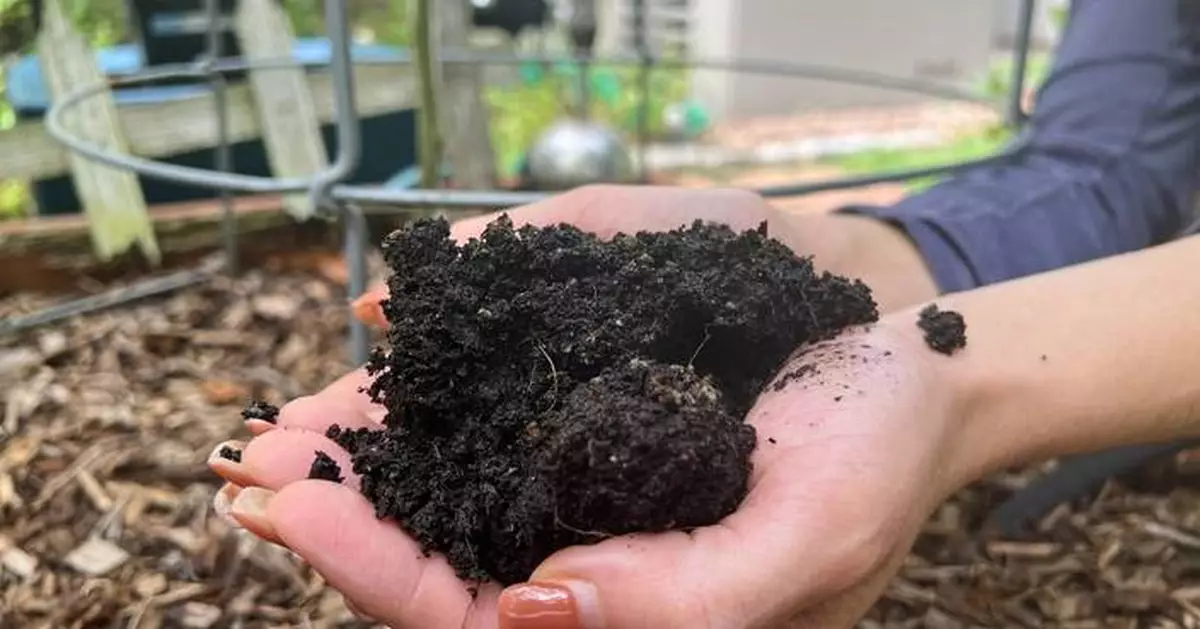
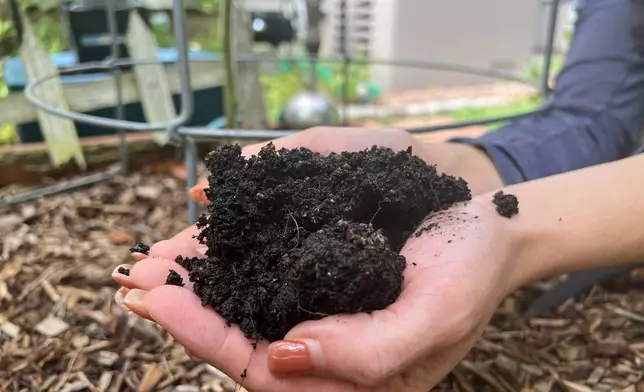
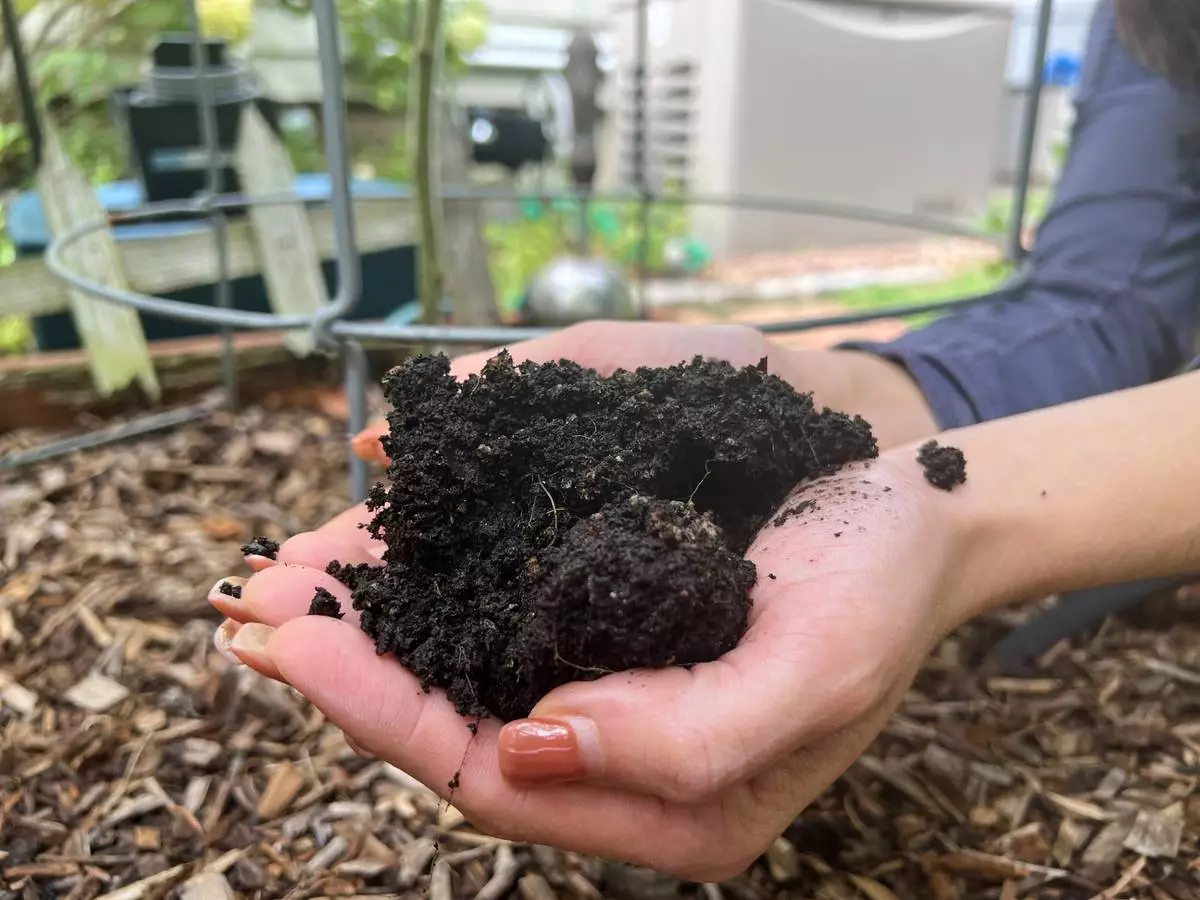
A sample of soil is displayed at a home on Long Island, N.Y., on Aug. 21, 2025. (Jessica Damiano via AP)

A sample of soil is displayed at a home on Long Island, N.Y., on Aug. 21, 2025. (Jessica Damiano via AP)

Soil organisms keep harmful organisms in check, break down organic matter into natural fertilizer, distribute oxygen and aerate the soil to optimize water drainage. Keeping it healthy is paramount to your garden’s success.

Before planting, assess your soil’s structure. Sand drains too quickly, while heavy clay retains too much water. Neither will properly meet most plants’ moisture requirements.

Improve either soil type by spreading 3-4 inches (8-10 centimeters) of compost, leaf mold or well-rotted manure over the area, then use a broad fork to gently turn it in 6-12 inches (15-30 centimeters) deep.

Don’t overdo it; the end result should be lumpy, not powdery.

Aggressive turning or tilling harms microorganisms, kills beneficial insects and earthworms, increases erosion, removes air pockets, releases carbon into the atmosphere and brings dormant weed seeds to the surface, where conditions are perfect for their growth. It also moves nutrient-rich topsoil down, replacing it with less-fertile soil from below.

In subsequent years, simply spread the organic matter over the soil and allow it to work its way down naturally as it decomposes.

What is your soil’s pH level? Each plant type thrives only within a specific pH range. Learn your plants’ target range, then check your soil’s value with a home test kit. If its level is outside the ideal range, raise it by incorporating garden lime or lower it with elemental sulfur, following the dosing directions on the package label.

While you’re at it, check nutrient levels to ensure the soil is rich in nitrogen, phosphorus and potassium — the three essential macronutrients for plant health. The results will guide your fertilizer strategy. You can buy a separate test kit or look for a combination pH-nutrient kit. Both are inexpensive and widely available. Alternately, call your local cooperative extension office; many provide soil tests and guidance for a nominal fee.

For the best results, focus on building soil health slowly rather than relying on quick fixes, which are typically short-lived. This means opting for slow-release fertilizers and organic matter, such as compost, rather than using fast-release synthetic fertilizers. Save fast-release options for emergencies when you need to resolve a nutrient deficiency quickly to save a plant.

Avoid walking on soil in beds, borders and the lawn. Doing so risks compacting the soil, which closes vital air pockets, inhibits water flow and makes it difficult for roots to grow through. Most plants growing in compacted soil will be stunted or otherwise fail to thrive.

Bare soil leads to erosion, nutrient deficiencies, moisture loss and the death of microorganisms. It also rolls out the welcome mat for weeds. Plant something or cover the soil with a thick layer of undyed organic mulch like shredded bark, wood chips, straw or dry leaves.

Spread 2-3 inches (5-8 centimeters) of mulch around plants in beds and borders, too. It will retain moisture, keep soil temperature even and discourage weeds. Just keep it a couple of inches away from plant crowns and stems to avoid rotting.

Jessica Damiano writes regular gardening columns for The Associated Press. She publishes the award-winning Weekly Dirt Newsletter. Sign up here for weekly gardening tips and advice.

For more AP gardening stories, go to https://apnews.com/hub/gardening.
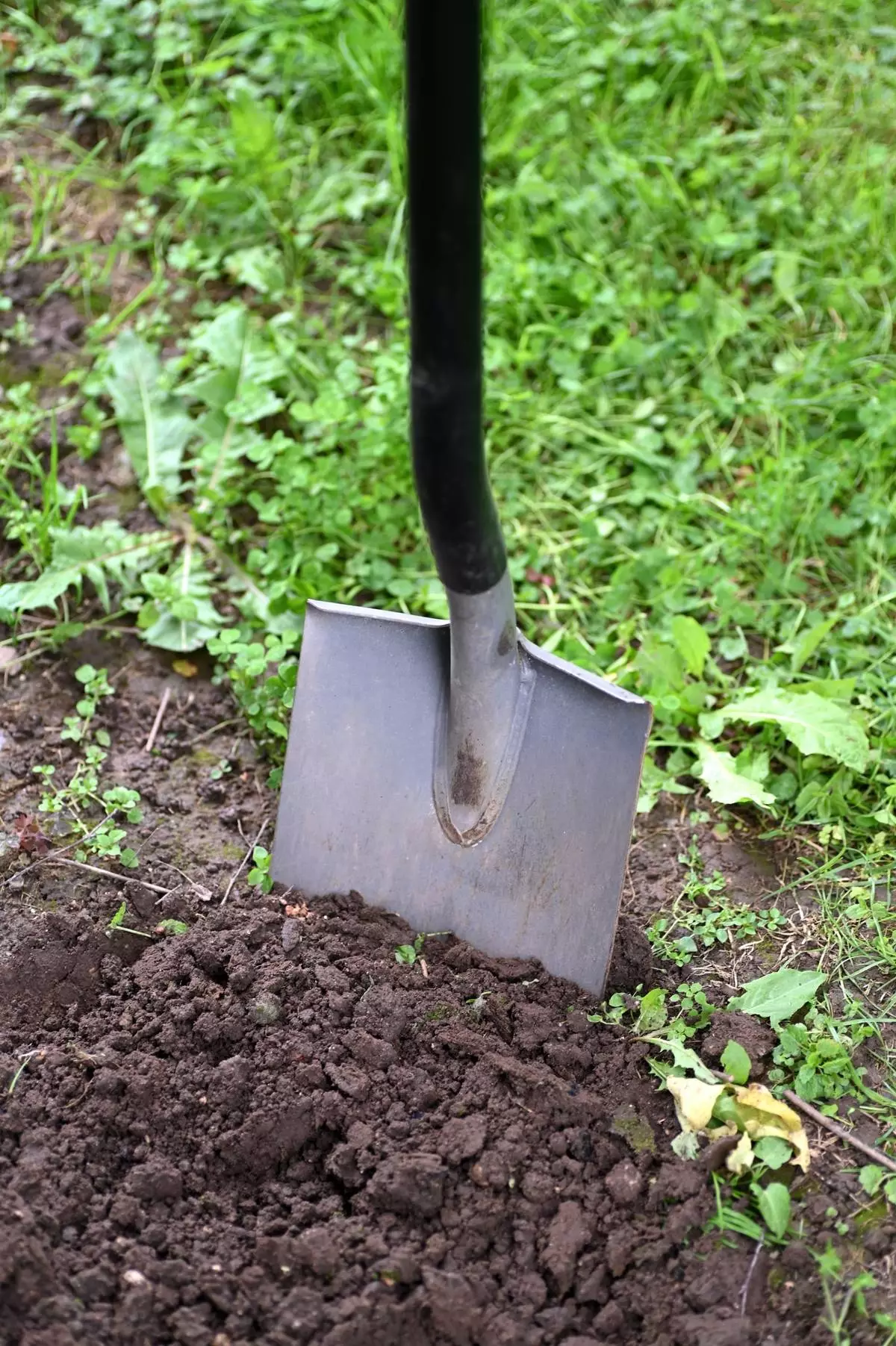
A shovel stands in a lumpy soil bed on Long Island, N.Y., on Sept. 11, 2021. (Jessica Damiano via AP)
A shovel stands in a lumpy soil bed on Long Island, N.Y., on Sept. 11, 2021. (Jessica Damiano via AP)

A soil pH test kit is displayed at a home on Long Island, N.Y., on April 27, 2023. (Jessica Damiano via AP)
A soil pH test kit is displayed at a home on Long Island, N.Y., on April 27, 2023. (Jessica Damiano via AP)

A shovel stands in a lumpy soil bed on Long Island, N.Y., on Sept. 11, 2021. (Jessica Damiano via AP)
A shovel stands in a lumpy soil bed on Long Island, N.Y., on Sept. 11, 2021. (Jessica Damiano via AP)

A sample of soil is displayed at a home on Long Island, N.Y., on Aug. 21, 2025. (Jessica Damiano via AP)
A sample of soil is displayed at a home on Long Island, N.Y., on Aug. 21, 2025. (Jessica Damiano via AP)

MELBOURNE, Australia (AP) — The European Union and Australia on Tuesday agreed on the final text of a free trade agreement, some two years after negotiations broke down over Australian demands for more red meat market access and complaints about Australian products labeled with traditionally European names such as prosecco.

The breakthrough comes as both the EU and Australia seek to diversify their trading networks and reduce their economic reliance on China and exposure to uncertain U.S. tariffs.

European Commission President Ursula von der Leyen and Australian Prime Minister Anthony Albanese signed the agreement at the Australian Parliament House after protracted negotiations that began in 2018. The leaders said the pact demonstrated that both sides benefitted from rules-based trade.

“Today we are telling an important story to a world that is deeply changing. A world where great powers are using tariffs as a leverage and supply chains as vulnerabilities to be exploited," von der Leyen told reporters.

"In our story, open rules based trade delivers positive some outcomes. Trust matters more than transactions,” she added.

Albanese said the context in which the agreement was reached was an important factor in allowing negotiations that collapsed in October 2023 to restart.

“This is both the European Union and Australia asserting that we believe in free and fair trade, that we understand that trade advances the prosperity of both trading entities who are involved, that it is in our interest to get this done,” Albanese said.

The leaders also announced a new defense partnership that will bring closer military cooperation and the start of negotiations toward Australia becoming an associate of the research and innovation funding program Horizon Europe.

Albanese said the defense partnership would provide a framework for the EU and Australia to cooperate on global challenges, marking as areas of collaboration defense industries, maritime security, cyber security, countering terrorism and combating hybrid threats such as disinformation.

“It shows our shared commitment to global peace and security, including reaffirming our steadfast support for Ukraine in the face of Russia’s illegal full-scale invasion,” Albanese said.

Albanese said the pact also removed tariffs on key Australian exports including wine, seafood and horticulture.

The EU will open two tariff rate quotas of a total of 30,600 metric tons (33,731 U.S. tons) for Australian red meat, with 55% of that duty free.

Under the trade deal, Australian producers of prosecco, traditionally a sparkling wine from northern Italy, will be banned from using the name on exports 10 years after the pact takes effect.

A start date for the pact has not been announced.

The pact will also help the EU secure supplies of critical raw materials including lithium and tungsten.

Hazel Moir, an economist from the Australian National University’s Center for European Studies, said that both the Europeans and Australians were keen to reach a deal in response to U.S. President Donald Trump's push to impose global tariffs.

“What’s changed is all of Trump’s behavior on tariffs. So everyone got nervous and they wanted to do other things,” Moir said.

Moir said it was too soon predict the impact on bilateral trade, as the agreement's full text has not yet been released.

An EU free trade deal with four South American countries will begin on May 1 after more than a quarter-century of negotiations and new global economic uncertainty.

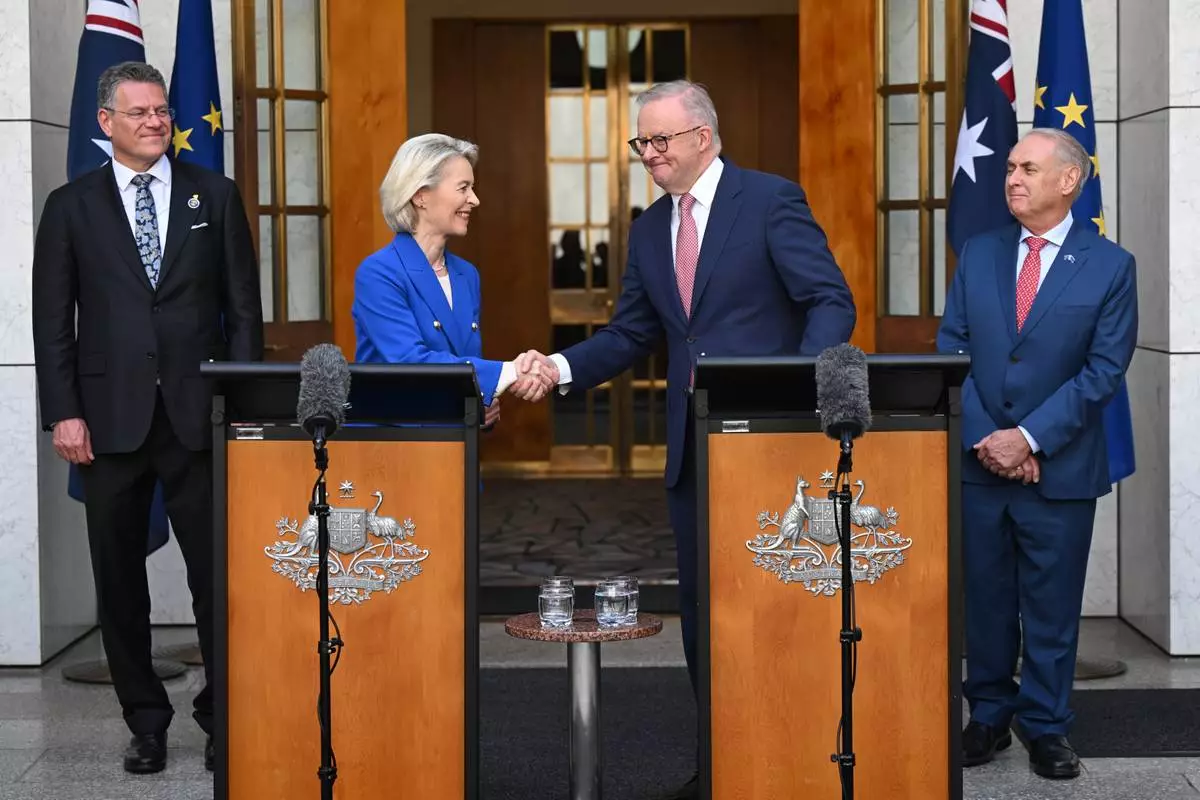
European Commission President Ursula von der Leyen, center left, and Australian Prime Minister Anthony Albanese shake hands after an agreedment on the final text of a free trade agreement at Parliament House in Canberra, Tuesday, March 24, 2026, as EU Commissioner for Trade and Economic Security Maros Sefcovic, left, and Australian Minister for Trade, Don Farrell, right, look on. (Lukas Coch/AAP Image via AP)

European Commission President Ursula von der Leyen, center left, and Australian Prime Minister Anthony Albanese shake hands after an agreedment on the final text of a free trade agreement at Parliament House in Canberra, Tuesday, March 24, 2026, as EU Commissioner for Trade and Economic Security Maros Sefcovic, left, and Australian Minister for Trade, Don Farrell, right, look on. (Lukas Coch/AAP Image via AP)

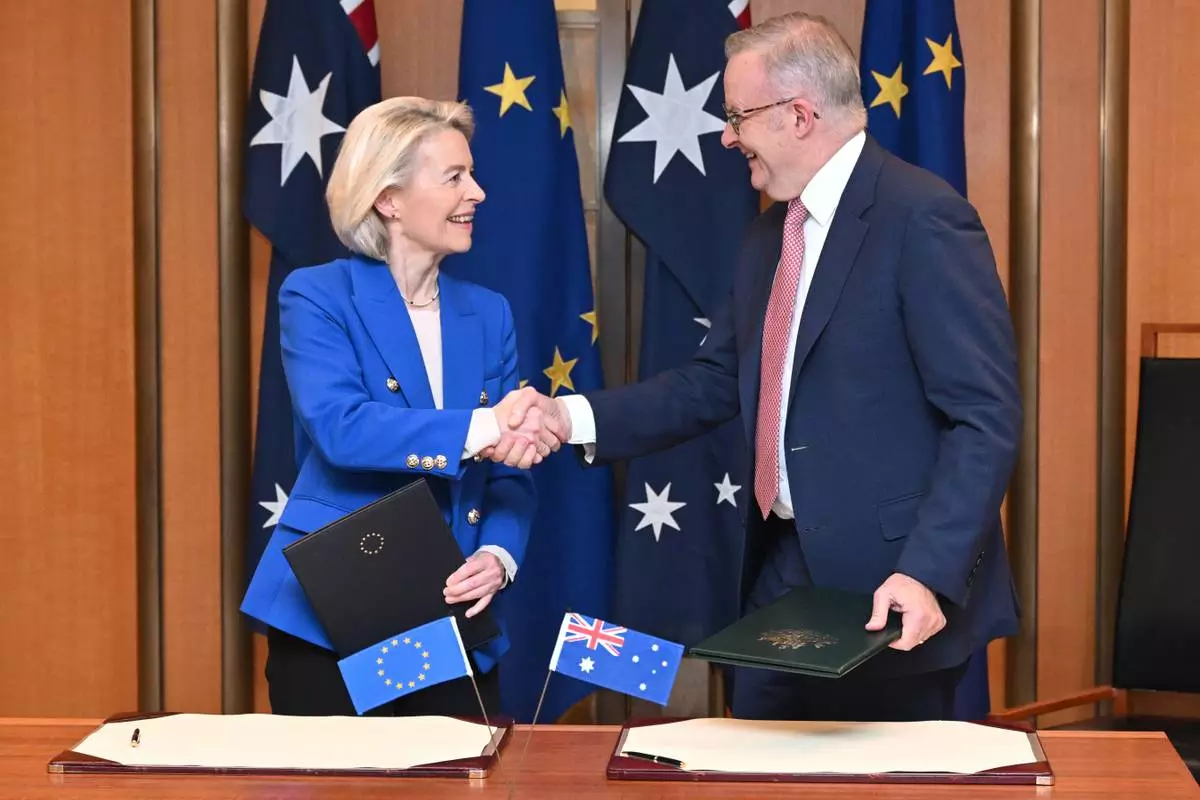
European Commission President Ursula von der Leyen, left, and Australian Prime Minister Anthony Albanese shake hands after signing a joint statement during a ceremony at Parliament House in Canberra, Tuesday, March 24, 2026. (Lukas Coch/AAP Image via AP)

European Commission President Ursula von der Leyen, left, and Australian Prime Minister Anthony Albanese shake hands after signing a joint statement during a ceremony at Parliament House in Canberra, Tuesday, March 24, 2026. (Lukas Coch/AAP Image via AP)

Recommended Articles