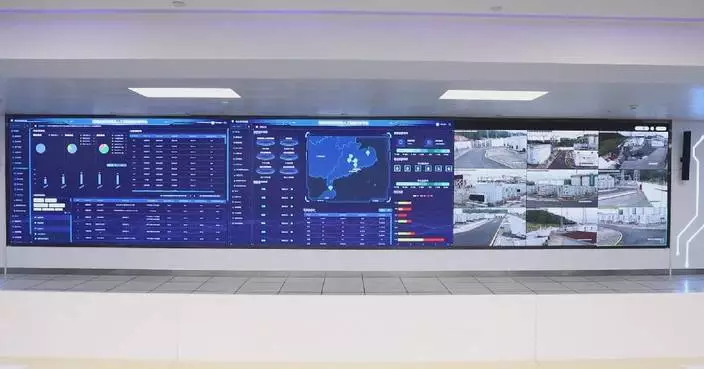
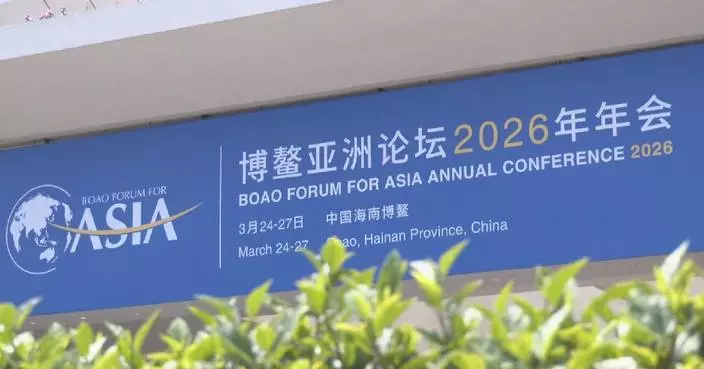
China is set to promote high-quality development of digital economy by making targeted efforts in key areas, said Liu Liehong, director of the National Data Administration, at a press conference in Beijing on Tuesday.
Liu said that during the 14th Five-Year Plan period (2021-2025), the share of the value added of core industries in the digital economy in GDP rose from 7.8 percent in 2020 to over 10.5 percent in 2025, with an average compound annual growth rate of 12.8 percent, far exceeding the GDP growth rate over the same period.
"We will foster digital industrial clusters in a phased manner, leverage the data chain to drive deep integration of innovation chains, industrial chains, capital chains and talent chains, and advance the development of three types of digital industrial clusters -- those that drive innovation, that have become regional pillars, and that have regional characteristics. In cultivating and boosting the development of innovative enterprises in digital economy, we'll work with the National Development and Reform Commission and other relevant departments this year to choose a batch of enterprises that have strong innovation strength and great growth potential to cultivate them as the reserve force, offering them one-stop policy support in terms of computing power, data, scenarios and funding," said Liu.
Liu said that China will also promote city-wide digital transformation, accelerate digital empowerment to improve the quality and efficiency of manufacturing industry, and quicken up the fostering of high-value application scenarios in sectors of logistics, finance, healthcare, and elderly care.
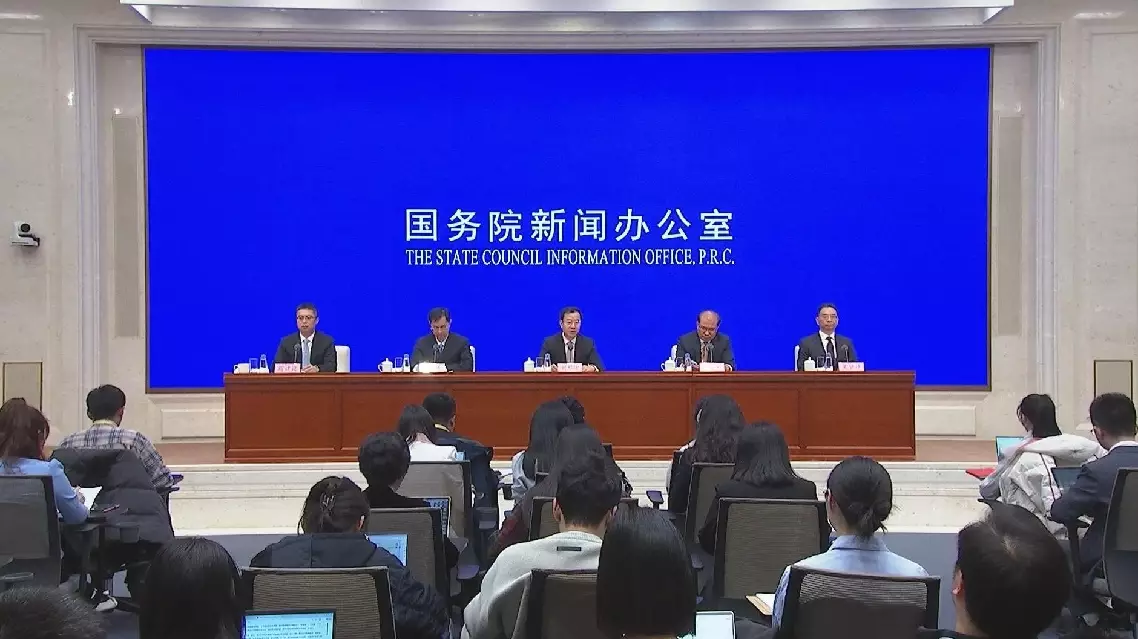
China to promote high-quality development of digital economy
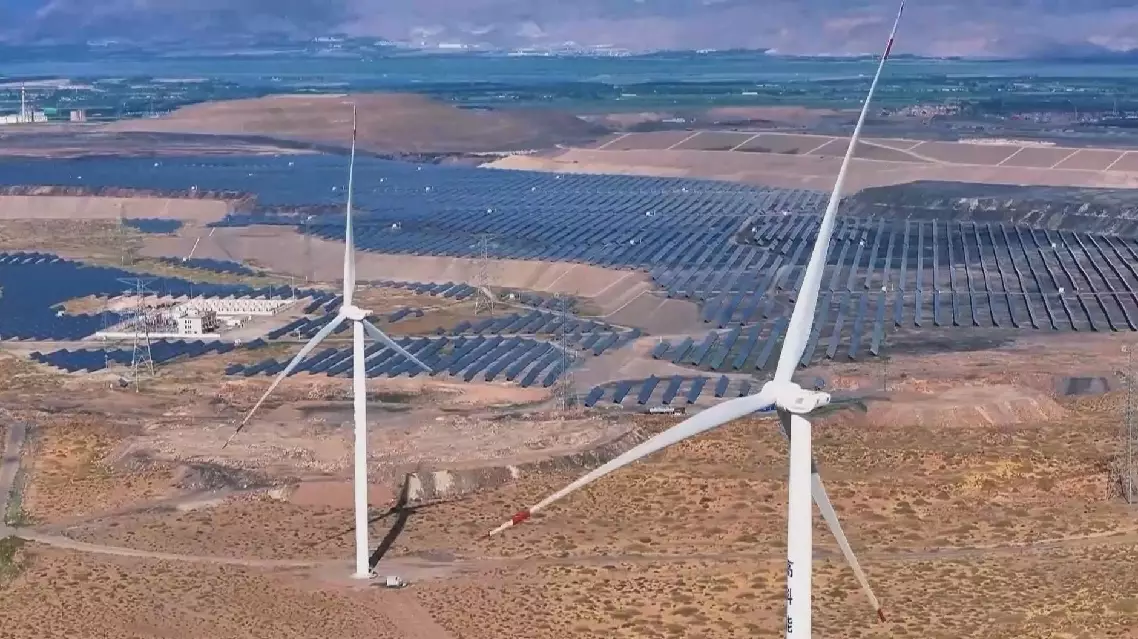
China's green energy transition offers a stable path forward as the world faces an uncertain energy supply landscape which has been plunged into further doubt amid recent geopolitical tensions, global business leaders said on the sidelines of the China Development Forum 2026 in Beijing.
The two-day forum, which wrapped up in the Chinese capital on Monday, brought together senior global business representatives and scholars to explore shared opportunities emerging from China's pursuit of high-quality growth.
The forum also detailed the vision and direction of China's 15th Five-Year Plan period (2026-2030), a key blueprint outlining the country's socioeconomic development goals through to the end of the decade.
It also came against a backdrop of global economic turbulence, with the escalating conflict in the Middle East, along with disruptions to shipping in the Strait of Hormuz, resulting in increasing volatility in oil prices.
Business leaders say that these developments are reshaping the global energy supply landscape and further highlight the value of the new energy industry.
"We've seen now the disruption in fossil fuel. We've seen how incredibly unreliable it is if you're relying on gas, then you face a very uncertain future," said Andrew Forrest, executive chairman and founder of Australian mining giant Fortescue.
"Energy is the life bloodline and support of every business in technology, but I think energy is going to change drastically," said Jack Perry, chairman of the 48 Group which promotes equal and mutually beneficial trade between the United Kingdom and China.
Given the present uncertainty across much of the globe, investors are increasingly shifting their focus to China, whose steadfast push towards green energy is offering not just an alternative, but a more stable path forward in the current choppy waters.
The energy transition is laid out as one of the priorities in the country's latest five-year plan, which proposes accelerating the comprehensive green transformation of economic and social development and emphasizes the building of "a Beautiful China".
"I see a lot in three words which are in that plan, which says: 'a beautiful China'. Now, those three words seem quite innocuous, quite non-important, but they're in fact very powerful because economic development without environmental development is never sustainable," said Forrest.
Many firms who have long-term experience of operating in China are also encouraged by the vast potential of some of the newly emerging sectors, such as electric vehicles and other high-tech innovations, which are likely to serve as future growth drivers.
"We've been invested in China for 170 years continuously. What we see right now is a thriving innovation economy, which is of course EVs and green tech, but increasingly chips and other areas that are [fast developing]," said Bill Winters, Group Chief Executive of Standard Chartered, a British multinational banking firm.
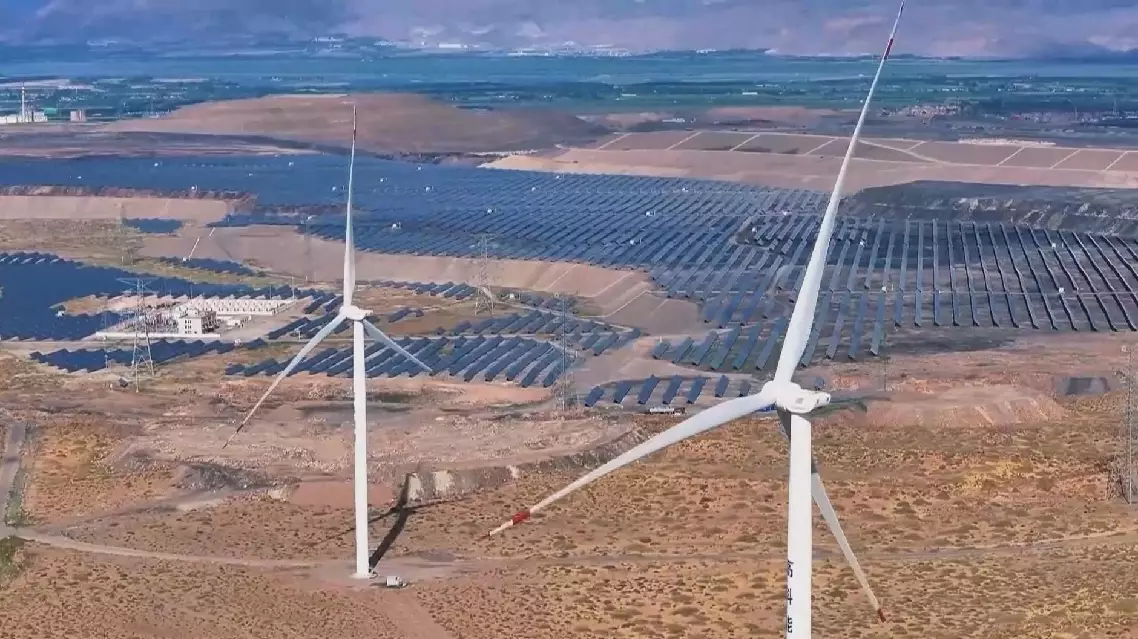
China's green energy transition offers stable path forward amid global uncertainty: business leaders
China's green energy transition offers stable path forward amid global uncertainty: business leaders