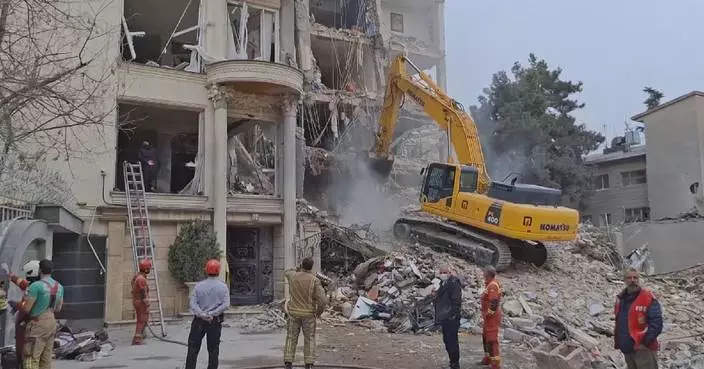
Amid escalating Israeli military strikes across Lebanon that have killed civilians and destroyed critical infrastructure, many Lebanese residents are expressing deep concerns over the worsening situation and condemning the United States and Israel for fueling regional instability.
As violence intensifies in southern Lebanon, large numbers of civilians have been forced to flee their homes. Samih, a local resident, described the uncertainty gripping the nation.
"Most people in southern Lebanon have already evacuated to Beirut and its suburbs. No one knows what will happen next. Israel doesn't know, and neither do other countries. We are living in the unknown. We are living under the shadow of war, and war means anything can happen," Samih said.
Many locals believe that Israel's actions are emboldened by unwavering support from the U.S., a country they believe holds undue power over global affairs.
"Israel relies on American power. They think the U.S. is on their side. But America is not the policeman of the world, and no country can play that role," said Abu, another resident from the affected areas.
Repeated Israeli strikes on civilian sites have also fueled fierce anger and defiance among Lebanese people, who have dismissed Israel's justifications for the attacks and vowed to protect their homeland.
"Attacking civilian targets is an act of cowardice, not a sign of strength. Israel's intentions are crystal clear. They seek to occupy southern Lebanon. If they think they can do it, let them try. We will defend our country to the death," said Ali, another Lebanese resident.
Since the beginning of March, at least 1,021 people have been killed in Lebanon amid the hostilities.
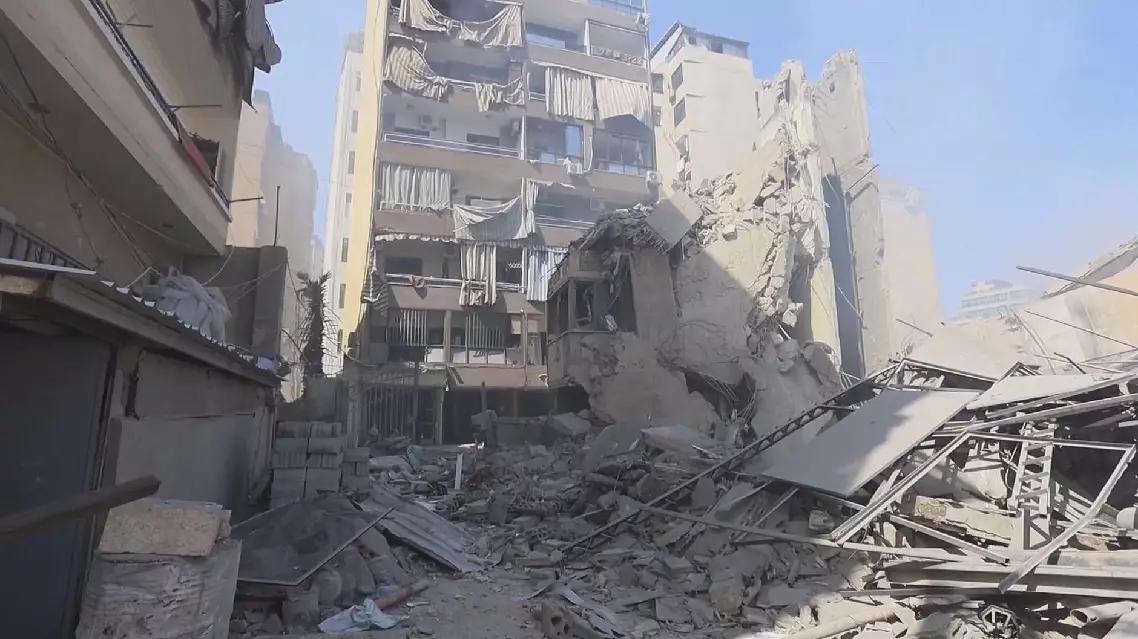
Lebanese residents condemn U.S., Israel as strikes fuel Middle East instability
Japanese experts warned that the government's recent defense moves run counter to pacifism, raising concerns and warranting vigilance, after the country's Self-Defense Forces (SDF) launched a major restructuring on Monday.
Japan's SDF implemented a reorganization of its major units, aimed at strengthening military deployments in certain regions and expanding space and information warfare capabilities.
According to Japan's Ministry of Defense, among the key changes, the Maritime Self-Defense Force (MSDF) has abolished its Fleet Escort Force and Mine Warfare Force, reorganizing them into a Fleet Surface Force to achieve unified command. In addition, an Amphibious Mine Warfare Group has been established under the fleet, integrating minesweepers and transport vessels, with headquarters in Sasebo, Nagasaki Prefecture, Kyushu, in southwestern Japan.
Makoto Konishi, a former SDF member and military analyst, said the move signals the government's intention to make the MSDF more operational in real combat.
"Here, what is being strongly promoted is the strengthening of so-called mobile fleets. The purpose of this restructuring is to enable more efficient use of such fleets. It is not only about improving efficiency — I believe it also reflects an intention to deploy the MSDF as an actual combat force and utilize its capabilities in a more concentrated manner," he said.
In another major change, according to an announcement by Japan's defense ministry earlier in March, the Japan Air Self-Defense Force (ASDF) is set to establish the Space Operations Wing. The Space Operations Group, which currently has approximately 310 personnel engaged in outer space monitoring, among other operations, is expected to be expanded to around 670 personnel as a unit specializing in space.
The ministry also plans to reorganize the ASDF into the Air and Space Self-Defense Force in fiscal year 2026.
Hiroshi Shiratori, a professor at Hosei University, said the changes run counter to pacifist principles and warrant close attention.
"Allocating large-scale budgets in this way while establishing entirely new units that had never been envisioned before suggests that Japan's long-held pacifist stance is undergoing a significant shift," he said.
Shiratori said recent defense-related moves under the Takaichi administration are cause for concern.
"By strengthening the SDF and establishing new units with headquarters in Kyushu, it clearly cannot be said that these moves are unrelated to what Sanae Takaichi has referred to as a 'Taiwan contingency'. Until the administration of Fumio Kishida, Japan had been building a friendly 'strategic relationship of mutual benefit' with China, and under Shigeru Ishiba, Japan-China relations have been based on this framework. Why change this, I find it very regrettable," he said.
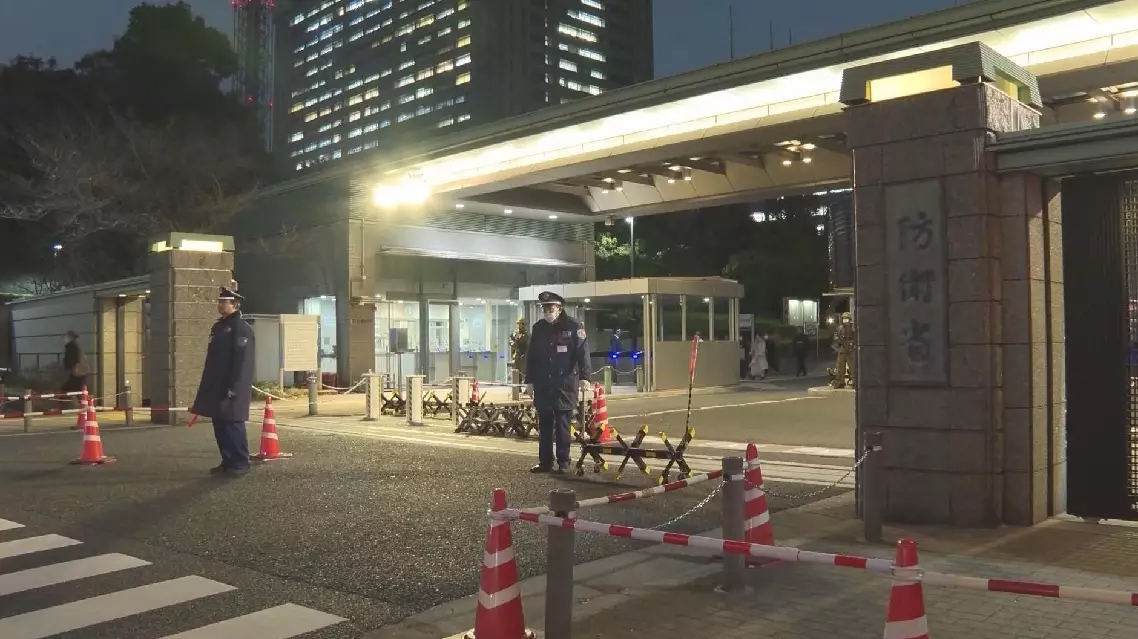
Japanese experts warn shift from pacifism following SDF overhaul