LANCASTER, Pa. (AP) — Two teenage boys who used artificial intelligence to create fake nude photos of their classmates at an exclusive private school in Pennsylvania received probation Wednesday after dozens of victims described the images' traumatizing effect on them.
The boys were 14 at the time. They admitted this month that they made about 350 images, showing at least 59 girls under 18, along with other victims who so far have not been identified.
Click to Gallery
Lancaster Country Day School in Lancaster, Pa., Wednesday, March 25, 2026. (AP Photo/Matt Rourke)
Lancaster Country Day School in Lancaster, Pa., Wednesday, March 25, 2026. (AP Photo/Matt Rourke)
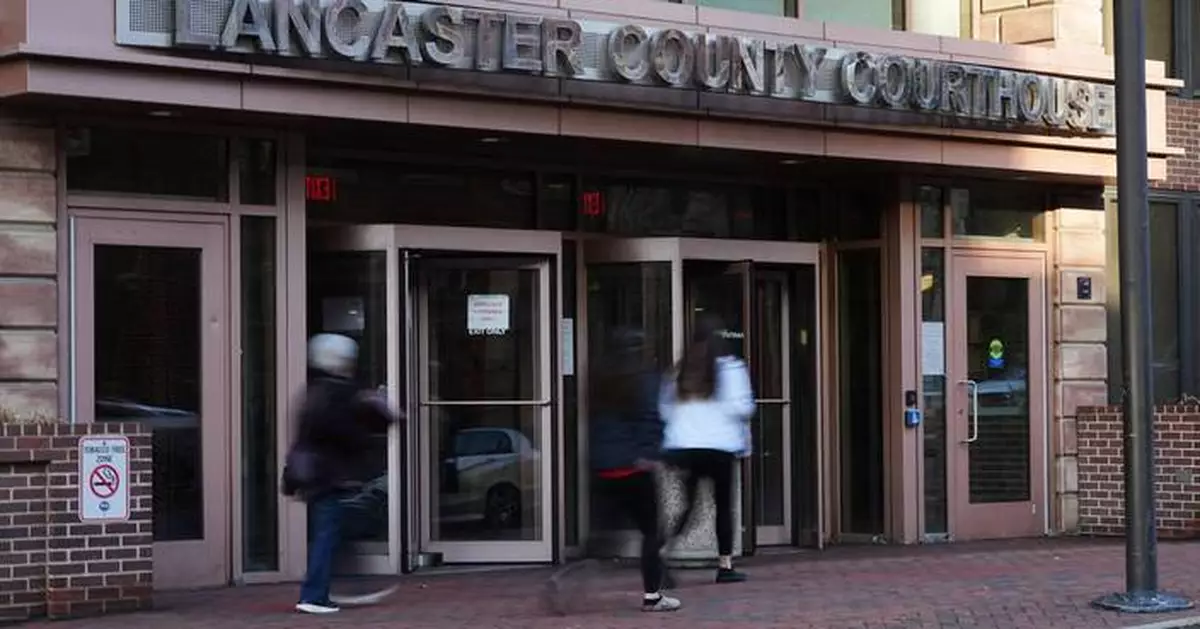
Shown is the Lancaster County Courthouse in Lancaster, Pa., Wednesday, March 25, 2026. (AP Photo/Matt Rourke)
People enter the Lancaster County Courthouse in Lancaster, Pa., Wednesday, March 25, 2026. (AP Photo/Matt Rourke)
Authorities said the boys took images of the girls from school photos, yearbooks, Instagram, TikTok and FaceTime chats in 2023 and 2024, and morphed them with images of adults depicting nudity or sexual activity.
More than 100 students and parents from Lancaster Country Day School were in court to hear victims describe the shock of having to identify their own faces in pornographic photos to detectives. Juvenile proceedings in Pennsylvania are normally closed, but this was opened by the judge, providing an unusual opportunity for the community to be seen and heard.
The girls described the fallout — anxiety attacks, a loss of trust, problems focusing on schoolwork and a fear that the images may someday surface in unexpected ways.
The two young men stood stone-faced throughout, flanked by their lawyers and parents, as they were called pedophiles, “sick and twisted” and perverted.
“I will never understand why they did this,” one victim told Judge Leonard Brown, saying it “destroyed my innocence.”
One young woman told Brown “how excruciating it is to bring these feelings up again and again.” Another choked back tears as she excoriated one of the defendants for expressing “fake empathy” as girls confided with him about their pain, before it became known that he had been part of creating and disseminating the images. Still another said all of her friends transferred schools, and that she “needed trauma therapy to even walk around my neighborhood.”
The defendants declined several opportunities to comment to the judge, who said he had not heard either boy take responsibility or apologize.
“This has been a regrettable, long, torturous process for everyone involved,” said Heidi Freese, defense attorney for one of the defendants. “There were very interesting, underlying legal issues surrounding the charges in this case and those will be decided on a different day in a different case.”
Brown ordered each to perform 60 hours of community service, have no contact with the victims and pay an unspecified amount of restitution. If they don’t have any additional legal problems, Brown said, the case can be expunged after two years.
As he imposed his sentence, Brown said that if they were adults, they probably would be headed for state prison. He said they should “take this opportunity to really examine” themselves.
The resolution of the Pennsylvania case comes days after three teenagers in Tennessee sued Elon Musk's xAI, claiming the company’s Grok tools morphed their real photos into explicitly sexual images. The high school students are seeking class-action status to represent what the lawsuit says are thousands of people who were similarly victimized as minors.
The scandal in Pennsylvania led to a student protest, criminal charges against the two teenagers and the departure of leaders at the school, which says it has about 600 students K-12, class sizes averaging just 12 kids, and “an endowment in excess of $25 million.”
Nadeem Bezar, a Philadelphia lawyer who represents at least 10 of the victims, said Tuesday he expects to file a claim “against the school and anybody else we think has culpability in these deepfakes being created and disseminated.”
He said he has not yet seen the photos but expects the legal process to determine “exactly when and where and how the school knew, how the boys created these images, what platforms they used to create these images and how they were disseminated.”
As AI has become accessible and powerful, lawmakers across the country have passed laws aimed at barring deepfakes.
President Donald Trump signed the Take it Down Act last year, making it illegal to publish intimate images including deepfakes without consent, and requiring websites and social media sites to remove such material within 48 hours of being notified by a victim.
Associated Press writers Geoff Mulvihill in Haddonfield, New Jersey, and Holly Ramer in Concord, New Hampshire, contributed.

Lancaster Country Day School in Lancaster, Pa., Wednesday, March 25, 2026. (AP Photo/Matt Rourke)
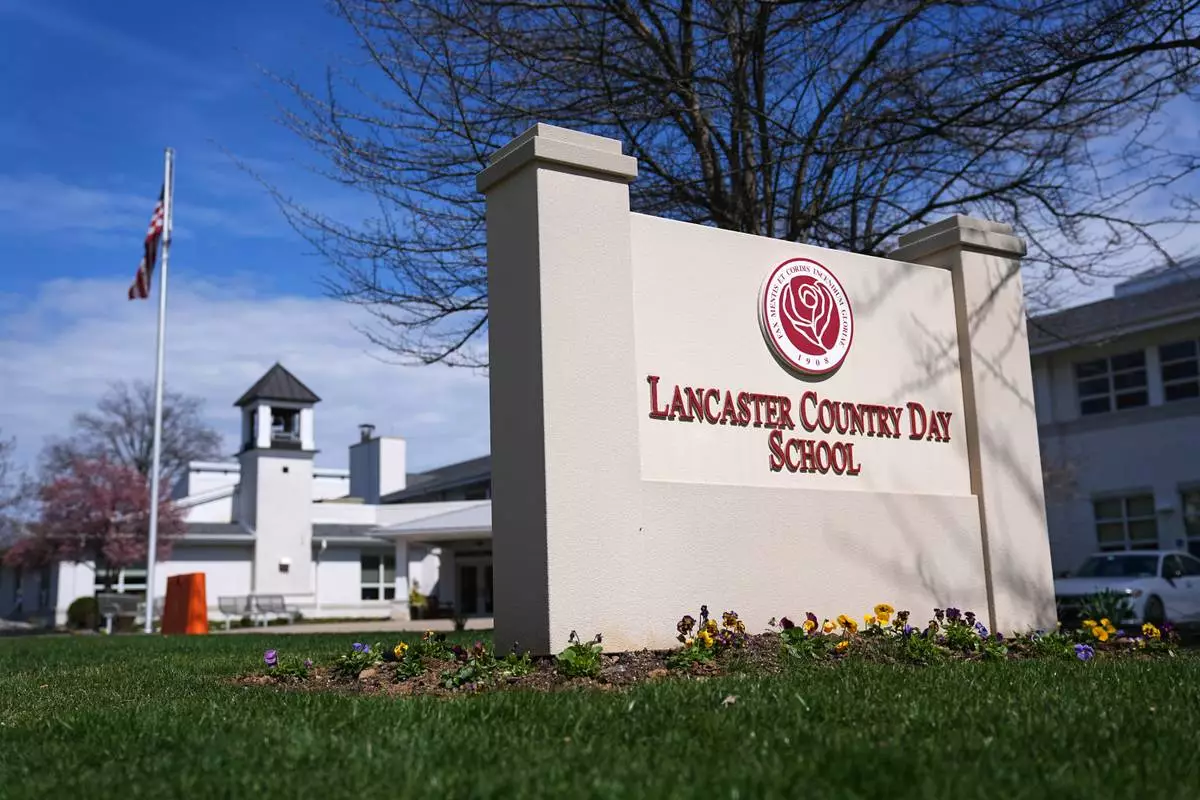
Lancaster Country Day School in Lancaster, Pa., Wednesday, March 25, 2026. (AP Photo/Matt Rourke)

Shown is the Lancaster County Courthouse in Lancaster, Pa., Wednesday, March 25, 2026. (AP Photo/Matt Rourke)
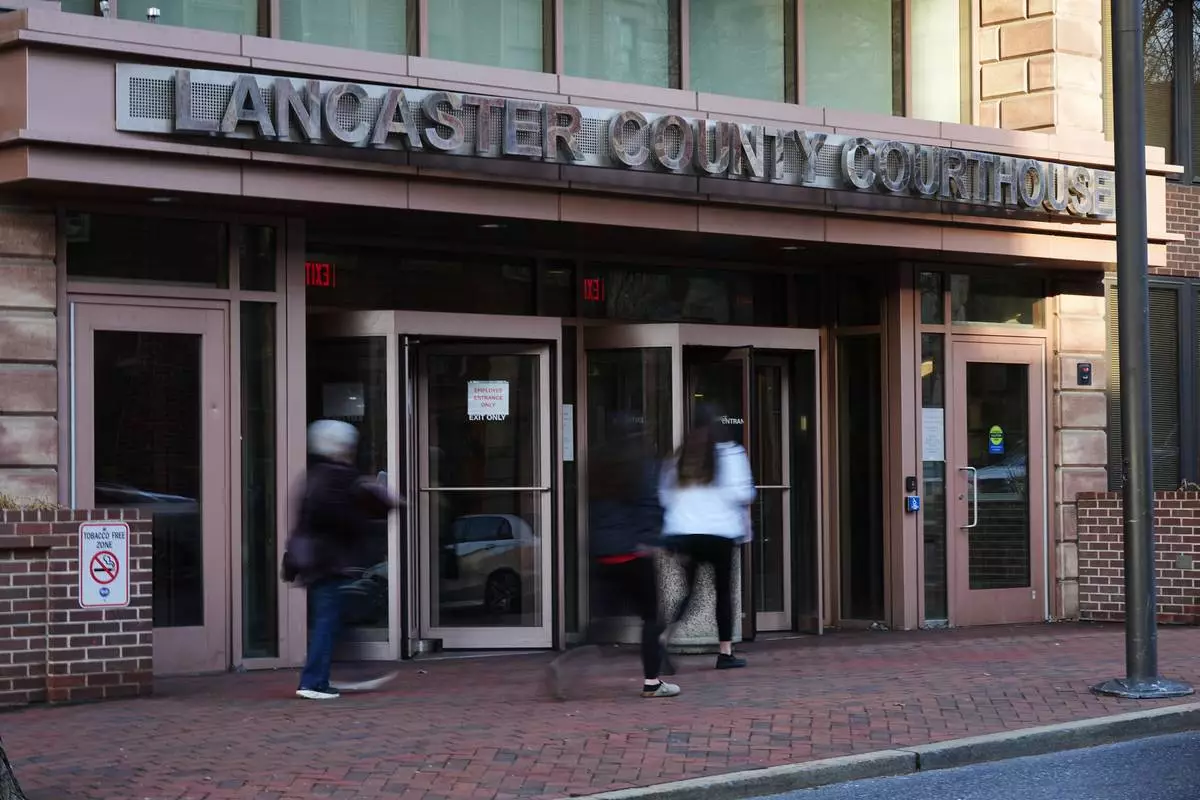
People enter the Lancaster County Courthouse in Lancaster, Pa., Wednesday, March 25, 2026. (AP Photo/Matt Rourke)
LOS ANGELES (AP) — Meta and YouTube must pay millions in damages to a 20-year-old woman after a jury decided the social media giant and video streamer designed their platforms to hook young users without concern for their well being.
The California jury's decision Wednesday in a first-of-its-kind lawsuit could influence the outcome of thousands of similar lawsuits accusing social media companies of deliberately causing harm.
The plaintiff, known by her initials KGM, testified at trial that she became addicted to social media as a child and that this addiction exacerbated her mental health struggles. After more than 40 hours of deliberations, a majority of jurors agreed and awarded her $3 million in damages.
Jurors later recommended an additional $3 million in punitive damages after deciding the companies acted with malice, oppression or fraud in harming children with their platforms. The judge has final say over how much damages are awarded.
It’s the second verdict against Meta this week, after a jury in New Mexico determined the company harms children’s mental health and safety, in violation of state law.
Meta, the parent of Instagram and Facebook, and Google-owned YouTube issued statements disagreeing with the verdict and vowed to explore their legal options, which includes appeals.
Google spokesperson Jose Castañeda said the verdict misrepresents YouTube “which is a responsibly built streaming platform, not a social media site.” A Meta spokesperson said teen mental health is “profoundly complex and cannot be linked to a single app.”
The jury determined that Meta and YouTube knew the design or operation of their platforms was dangerous or was likely to be dangerous when used by a minor. They also agreed that the platforms failed to adequately warn of that danger, further contributing to the plaintiff's harm.
Only nine of the 12 jurors had to agree on each claim against each defendant. Two jurors consistently disagreed with the other 10 on whether the companies should be held liable.
The jurors also decided Meta held more responsibility for harm to the plaintiff, who has been identified by her initials KGM. The jury said Meta shouldered 70% of the responsibility while YouTube bore the remaining 30%. That division was reflected in the breakdown of the $3 million in punitive damages, with the jury deciding on $2.1 million from Meta and $900,000 from YouTube.
Meta and YouTube were the two remaining defendants in the case. TikTok and Snap settled before the trial began.
Jurors listened to about a month of lawyers’ arguments, testimony and evidence, and they heard from KGM, or Kaley as her lawyers called her during the trial, as well as Meta leaders Mark Zuckerberg and Adam Mosseri. YouTube’s CEO, Neal Mohan, was not called to testify.
Kaley said she began using YouTube at age 6 and Instagram at age 9. She told the jury she was on social media “all day long” as a child.
Lawyers representing Kaley, led by Mark Lanier, were tasked with proving that the respective defendants’ negligence was a substantial factor in causing Kaley’s harm. They pointed to specific design features they said are designed to “hook” young users, like the “infinite” nature of feeds that allowed for an endless supply of content, autoplay features, and notifications.
The jurors were told not to take into account the content of the posts and videos Kaley viewed because tech companies are shielded from legal responsibility for posted content, based on Section 230 of the 1996 Communications Decency Act.
Meta argued that Kaley's mental health struggles were not connected to her social media use and pointed to her turbulent home life. Meta also said “not one of her therapists identified social media as the cause” of her mental health issues. But the plaintiffs did not have to prove that social media caused Kaley’s struggles — only that it was a “substantial factor” in causing her harm.
YouTube focused more on the nature of the platform, arguing that it's a video platform akin to television rather than a social media platform. The company also mentioned her declining YouTube use as she aged. According to their data, she spent about one minute a day on average watching YouTube Shorts since its inception. YouTube Shorts, which launched in 2020, delivers short-form, vertical videos with the “infinite scroll” feature that plaintiffs argued was addictive.
Lawyers representing both platforms also pointed to their safety features and guardrails for users to monitor and customize their use.
The Los Angeles case was filed by a single plaintiff against Meta, YouTube, TikTok and Snap. After the latter two settled, she argued that Meta and YouTube were addictive by design, and that they especially target young users.
“The reason why this case is consequential is not the individual case, but the way that it’s a bellwether test case that might guide the resolution of other lawsuits,” said Sarah Kreps, a professor and director of Cornell University’s Tech Policy Institute.
“So there are thousands pending, and hundreds in California. So the concern if you’re a social media platform is, as this case goes, so might these others. And I think the reason why they would be concerned, and I’ve seen this analogy with the tobacco lawsuits, is that once you have this type of verdict in one case, it just opens the floodgates for so many more.”
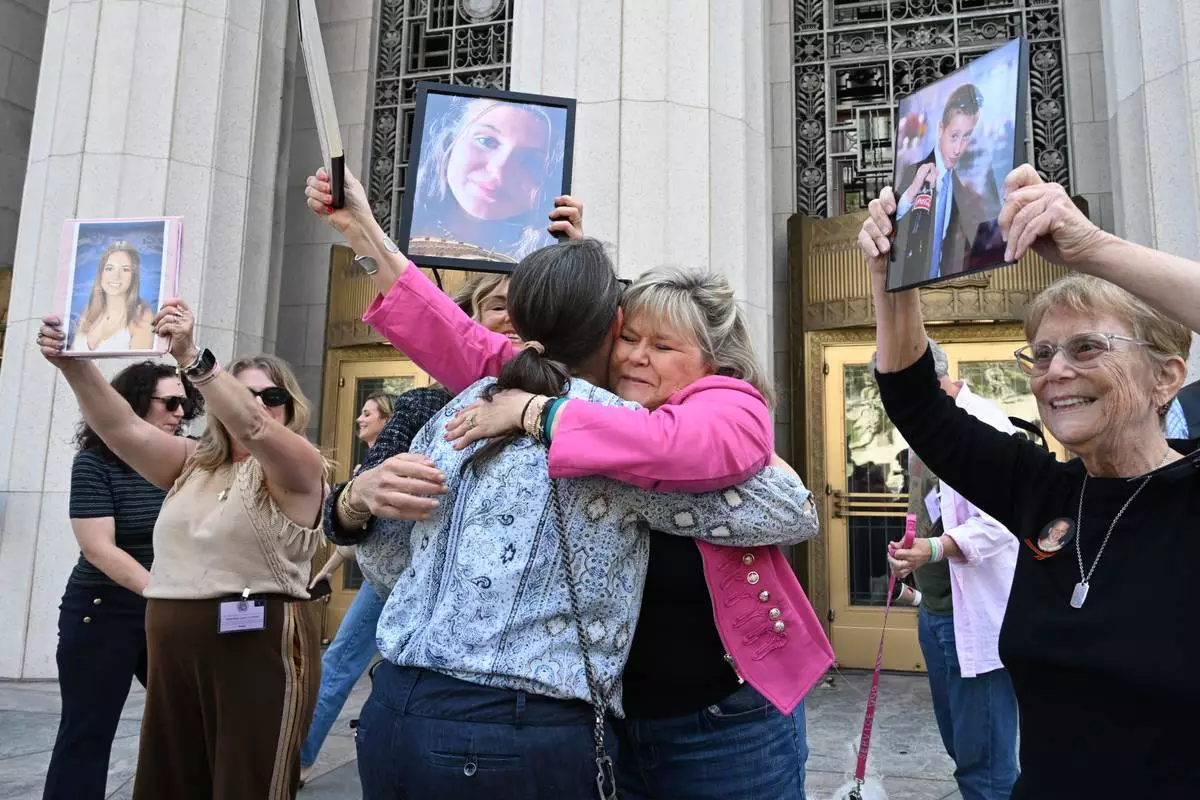
Lori Schott, center right, embraces Mary Rodee after the verdict in a landmark trial over whether social media platforms deliberately addict and harm children at Los Angeles Superior Court, Wednesday, March 25, 2026, in Los Angeles. (AP Photo/William Liang)
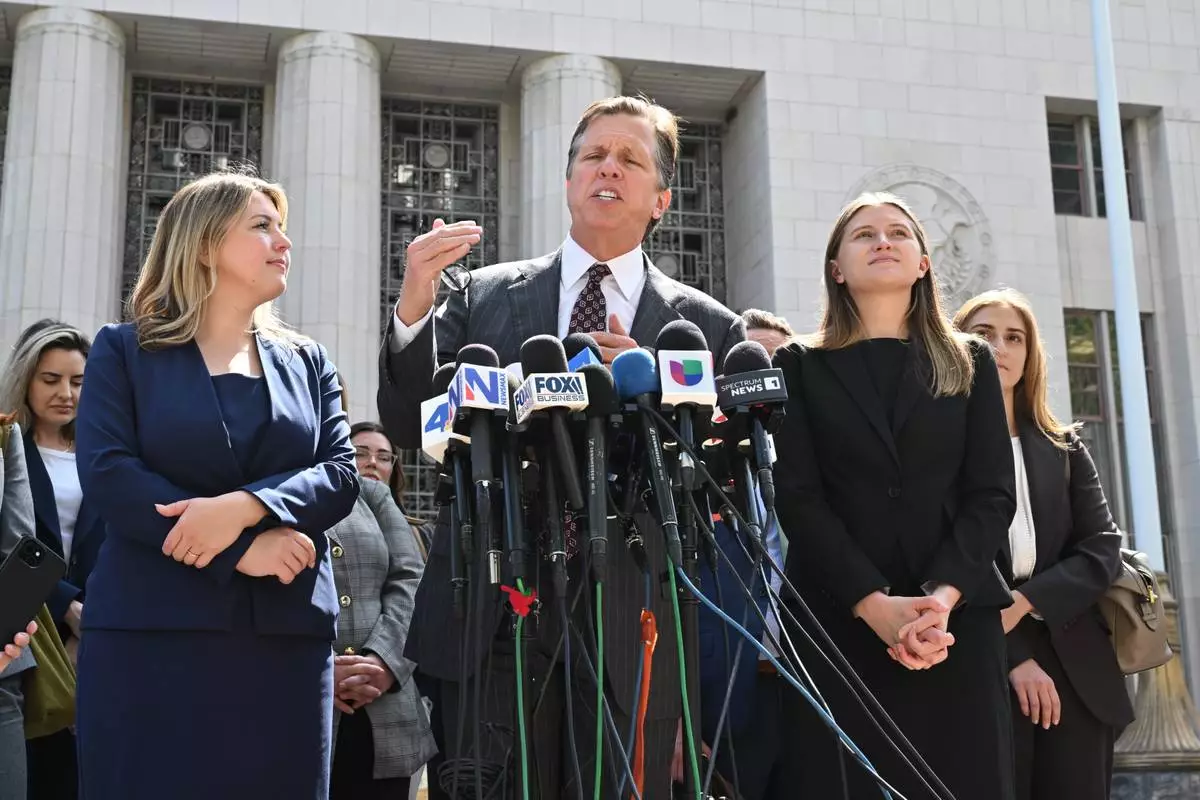
Attorney Mark Lanier speaks during a news conference after the verdict in a landmark trial over whether social media platforms deliberately addict and harm children at Los Angeles Superior Court, Wednesday, March 25, 2026, in Los Angeles. (AP Photo/William Liang)
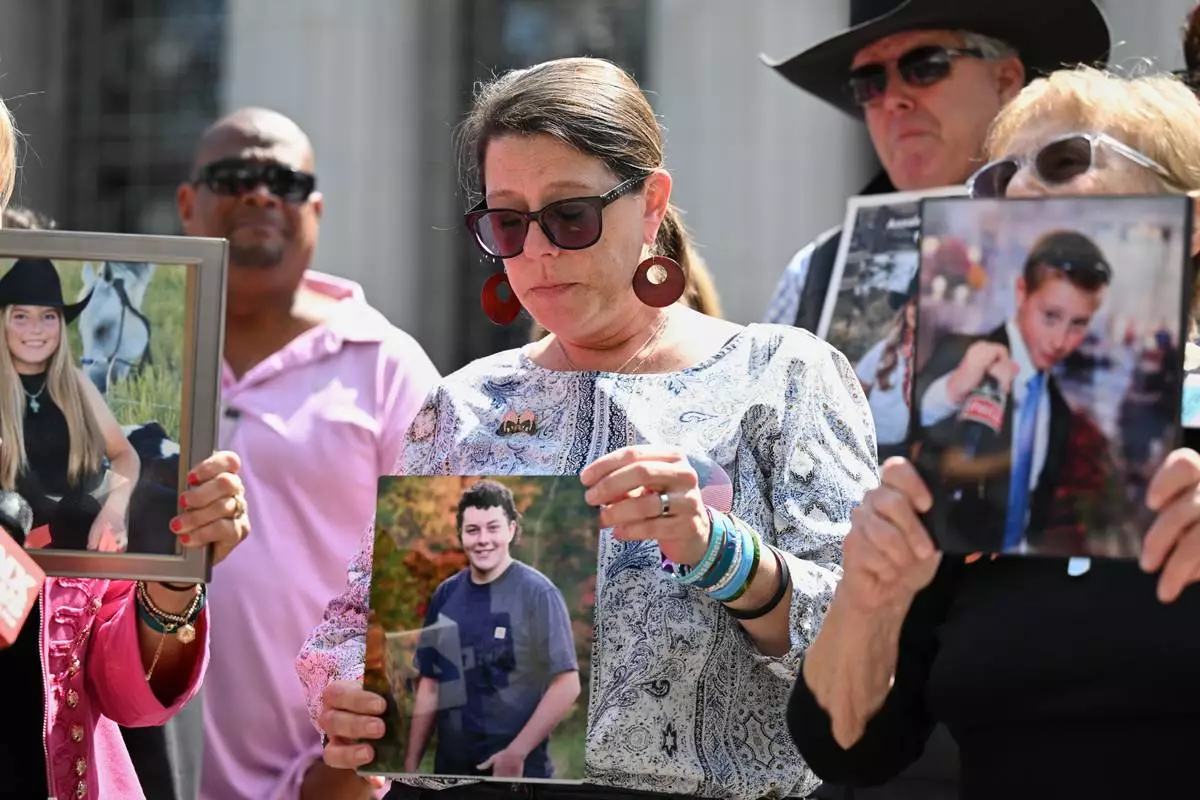
Mary Rodee holds a photo of her son Riley after the verdict in a landmark trial over whether social media platforms deliberately addict and harm children at Los Angeles Superior Court, Wednesday, March 25, 2026, in Los Angeles. (AP Photo/William Liang)
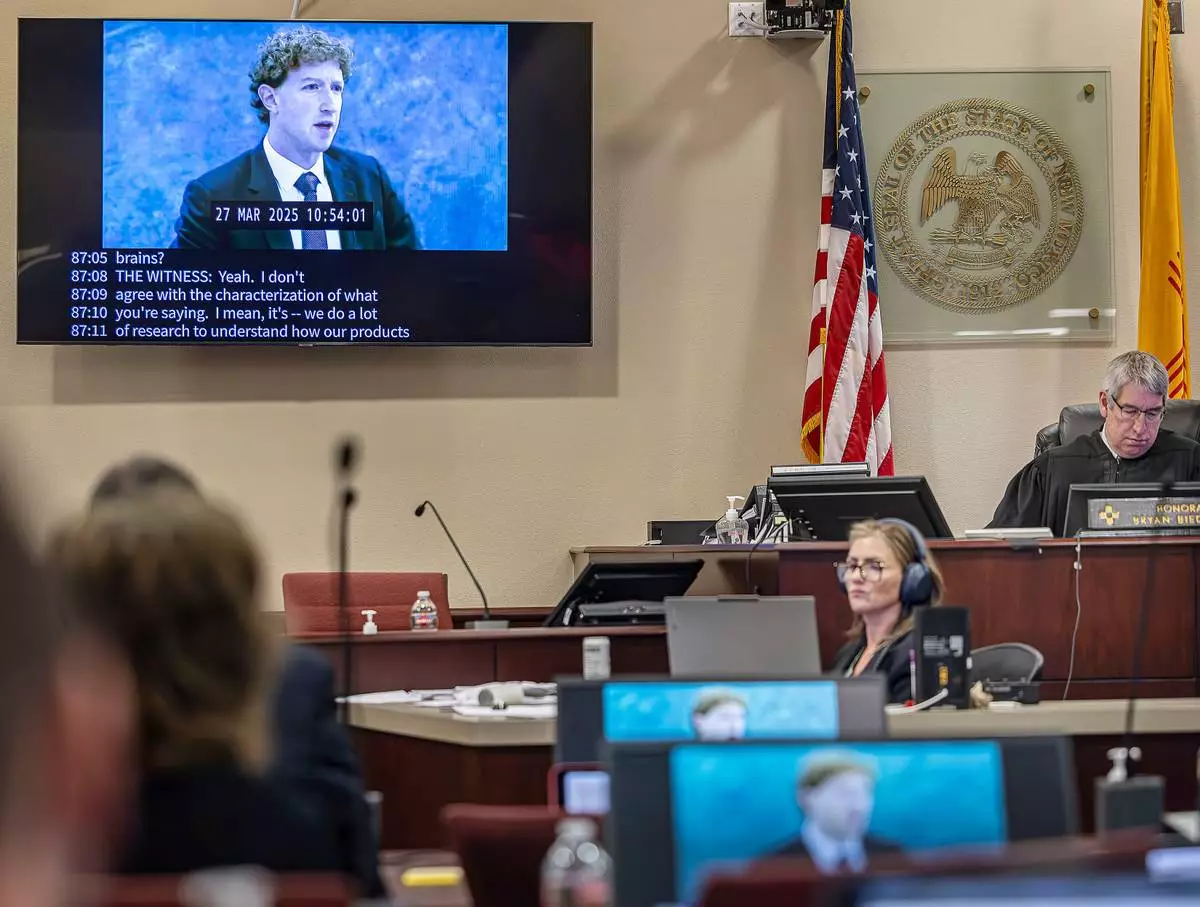
A recording of Meta Founder and CEO Mark Zuckerberg's deposition is played for the jurors on Wednesday, March 4, 2026, in Santa Fe, N.M. (Jim Weber/Santa Fe New Mexican via AP, Pool)

Civil litigator David Ackerman embraces New Mexico state attorney Linda Singer following a landmark verdict where the jury found Meta willfully violated New Mexico's consumer protection laws and are ordered to pay the state $375 million in damages, Tuesday, March 24, 2026 , in Santa Fe, N.M. (Nathan Burton/Santa Fe New Mexican via AP, Pool)

Laura Marquez-Garrett, attorney for SMVLC (Social Media Victims Law Center), embraces Julianna Arnold, right, parent, outside Los Angeles Superior Court on Thursday, March 12, 2026. (AP Photo/Damian Dovarganes)
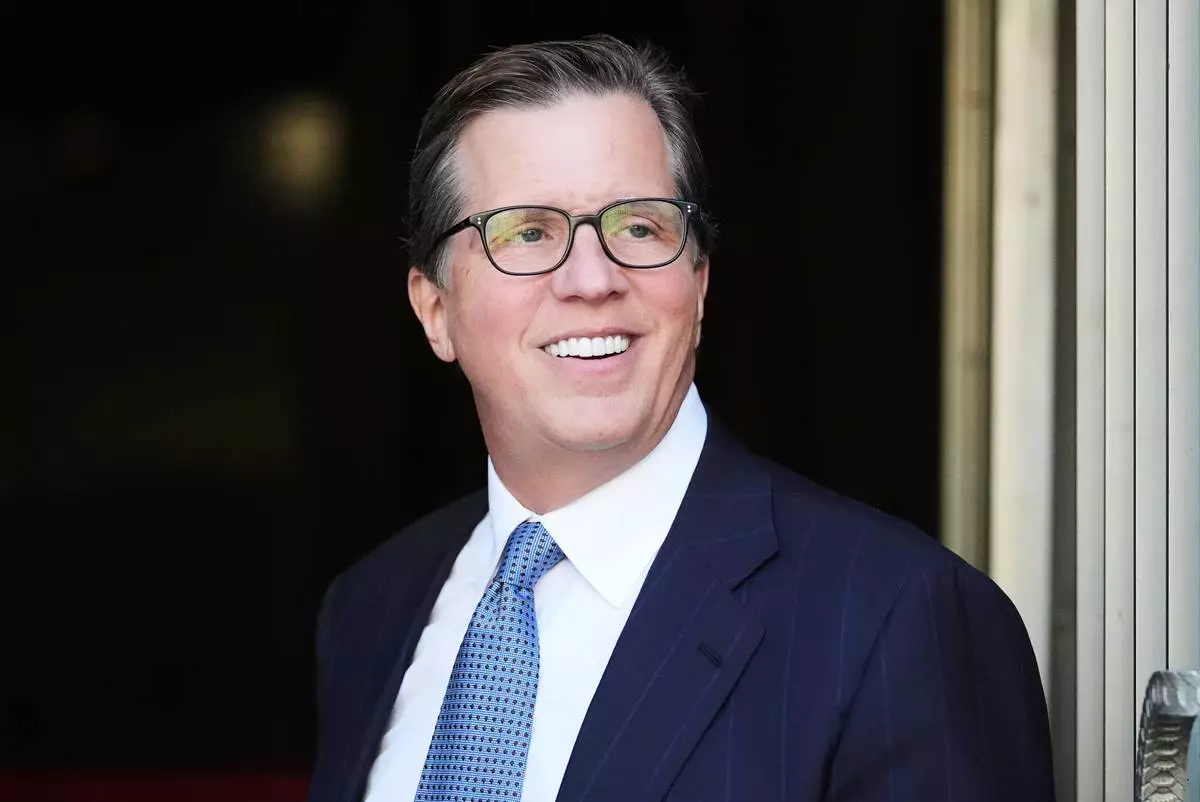
Plaintiffs attorney Mark Lanier arrives for closing arguments in a landmark trial over whether social media platforms deliberately addict and harm children on Thursday, March 12, 2026, in Los Angeles. (AP Photo/Damian Dovarganes)