The systems in place at New York's LaGuardia Airport to prevent ground collisions failed to keep an Air Canada jet from smashing into a fire truck that had just pulled out on the runway as the plane was landing.
The National Transportation Safety Board will determine what went wrong before Sunday's crash that killed both pilots and injured dozens of others. One of the two air traffic controllers on duty that night cleared the fire truck to cross the runway just 12 seconds before the plane carrying 76 people touched down. His frantic calls moments later for the truck to stop didn't prevent the collision.
There will almost certainly be multiple factors that contributed to the crash because the aviation system has many layers of precautions in place to help reduce the risks of such an event happening. Investigators are just beginning to interview everyone involved, examine the wreckage and test everything that could have played a role. The mangled plane was being moved to a secure hangar Wednesday for further examination.
Here's what to know about the surface surveillance system that's supposed to help controllers keep track of planes and vehicles on the ground and the warning lights built into taxiways and runways that are supposed to signal when a plane is landing or taking off.
LaGuardia is one of 35 major airports nationwide that have Airport Surface Detection Systems known as ASDE-X that combine radar data with information from transponders inside planes and ground vehicles along with other data to create a display in the tower showing controllers where every plane and vehicle is. The system will also sound an alarm in the tower when it anticipates a potential collision.
Just last fall the NTSB credited that warning system with preventing a private jet from running into a Southwest Airlines plane on a runway in San Diego in August 2023. That alarm got the attention of the controllers in time to keep the planes from colliding even though they came within 100 feet of each other.
The system also was credited with keeping a JetBlue plane from hitting another plane crossing a runway in Boston in 2023, and it has been praised in numerous other NTSB reports over the decades since it was created in the late 1990s. A predecessor system dates back to the 1980s.
The deadliest aviation tragedy ever happened when two Boeing 747s ran into each other on a runway in Tenerife, Spain, in 1977, killing 583 people. In 1991, nearly three dozen people died when a plane that was landing hit another plane preparing to take off on a runway at Los Angeles International Airport.
Only the busiest U.S. airports have received the costly ASDE system, but the Federal Aviation Administration is in the process of installing a lower-cost version at 200 other airports over the next few years. That system is already in place at 54 airports and is one of a number of measures the FAA has taken as part of its goal to eliminate runway incursions and collisions.
But NTSB Chairwoman Jennifer Homendy said the ASDE system failed to sound an alarm at LaGuardia before the crash Sunday because it had trouble predicting it.
One concern Homendy raised is that the fire truck and other emergency vehicles at LaGuardia lack transponders that would provide more precise information to the system that controllers rely upon. She said some other airports do have those transponders in their vehicles.
The FAA has encouraged airports to install those transmitters and offered to help pay for them, but the agency said it doesn't have any details about how common they are. Even without a transmitter, the ASDE system still tracks every vehicle crossing the airport with radar.
Homendy said the number of emergency vehicles parked on the taxiway Sunday — they were en route to help a United Airlines plane that had reported a strange odor making flight attendants feel ill — made it difficult for the system to predict a potential collision.
Rick Castaldo, who helped design and install the ASDE systems during his career at FAA before he retired, said the system is better at predicting potential collisions when vehicles or planes are moving. Its computer can't predict what a stopped vehicle is going to do, and the fire truck didn't start to cross the runway Sunday until after getting approval from the controller 20 seconds before the crash.
So even if the system had sounded an alarm, it may not have come much sooner than when the controller called out, “Stop, stop, stop, Truck 1. Stop, stop, stop. Stop, Truck 1," nine seconds before the crash.
Castaldo said that early on in the system's development officials were concerned about too many nuisance alarms that might have led controllers to ignore warnings, so “they dumbed down the alerts so that you get them just in time to look up and see the accident.”
Even though the controller cleared the fire truck to cross the runway, lights embedded in the pavement of the taxiway should have lit up red to warn the driver that the Air Canada plane was coming into land. Aviation safety expert Jeff Guzzetti said that the driver "should have known not to cross, even if the controller told them to cross, because the runway status lights were red -- flashing red."
But the fire truck driver and the controller were also both likely distracted at that moment by the emergency call from the other plane. Mike O’Donnell, who oversaw airport safety programs and accident investigations for much of his 17 years at FAA, said the radios in the truck likely would have been blaring with communications with the New York Fire Department as the first responders tried to quickly reach the United plane.
Homendy said that it appears the runway lights were working although investigators will have to examine and test them to verify that. The lights rely on data from the ASDE system to indicate when planes are landing or taking off on a runway, and they are in place at 20 airports.
O'Donnell said none of these systems are designed to be absolute. He said each one of these systems, along with other safety precautions, are designed to reduce the risk of a crash — but no single thing will prevent every disaster.
“It’s just one of several layers that are designed to reduce the risk of incursions,” said O'Donnell, who is now president of his own consulting company. “It’s a broader framework. There’s other things. There’s procedures. There’s communication. There’s decision-making. All those other layers are there as well.”
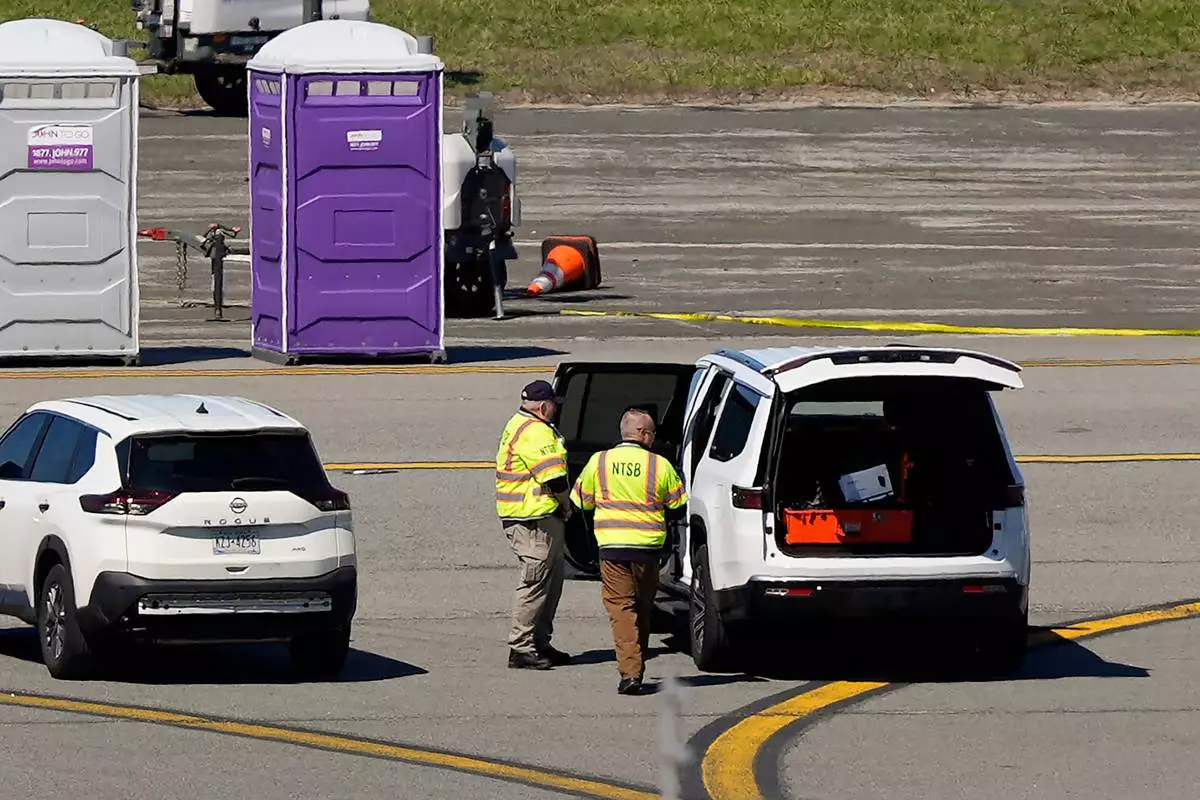
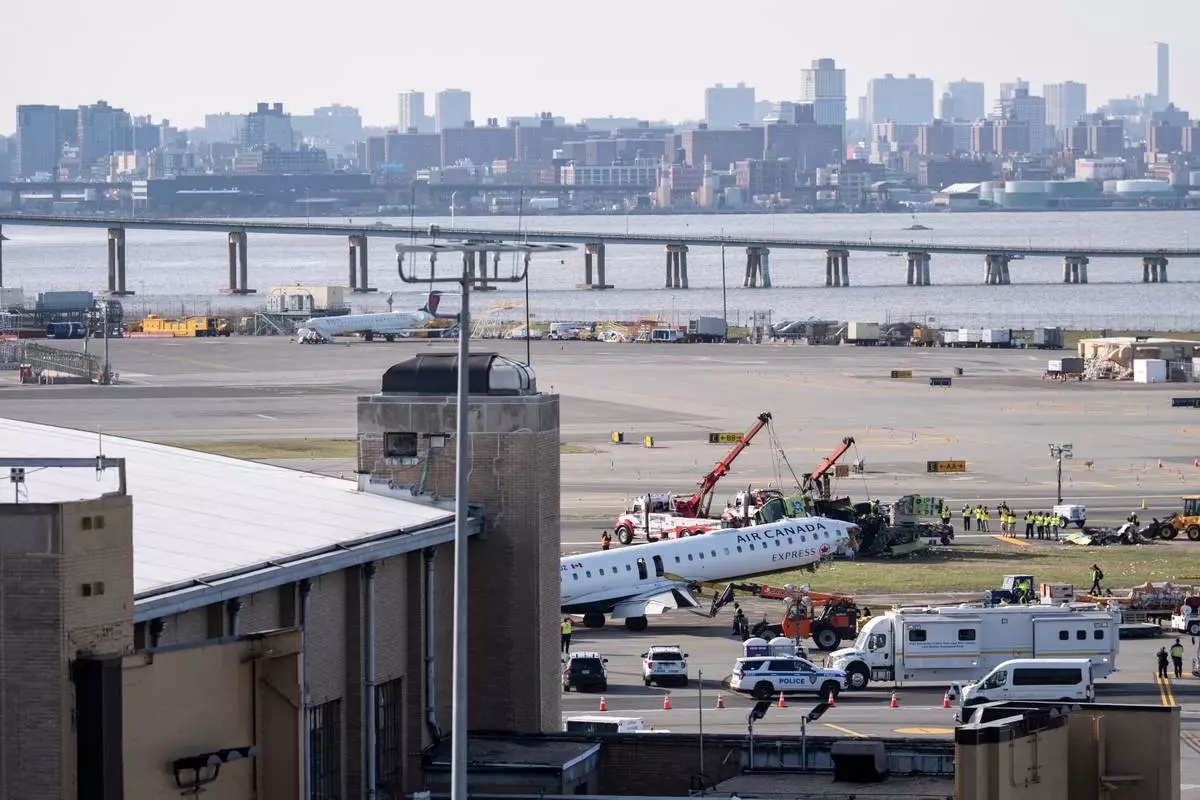
NTSB officials arrive to inspect the wreckage of an Air Canada Express jet, Tuesday, March 24, 2026, just off the runway where it had collided with a Port Authority fire truck Sunday night at LaGuardia Airport in New York. (AP Photo/Yuki Iwamura)
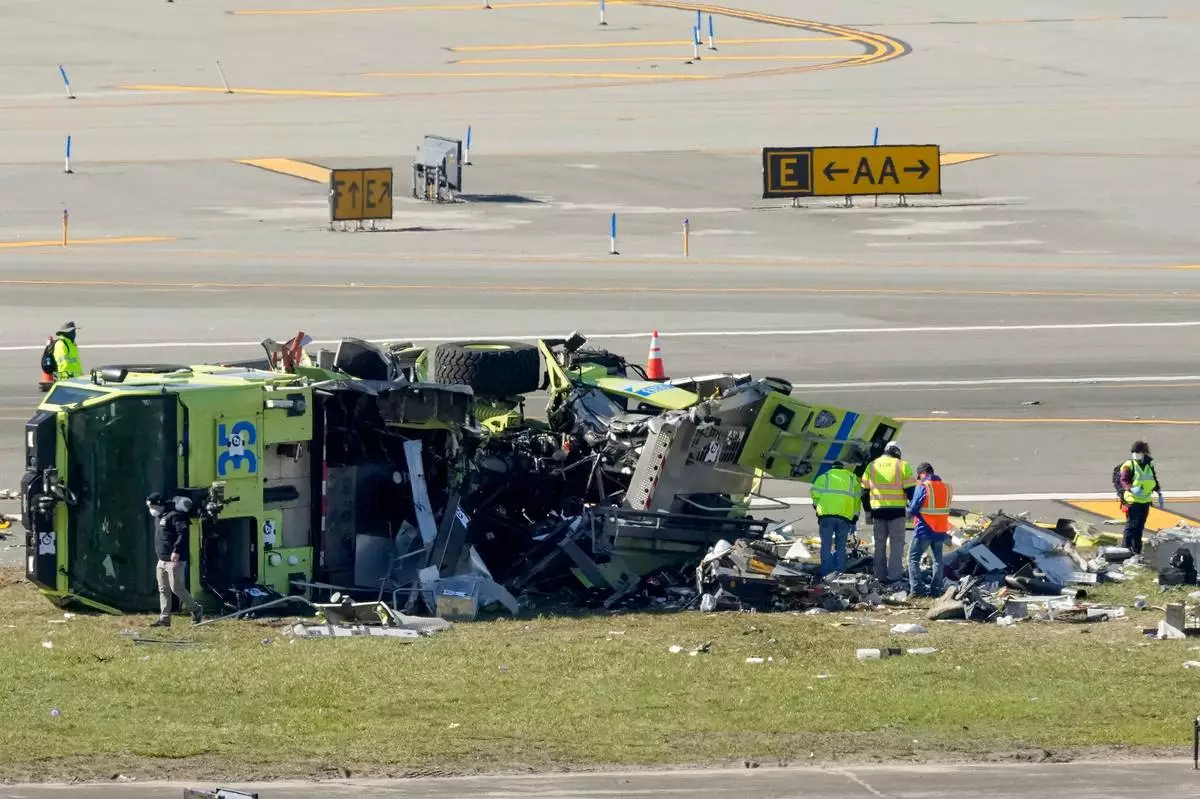
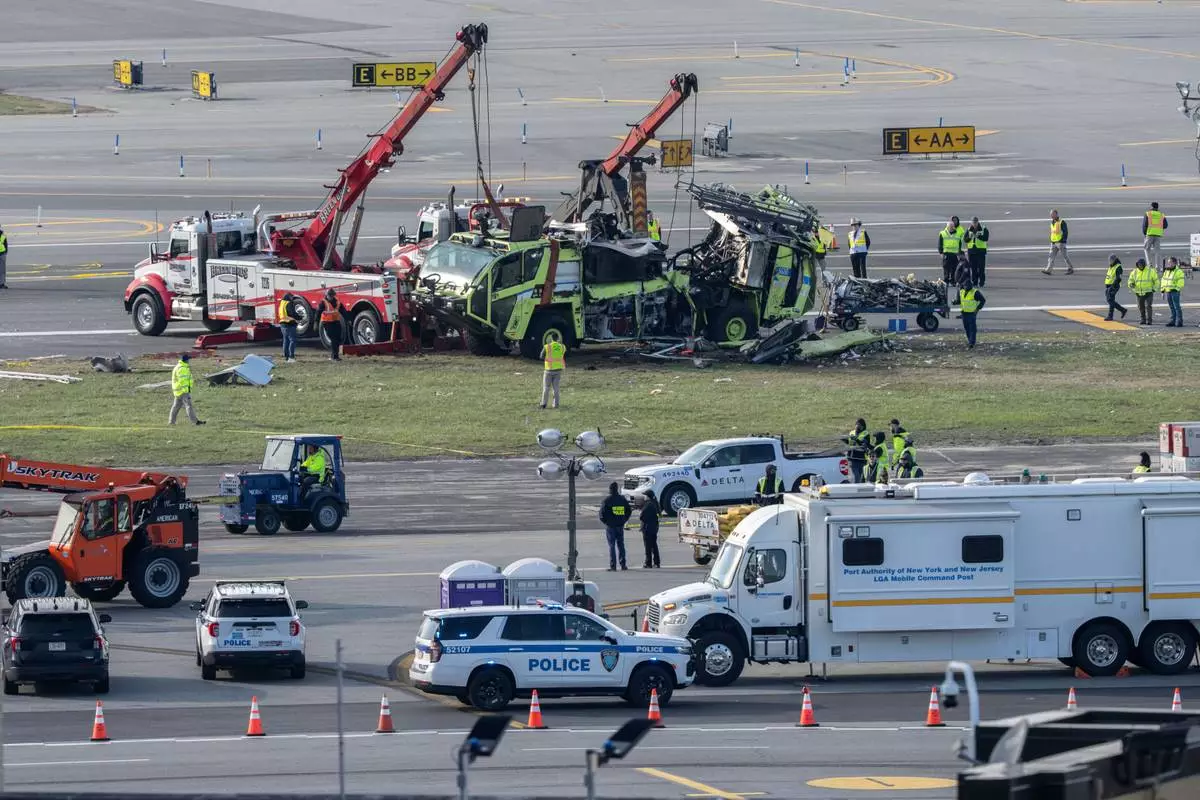
Officials inspect the wreckage of a Port Authority fire truck, Tuesday, March 24, 2026, just off the runway where it had collided with an Air Canada Express jet, Sunday night at LaGuardia Airport in New York. (AP Photo/Yuki Iwamura)
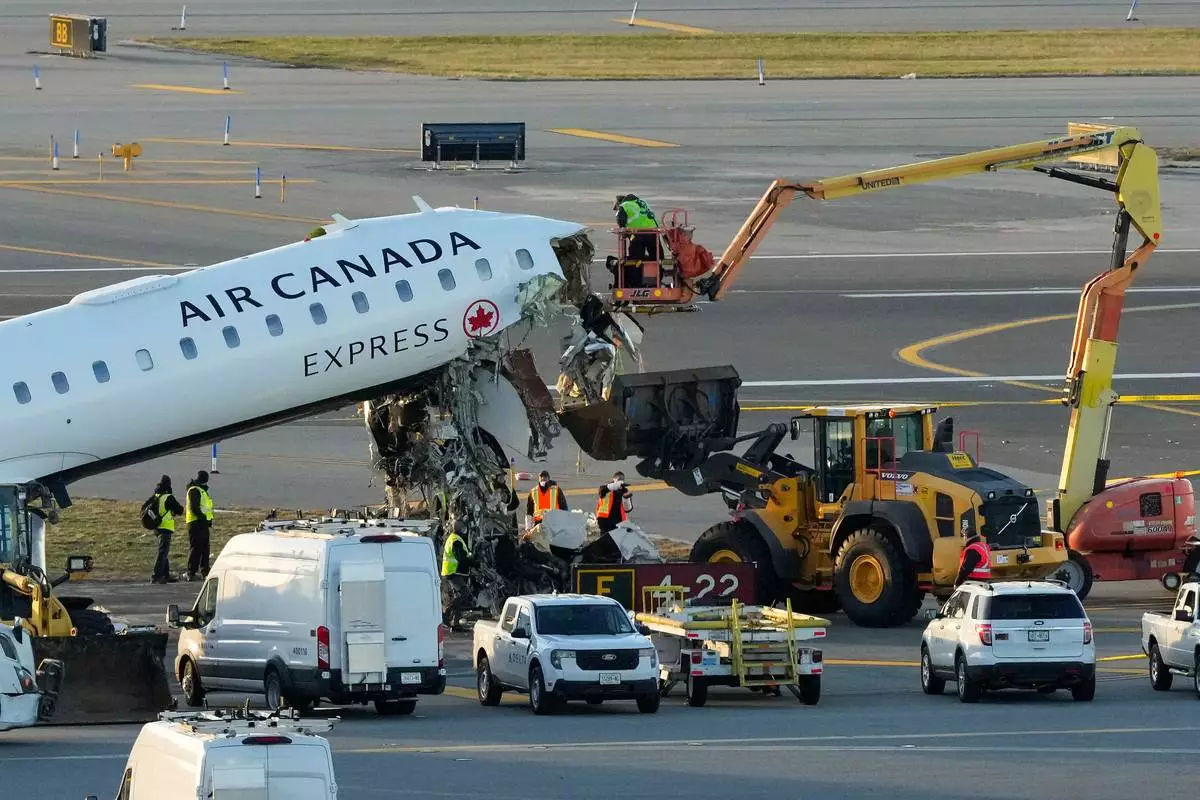
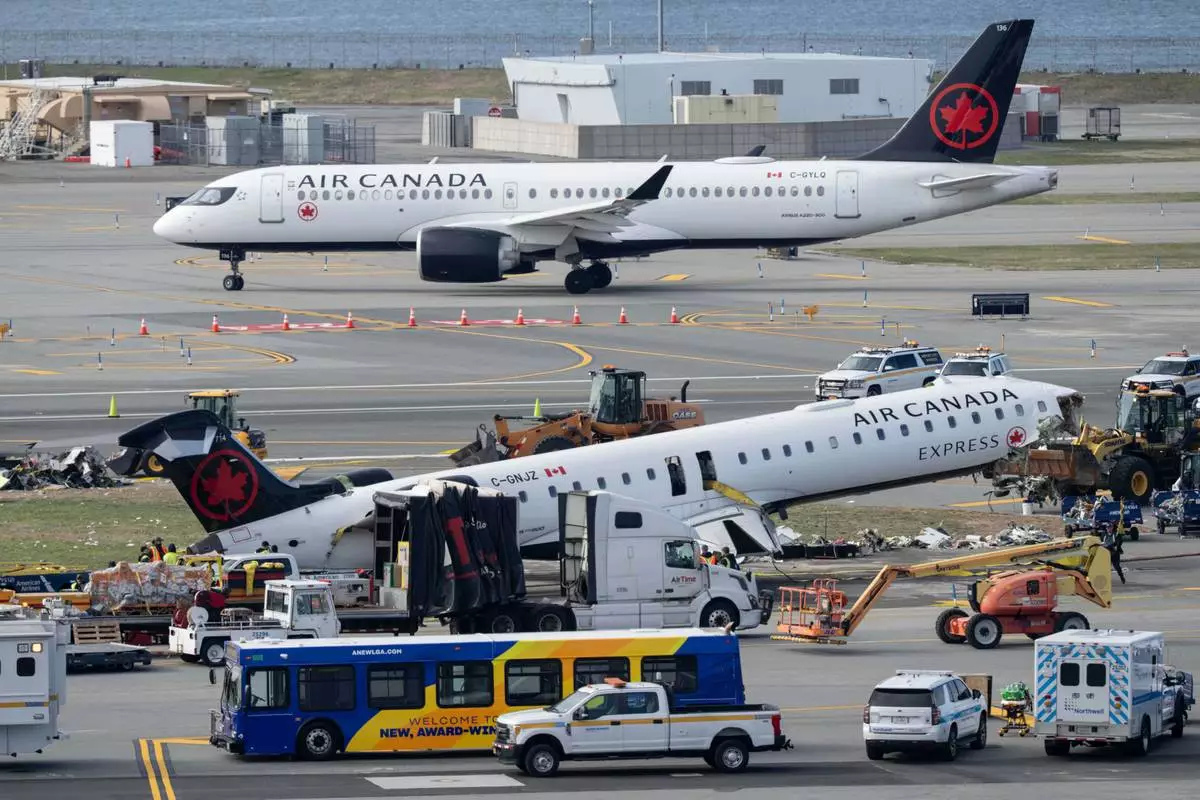
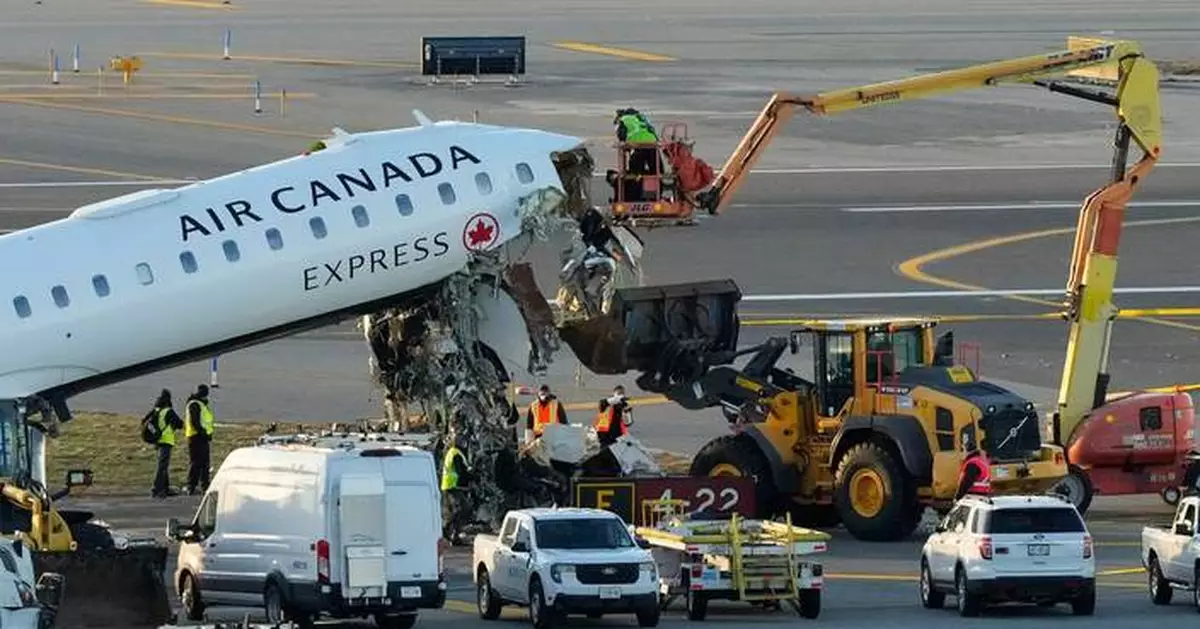
Aircraft maintenance workers in a boom lift cut away debris hanging from the wreckage of an Air Canada Express jet, Tuesday, March 24, 2026, just off the runway where it had collided with a Port Authority fire truck Sunday night at LaGuardia Airport in New York. (AP Photo/Yuki Iwamura)