China has called for a lasting ceasefire as the overriding priority in the Democratic Republic of the Congo (DR Congo), urging all parties to immediately halt hostilities and implement United Nations Security Council Resolution 2773 and related agreements.
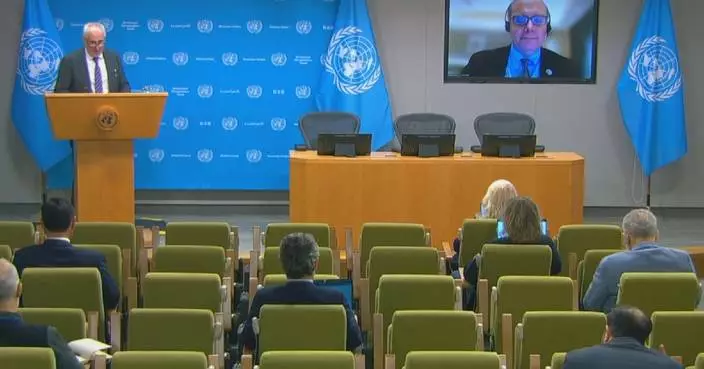
On Thursday, the UN Security Council reviewed the situation in the DR Congo. Sun Lei, China's deputy permanent representative to the United Nations, emphasized the urgent need for a comprehensive ceasefire, a firm commitment to political solutions, and support for the UN Organization Stabilization Mission in the DR Congo (MONUSCO) in fulfilling its mandate.
Sun said that China consistently respects the DR Congo's efforts to safeguard its sovereignty, independence, and territorial integrity, and supports the restoration of government authority in the eastern region.
Sun also stressed China's commitment to objectivity, fairness, and active mediation. As a close friend of regional countries, China stands ready to work with all parties to help restore peace and stability and promote development and prosperity in the region.
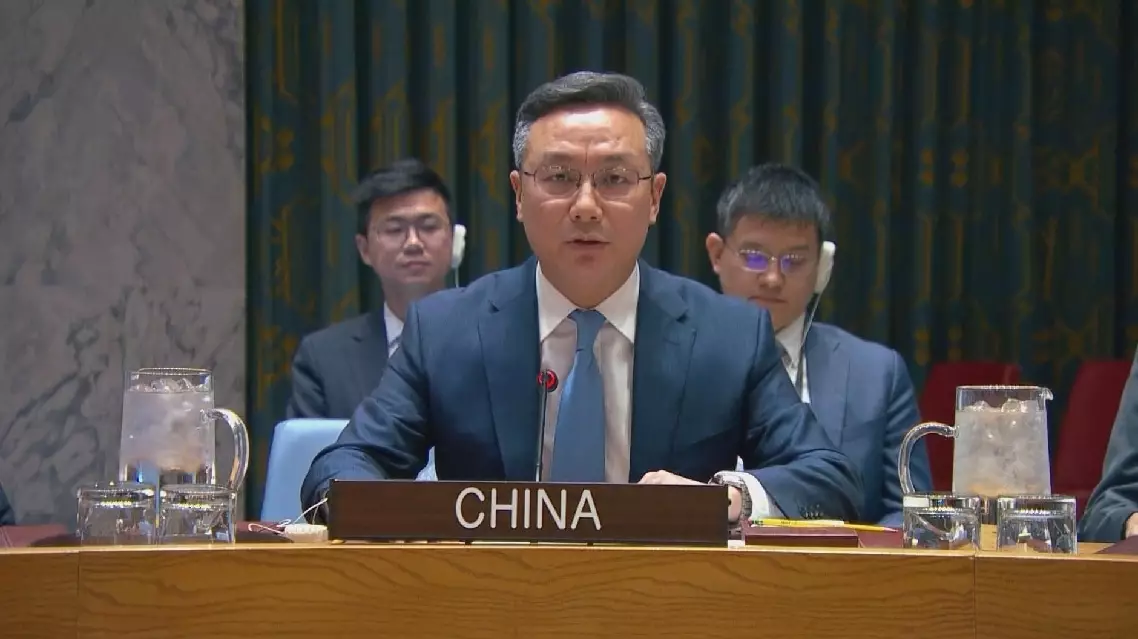
China stresses lasting ceasefire as top priority in DR Congo
Global economic growth is projected to ease to 2.9 percent in 2026 from 3.3 percent in 2025, before edging up to 3.0 percent in 2027, the Organization for Economic Cooperation and Development (OECD) said in its latest Economic Outlook on Thursday.
The report said that the evolving conflict in the Middle East will test the resilience of the global economy. A prolonged period of higher energy prices would add markedly to business costs, raise consumer price inflation, and have adverse consequences for growth.
According to the report, economic growth in the United States will moderate from 2.0 percent in 2026 to 1.7 percent in 2027, as strong AI-related investment is gradually offset by a slowdown in real income growth and consumer spending.
In the Eurozone, economic growth is expected to ease to 0.8 percent in 2026, as higher energy prices weigh on activity, before rising to 1.2 percent in 2027, supported by stronger defense spending.
The report said that the global economic outlook remains highly uncertain. The projections were based on the assumption that current disruptions to global energy supply will gradually moderate from mid-2026 onwards. Persistent disruptions to exports from the Middle East could push energy prices even higher, aggravate shortages of key commodities, add to inflation, and reduce growth.

OECD sees global growth at 2.9 pct in 2026 amid Middle East tensions