The latest Middle East conflict is severely disrupting global commodity flows and posing a growing threat to food security, an economist from the Food and Agriculture Organization (FAO) warned on Thursday.
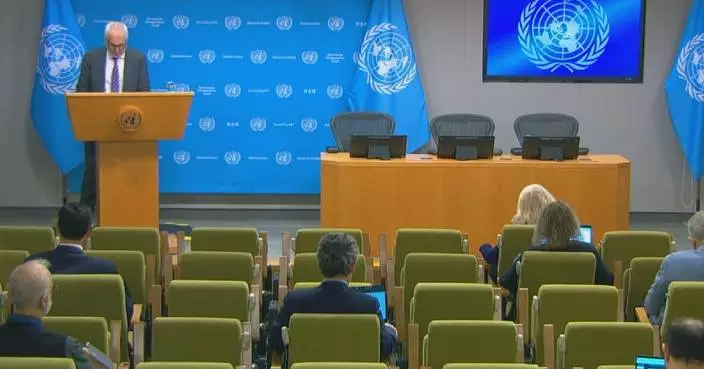
Speaking via video conference at a press briefing at the United Nations headquarters in New York, Maximo Torero, chief economist of FAO, outlined the far-reaching implications of the crisis for food security. He highlighted disruptions in the Strait of Hormuz, a key route for global energy and commodity shipments, where tensions have affected the transport of oil, sulfur and fertilizers, critical inputs for agriculture worldwide.
Roughly 35 percent of global crude oil flows, up to 30 percent of fertilizer trade, and about one-fifth of liquefied natural gas shipments pass through the strait each day. With Gulf countries supplying nearly half of the world’s sulfur, a key ingredient in phosphate fertilizers, the disruptions are placing mounting pressure on global food production, he said.
Heightened risks to maritime transport have also driven up agricultural costs from multiple aspects. Following the expansion of Gulf high-risk waters in early March, war-risk insurance premiums in the region have surged from 0.25 percent to as much as 10 percent of vessel value, with rates reviewed weekly, the economist said.
Fertilizer prices have also risen sharply, with granular urea in the Middle East jumping 19 percent in early March, he added.
If the situation persists, the expert warned that global fertilizer prices could jump by 15 to 20 percent on average in the first half of 2026.
"So this means that for farmers, they are facing double shock. They got more expensive fertilizers alongside rising fuel cost, which are being used across the value chain to be able to produce the commodity that you eat in the markets around," he said.
In addition, if the disruption persists and oil price exceeds 100 U.S. dollars per barrel, global food market would see increased competition from biofuel production as higher oil prices stimulate demand for agricultural feedstocks, further driving up food price, he said.
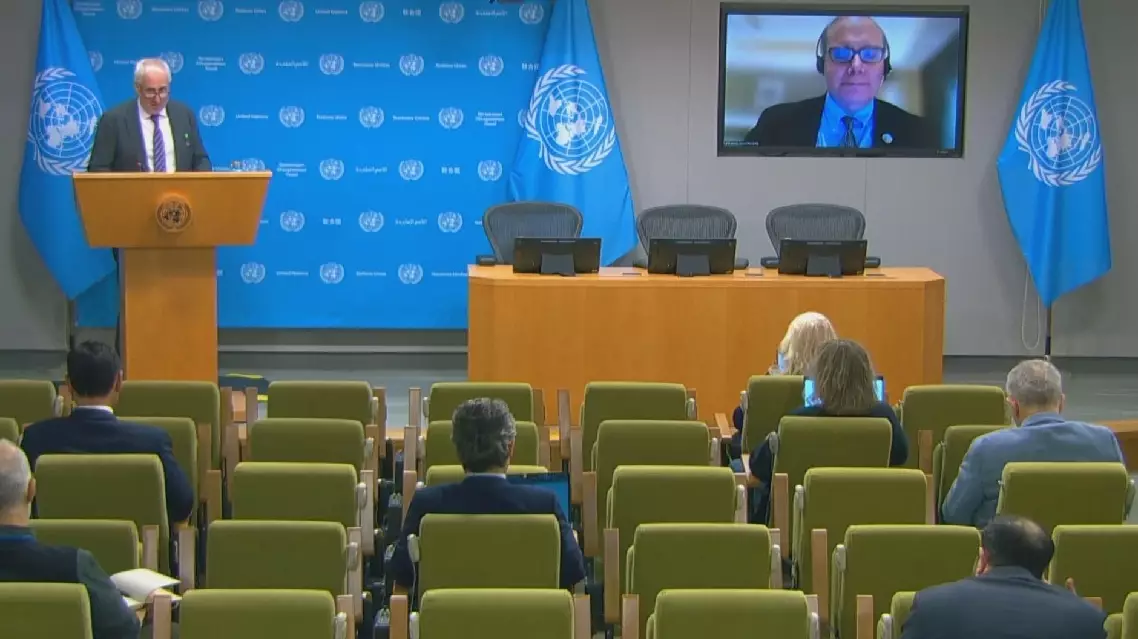
FAO economist warns Mideast conflict threating global food security