Skip to Content Facebook Feature Image

Venezuelans rally to voice support for Maduro

China

China

China

Venezuelans rally to voice support for Maduro

2026-03-27 21:59 Last Updated At:22:37

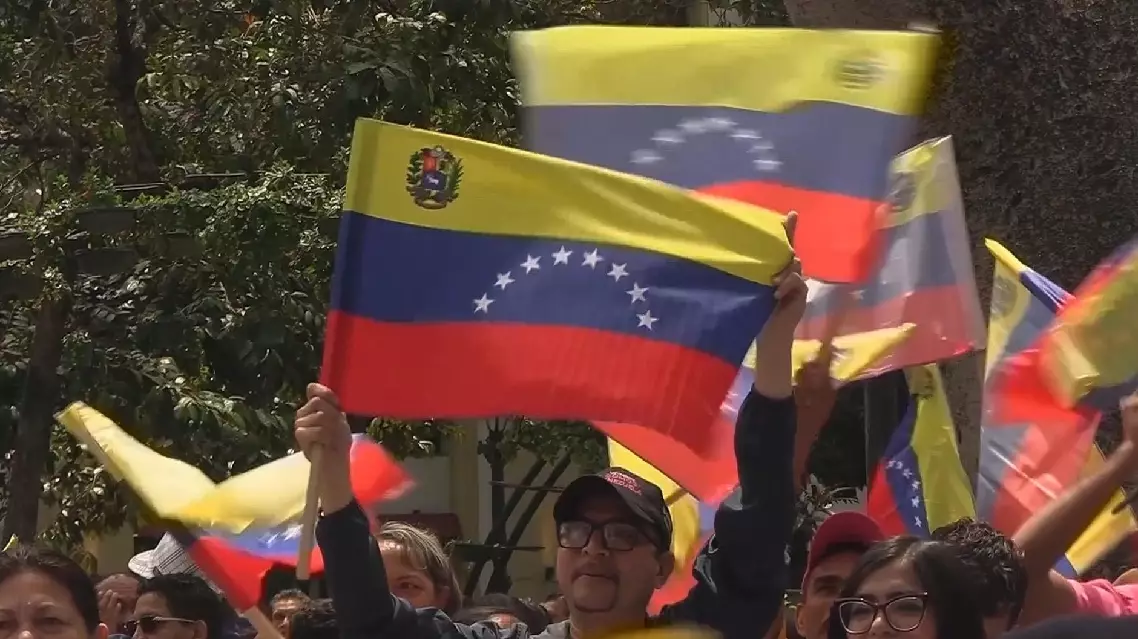
Demonstrators rallied in the Venezuelan capital Caracas and other cities across the country on Thursday to voice support for President Nicolas Maduro, condemning the U.S. forcible seizure of the leader and his wife Cilia Flores, and refuting relevant U.S. charges.

The rallies took place on the same day when Maduro made his second appearance in a New York court. During his first arraignment on Jan 5, Maduro pleaded not guilty to all U.S. charges against him, including drug trafficking, and told the court that he was "kidnapped" from his Caracas residence and he remains president of Venezuela.

On Thursday, Maduro's lawyer continued pushing the judge to throw out the charges in court and argued that the United States is violating Maduro's constitutional rights by blocking Venezuelan government funds from paying for his legal fees.

Though doubting Washington's justification for barring Maduro from using Venezuela's funds to cover his legal defense, the judge denied the dismissal of the case.

"They knew 10 days ago that they had no evidence. No matter how much time passes, they have no evidence to charge Maduro and Flores, who have committed no crime," said Iris Varela, a member of the National Assembly of Venezuela.

On Jan 3, U.S. military forces launched a large-scale strike against Venezuela and forcibly seized Maduro and his wife before transporting them to New York. The U.S. attacks have shocked the international community, triggering a stream of condemnation and serious concerns worldwide.

Ramona Palma, the mother of a Venezuelan soldier killed in the U.S. attack on Jan 3, participated in the rally, demanding Maduro's release and condemning the U.S. military intervention in Venezuela.

"I lost my son. He sacrificed his life while defending our country. In his military boots, he fought for his motherland and devoted himself to the country that had witnessed his growth," said Palma.

According to Venezuelan Defense Minister Vladimir Padrino Lopez, 47 soldiers of the Bolivarian National Armed Forces were killed in the U.S. assault.
Venezuelans rally to voice support for Maduro
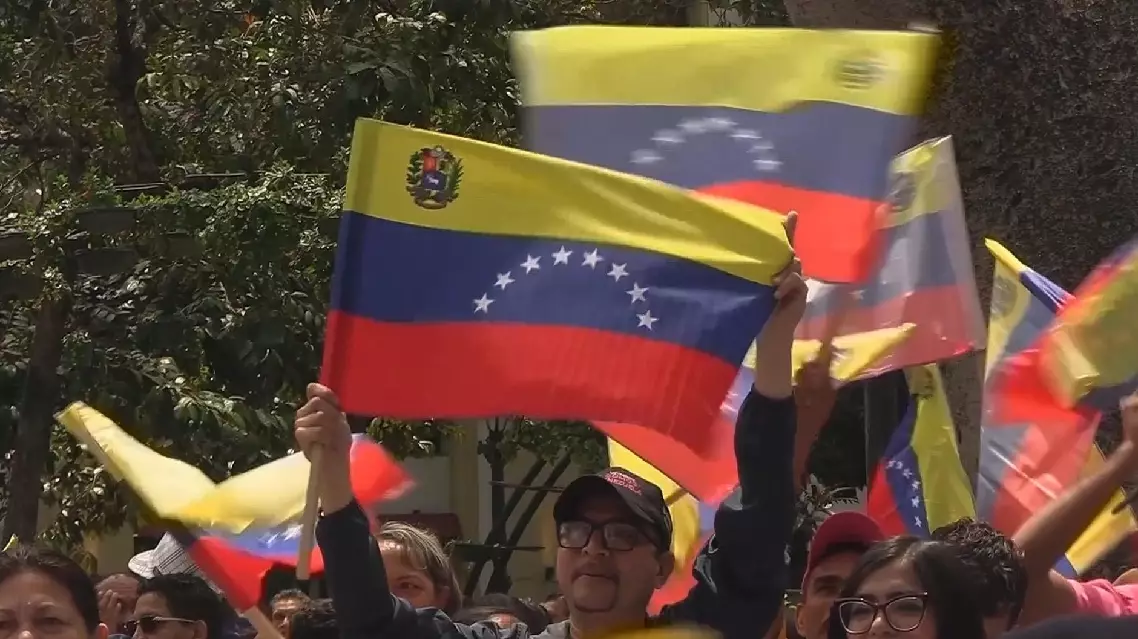
Venezuelans rally to voice support for Maduro
Venezuelans rally to voice support for Maduro
Venezuelans rally to voice support for Maduro
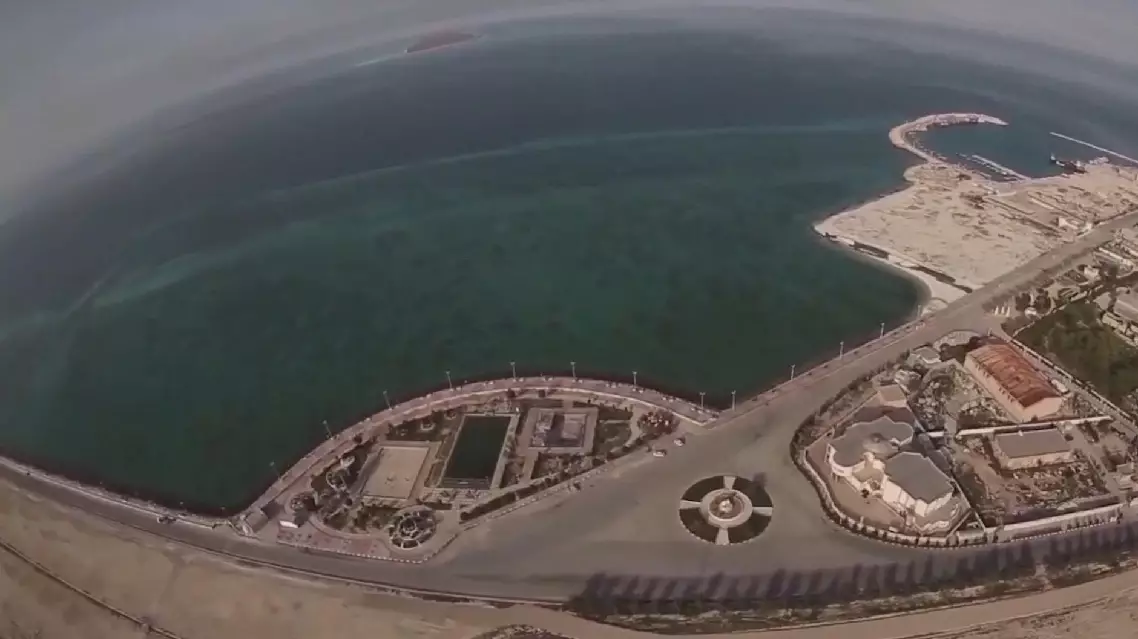
Iran's Islamic Revolution Guard Corps (IRGC) announced on Friday that passage is prohibited for any vessel through any corridor in the Strait of Hormuz to and from the ports of countries allied with and supporting the United States and Israel.

Earlier in the day, the IRGC Navy turned back three container ships with different nationalities that were approaching the corridor only for the authorized vessels' passage, according to a statement published on IRGC's official news outlet Sepah News.

It said the container ships decided to set sail following the "lies" told by U.S. President Donald Trump that the Strait of Hormuz is open.

The IRGC Navy declared the Strait of Hormuz is closed, warning that any transit will face severe consequences, the statement added.

Trump claimed on Thursday that Iran had agreed to let 10 oil tankers pass through the Strait of Hormuz.

Meanwhile, the IRGC urged civilians in regional states to immediately evacuate areas near places where U.S. forces are staying to avoid harm.

In a separate statement on Sepah, the IRGC said the Iranian armed forces have been tasked with killing the "terrorist" forces of the United States and Israel wherever they found them.

In a post on social media platform X on Thursday, Iran's Foreign Minister Seyed Abbas Araghchi warned hotels in the Gulf Cooperation Council (GCC) countries against accepting U.S. soldiers.

"From outset of this war, U.S. soldiers fled military bases in GCC to hide in hotels and offices. They use GCC citizens as human shield," Araghchi said.

On Feb 28, Israel and the United States launched joint attacks on Tehran and several other Iranian cities, killing Iran's then-Supreme Leader Ali Khamenei, along with senior military commanders and civilians. Iran responded by launching waves of missile and drone strikes targeting Israel and U.S. bases and assets in the Middle East.

Strait of Hormuz closed to U.S.-Israel-allied ships:Iran's IRGC

Strait of Hormuz closed to U.S.-Israel-allied ships:Iran's IRGC

Recommended Articles