The latest talks between representatives of the Russian and U.S. lawmakers were productive and successful, according to Russian Ambassador to the United States Alexander Darchiev on Thursday.
A delegation from the Russian State Duma met with U.S. lawmakers in Washington on Thursday, in what several U.S. media outlets described as the first visit by a Russian parliamentary delegation to the United States since the escalation of the Ukraine crisis in 2022.
The talks were successful, according to Darchiev.
The meeting showed that there is hope for restoring dialogue between the Russian and U.S. legislative bodies, he said, adding that the talks will continue on Friday.
Boris Chernyshov, deputy speaker of the State Duma, said that the two sides discussed "a huge number of issues" and the most important thing is that "the dialogue has begun."
"Dialogue is the foundation of trust. We will move forward," he said, adding that the issue of a visit by U.S. representatives to Moscow in May was raised during the talks.
Svetlana Zhurova, first deputy chairwoman of the State Duma Committee on International Affairs, said the talks covered Russian athletes' participation in the 2028 Los Angeles Olympics and friendly hockey matches with U.S. teams.
She also noted that U.S. Congress members support dialogue between Moscow and Kiev to find common ground in resolving the Ukraine crisis.
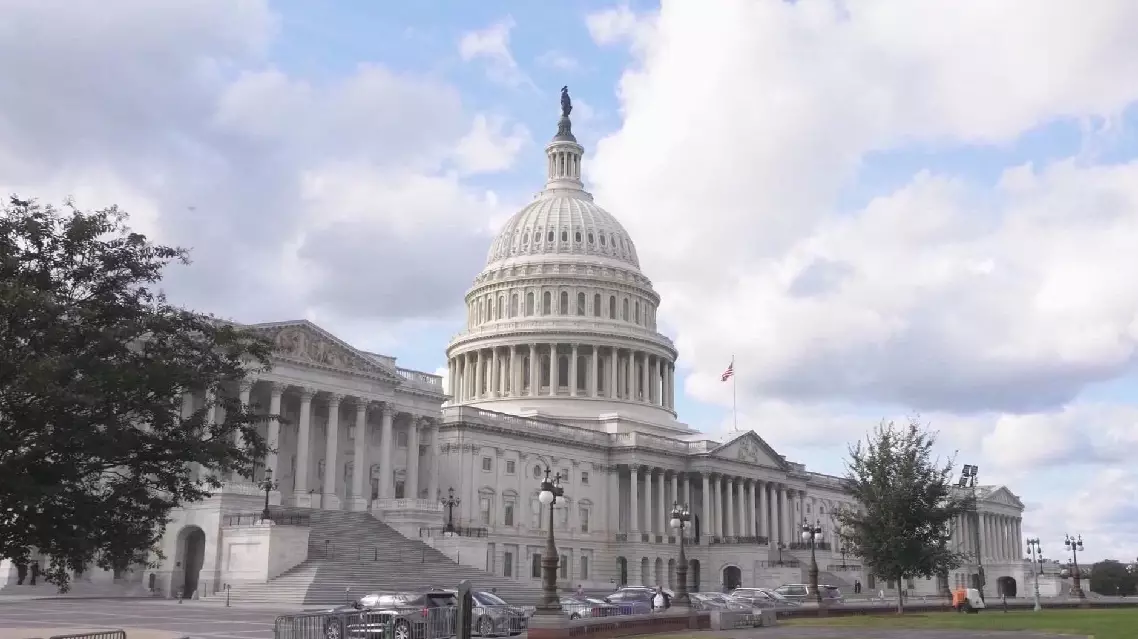
Russian, US lawmakers' meeting in Washington productive, says Russian ambassador
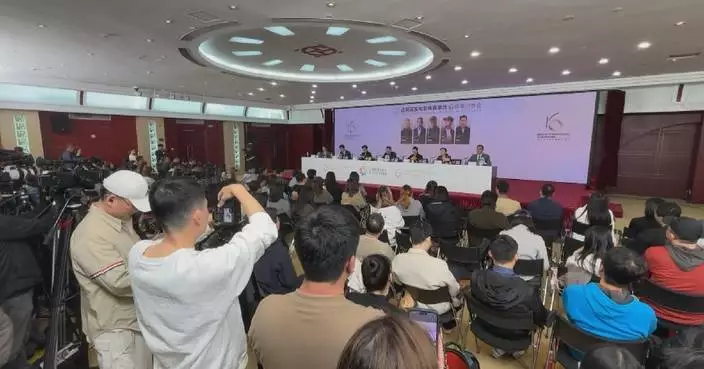
At the 2026 Zhongguancun Forum, ongoing in Beijing, global guests are engaging in a diverse range of topics that connect with them both personally and professionally, from food science and sleep technology to the future of AI and digital privacy.
The five-day forum opened on Wednesday and has attracted over 1,000 guests from more than 100 countries and regions to exchange views under the theme of "Full Integration Between Technological and Industrial Innovation". Their diversity is reflected in their wide-ranging views on emerging technologies and scientific advancements.
Some of the guests have come eager to discuss the compelling ideas behind their own businesses. Samuel Godefroy, president and COO of the Global Food Regulatory Science Society, said that food should be seen as the foundation of health and Chinese traditions offer a wealth of knowledge that could inform future food product development worldwide.
"We consider in fact that health starts with food. It's not with medicines, and probably the best medicine is in our food, and there is a tremendous wealth of experience, of knowledge, but also of ingredients that we can harness in Chinese traditions and potentially that could inform the future of development of food products in China and in other parts of the world," said Godefroy.
Renata Redondo Bonaldi, co-founder and CEO of SleepUp Technology, put her attention on the growing challenge of sleep disorders, saying that the demand for accessible solutions to sleep disorders is rising.
"I think we are living now in a very dynamic world where we are sleeping less. So we see a lot of industries, companies and healthcare providers looking for solutions that would prevent sleep disorder and that would treat and diagnose in a more accessible, affordable, and cheaper way at home, so people don't need to go to hospitals to do it. We see big opportunities to apply our technology in the industry, so we are very excited and looking forward to finding industry partners and customers," she said.
For others, the appeal of the gathering is to learn about these and other cutting-edge ideas that are finding applications in the real world.
More than 560 cutting-edge scientific and technological achievements and products have been showcased at the forum. The intelligence zone, featuring robots performing everyday tasks from sorting packages to threading needles, drew the biggest crowds. Technical solutions in frontier fields, such as automatic implantation of invasive brain-computer interface surgeries, also attracted flocks of visitors.
Yuan Jinyun, a mathematician and academician at the Brazilian Academy of Sciences, voiced both excitement and concern about artificial intelligence.
"Nowadays, artificial intelligence is developing rapidly in various industries, especially in the medical field. I'm very excited about it and I hope to learn some new things. AI is developing so fast. In the future, it's possible that artificial intelligence will guide itself. I have a pessimistic view that we will all eventually become the pets of robots," Yuan said.
Anxieties about digital privacy also surfaced alongside discussions of technological innovation at the forum. Jean Zimmermann, general manager of airport advertising company JCDecaux Airport, said he avoids sharing personal data online.
"I'm very curious to hear what the participants will be sharing about privacy. I'm actually very cautious about everything that's cloud, that's online. I personally share nothing on my social media because I think that many people don't really grasp yet that everything that you share will be there forever," said Zimmermann.
"In France, we say to live happy, you need to live in hiding. So I think in general protection of privacy is a key topic," he added.
Founded in 2007, the Zhongguancun Forum has evolved into a global, comprehensive open and high-level international event for enhancing global innovation in science and technology.
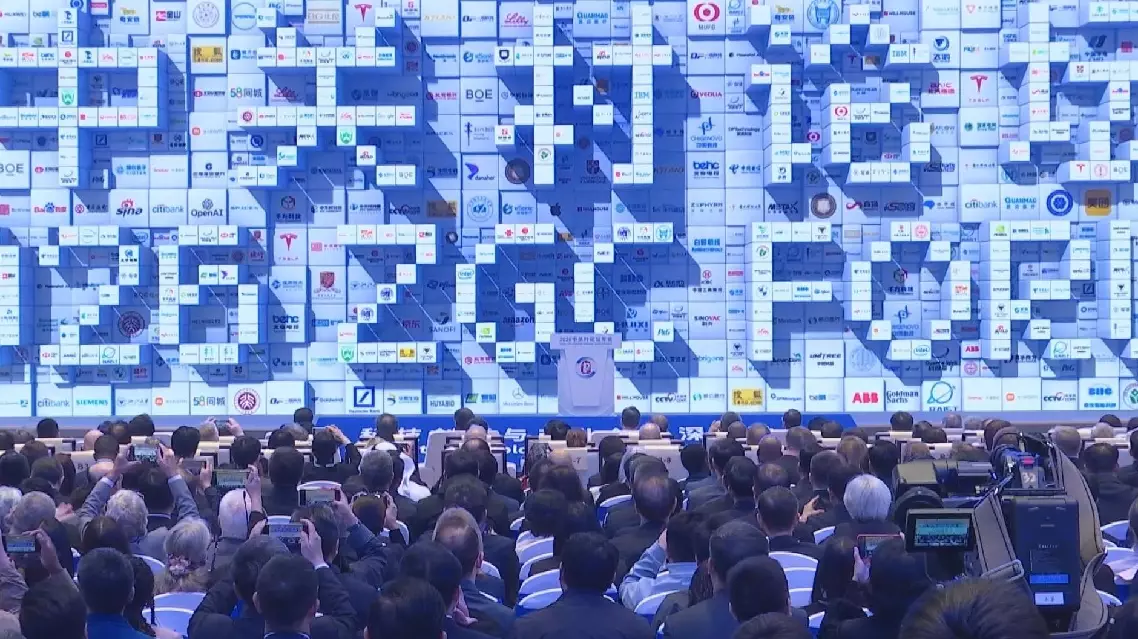
Guests at Zhongguancun Forum engage in diverse topics, from sleep health to privacy protection