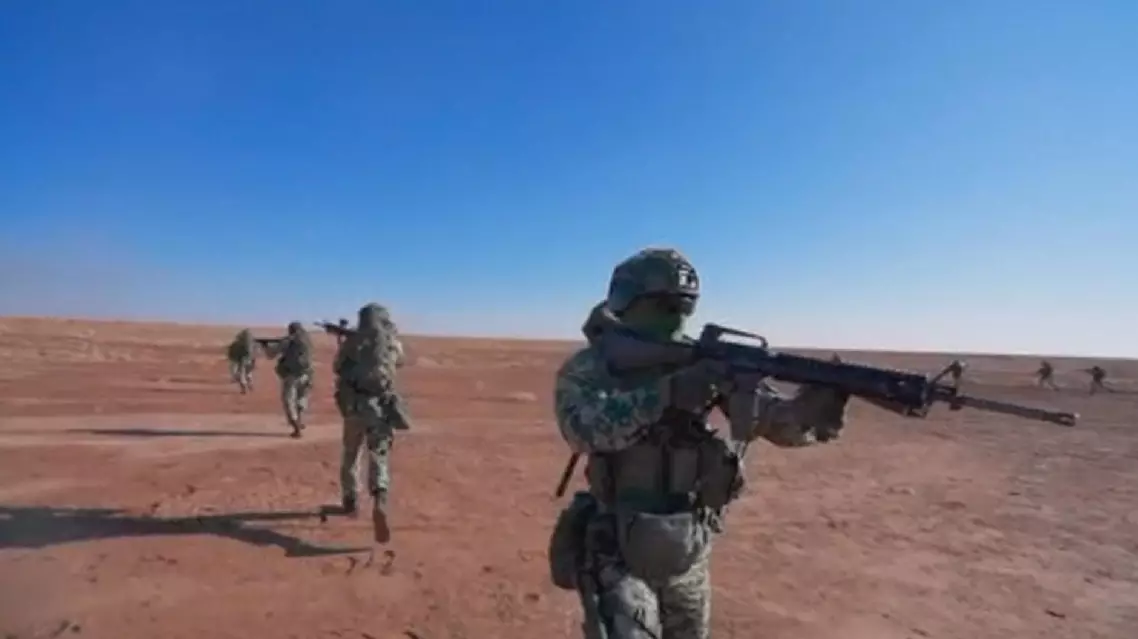
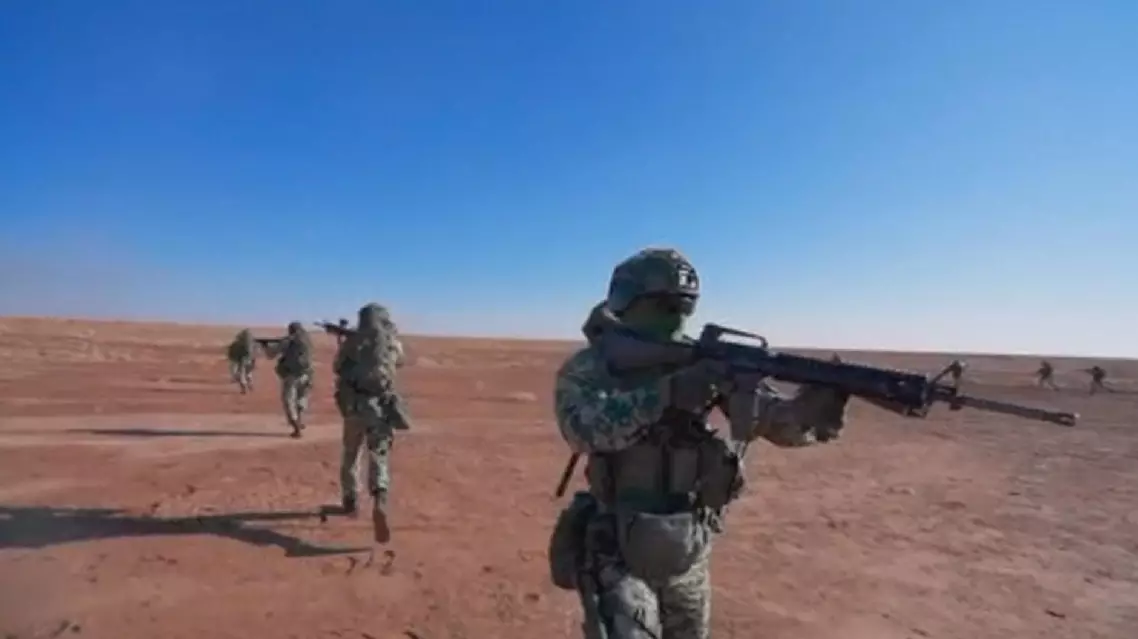
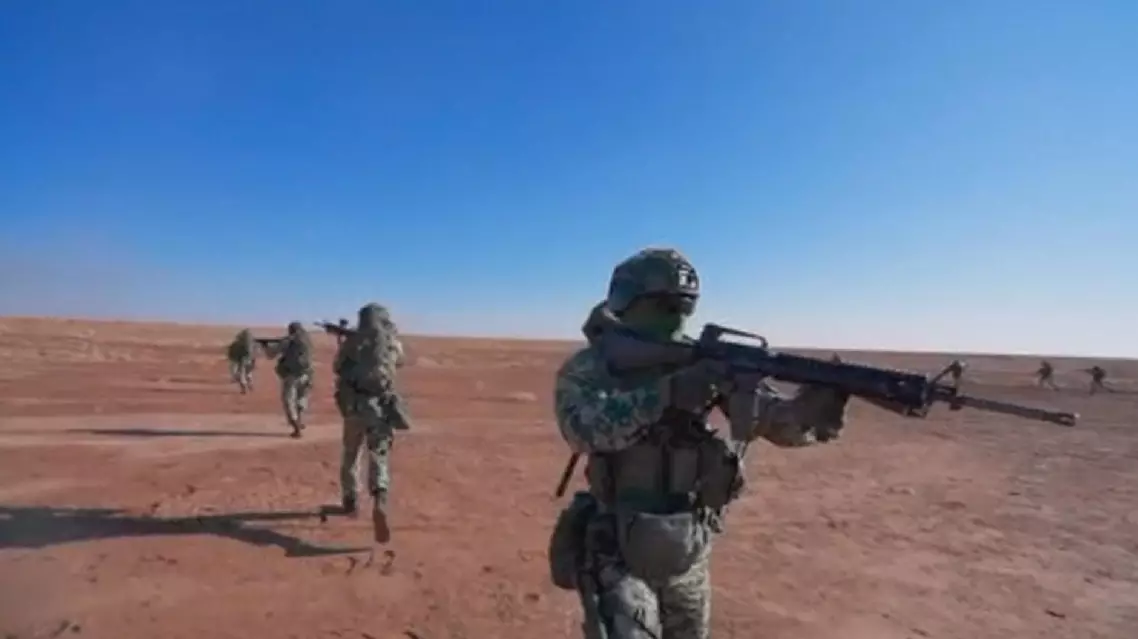
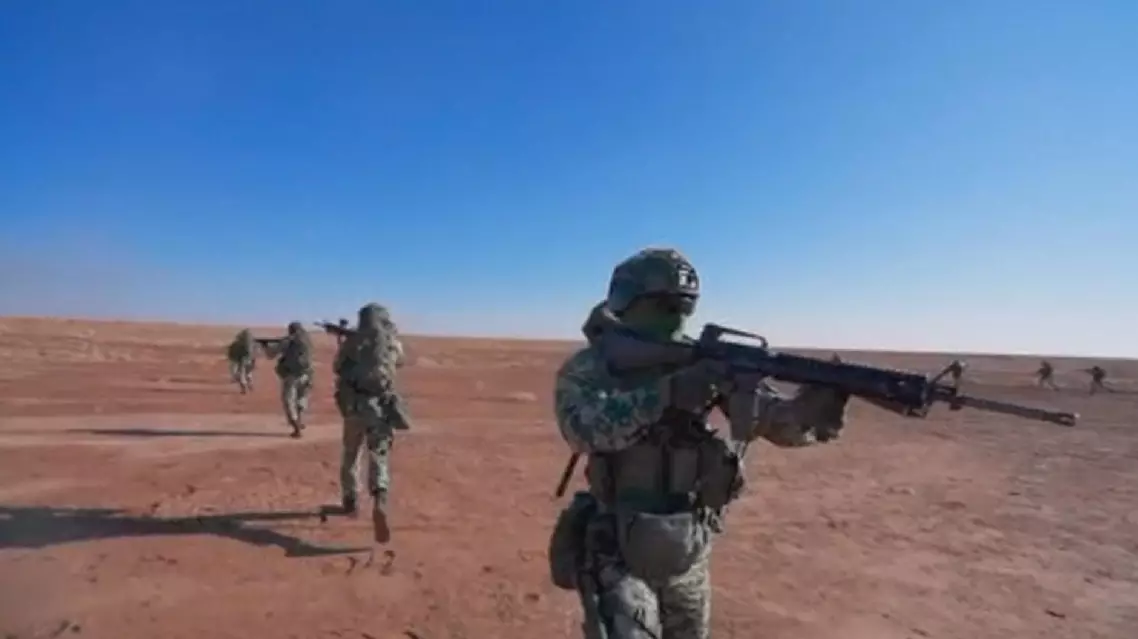
Iranian Army Ground Force Commander Brigadier General Ali Jahanshahi on Thursday warned that the enemy must understand that a ground war will be "more dangerous and costly" for them, as the U.S. administration under President Donald Trump weighs a ground attack on the country.
During his inspection tour of the country's borders, Jahanshahi emphasized that every inch of Iran's territory is protected by vigilant Iranian troops, who are monitoring all enemy movements while standing ready for any scenario.
Click to Gallery
Iranian army commander warns U.S. ground warfare 'dangerous, costly'
Iranian army commander warns U.S. ground warfare 'dangerous, costly'
Iranian army commander warns U.S. ground warfare 'dangerous, costly'
Iranian army commander warns U.S. ground warfare 'dangerous, costly'
Iranian army commander warns U.S. ground warfare 'dangerous, costly'
The Iranian army forces are standing firm and steadfast on the frontlines of defense and they will incapacitate the enemy, he said.
Also on Thursday, an Iranian military source said that Iran has mobilized more than one million troops in preparation for a potential U.S. ground invasion.
In recent days there has been a massive influx of applications from Iranian youth directed into the centers of Basij, the Islamic Revolution Guards Corps (IRGC), and the Artesh (Iran's regular army) for participation in possible ground battles.
Trump is reportedly considering the deployment of 10,000 additional ground troops to the Middle East to give Washington more military options amid negotiations with Iran.
The president on Thursday put on pause his threat to bomb Iran's energy plants for 10 days unless Tehran reopens the Strait of Hormuz.
Iranian army commander warns U.S. ground warfare 'dangerous, costly'
Iranian army commander warns U.S. ground warfare 'dangerous, costly'
Iranian army commander warns U.S. ground warfare 'dangerous, costly'
Iranian army commander warns U.S. ground warfare 'dangerous, costly'
Iranian army commander warns U.S. ground warfare 'dangerous, costly'
Iranian President Masoud Pezeshkian said Sunday that decisions on war and negotiations rest with Iran's leadership and the Supreme National Security Council, as U.S. Defense Secretary Pete Hegseth said the two countries were still expected to sign a memorandum of understanding later in the day.
At a meeting on Sunday, Pezeshkian said that everyone must obey the decisions made by Iran's Supreme Leader, adding that the Iranian government simultaneously pursues the well-being of its people, national sovereignty, and the development of regional relations.
He stressed that through internal unity, proactive diplomacy, and economic reforms, Iran will overcome challenges.
On the same day, prior to Israel's attack on Lebanon, a source close to the Iranian negotiating team said a Qatari negotiating delegation was in Tehran, Iran's capital, and that the Iranian side was using the Qatari team to convey to the United States the terms it hoped to include in an Iran-U.S. agreement, as well as specific details it considered important.
The source emphasized that no final decision had been reached yet.
Regarding the ups and downs in the negotiations, the source said that, despite setbacks, Iran remains committed to the principle that all of its concerns must ultimately be fully taken into account. The source added that even if Iran's positions are fully reflected in the agreement, Tehran will not sign any deal within the timeframe announced by U.S. President Donald Trump.
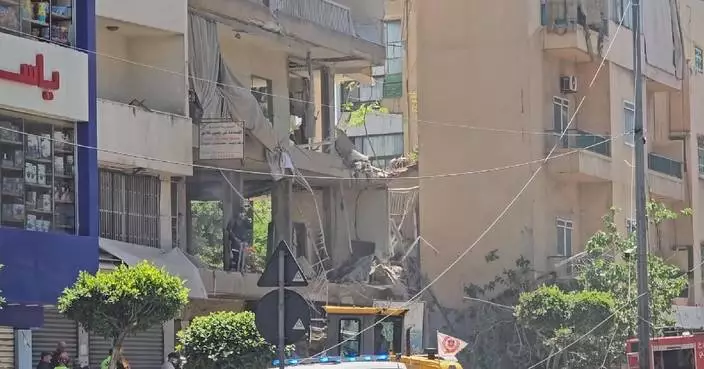
On Sunday, the Israeli military again launched an airstrike in Beirut's southern suburbs in Lebanon.
In response, Iranian Parliament Speaker Mohammad Bagher Ghalibaf said on social media that the Israeli strike had once again shown the United States "either lacks the will to fulfill its commitments or the ability to do so," making it impossible to continue the dialogue process.
Meanwhile, U.S. Defense Secretary Pete Hegseth said Sunday that the U.S. and Iran still had a good chance of signing a memorandum of understanding later in the day, which would restart cargo traffic through the Strait of Hormuz and lift U.S. blockades on Iranian ports.
In an interview with U.S. media, Hegseth said the two countries are "on track to" sign a deal to end fighting on Sunday.
"It's not a matter of if, it's a matter of when," he said.
Hegseth said that after the agreement is signed, the U.S. and Iran will have 60 days to negotiate a longer-term peace arrangement and tackle broader issues, including Iran's nuclear program.
He said that the agreement is performance-based, meaning that no funds will be released to Iran until the Iranian side performs.
Iranian president says Iran's leadership decides on war, talk; US defense secretary expects MoU signed on Sunday