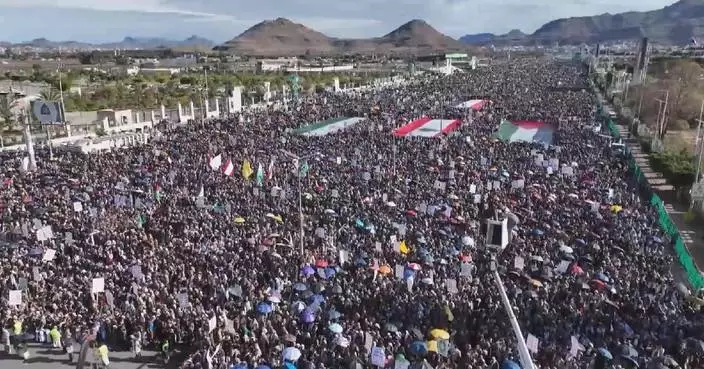
Escalating clashes between Iran, the United States and Israel have spread into neighboring states, battering economies in the United Arab Emirates (UAE), Qatar and Iraq and unsettling daily life throughout the Gulf.
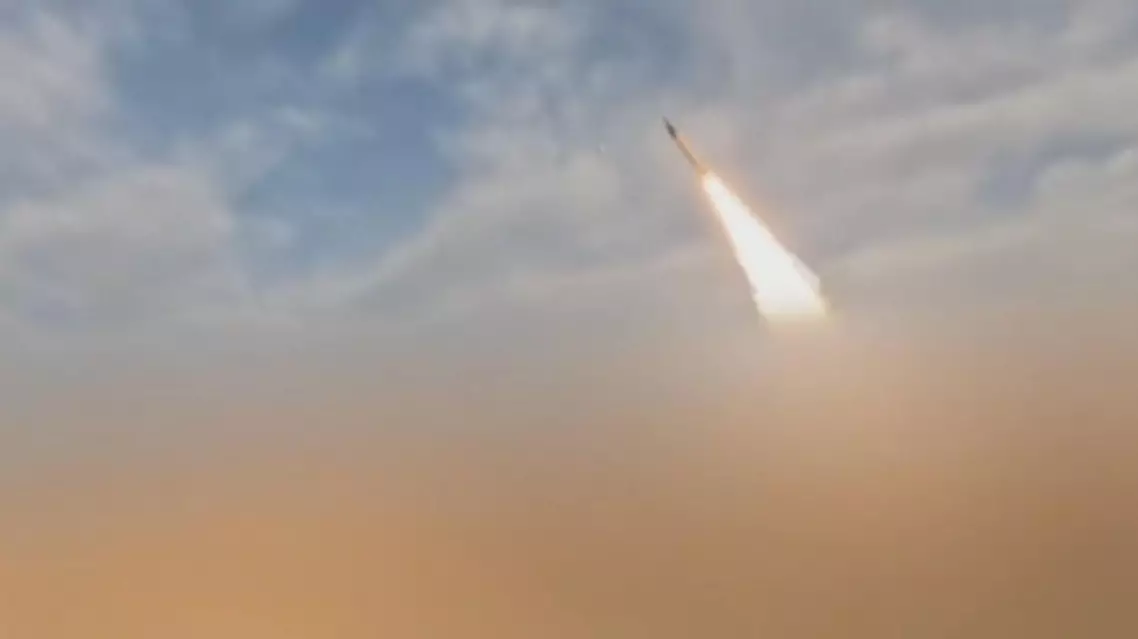
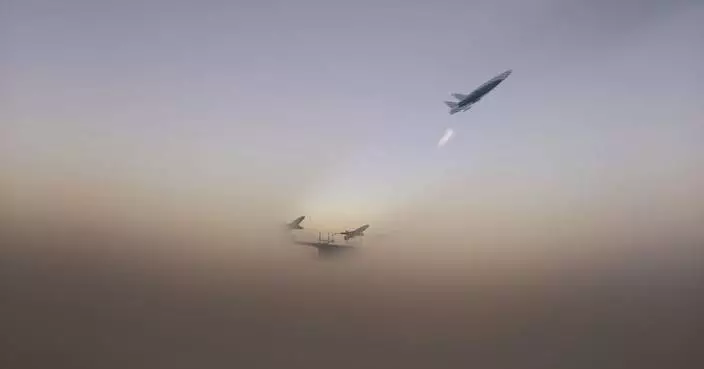
After U.S. and Israeli strikes on Iran on February 28, Tehran retaliated with waves of missiles targeting Israel and U.S. military facilities across the six Gulf Cooperation Council (GCC) states -- Bahrain, Kuwait, Oman, Qatar, Saudi Arabia and the UAE, as well as Jordan, which is not part of the GCC but maintains close ties to the bloc.
In the UAE, migrant workers said the strikes have fueled safety concerns and rising prices, while pushing most offices toward remote work.
"Within one month from last February till now, the situation [has affected] the share markets or goods, prices are increasing, [have been] high due to this war, and this is also affecting officers, so like 90 percent of officers would like to work from home," said Akshay Pande, an Indian migrant worker in the UAE.
"We should not fight for no reason, right? Unity is the best option, and peace, which is what you're asking about," said Mansi Wagh, another Indian migrant worker.
U.S. military bases in Qatar have faced repeated Iranian missile and drone strikes, with energy facilities also hit.
Residents have cited economic hardship and disruptions to daily life as they called for the war to end
"Right now, we're doing remote learning, aka online learning, and I think it's not really the best for me because I can get distracted easily with alerts and everything going off, and I'm not paying my full attention to it. And my friends, as well, I can't really see them. I just really miss going out, being with my friends and everything. And I just really hope this war will soon come to peace and end," said Sofia Elizalde, a resident.
"It has affected me in a way that every time, I have to keep worrying about the next minute how it will be. And also, for the business, the guests, they cannot come as usual because they are also worried. They are driving, [yet] the bombs are everywhere. If only they could end these things for us to go back to our way of life," said Purity, another resident.
In Iraq, which borders Iran, the conflict has loomed heavily over society. In the capital Baghdad, residents express widespread concern about the future of regional security.
"People do not know when this war will end, especially with the recent U.S.-Israeli airstrikes on the borders of Anbar and Kirkuk provinces in northern Iraq. All these events have affected us. People have started to feel fear and unease and are unwilling to go out," said Abdul Jalil al-Rubaie, a resident.
"The attack on Iran was a unilateral decision made by the U.S. Originally, the U.S. was in negotiations with Iran. When the U.S. and Israel suddenly launched military action against Iran, we were deeply shocked. It was an unwise decision. Iraqis know war well. We are geographically located at the heart of regional conflict. Warplanes and missiles are flying overhead, ports have been shut down, and oil exports have halted. This war has impacted the entire Gulf and Middle East region," said Majid al-Fayli, another resident.
Across the Gulf and beyond, the conflict has shaken economies and unsettled communities, intensifying calls for peace and stability.
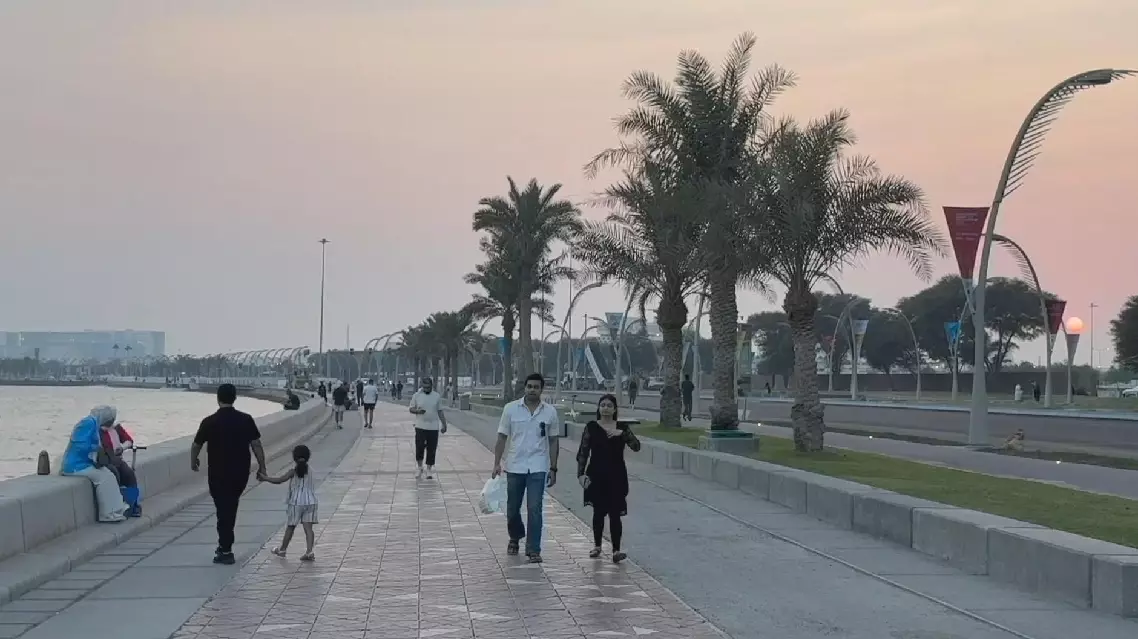
Residents across Gulf call for peace as war disrupts daily life
Residents across Gulf call for peace as war disrupts daily life