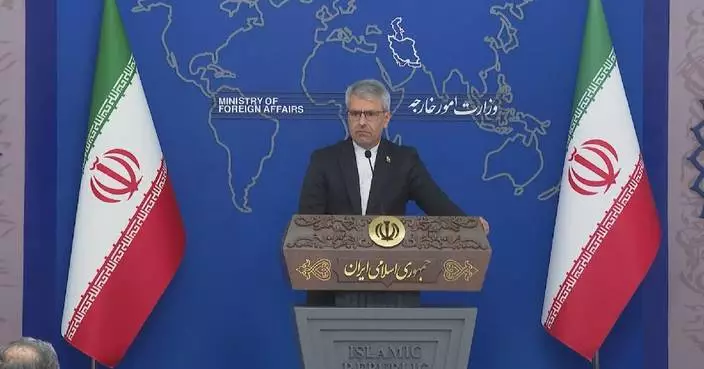
The joint U.S.-Israeli military strikes have killed more than 230 children and injured 1,800 others in Iran, according to the country's Ministry of Health on Saturday.
The Iranian side also said that the country's medical and health infrastructure had been severely damaged by the strikes.
According to statistics, the attacks have damaged 50 first-aid stations, 41 medical centers, and 199 health institutions. In addition, six hospitals have been forced to evacuate, 38 ambulances have been damaged, and 24 medical staff members have been killed.
The conflict erupted on Feb. 28 when the United States and Israel launched airstrikes on Tehran and several other Iranian cities. Since then, the attacks have continued, targeting key Iranian military command centers, missile installations, energy infrastructures and nuclear facilities.
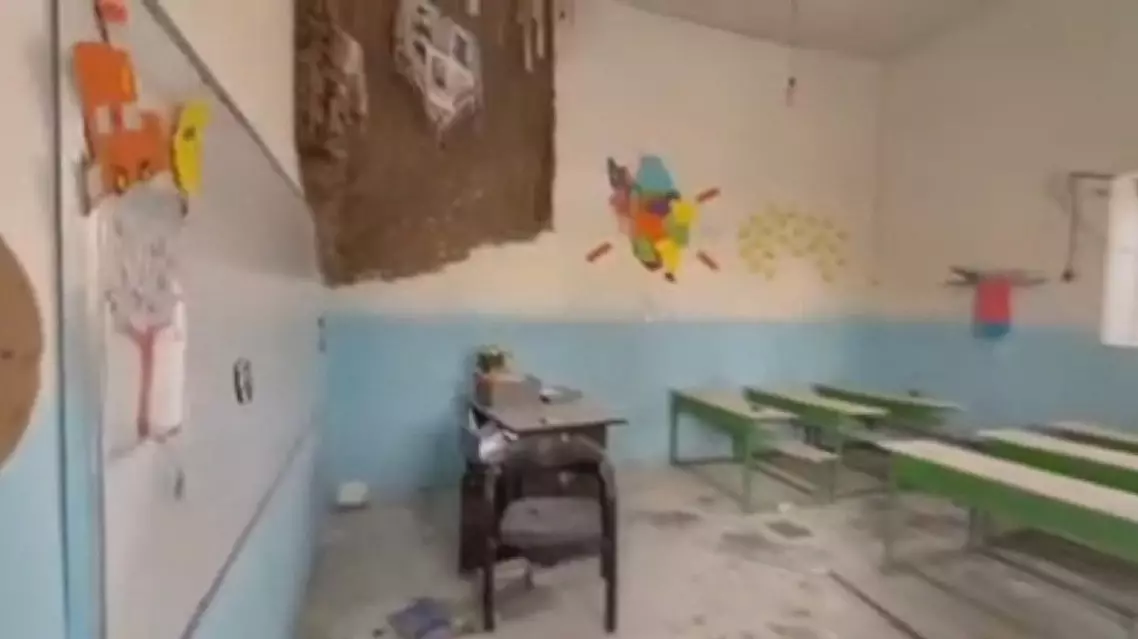
Over 230 children killed in US-Israeli attacks on Iran: health ministry
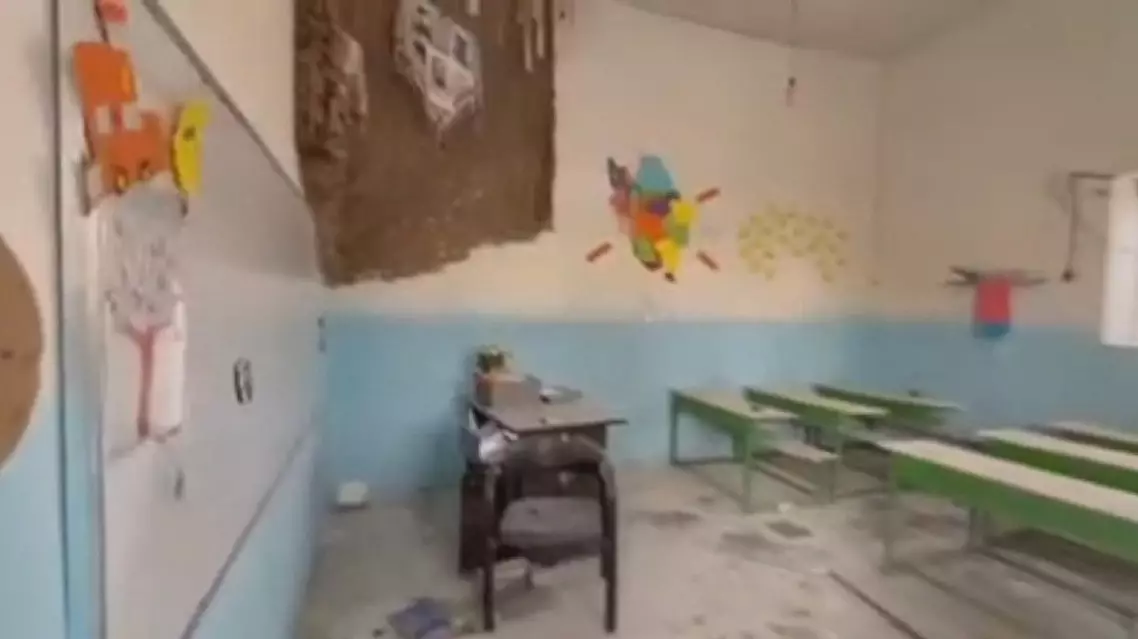
Over 230 children killed in US-Israeli attacks on Iran: health ministry
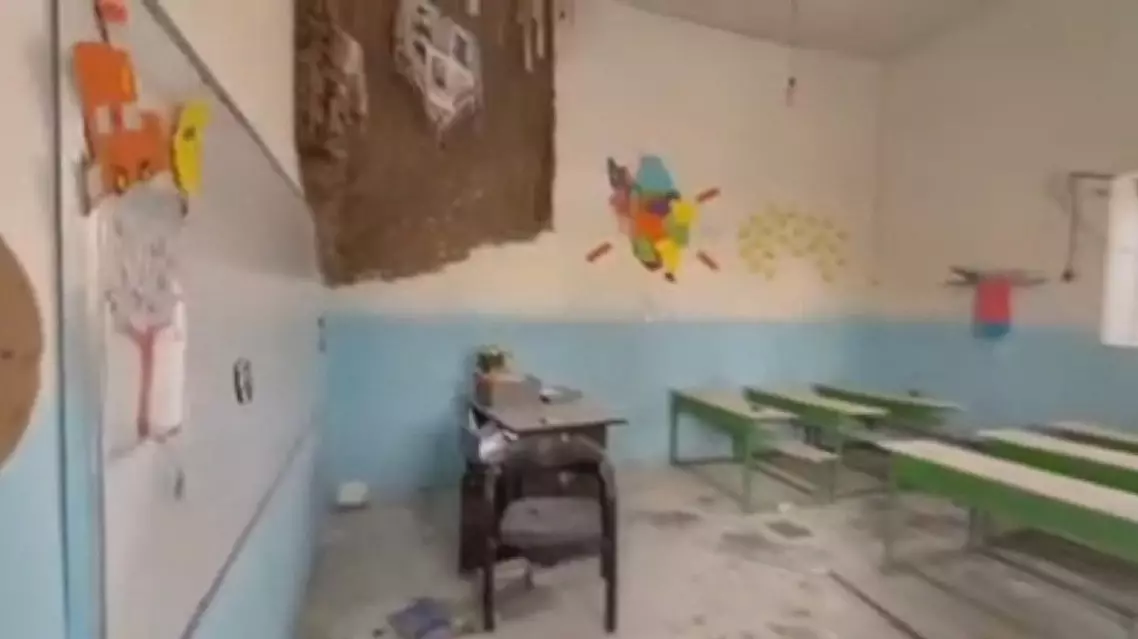
Over 230 children killed in US-Israeli attacks on Iran: health ministry
China donated a shipment of critical medical supplies to Jordan's Royal Medical Services on Monday to bolster healthcare for sick and wounded Palestinians who have fled Gaza.
The supplies include essential medical equipment and consumables, as well as surgical equipment, patient monitors, medical beds, and transport stretchers. According to Jordanian sources, these supplies are being distributed to multiple hospitals and medical institutions across the country.
Hatem Al-Abbadi, assistant director general of the Jordanian Royal Medical Services, thanked China for its support, saying the donation would help relieve the suffering of people in Gaza and reflected the strong relations between Jordan and China.
He also voiced hope for further cooperation between the two countries in the medical and humanitarian fields.
"This medical support reflects the joint efforts of Jordan and China to advance and continuously develop their cooperation. Whether in the present, the past, or the future, we look forward to continuing our cooperation," he said.
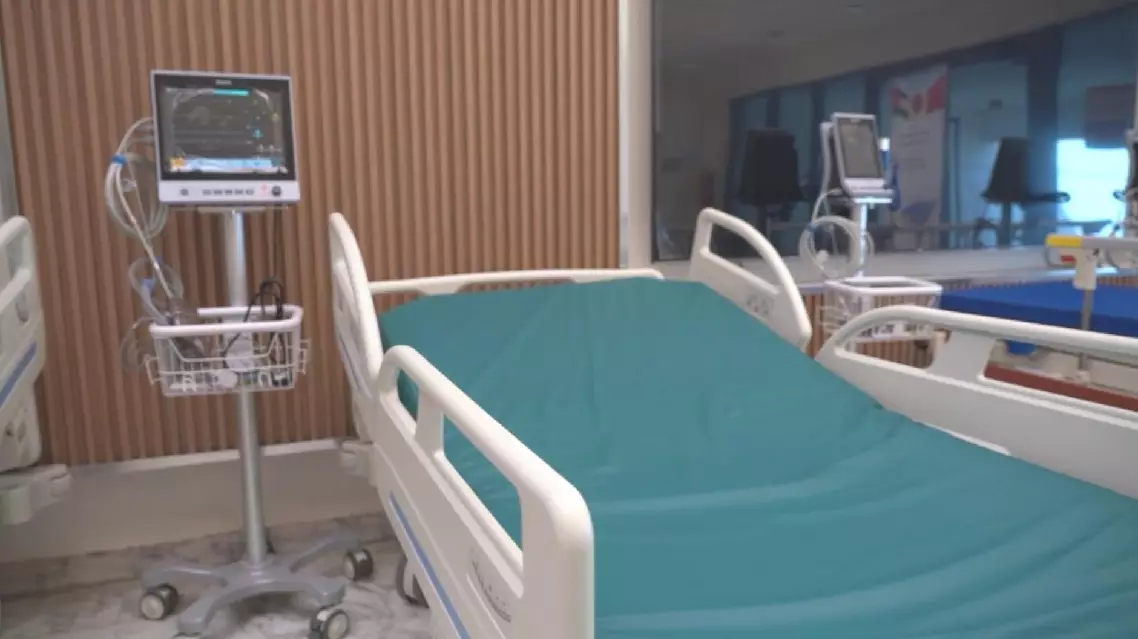
China donates medical supplies to Jordan for wounded Gaza refugees