A month into the Middle East conflict, Asian nations are feeling the pinch as the closure of the Strait of Hormuz disrupts global energy supplies, with Singapore, a tiny city-state that imports almost everything, bracing for higher costs and slower growth.
About a quarter of the world's seaborne oil trade, along with a host of other commodities, passes through the strategic waterway, much of it destined for Asia. The fallout is already being felt across emerging Asia, with some countries shortening work weeks and shutting down gas stations.
Shipping and energy analysts at Standard and Poor's Global Energy have been fielding urgent calls from clients struggling with extreme market volatility since the conflict began on Feb 28.
"The bunker price has increased, almost doubled. What used to be like around 400, 500 dollars, it has moved to 1,000 dollars. And then the premium on the physical delivery has also increased significantly. What it means is who will take this risk? That is the key question. Then, on top of this, the flows, like for example, if a Korean power plant was looking to get a coal parcel from Colombia, which used to get delivered in 45 days now taking much more longer, because of the expensive bunkers," said Pranay Shukla, director of the Metals Trading Research and Dry Bulk Shipping of Standard and Poor's Global Energy.
Although Singapore is relatively well-positioned in terms of energy reserves, higher energy prices could translate into higher costs for businesses and consumers, weighing on both the local and global economies.
"It will be quite immediately reflected in Singapore's GDP figures. For now, we are seeing service sector being affected, goods sectors still getting a little bit of a lift. But if the situation in the Middle East doesn't improve, tension continues to remain escalated, then it will gradually be reflected, not just in higher prices for consumers here, firstly on the transportation side, but gradually, just through what they pay for everyday goods and services. And then for businesses, if they want to see a pullback in goods and services demand, they may be more cautious about hiring. So the trickle down effect will become more obvious in the next month or two," said Song Seng Wun, an economic advisor at SDAX.
Singapore's Foreign Minister Vivian Balakrishnan said this week that the closure of the Strait of Hormuz is, in a sense, an Asian crisis. The vulnerability has long been known, he noted, but it has never been tested to the extreme it is being tested today.
For Singapore, which imports almost everything from energy to food, the immediate impact of the Iran conflict will likely come through higher energy, logistics and business costs. While the country has contingency plans and ample fiscal room to support households and businesses, experts warn that prolonged instability will inevitably take a toll. After all, the open nature of Singapore's economy makes it a direct reflection of its external environment.
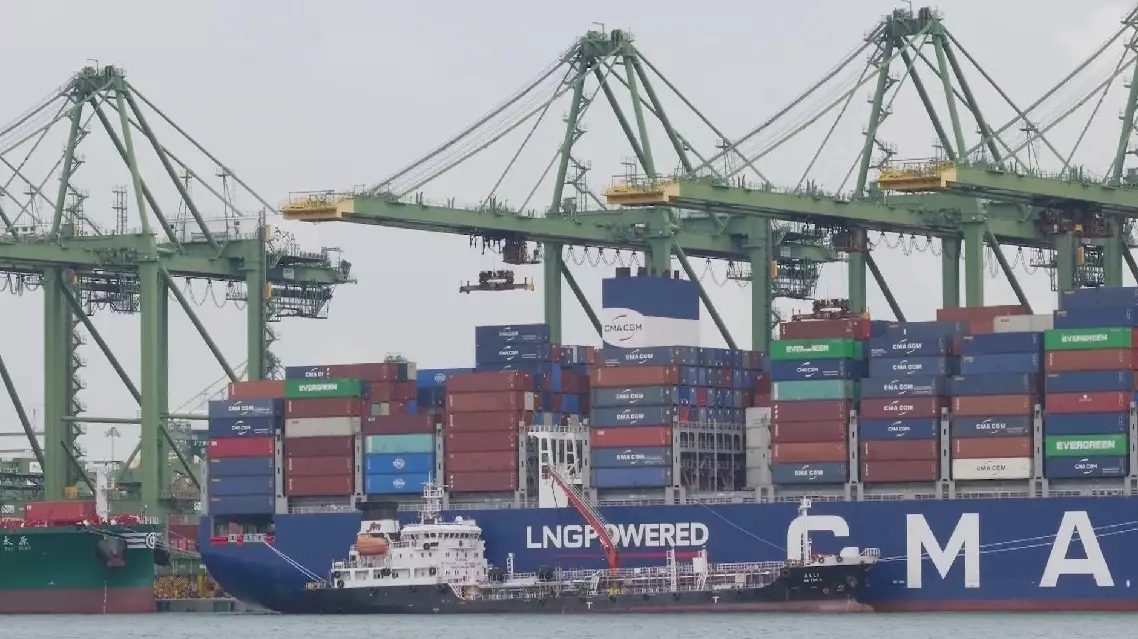
Crisis in Strait of Hormuz ripples across Asia, threatens Singapore's economy