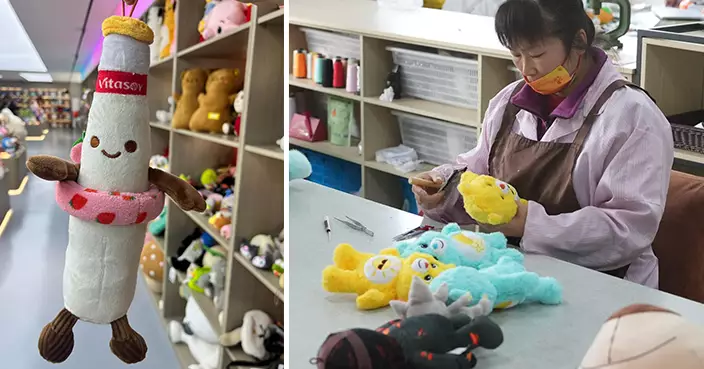
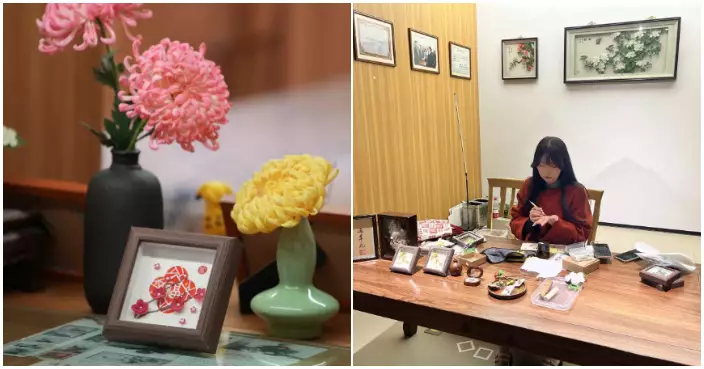
The Hong Kong media delegation gained a firsthand appreciation of the three Wuxi cultural signatures on March 27, touring a Huishan clay figurine workshop and a miniature embroidery studio during the day, and experiencing the cultural activities along the ancient canal in the evening.
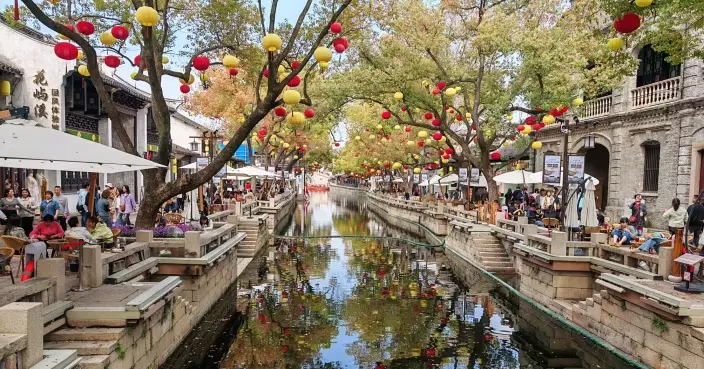
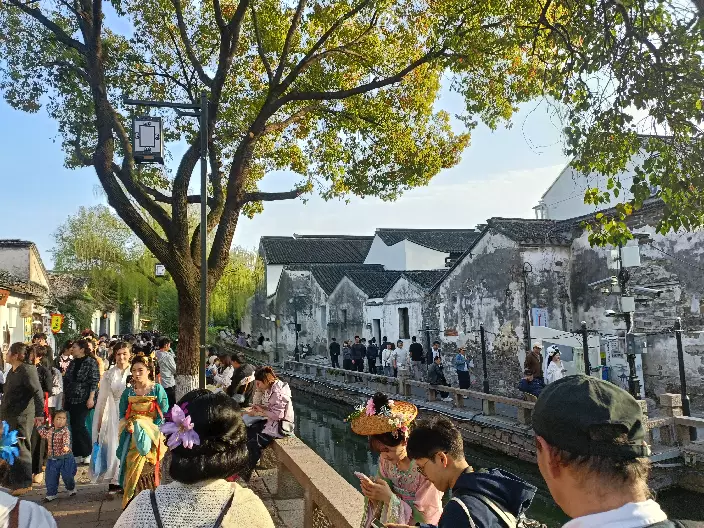
The Hong Kong media delegation visited Huishan Ancient Town on March 27. Photo by Bastille Post
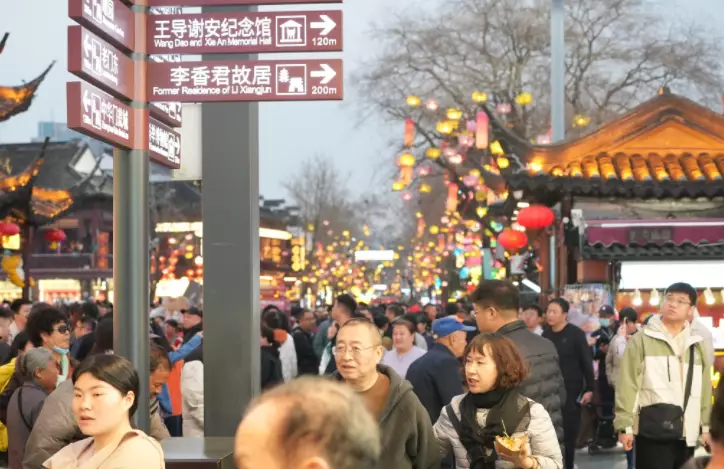
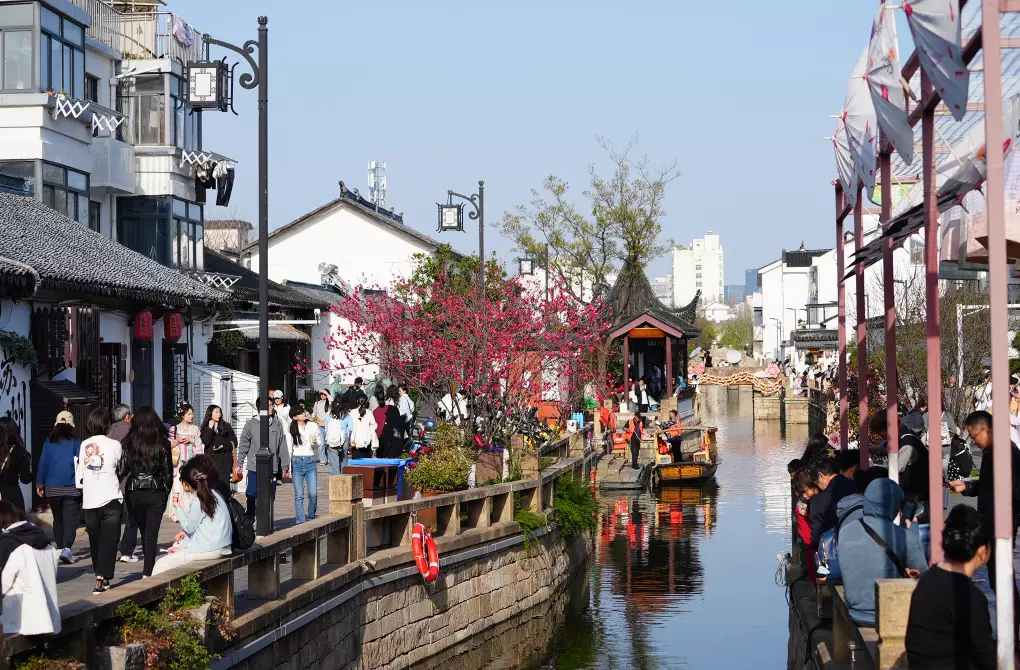
The delegation arrived at Huishan Ancient Town in the afternoon, beginning their visit at Yingyueli Historical Block, which is steeped in the cultural legacy of Erquan Yingyue ("The Moon's Reflection on the Second Spring"), linking the glamour of Xihui Mountains and the Grand Canal. As the main stage of the Wuxi Sub-venue of the 2025 CMG Spring Festival Gala, Yingyueli Historical Block is well-known for Baoshan Bridge and Xishan First Building among its most recognized filming locations. The delegation also strolled through Jichang Garden, one of the four famed gardens in Jiangnan that features artfully stacked rocks, serene ponds, and shaded ancient trees, in this national 5A-level scenic area. Moreover, the delegation visited the Second Spring under Heaven, appreciating the scenery of the courtyard complex of springs, pools, streams, and stone inscriptions from successive dynasties. Among them, the stone inscription personally inscribed by Zhao Mengfu of the Yuan Dynasty even remains intact today, spanning a historical legacy over a thousand years.
Click to Gallery
The Hong Kong media delegation visited Huishan Ancient Town on March 27. Photo by Bastille Post
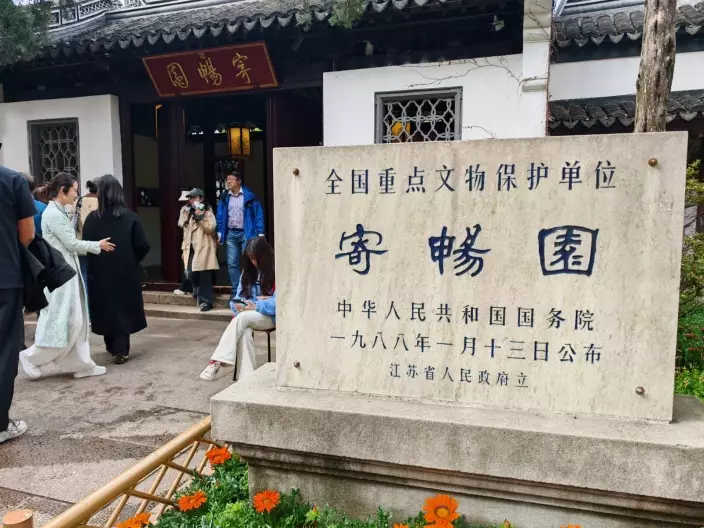
The delegation also strolled through Jichang Garden, one of the four famed gardens in Jiangnan that features artfully stacked rocks, serene ponds, and shaded ancient trees. Photo by Bastille Post
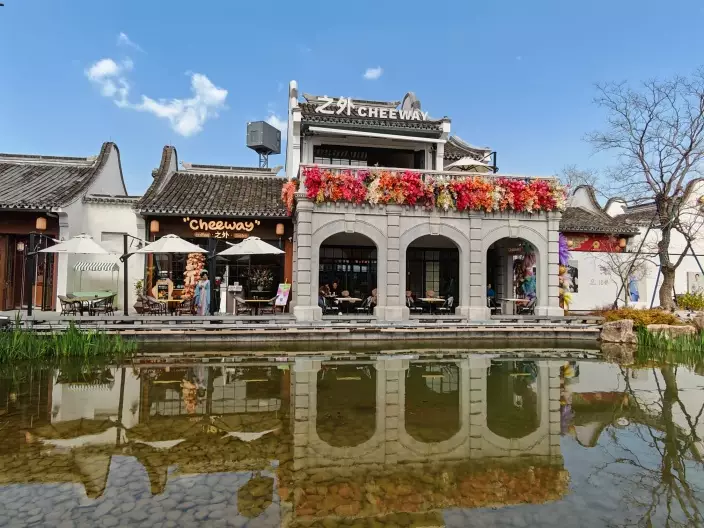
Photo by Bastille Post
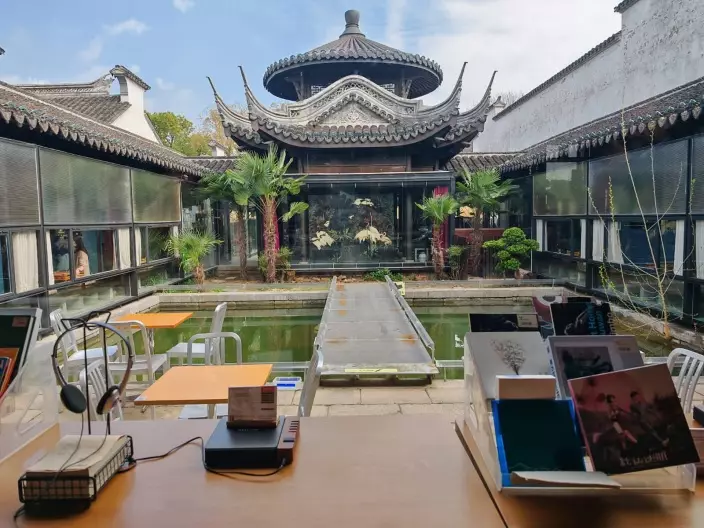
The delegation then visited Sound Hall, a music and cultural landmark transformed from a century-old architecture. Photo by Bastille Post
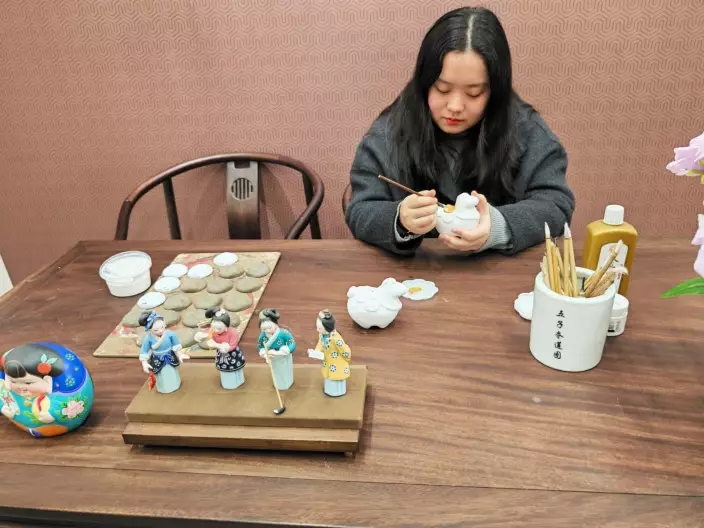
Huishan clay figurines are crafted from a local specialty, “Huishan black clay”. Photo by Bastille Post
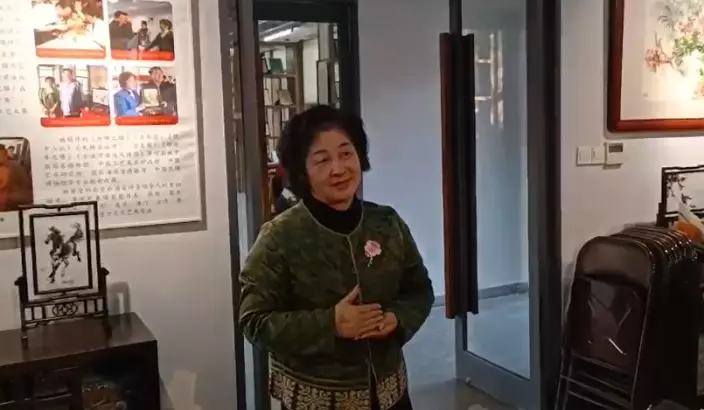
Zhao Hongyu, a national-level inheritor of intangible cultural heritage, has been practicing embroidery since 1973 and has specialized in miniature embroidery for over 50 years. Photo by Bastille Post
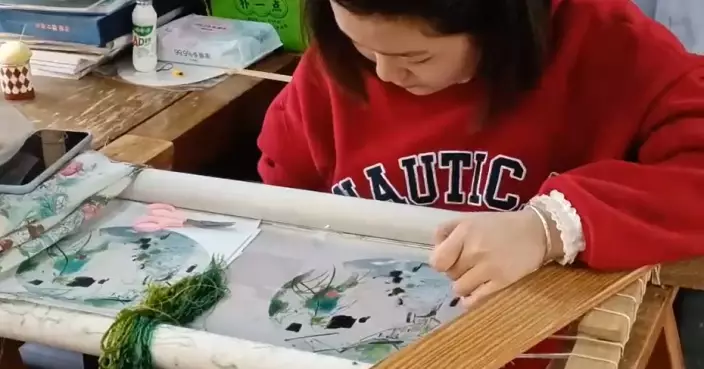
Double-sided miniature embroidery requires splitting a single silk strand into seventieths or eightieths of its original thickness to achieve the finest threads. Photo by Bastille Post
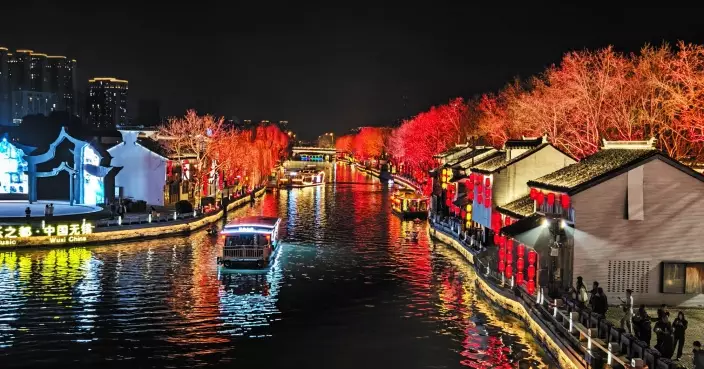
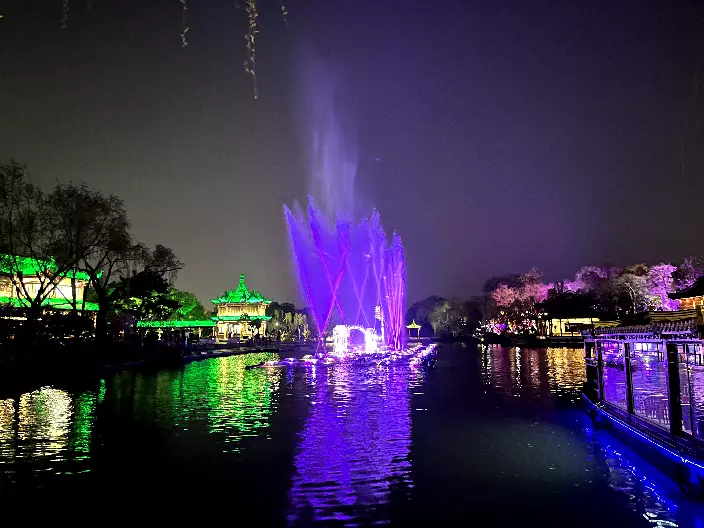
As night fell, the media delegation boarded a boat to admire the Qingming Bridge section of the ancient canal. Photo by Bastille Post
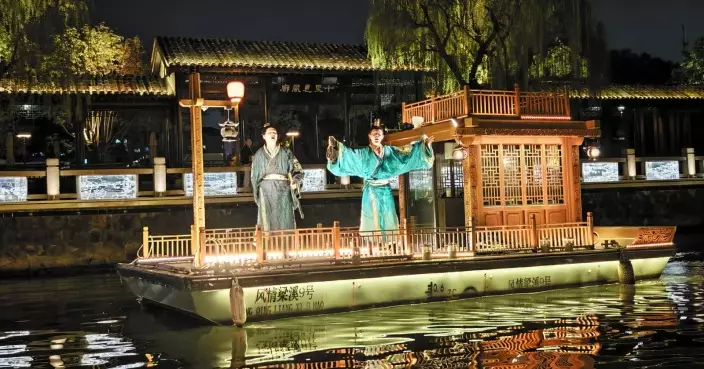
The final chapter, “Canal Dwellers,” painted a vivid picture of life along the bustling water lanes. Photo by Bastille Post
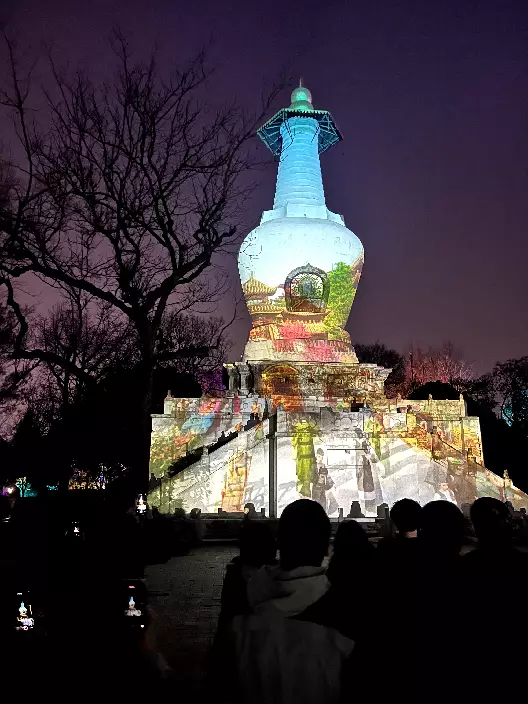
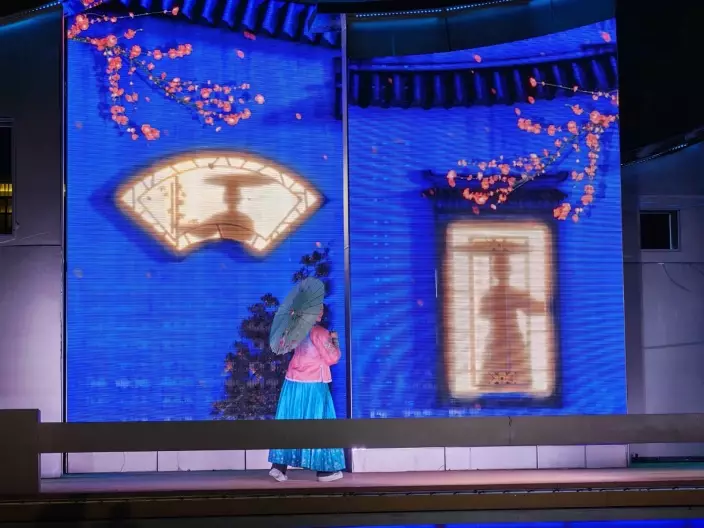
The play of light and shadow, recreated the legend of the founding of the Wu Kingdom. Photo by Bastille Post
The delegation also strolled through Jichang Garden, one of the four famed gardens in Jiangnan that features artfully stacked rocks, serene ponds, and shaded ancient trees. Photo by Bastille Post
Photo by Bastille Post
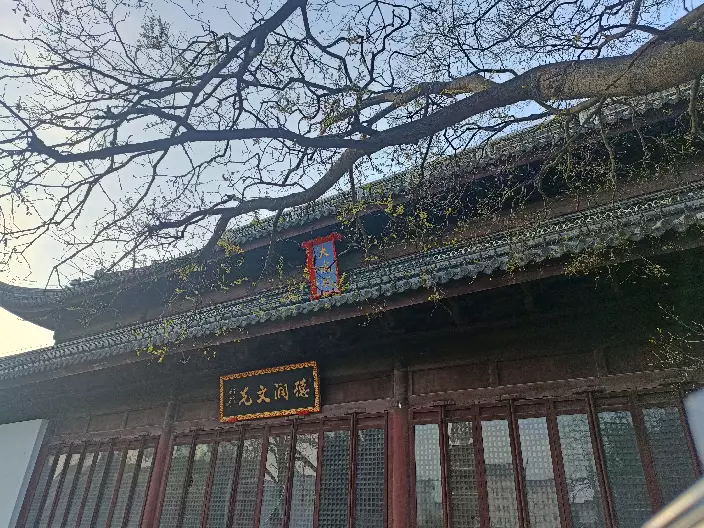
The delegation then visited Sound Hall, a music and cultural landmark transformed from a century-old architecture. The venue integrates local soundscapes with musical art, hosting a variety of weekly performances that have made it a popular destination for music enthusiasts across the Yangtze River Delta region.
The delegation then visited Sound Hall, a music and cultural landmark transformed from a century-old architecture. Photo by Bastille Post
Huishan Clay Figurines: No Kiln, Centuries of Life
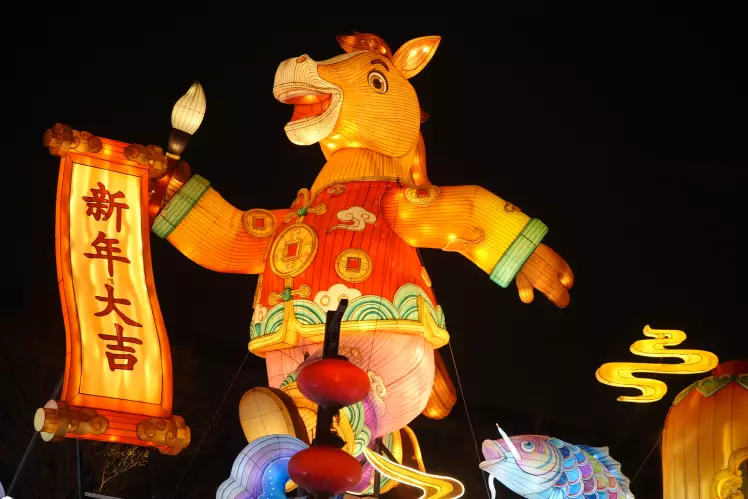
Huishan clay figurines are crafted from a local specialty, “Huishan black clay”, prized for its fine texture and exceptional hardness after air-drying—qualities that allow the figurines to last for centuries without kiln firing. Inside the workshop, a female inheritor with over 20 years of experience in producing clay figurines demonstrated the clay’s remarkable properties: After kneading, it leaves no fingerprints and can be bent 180 degrees without cracking. The entire process for making clay figurines uses only water and clay, with no additives. The brand director of the workshop, Ms. Bao Linjie, explained that in recent years, the brand has been actively exploring cultural and creative transformation. For instance, during the Year of the Horse, they launched a clay horse paired with cauliflower—a playful nod to the Chinese idiom “achieving immediate talent.” Another creation, a soccer ball with drums, was named “realizing goals immediately” in collaboration with the Wuxi Jiangsu Super League team. Both proved highly popular with customers.
Moreover, a clay figurine with the name of “Double Happiness” designed by a young inheritor became a hit after being selected as an ideal gift by an artist from Wuxi and has since sold out. Ms. Bao also revealed that the brand plans to leverage Hong Kong's geographical advantage as a springboard for overseas expansion, with hopes of collaborating with HK's local intangible cultural heritage crafts—such as Hong Kong-style Canton porcelain and neon lights—to create cultural and creative products. “We’ll see if we can create some collaborative handicrafts that are more suitable for sales in both regions." she said.
Huishan clay figurines are crafted from a local specialty, “Huishan black clay”. Photo by Bastille Post
Miniature Embroidery: Mistaken for Glass Painting—Art That Left Germany in Awe
Zhao Hongyu, a national-level inheritor of intangible cultural heritage, has been practicing embroidery since 1973 and has specialized in miniature embroidery for over 50 years.
According to her, double-sided miniature embroidery requires splitting a single silk strand into seventieths or eightieths of its original thickness to achieve the finest threads. When embroidering a face, she explains, “Even if it’s the size of a mung bean, all its features and expressions must be embroidered with extremely fine thread—and both sides must be identical.”
In 2009, she accompanied a delegation led by China’s then vice president to Germany, bringing ten national-level handicrafts. An elderly German man initially mistook the miniature embroidery for glass paintings. Upon closer inspection, he realized the works were meticulously stitched by hand, remarking that such things could never be made by machines.
Zhao Hongyu, a national-level inheritor of intangible cultural heritage, has been practicing embroidery since 1973 and has specialized in miniature embroidery for over 50 years. Photo by Bastille Post
Ms. Zhao noted that miniature embroidery is positioned at the level of spiritual consumption. “When material needs reach a certain level, spiritual needs arise.” she said. She believes the greatest challenge to passing on the craft is not merely patience, but artistic cultivation. “Skill alone is useless. To reach a high level, you must have cultivation, accumulation, and vision.”
Double-sided miniature embroidery requires splitting a single silk strand into seventieths or eightieths of its original thickness to achieve the finest threads. Photo by Bastille Post
She lamented that young people today have many choices. “Even courier services can make money. Who has the time to dedicate decades to honing their craft?” Her studio currently has only six embroiderers.
Ancient Canal: Live Performance Brings City’s Founding Legend to Life
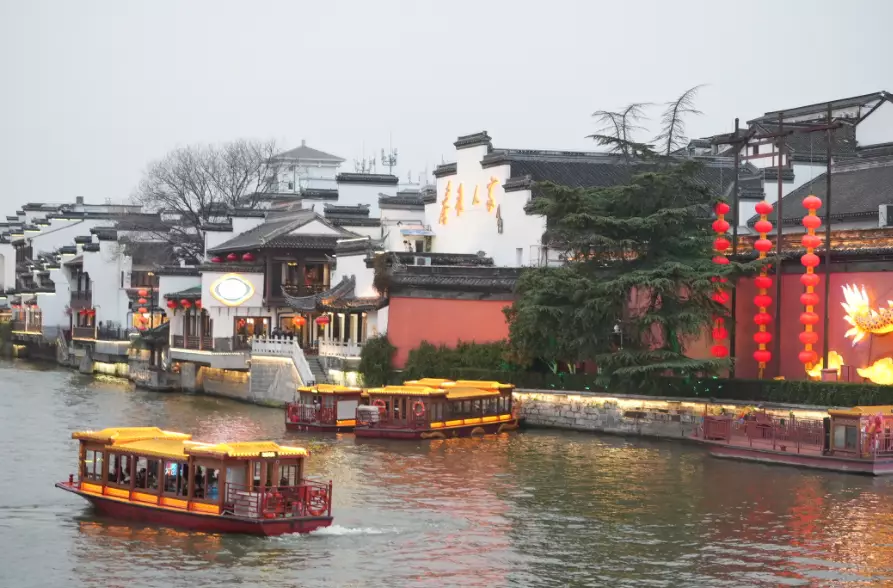
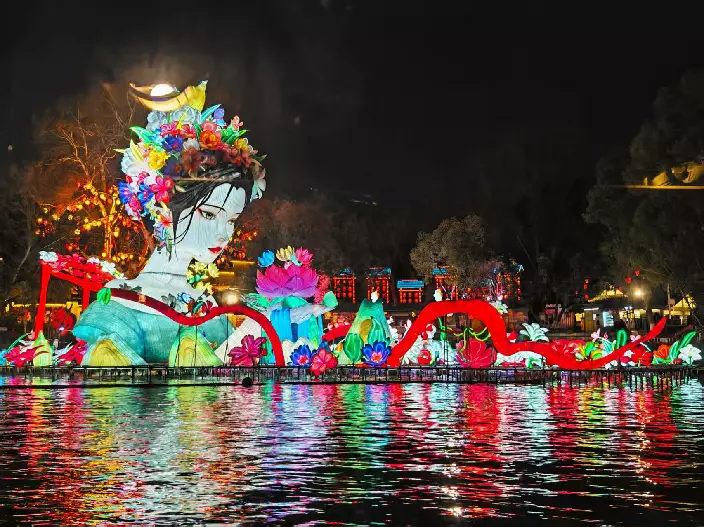
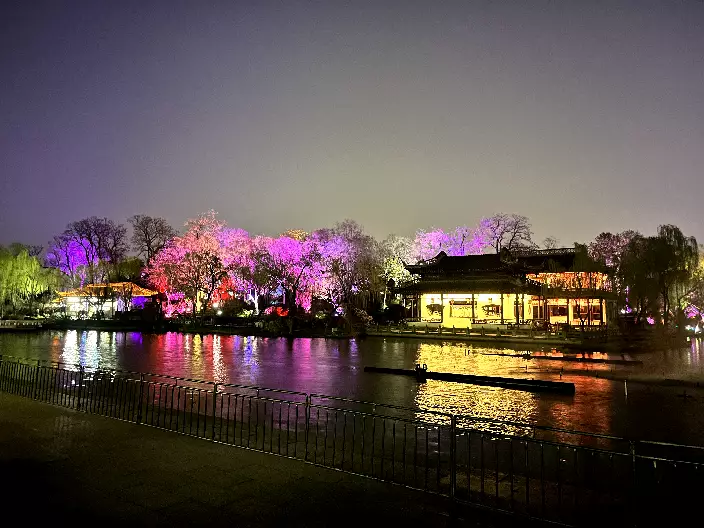
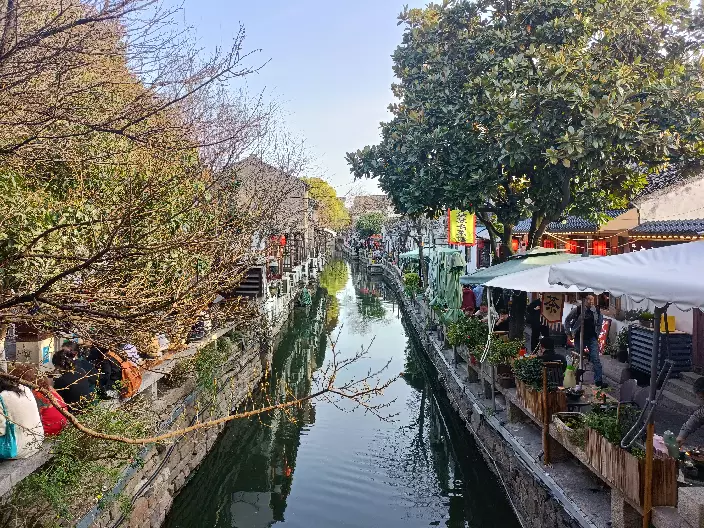
As night fell, the media delegation boarded a boat to admire the Qingming Bridge section of the ancient canal, where several live performances unfolded along the way. The opening act, “Prosperous Rain and Mist”, featured a duet sung in the soft Wu dialect. Next came a play of light and shadow, recreating the legend of the founding of the Wu Kingdom. The final chapter, “Canal Dwellers”, painted a vivid picture of life along the bustling water lanes.
As night fell, the media delegation boarded a boat to admire the Qingming Bridge section of the ancient canal. Photo by Bastille Post
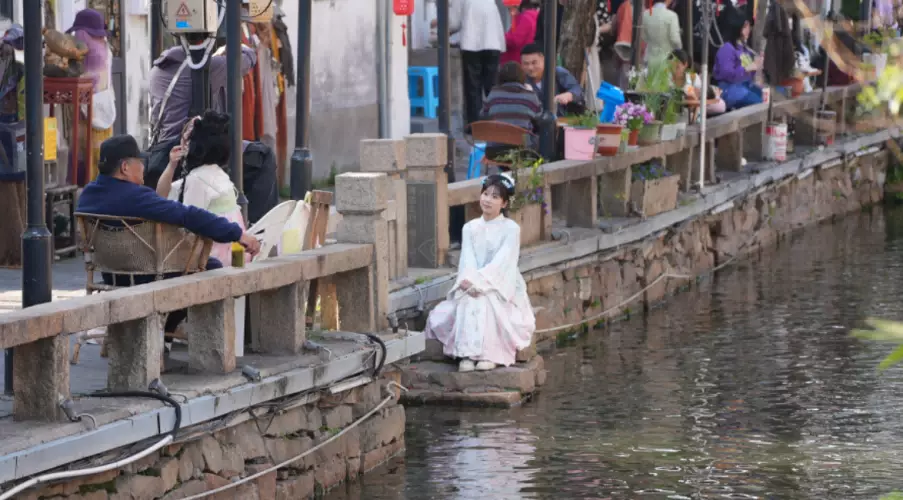
The Qingming Bridge section, the best-preserved part of the ancient canal, has been designated as a demonstration section for the Grand Canal’s World Heritage application. Here, young people in Hanfu are often seen pausing by the ancient bridges, with oil-paper umbrellas in hand. Stone paths, lamplight, and flowing water—all are part of the characteristic scene in Wuxi.
The final chapter, “Canal Dwellers,” painted a vivid picture of life along the bustling water lanes. Photo by Bastille Post
With such a flourishing culture, Wuxi’s traditions live on naturally. Perhaps this is the true essence of a city.
The play of light and shadow, recreated the legend of the founding of the Wu Kingdom. Photo by Bastille Post