WASHINGTON (AP) — About 100 of the nation’s most contaminated toxic waste sites are in areas prone to flooding and wildfires, a potential public health threat to millions of Americans in surrounding communities, the internal watchdog at the U.S. Environmental Protection Agency has found.
The EPA’s Office of Inspector General issued two new reports last week that are part of a series assessing the weather-related vulnerabilities of the 157 federal Superfund sites prioritized for cleanup due to the serious risk they pose to public health and the environment. About 3 million Americans live within a mile of a Superfund site, while 13 million people live within 3 miles (4.8 kilometers).
Click to Gallery
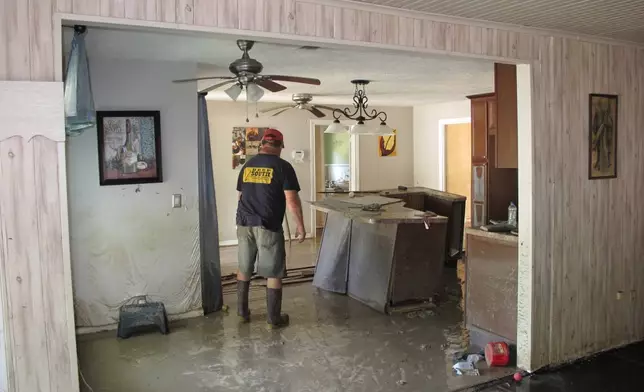
FILE - Dwight Chandler walks through his devastated home from Hurricane Harvey not too far from old acid pits that were designated as a U.S. EPA Superfund in Highlands, Texas, Aug. 31, 2017. (AP Photo/Jason Dearen, File)
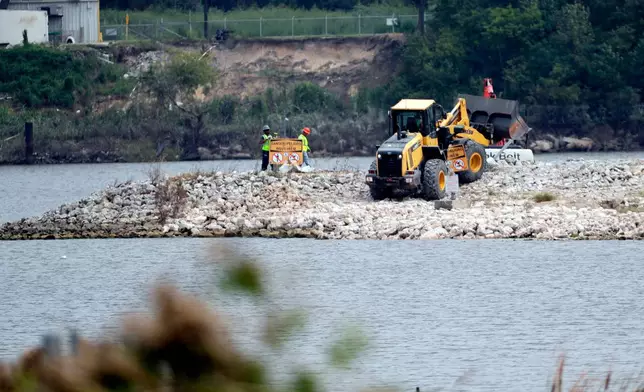
FILE - Work continues at San Jacinto River Waste Pits, a Superfund site, near the Interstate 10 bridge over the river in Channelview, Texas on Sept. 13, 2017. (AP Photo/David J. Phillip, File)
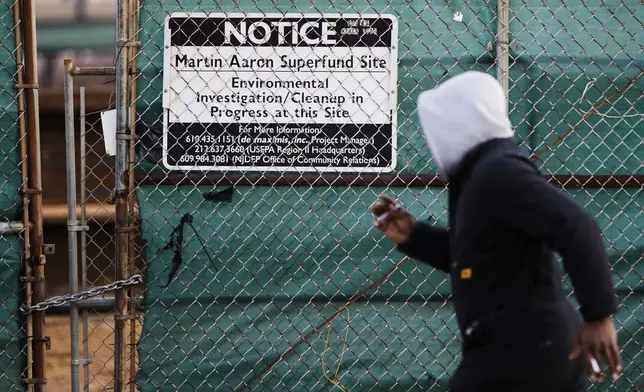
FILE - A man walks past a notice for the Martin Aaron Inc. Superfund site in Camden, N.J., Dec. 11, 2017. (AP Photo/Matt Rourke, File)
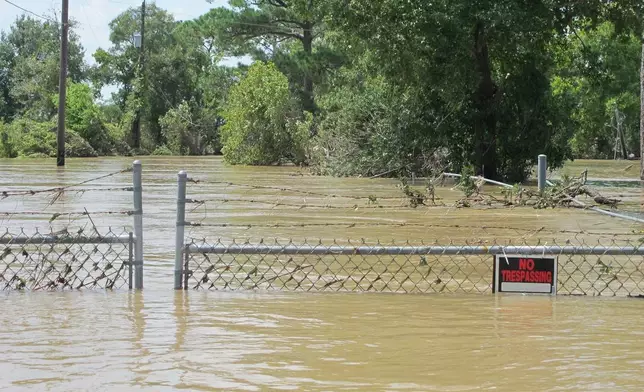
FILE - A barbed-wire fence encircles the Highlands Acid Pit that was flooded by water from the nearby San Jacinto River in the aftermath of Hurricane Harvey in Highlands, Texas on Aug. 31, 2017. (AP Photo/Jason Dearen)
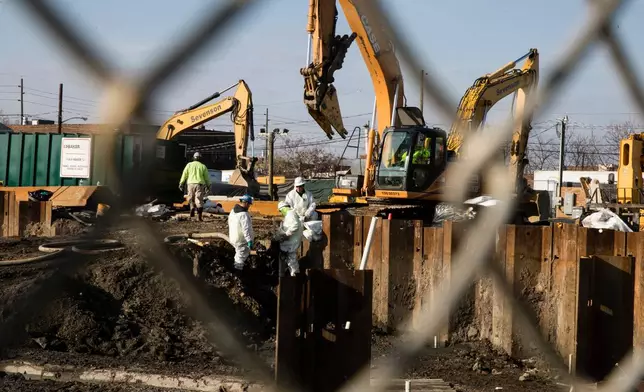
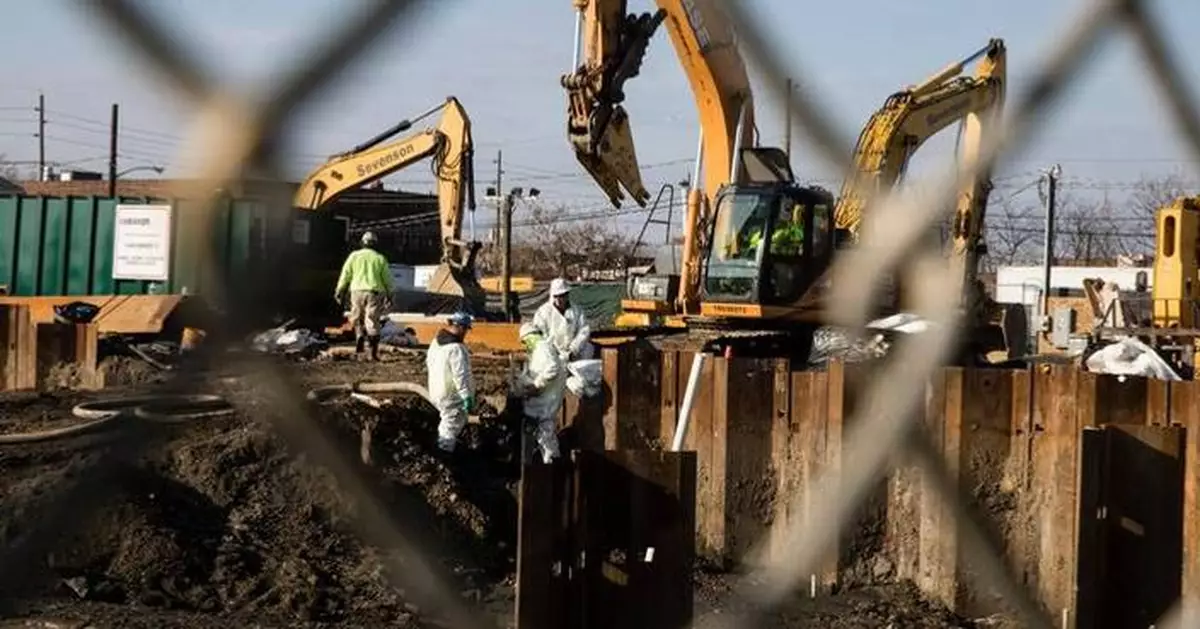
FILE - People in protective clothing work at the Martin Aaron Inc. Superfund site in Camden, N.J, Dec. 11, 2017. (AP Photo/Matt Rourke, File)
Some of the Superfund sites were found to be at risk from multiple natural-disaster threats. The studies found 49 in coastal areas are at risk from sea-level rise or storm surge from hurricanes, with many located near highly populated areas and important ecological locales like Chesapeake Bay. Another 47 are in low-lying sites prone specifically to inland flooding from heavy rain. The review also found 31 sites in areas at high risk for wildfires.
Despite these risks, the five-year plans governing the expensive and time-consuming cleanups at the sites often failed to account for damage posed by flooding from sea-level rise and more frequent storms and wildfire, the IG’s review found.
“That is a big problem because it means the site managers are not planning mitigation measures,” said Betsy Southerland, a former director of the agency’s water protection division who spent over 30 years at the EPA.
“The communities living near those sites should be made aware of this planning failure and should insist on robust plans,” she said.
At locations with little or no planning for floods, contaminants could be released into surrounding communities and taxpayer dollars already invested in remediation could be wasted, the review found.
The EPA said it is reviewing the IG’s findings and that the Superfund program does factor “the impacts of extreme weather events and other hazards as a standard operating practice in the development and implementation of cleanup projects.”
Last year, President Donald Trump fired EPA Inspector General Sean O’Donnell at the beginning of Trump's second term, and the office’s new review makes no mention of climate change, a term the Republican administration has scrubbed from federal websites. But the new reports issued by the IG’s remaining staff still lay out the risks posed by a warming planet to the nation’s most dangerous toxic waste sites.
Lara J. Cushing, a professor at the University of California, Los Angeles who has studied the effects of a changing climate on the nation’s toxic waste sites, petrochemical plants and other hazardous areas, called the new reports “noteworthy and important.”
“Although President Trump may wish to ignore it, the fact is the climate is changing and we need to be proactive in responding to rising seas and more extreme weather or face the consequences of increasingly frequent cascading natural-technological disasters that poison communities and local ecosystems,” said Cushing.
The inspector general’s findings echo a 2017 investigation by The Associated Press that found 327 Superfund sites vulnerable to flooding driven by climate change. The AP’s review was launched following Hurricane Harvey, which caused extensive flooding in parts of Houston that included seven Superfund sites and triggered spills from tanks holding cancer-causing toxic waste.
The EPA’s new report said that during Harvey, dioxin chemicals were carried by flooding into neighboring streets, yards and homes close to the San Jacinto River, an area highlighted by AP’s reporting.
At the time, the EPA under the first Trump administration criticized AP’s reporting as fear-mongering “yellow journalism.” Trump has called climate change a hoax, blocked renewable energy projects and sought to boost the burning of planet-warming fossil fuels.
“This series shines a light on potential threats to federal facility Superfund sites and the critical role of five-year reviews in addressing them,” said Kim Wheeler, the spokesperson for the Inspector General’s office. “By identifying sites at risk from these weather-related events, we aimed to raise awareness and encourage forward looking planning.”
The Associated Press’ climate and environmental coverage receives financial support from multiple private foundations. AP is solely responsible for all content. Find AP’s standards for working with philanthropies, a list of supporters and funded coverage areas at AP.org.
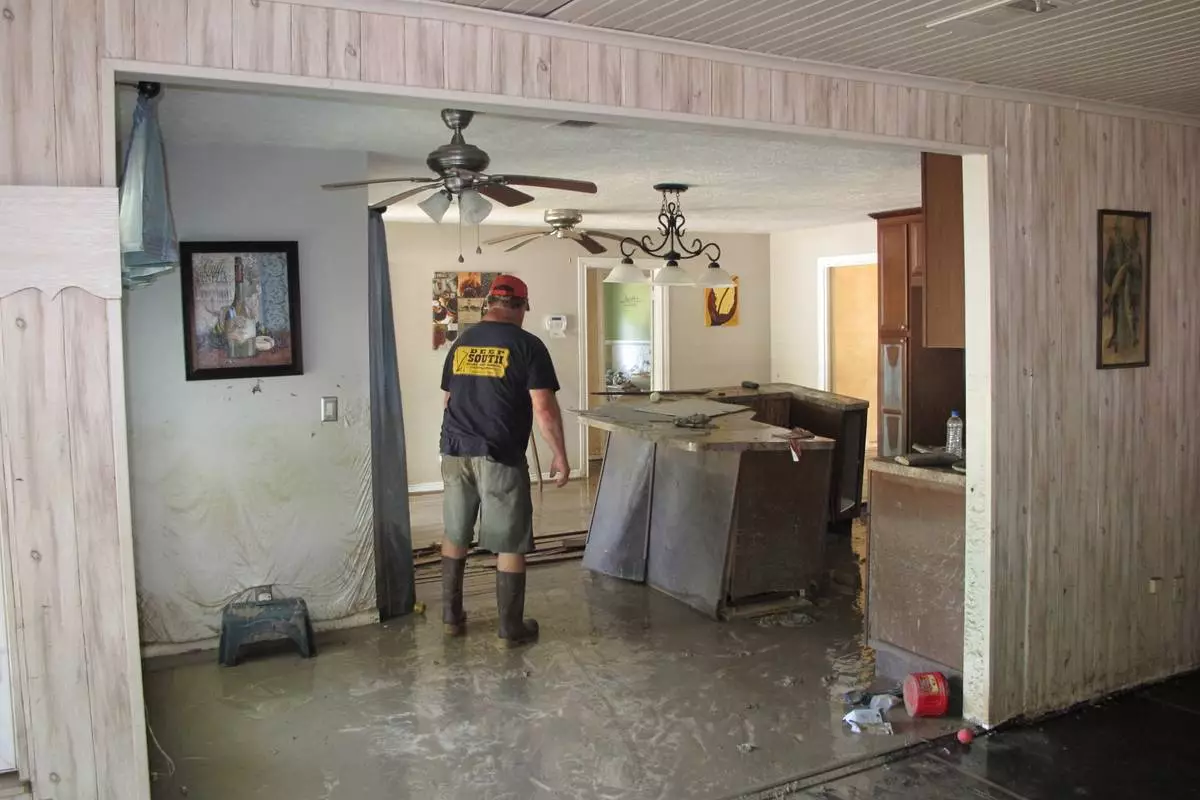
FILE - Dwight Chandler walks through his devastated home from Hurricane Harvey not too far from old acid pits that were designated as a U.S. EPA Superfund in Highlands, Texas, Aug. 31, 2017. (AP Photo/Jason Dearen, File)
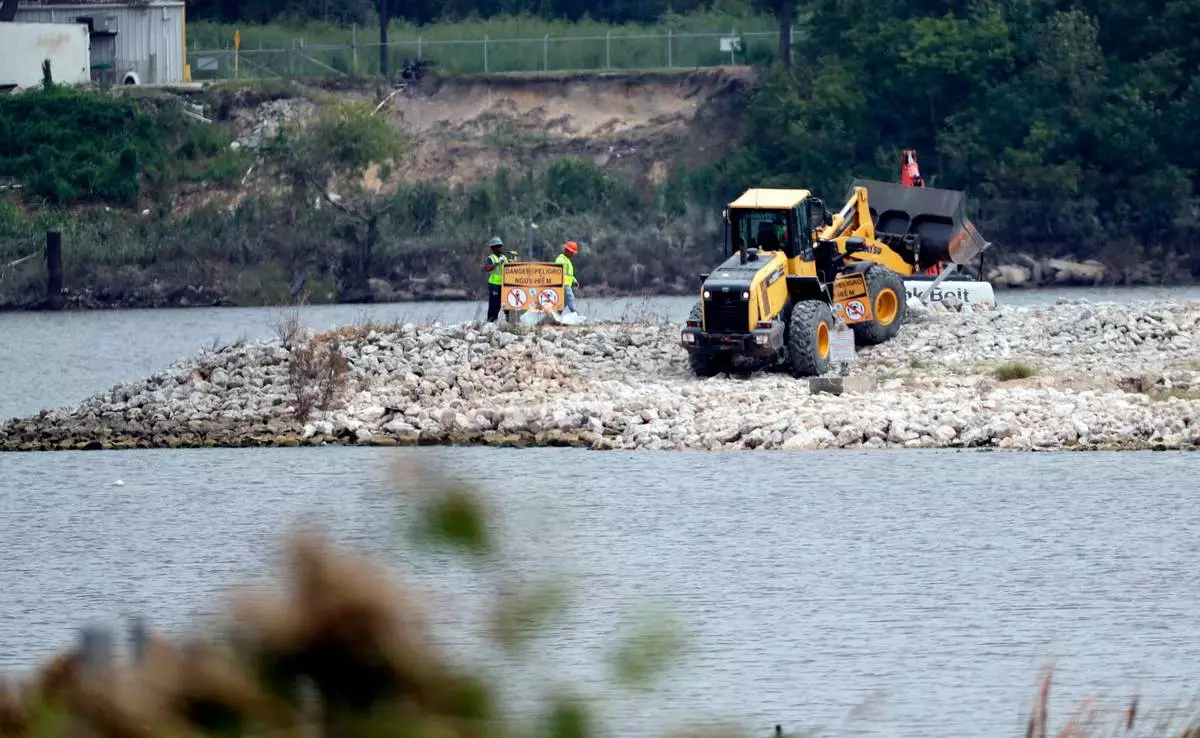
FILE - Work continues at San Jacinto River Waste Pits, a Superfund site, near the Interstate 10 bridge over the river in Channelview, Texas on Sept. 13, 2017. (AP Photo/David J. Phillip, File)
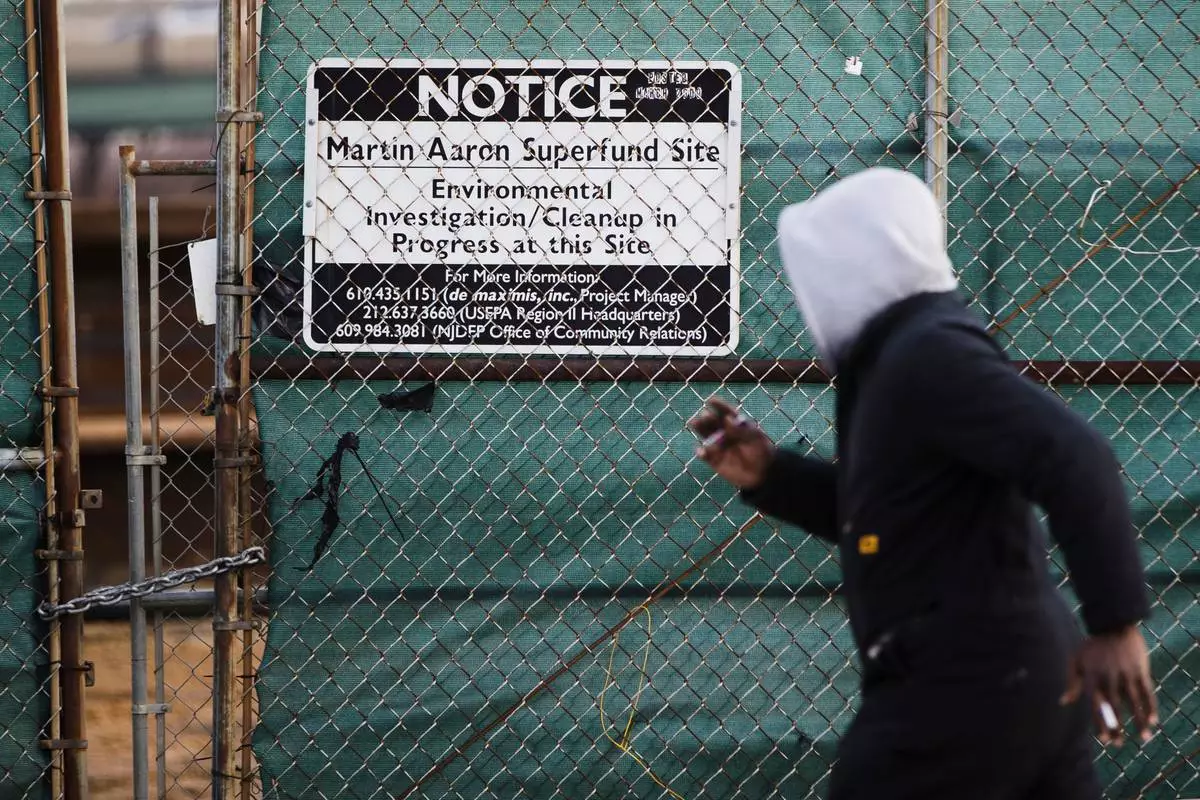
FILE - A man walks past a notice for the Martin Aaron Inc. Superfund site in Camden, N.J., Dec. 11, 2017. (AP Photo/Matt Rourke, File)
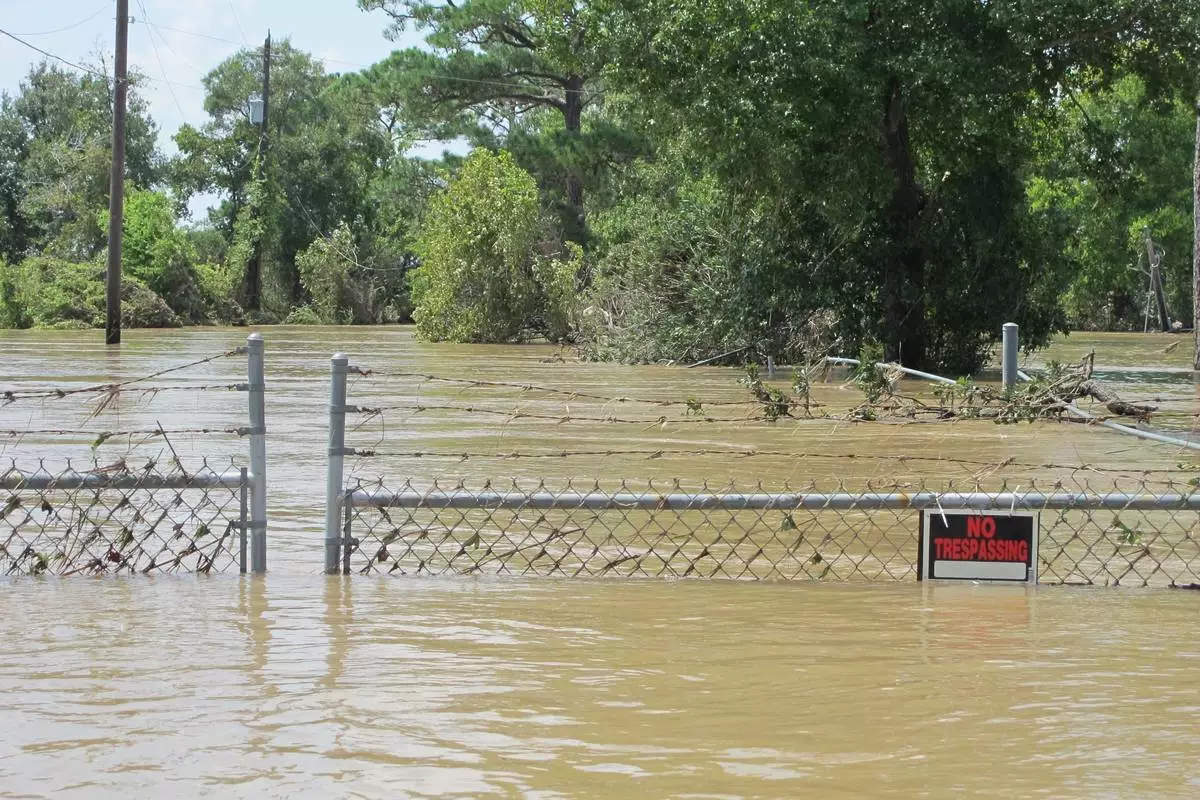
FILE - A barbed-wire fence encircles the Highlands Acid Pit that was flooded by water from the nearby San Jacinto River in the aftermath of Hurricane Harvey in Highlands, Texas on Aug. 31, 2017. (AP Photo/Jason Dearen)
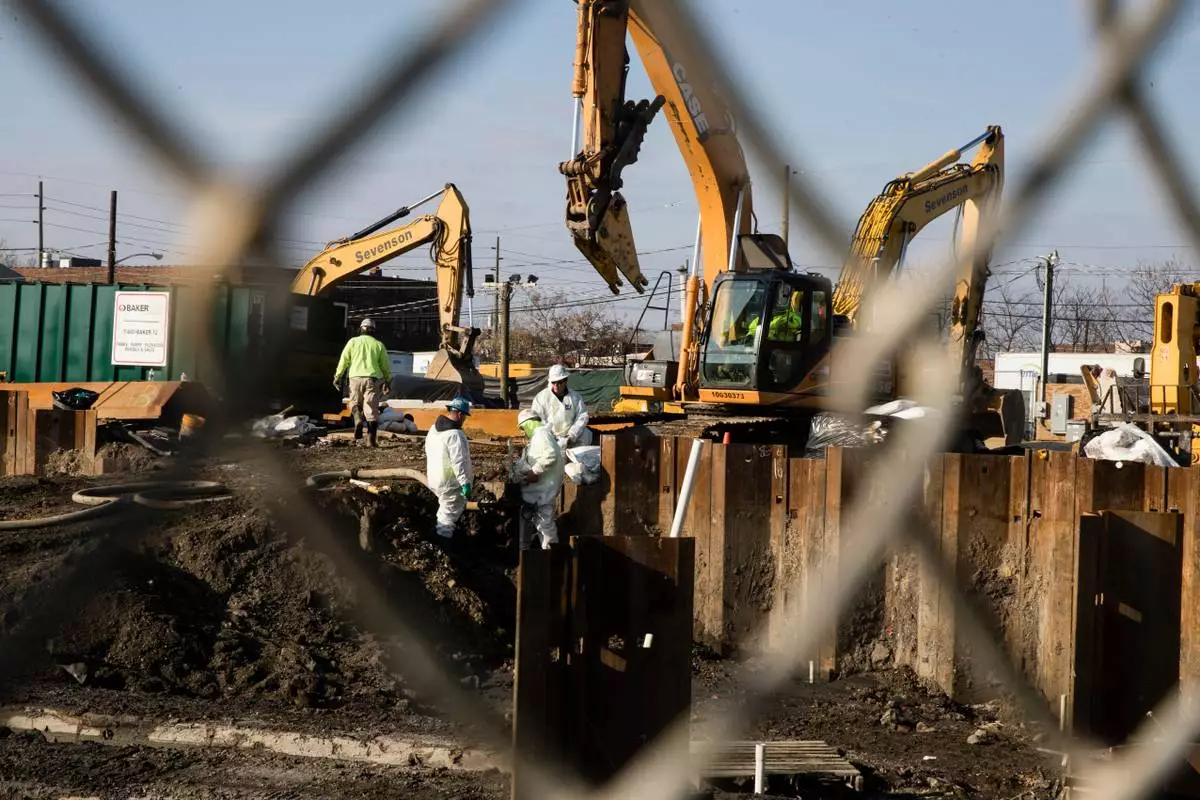
FILE - People in protective clothing work at the Martin Aaron Inc. Superfund site in Camden, N.J, Dec. 11, 2017. (AP Photo/Matt Rourke, File)