COLUMBUS, Ohio--(BUSINESS WIRE)--Mar 30, 2026--
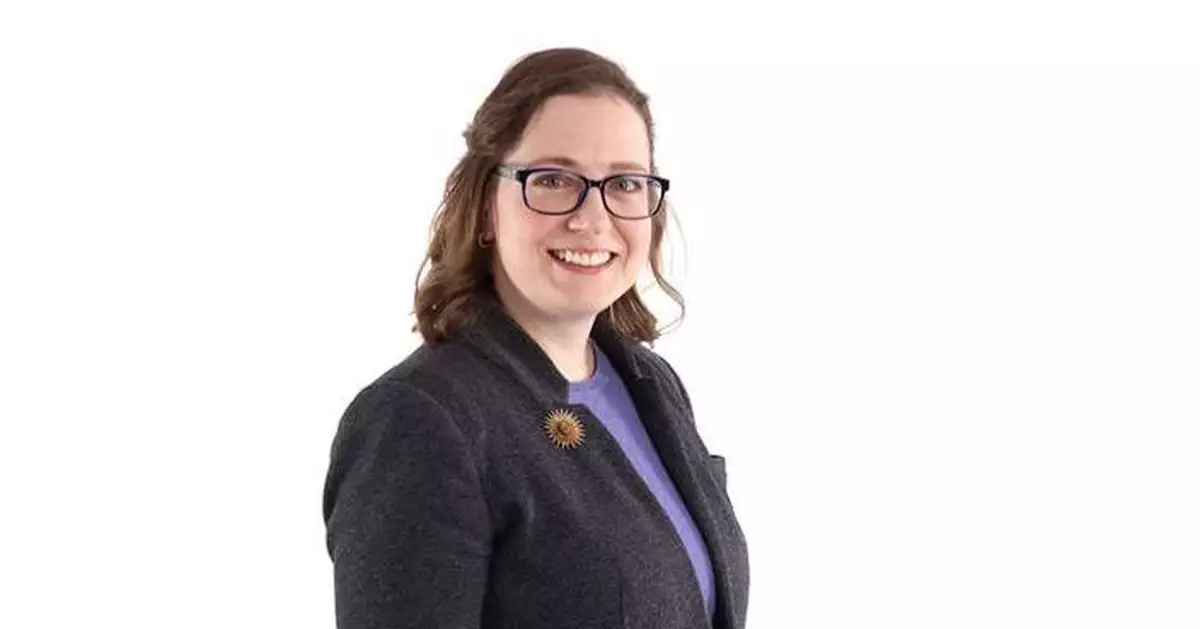
AndHealth has welcomed Dr. Veronica Heitsch, MD, MBOE, as Rheumatologist and Clinical Quality Lead for AndHealth. Dr. Heitsch, a board-certified rheumatologist and internal medicine physician with specialized training in adult rheumatology, is now accepting patients in Ohio and Indiana as part of AndHealth Rheumatology. Appointments can be scheduled by calling 614-526-4551, by emailing appointments@andhealth.com, or by visiting https://andhealth.com/rheumatology.
This press release features multimedia. View the full release here: https://www.businesswire.com/news/home/20260330663597/en/
Dr. Heitsch brings a thoughtful, patient-centered approach to caring for people living with autoimmune and inflammatory conditions, including rheumatoid arthritis, ankylosing spondylitis, and psoriatic arthritis. Her clinical philosophy centers on understanding each patient's full experience and co-designing personalized treatment plans that support both day-to-day life and long-term well-being. Dr. Heitsch is known for her clear communication style, her commitment to shared decision-making, and her ability to make complex medical care feel navigable.
Dr. Heitsch completed advanced fellowship training in adult and pediatric rheumatology at The Ohio State University and Nationwide Children's Hospital, following a combined residency in internal medicine and pediatrics. She earned her medical degree from Jagiellonian University in Kraków, Poland, and holds a Master of Business and Operational Excellence from The Ohio State University—a background that informs her deep commitment to quality improvement and patient safety.
At AndHealth Rheumatology, Dr. Heitsch will offer rheumatology patients access to a fully integrated care model built around everything they need to get and stay well. AndHealth Rheumatology combines convenient, affordable, and comprehensive specialty care with pharmacy services and health coaching support all within one coordinated care team.
Dr. Heitsch sees patients in person at AndHealth's Columbus, Ohio clinics, and virtually throughout Ohio. She said, "What drew me to AndHealth is the ability to truly partner with patients—not just manage a diagnosis, but build a care plan that fits their real life. Shared decision-making isn't a buzzword here; it's how we actually practice. I'm excited to be part of a team that makes that kind of rheumatology care genuinely accessible."
About AndHealth Rheumatology
AndHealth Rheumatology delivers comprehensive specialty care for people living with chronic autoimmune and inflammatory conditions—including rheumatoid arthritis, ankylosing spondylitis, and psoriatic arthritis —alongside unique world class services designed to provide individualized whole person care. Rheumatology care is delivered alongside specialty pharmacy support, personalized care plans, health coaching, medically tailored meals, sleep and movement programs, remote monitoring, and ongoing provider team access.
AndHealth Rheumatology accepts Medicaid, Medicare, and commercial insurance plans. Headquartered in Columbus, Ohio, AndHealth treats patients across Ohio and Indiana.
To learn more or schedule an appointment, visit andhealth.com/rheumatology.
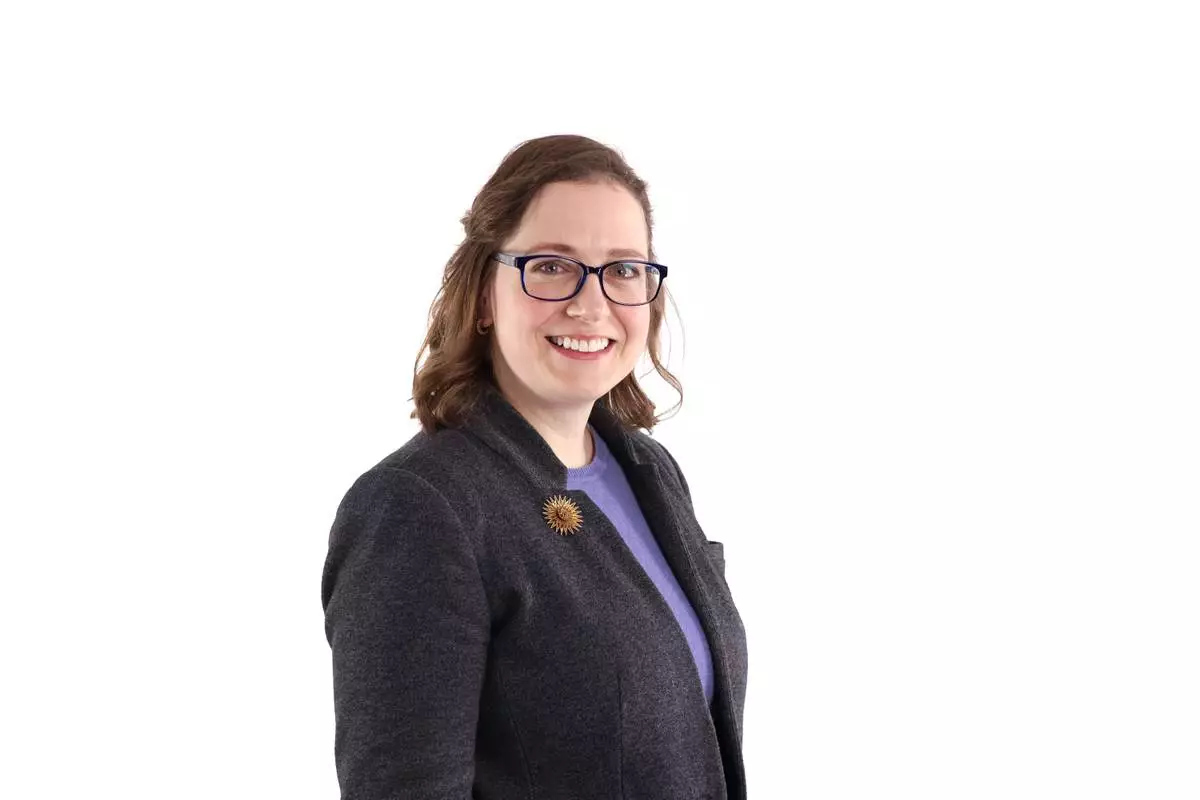
AndHealth has welcomed Dr. Veronica Heitsch, MD, MBOE, as Rheumatologist and Clinical Quality Lead
WASHINGTON (AP) — White House press secretary Katie Zacharia is transitioning out of the role after a brief and rough tenure as President Donald Trump’s chief spokeswoman.
A person familiar with the matter said Zacharia is transitioning out of the job. The person was granted anonymity to discuss a personnel decision not yet made public.
But Trump cast significant doubt on Zacharia’s future earlier Friday, telling reporters that he would have a discussion with her following his weekend travel and that if he were her, he would reconsider the job.
THIS IS A BREAKING NEWS UPDATE. Check back for updates. AP’s earlier story follows below.
President Donald Trump signaled Friday that his embattled new press secretary, Katie Zacharia, may be on her way out — a mere week after he picked her for the post.
Zacharia had come under immediate scrutiny when she appeared uncomfortable during her inaugural briefing on Tuesday, delivering halting remarks touting the president and his accomplishments. Her 14-minute briefing was followed by criticism that the conservative commentator had long called herself a lawyer when she had not passed a bar exam nor was otherwise credentialed to practice.
Zacharia was a surprise choice when Trump announced her appointment on Oct. 9, as the successor to Karoline Leavitt, the youngest-ever White House press secretary who had been part of Trump’s inner circle for years. The chaos surrounding her appointment was reminiscent of some of Trump’s short-lived staff picks from his first term.
Trump said he told Zacharia that she might want to change her mind about the job, and said he thought she had been treated unfairly by the press.
“I told her, ‘I think you’re better off being happy,'” Trump told reporters on the White House lawn as he left for a rally in Georgia. “I said, ‘Honestly, if I were you, I’d reconsider.’ I said, ‘You think about it, but I would reconsider.’”
Messages to Zacharia seeking comment were not returned on Friday, and the White House offered no immediate comment.
In his own comments, Trump said he told his press secretary, "'Katie, do you need this? I don’t think you need this,’” and that he wanted "her to have a good life” and not be subjected to criticism, which he likened to being “brutalized by the media.”
The president said he’d make a final determination later, perhaps after his campaign travel on Friday and this weekend, adding, “When I get back, we’re gonna talk.” He was asked who might replace Zacharia, and said that there were a lot of people who wanted the job.
Zacharia's short tenure has been defined by questions about her professional background and lack of polish in fielding questions from journalists. In her briefing on Tuesday, she took questions from just three reporters, all from conservative-leaning or Trump-friendly outlets, and left after only about 14 minutes.
Zacharia has said she wanted to keep her briefing short to ensure Trump had enough time later that morning for his own question-and-answer session with reporters, and that she had not been fully briefed by White House staff beforehand.
She later traveled with Trump when he held rallies on Wednesday and Thursday in Alaska, Arizona and Montana — but did not hold more press briefings.
In an appearance on Fox News Channel earlier Friday, Zacharia was asked if she had the president’s confidence and responded: “I hope to be able to build the trust and confidence of everyone around me.” But she also wouldn't say when her next press briefing might be.
Zacharia, a Pepperdine University law graduate, also faced criticism for describing herself as a lawyer when appearing as a commentator on conservative television outlets. Zacharia said the term was a proper one to use when she was offering legal analysis, and said she had worked as a lawyer in China.
Zacharia said Friday on Fox News that she wasn’t asked about passing the bar before becoming press secretary, and Trump noted in his subsequent comments that she was hired as a spokesperson for the White House, not as an attorney.
Before joining the White House, Zacharia had been working in communications for Trump Media, the company that oversees the president’s social media site, Truth Social. She also briefly worked at the Department of Homeland Security during the second Trump administration.
Associated Press reporter Michelle L. Price contributed from Dobbins Air Force Base, Georgia.
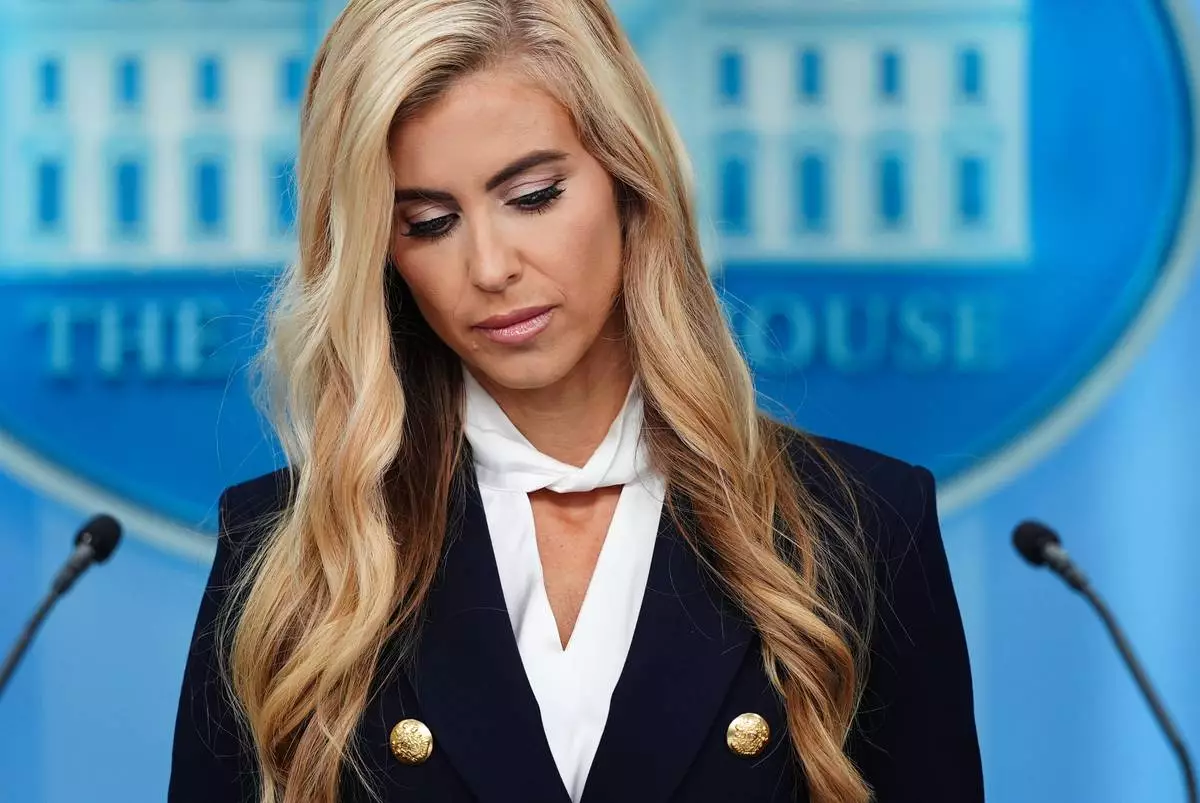
White House press secretary Katie Zacharia speaks with reporters in the James Brady Press Briefing Room at the White House, Tuesday, Oct. 13, 2026, in Washington. (AP Photo/Julia Demaree Nikhinson)
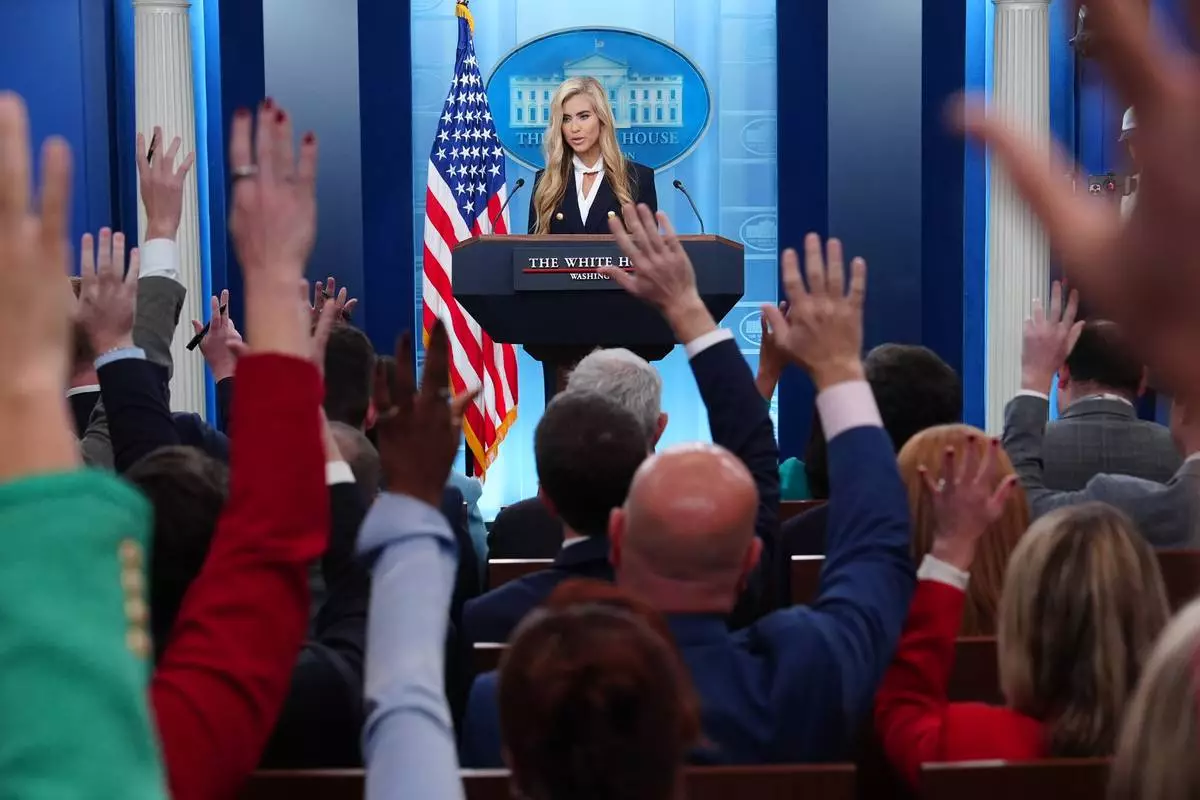
White House press secretary Katie Zacharia speaks with reporters in the James Brady Press Briefing Room at the White House, Tuesday, Oct. 13, 2026, in Washington. (AP Photo/Julia Demaree Nikhinson)
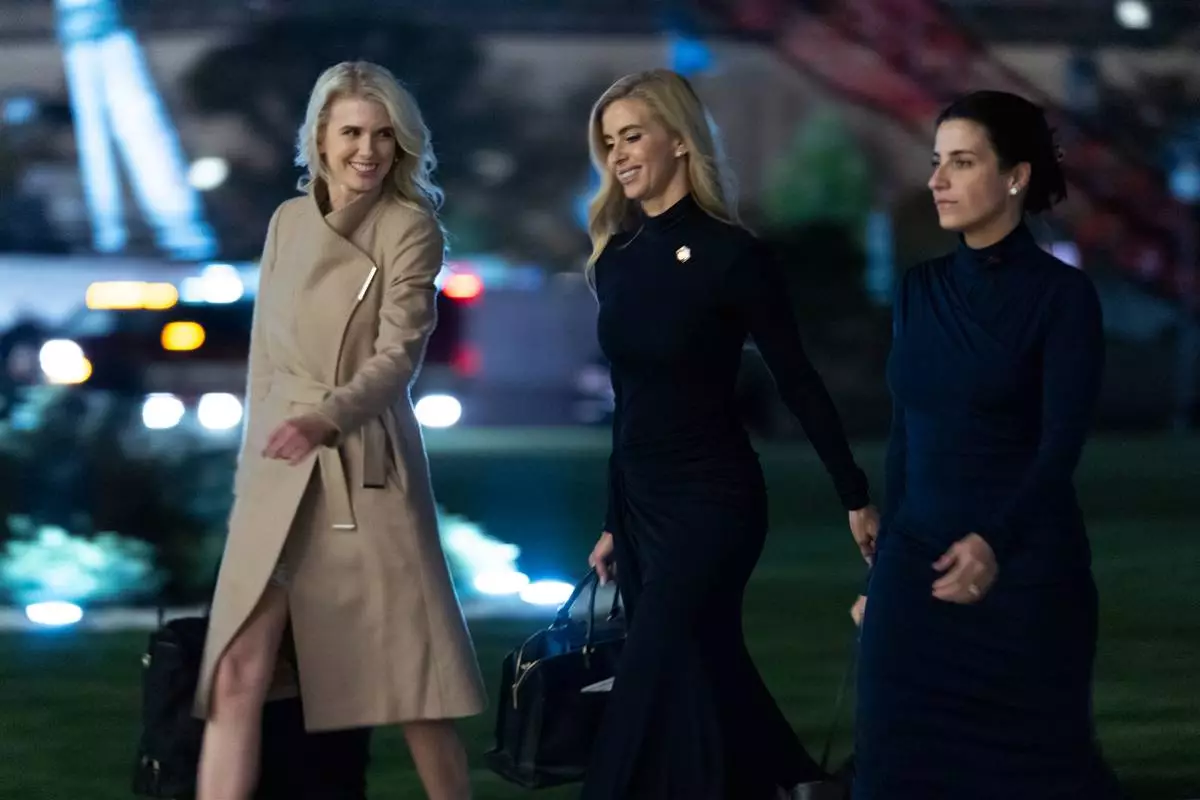
White House press secretary Katie Zacharia, center, White House aide Natalie Harp, left, and Danielle Alvarez, right, walk on the South Lawn as they arrive at the White House with President Donald Trump, early Thursday, Oct. 15, 2026, in Washington. (AP Photo/Manuel Balce Ceneta)
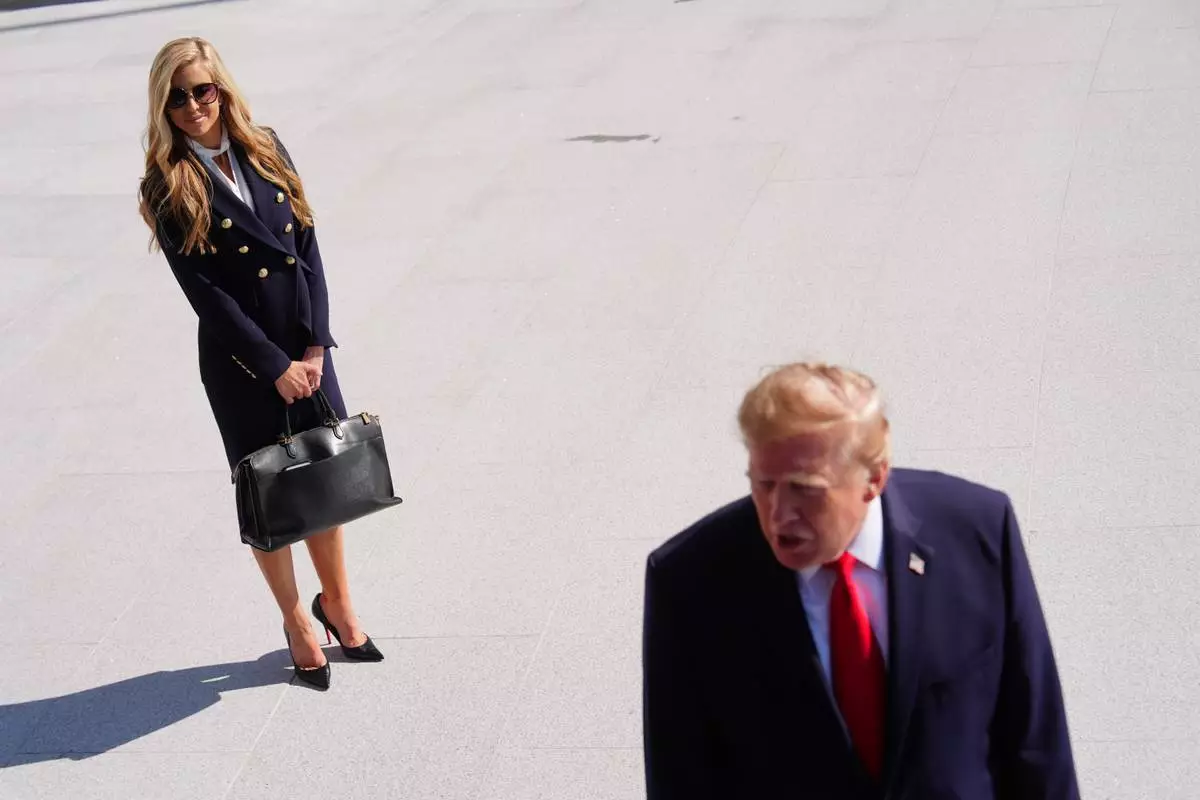
President Donald Trump speaks to the reporters as he walks to board Marine One on the South Lawn of the White House, Tuesday, Oct. 13, 2026, in Washington, as White House press secretary Katie Zacharia looks on. (AP Photo/Julia Demaree Nikhinson)
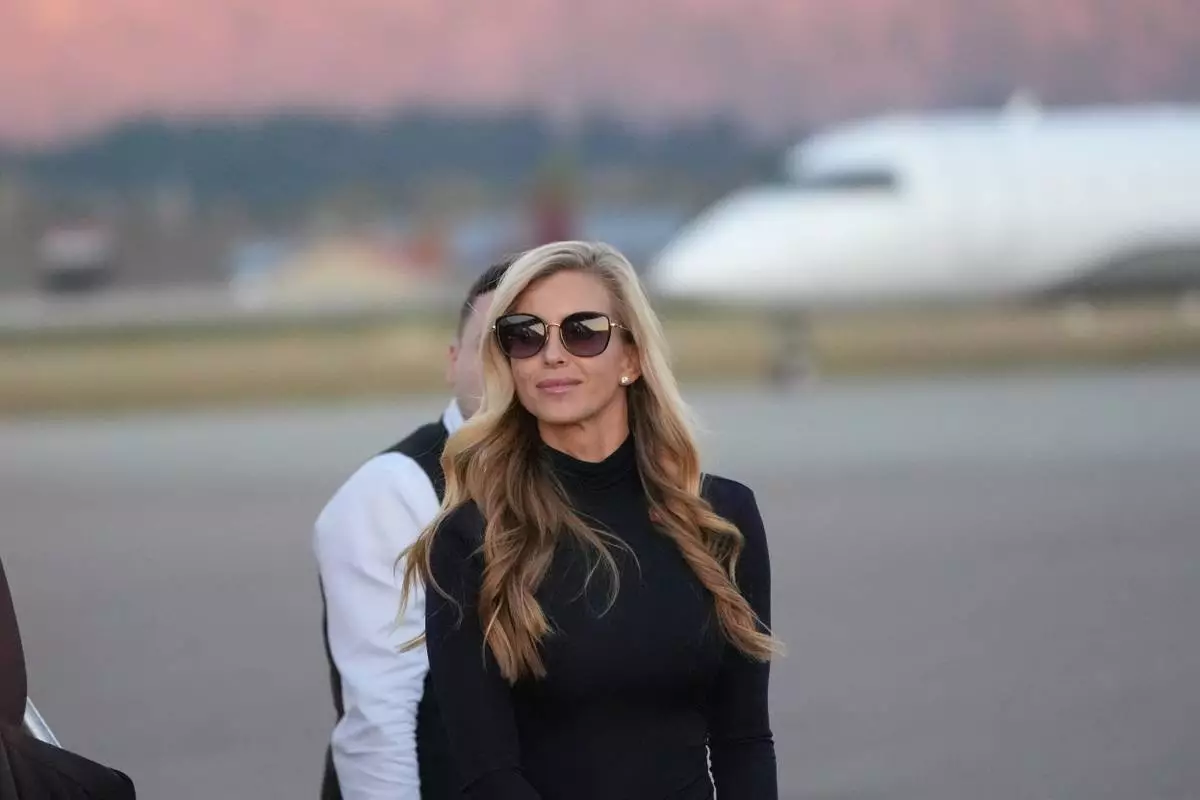
White House press secretary Katie Zacharia arrives with President Donald Trump at Glacier Park International Airport, Wednesday, Oct. 14, 2026, in Kalispell, Mont. (AP Photo/Alex Brandon)