The Hong Kong media delegation visited Nanjing's "AI·Mirror World — Nanjing AI Eco-Block", where 381 local corporations integrate cutting-edge technology into everyday life.
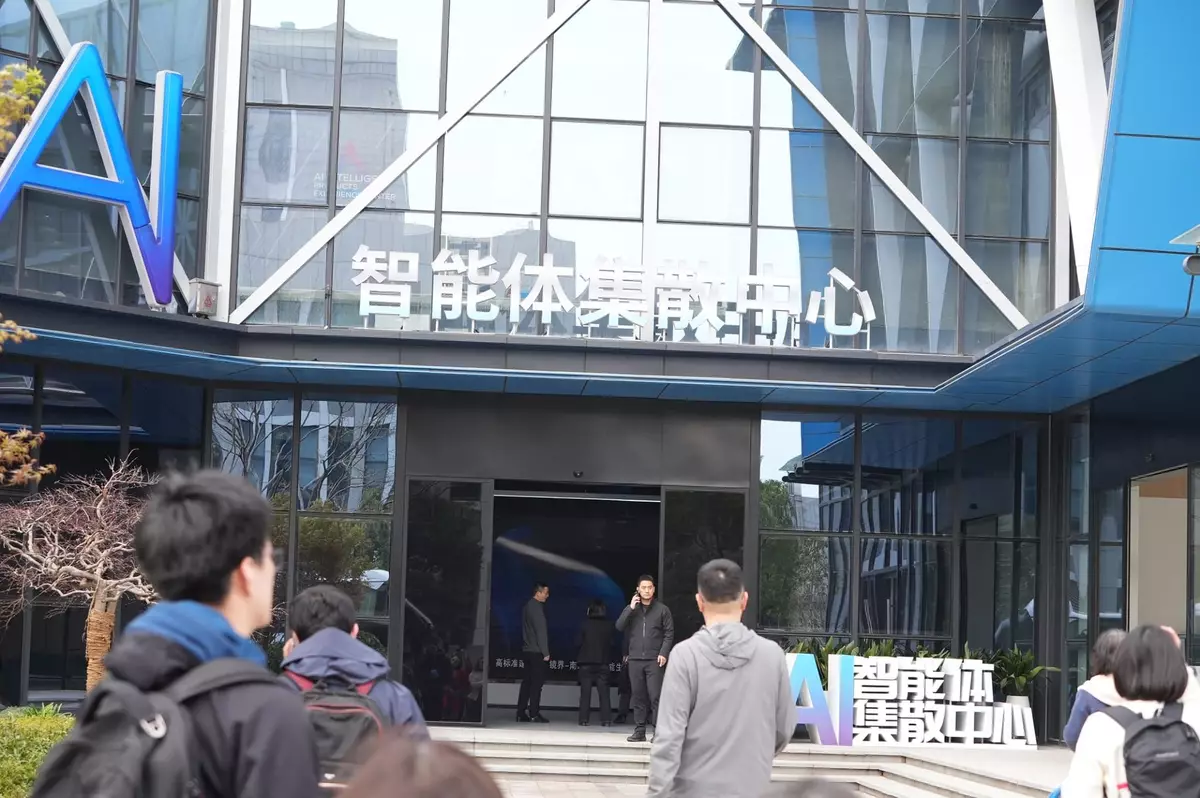
Nanjing's "AI·Mirror World — Nanjing AI Eco-Block" is one of the first AI industry clusters in the Mainland to be named an "ecosystem block". Photo by Bastille Post
Officially opened in November 2025, the Eco-Block is one of the first AI industry clusters in the Mainland to be named an "ecosystem block". Located in Nanjing's Yuhuatai District, it is home to 381 AI corporations, including industry heavyweights like Huawei, ZTE, and ThunderSoft, along with numerous micro-startups.
Click to Gallery
Nanjing's "AI·Mirror World — Nanjing AI Eco-Block" is one of the first AI industry clusters in the Mainland to be named an "ecosystem block". Photo by Bastille Post
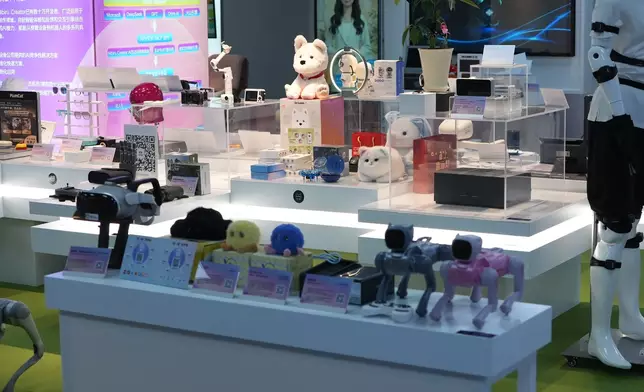
At the lifestyle pavilion, visitors can order smart wearable devices and tech products on the spot. Photo by Bastille Post
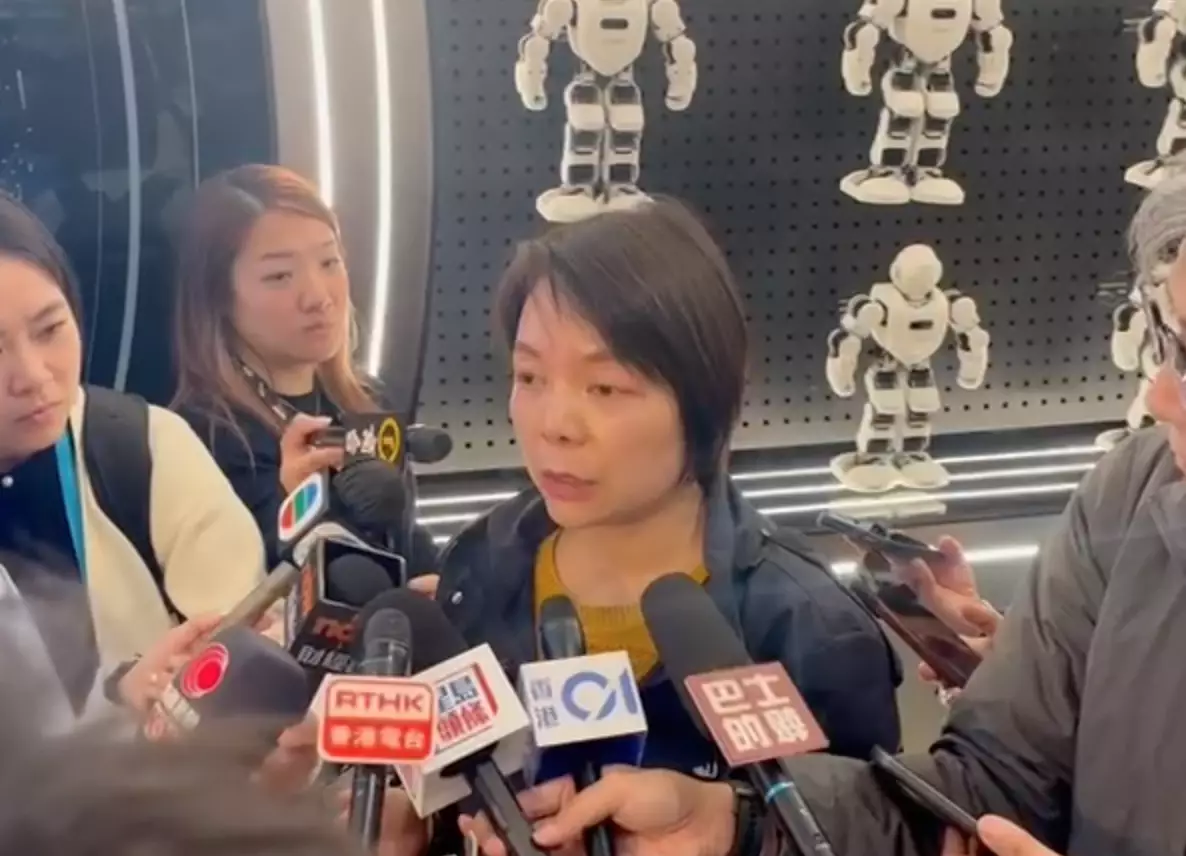
Ms. Zhang Yingyue, the operations manager of the AI Intelligent Agent Distribution Center, Photo by Bastille Post
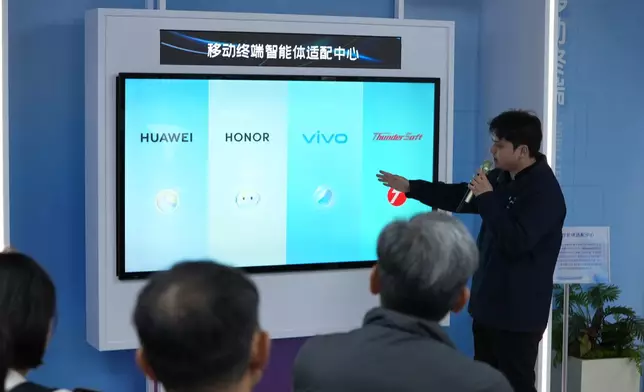
Inside the exhibition hall, the intelligent agent R&D centers of three major mobile phone brands — Honor, Huawei, and Vivo —have all settled in. Photo by Bastille Post
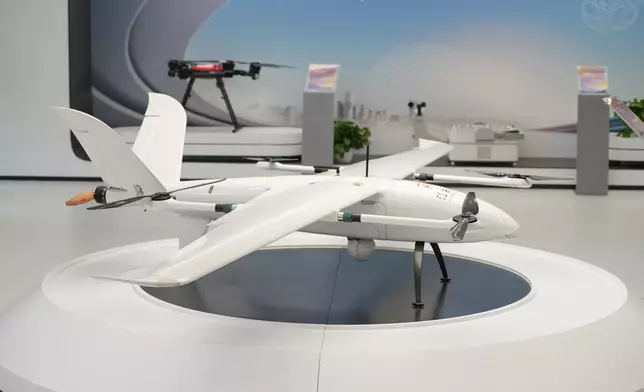
The tech products shown in the exhibition hall, Photo by Bastille Post
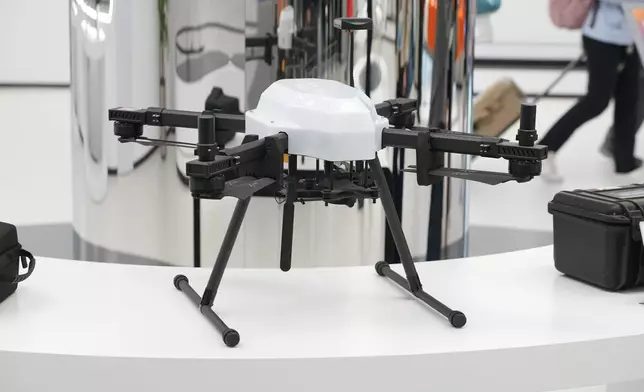
Photo by Bastille Post
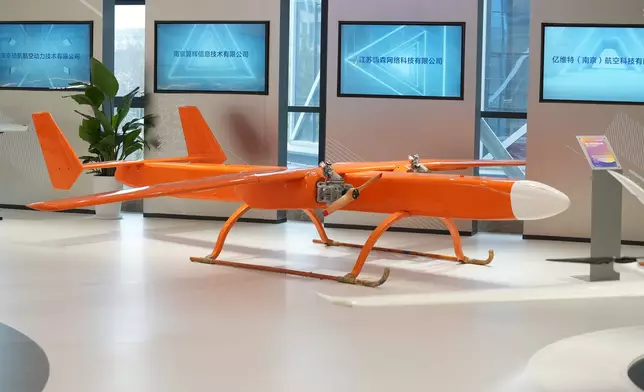
Photo by Bastille Post
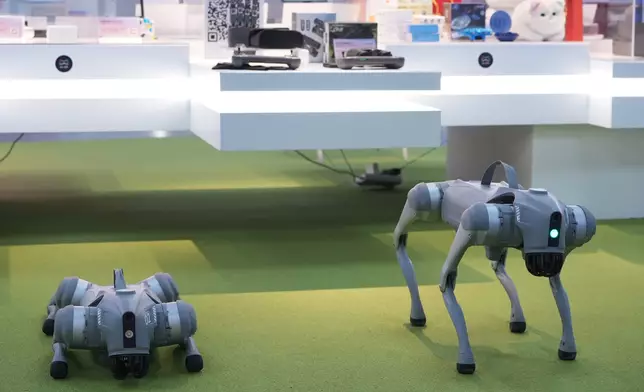
Photo by Bastille Post
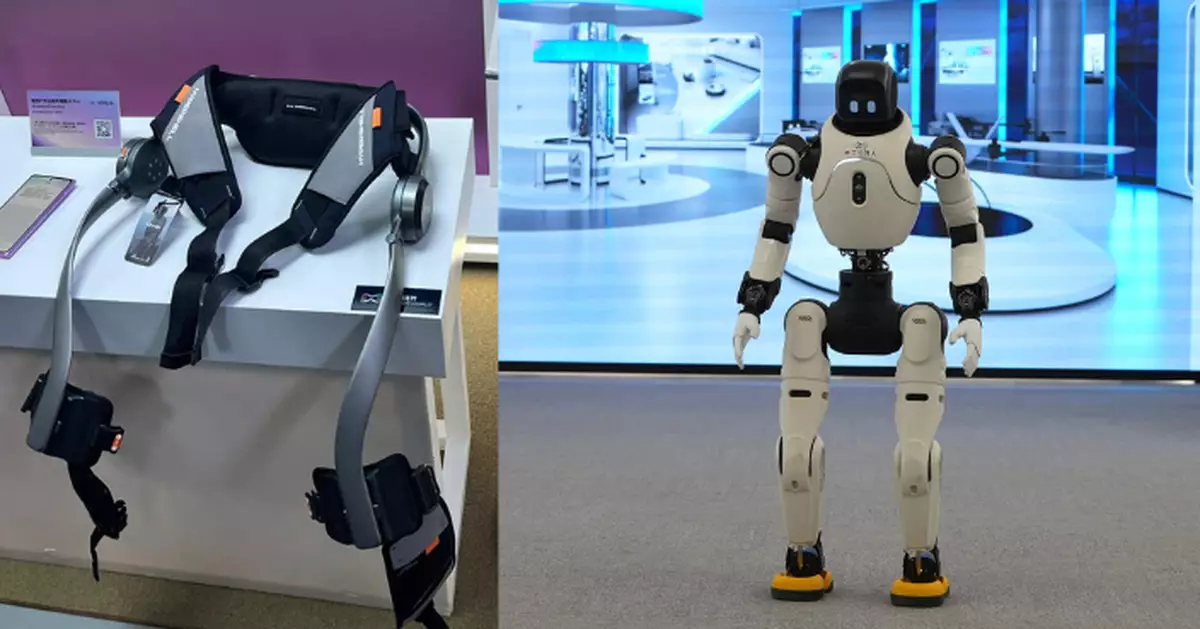
The displayed exoskeleton devices, Photo by Bastille Post

Mr. Cheng Ka-chun, Officer-in-charge of the Disaster Victim Identification Unit of HKPF, Photo source: reference image
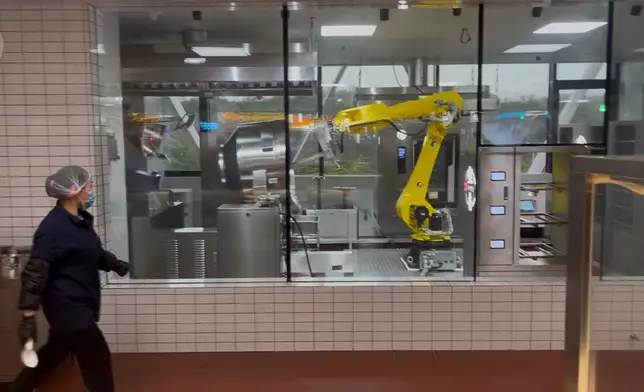
The restaurant employs a robotic cooking arm. Photo by Bastille Post
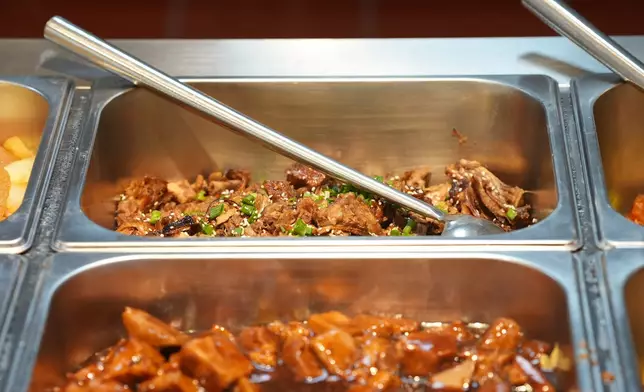
If you find slightly high blood pressure in the AI diagnosis, the system will trigger a red alert when you reach for braised pork, indicating the dish was unsuitable for your health condition. Photo by Bastille Post
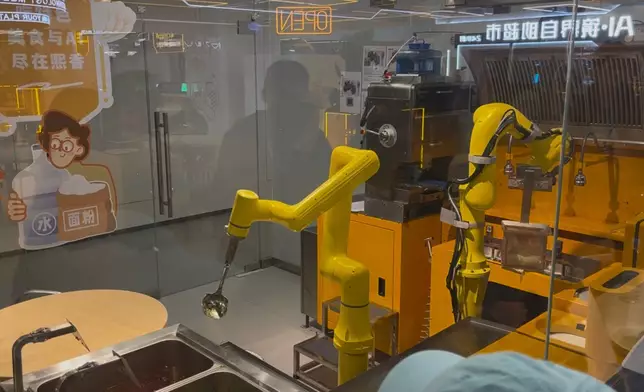
The robotic arm can precisely control the extremely high oven temperatures required for roasted meats and goose, which is favored by Cantonese and Hong Kong diners. Photo by Bastille Post
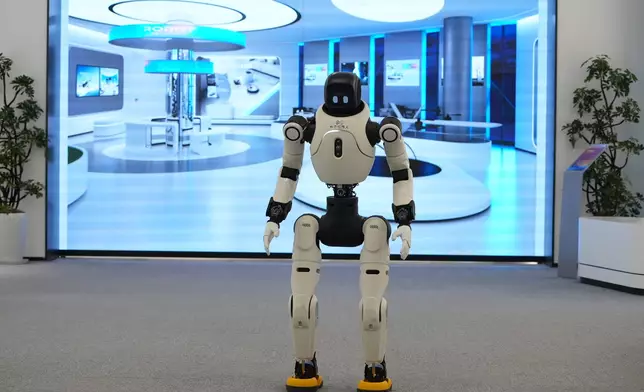
In the Block, corporations can readily connect with upstream and downstream partners, avoiding the extra costs of setting up separate offices elsewhere. Photo by Bastille Post
One of the corporations in the Block, Photo by Bastille Post
According to official data from the Block, the total industry revenue of the 381 settled corporations reached 18 billion RMB in 2025. During the visit on March 23, the Hong Kong media delegation explored a range of AI applications firsthand and spoke with Ms. Zhang Yingyue, the operations manager of the AI Intelligent Agent Distribution Center, about the Block's operational model.
More Than a Showcase: Deals Done on the Spot
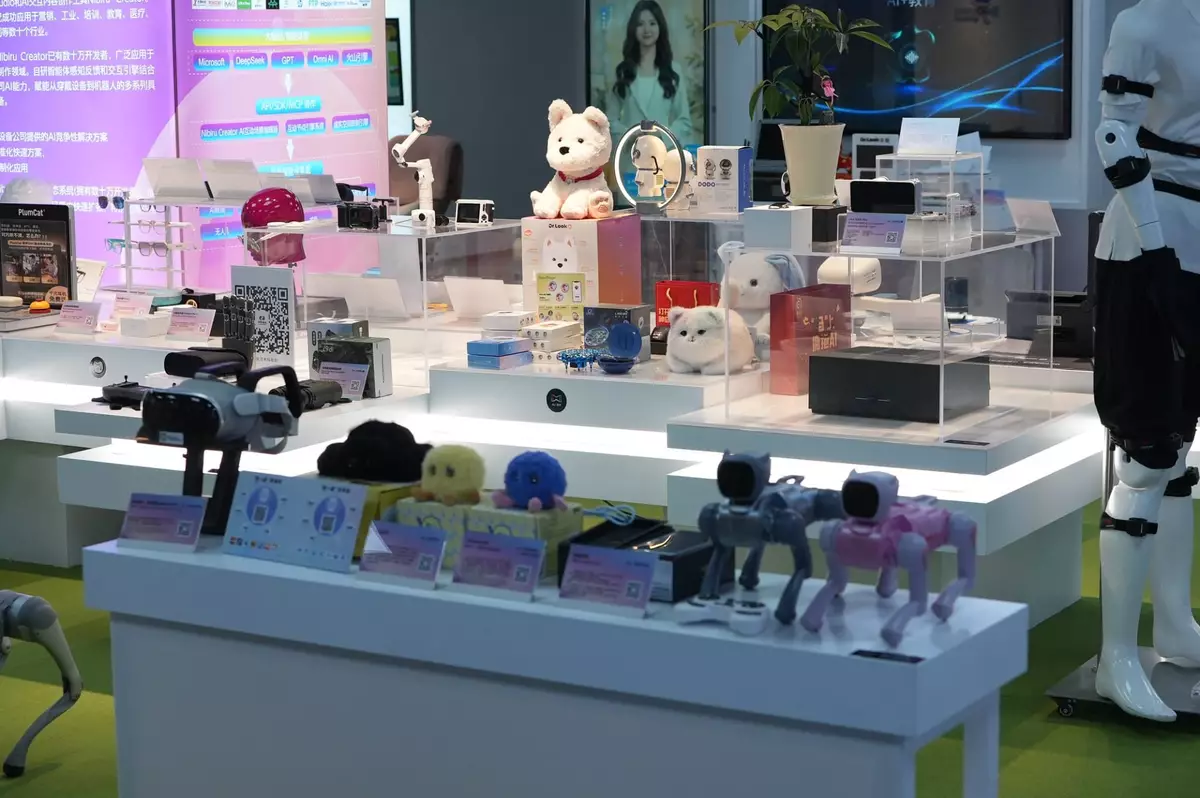
At the lifestyle pavilion, visitors can order smart wearable devices and tech products on the spot. Photo by Bastille Post
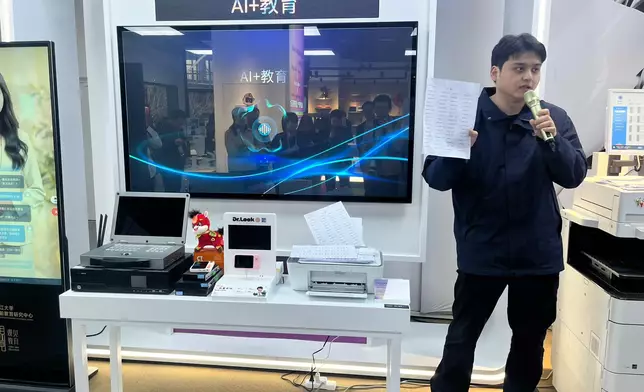
Upon entering the distribution center, the guide introduced its design, which is built on a three-tiered concept: incubating micro-startups, providing platforms for corporations of all sizes to showcase their products, and facilitating actual transactions. In the interview, Ms. Zhang Yingyue, the operations manager, further elaborated on the center's positioning: "Our goal is to take AI out of the laboratory and universities, truly integrating it into the daily lives and production of ordinary people."
Ms. Zhang Yingyue, the operations manager of the AI Intelligent Agent Distribution Center, Photo by Bastille Post
At the lifestyle pavilion, visitors can order smart wearable devices and tech products on the spot. The production pavilion, by contrast, primarily targets enterprise clients, helping traditional manufacturing industries reduce costs and improve efficiency through AI. Ms. Zhang acknowledged that transactions in the production pavilion are rarely finalized immediately, but the matching cycle is significantly shorter than in the traditional model. "The progress is far faster than our usual transaction cycle," she said.
Phones, Cars, and Clean Government: AI Tackles It All
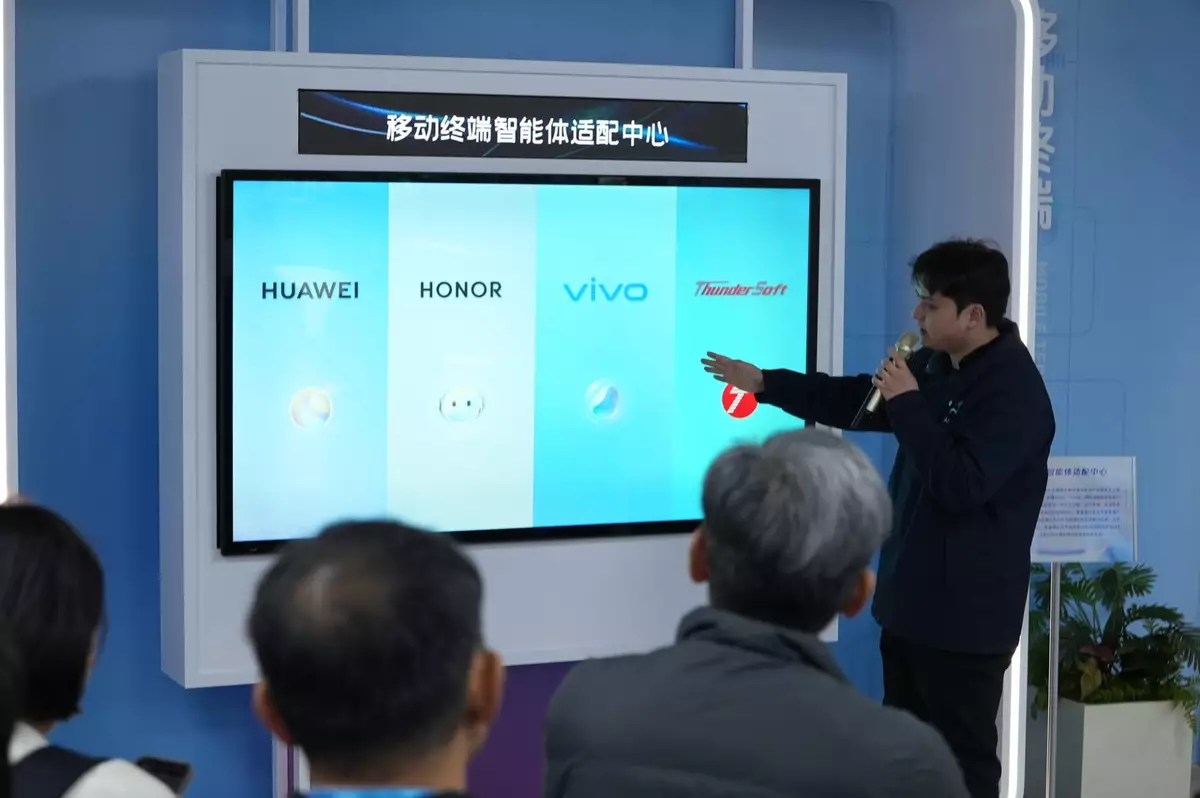
Inside the exhibition hall, the intelligent agent R&D centers of three major mobile phone brands — Honor, Huawei, and Vivo —have all settled in. Photo by Bastille Post
Inside the exhibition hall, the intelligent agent R&D centers of three major mobile phone brands — Honor, Huawei, and Vivo —have all settled in, together holding over 50% of the national mobile phone market share. During a live demonstration, Honor's intelligent agent was shown capable of automatically ordering takeout and hailing a ride via voice commands, executing up to 14 consecutive steps without human intervention.
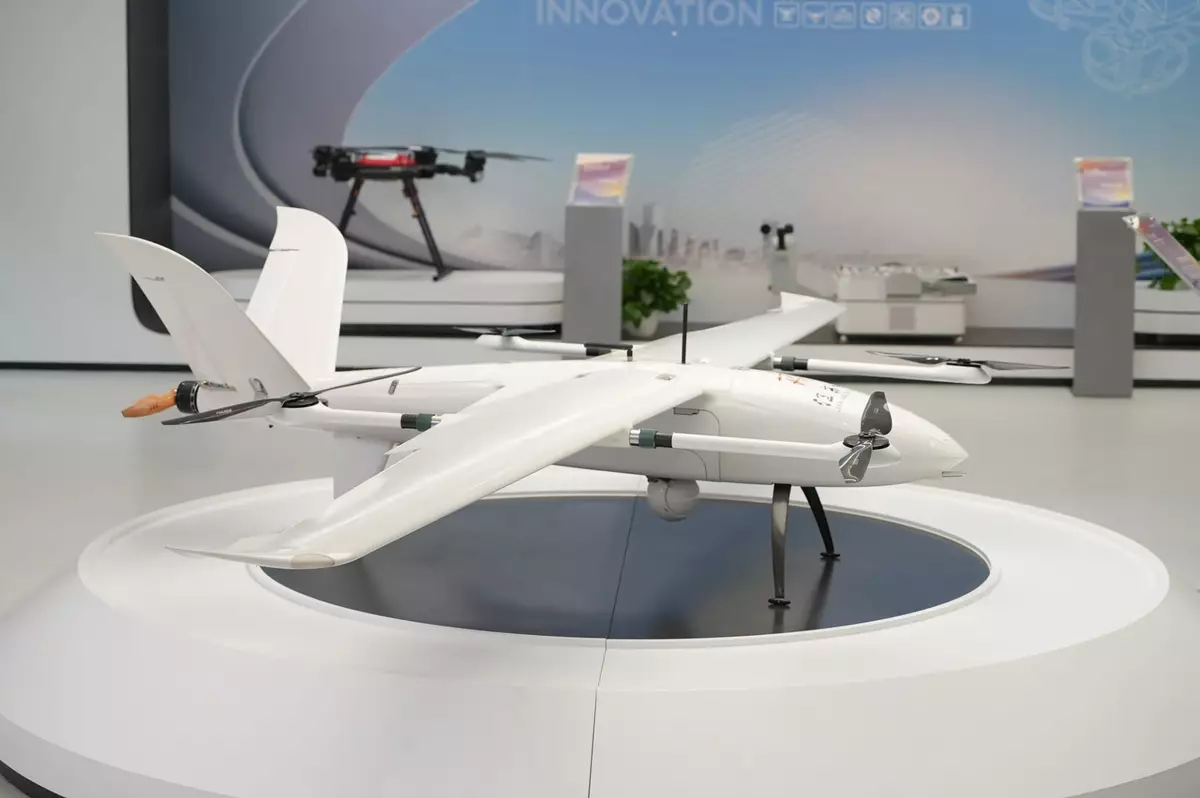
The tech products shown in the exhibition hall, Photo by Bastille Post
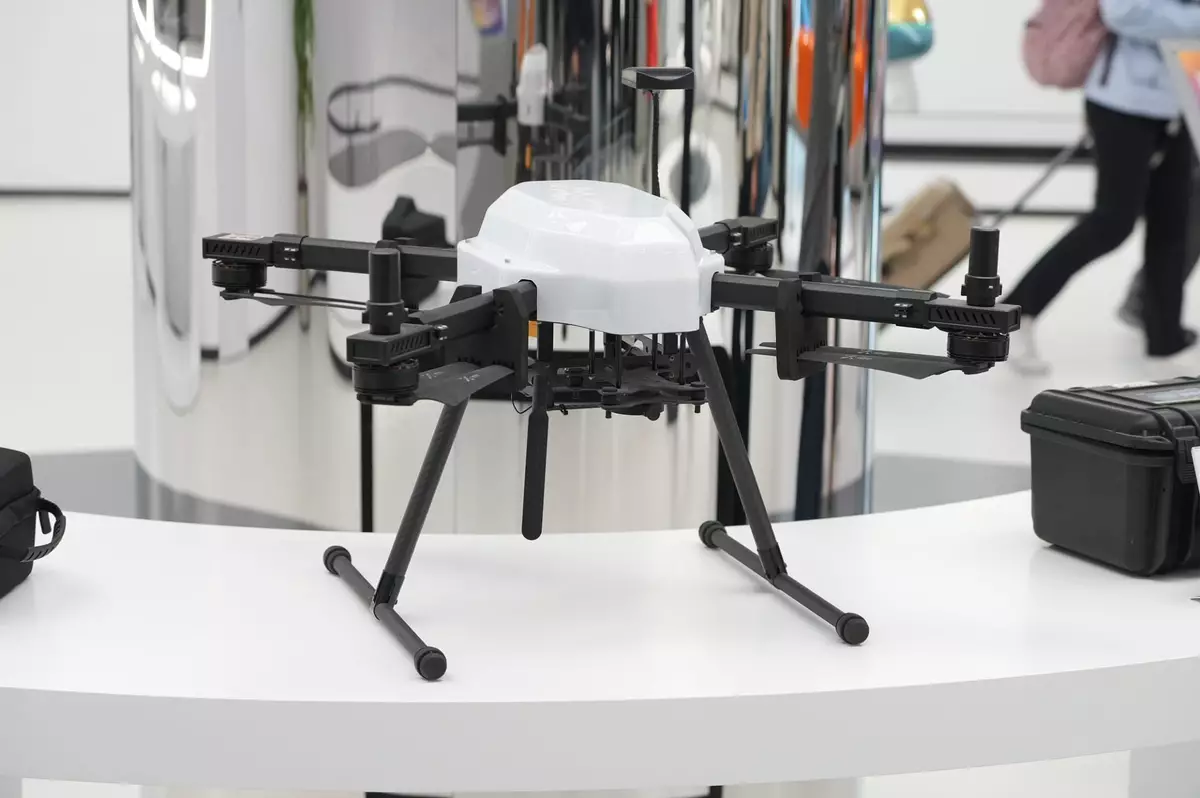
Photo by Bastille Post
ThunderSoft, an in-vehicle systems corporation, has its intelligent cockpits installed in major new energy vehicle brands across China, excluding Tesla. The corporation reportedly holds nearly 70% of the global market share, and Audi's entire passenger vehicle lineup in China also uses its system.
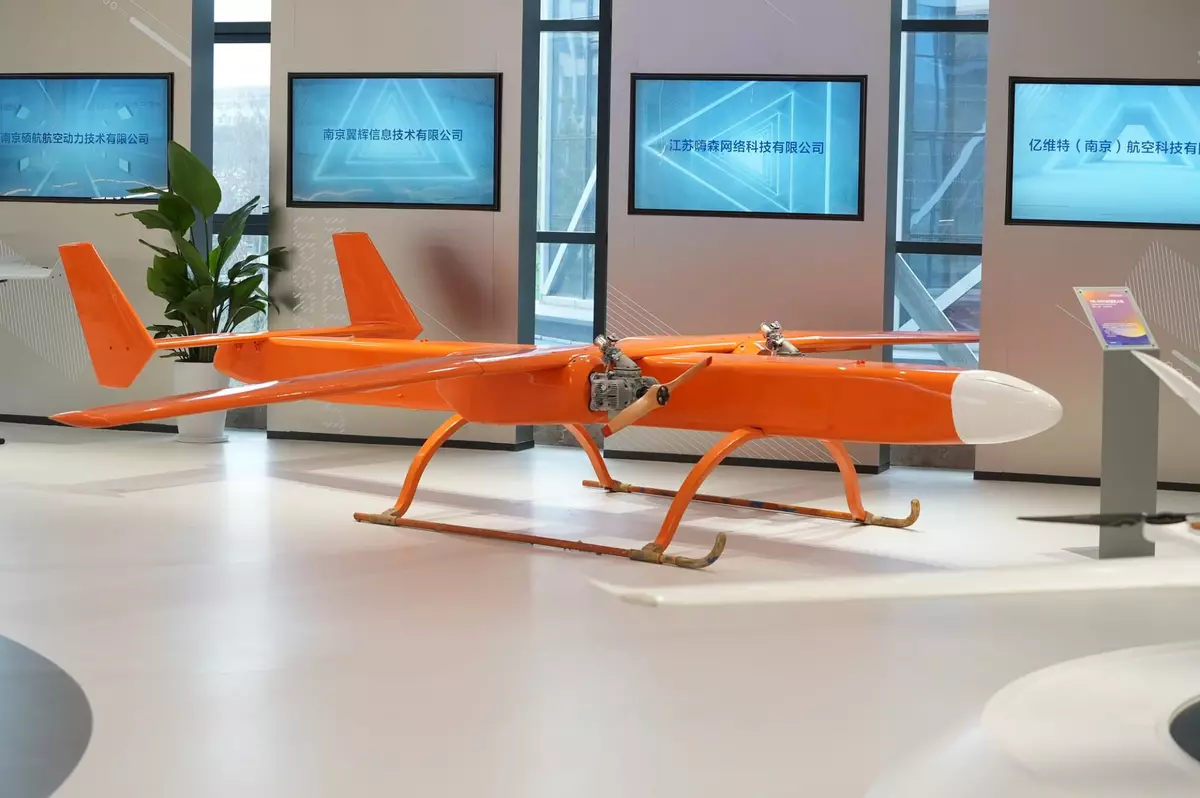
Photo by Bastille Post
Another highlight is the AI-powered intelligent computing machine for inspection and supervision, developed by SDIC Intelligence. It is currently used by the Central Commission for Discipline Inspection, the Supreme People's Procuratorate, and over 20 provincial-level discipline inspection and supervision commissions. According to the guide's introduction, the machine can connect to multiple data sources — including banks, police, and telecommunications companies — and automatically analyze personnel movements and fund transfers, eliminating the need for personnel to visit each department individually for inquiries.
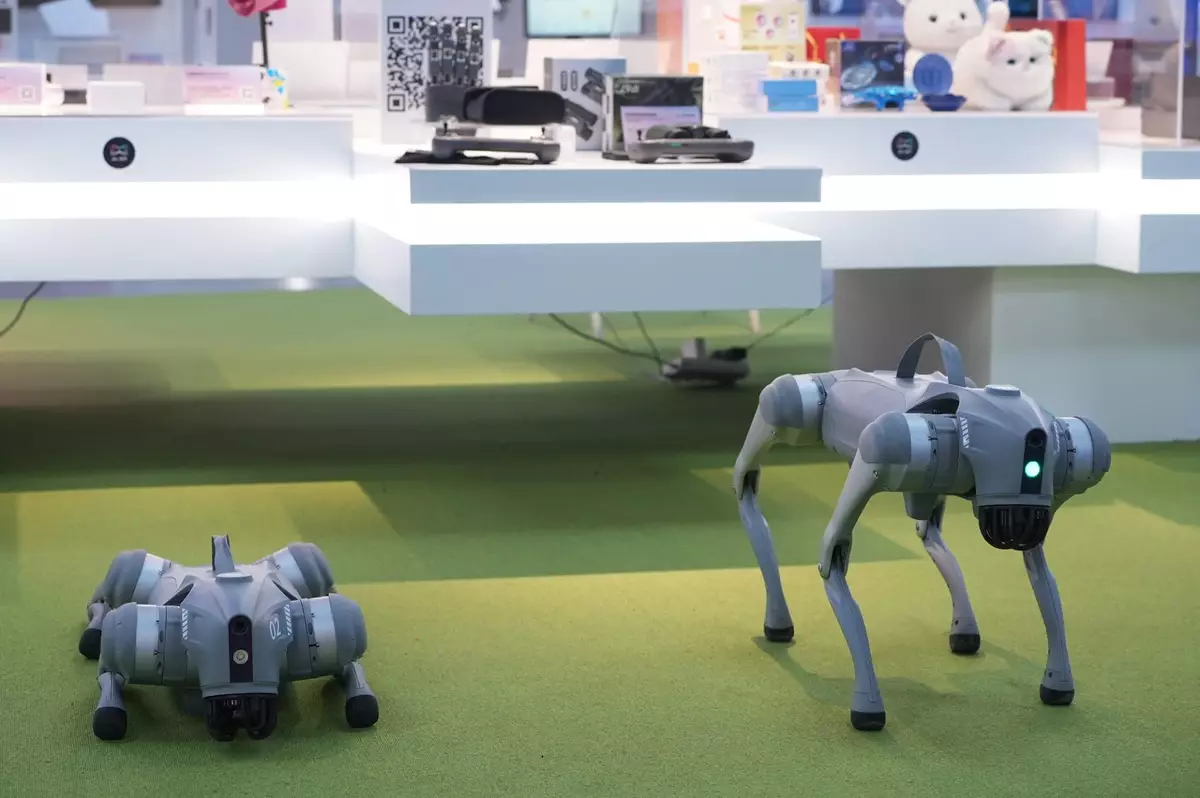
Photo by Bastille Post
Small Team, Big Impact on Technology
The Block has also nurtured a host of small yet commercially viable startups. As the guide introduced, a three‑person team developed a voice‑activated mouse featuring built‑in AI wake‑up functionality, retailing at 499 RMB, with more than 10,000 units being sold to date. Users simply press the button and issue voice commands; the AI can then automatically generate PPT slides and written text.
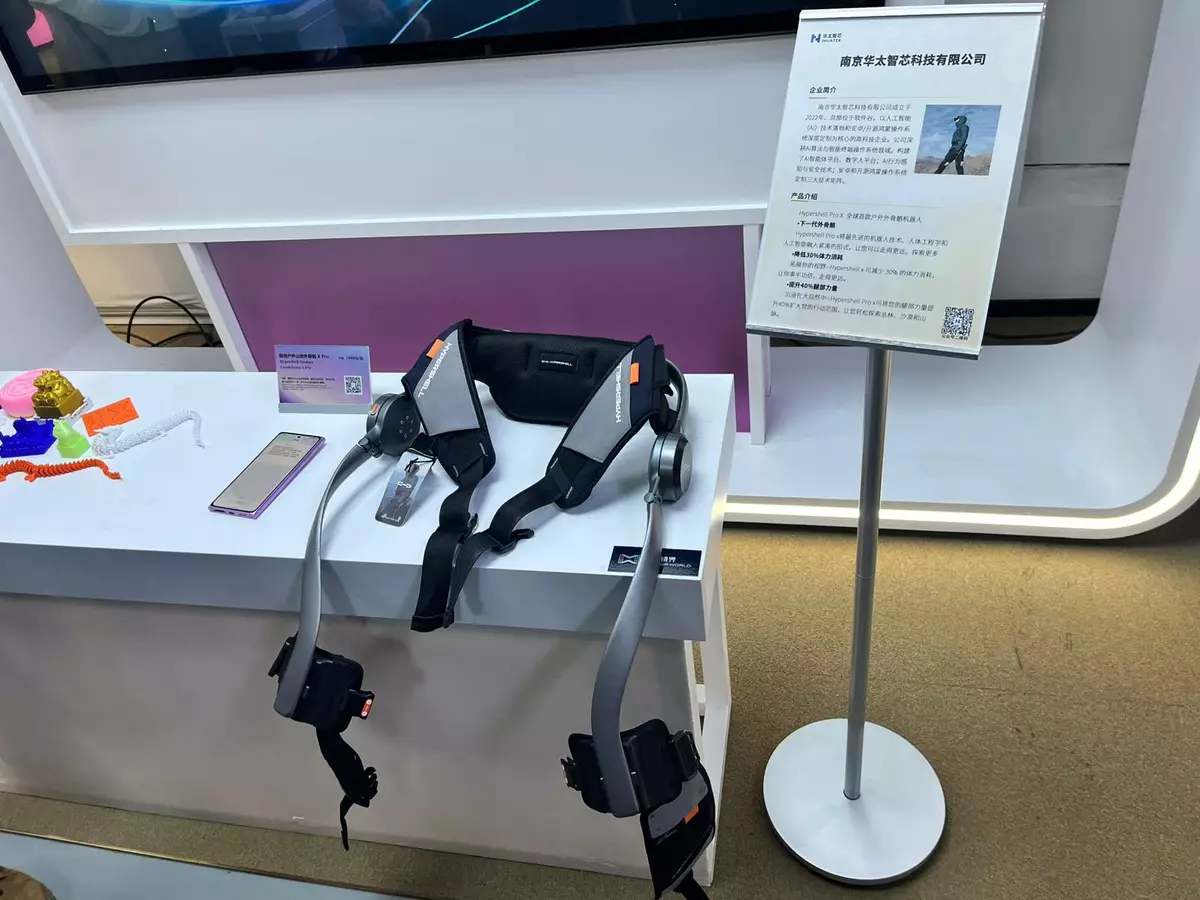
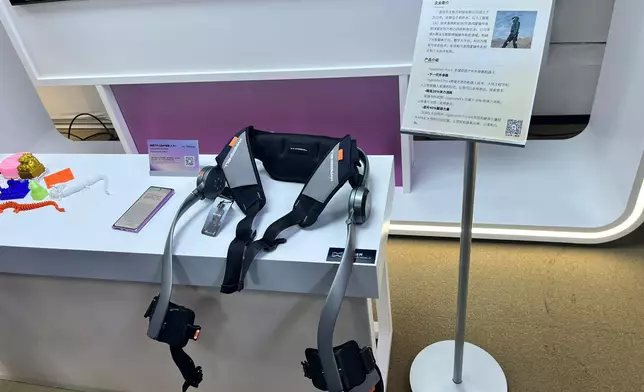
The displayed exoskeleton devices, Photo by Bastille Post
Another corporation displayed exoskeleton devices that reduce physical strain on users by 30 to 40%. The devices have been adopted by police forces in Fujian and Ningbo. Moreover, the guide also mentioned that the corporation donated around 300 exoskeletons to support post‑disaster recovery efforts for the Tai Po fire in 2025, assisting rescue personnel in climbing stairwells when elevators were inoperable.

Mr. Cheng Ka-chun, Officer-in-charge of the Disaster Victim Identification Unit of HKPF, Photo source: reference image
Mr. Cheng Ka-chun, Officer-in-charge of the Disaster Victim Identification Unit of HKPF, once noted that the Mainland‑donated exoskeletons were primarily used to transport corpses to temporary mortuaries. Their contribution was invaluable, as rescue personnel carried heavy equipment and were often required to climb more than 30 floors of stairs on foot. By easing the physical burden on them, the exoskeletons played a critical role in supporting the rescue operations.
AI Restaurant: Blood Pressure Check First Before Braised Pork Is Served
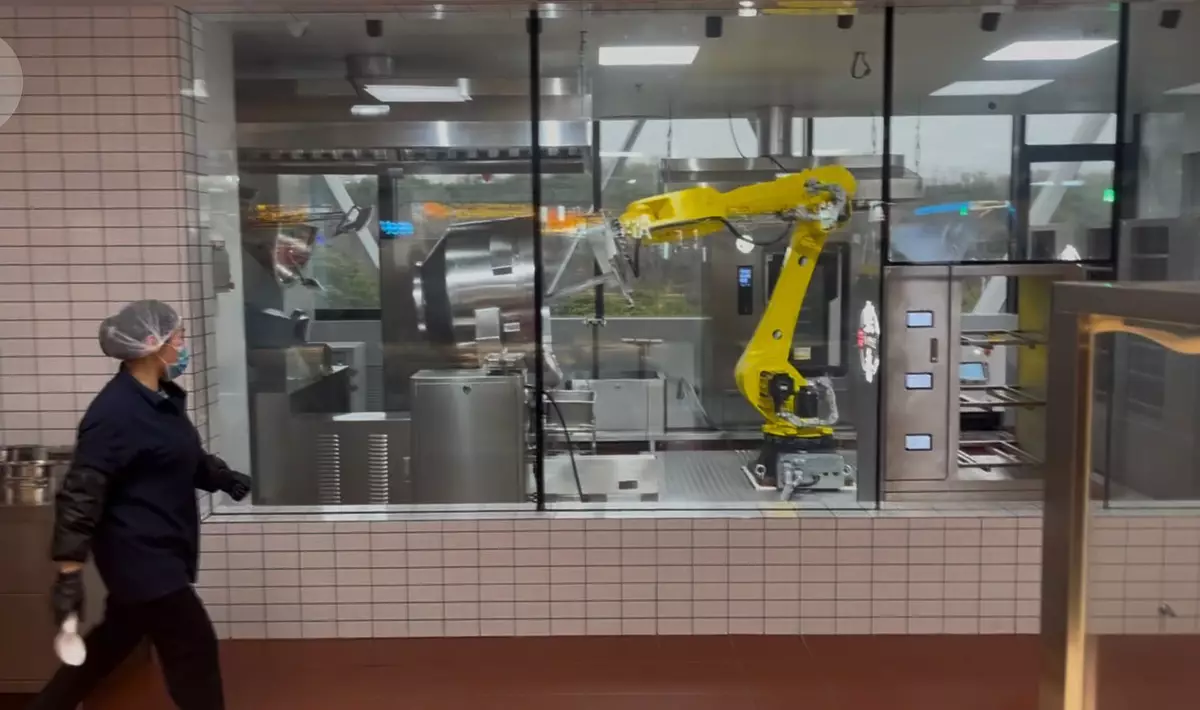
The restaurant employs a robotic cooking arm. Photo by Bastille Post
The Jingjie Restaurant in the Block offers a tangible example of AI integrated into daily life. Before eating, diners sit at a facial diagnostic device. Using a camera, the system analyzes subcutaneous blood vessels in the face to estimate health indicators, including blood pressure, blood sugar, and blood lipids. As a restaurant staff member explained, “If you find slightly high blood pressure in the AI diagnosis, the system will trigger a red alert when you reach for braised pork, indicating the dish was unsuitable for your health condition.”
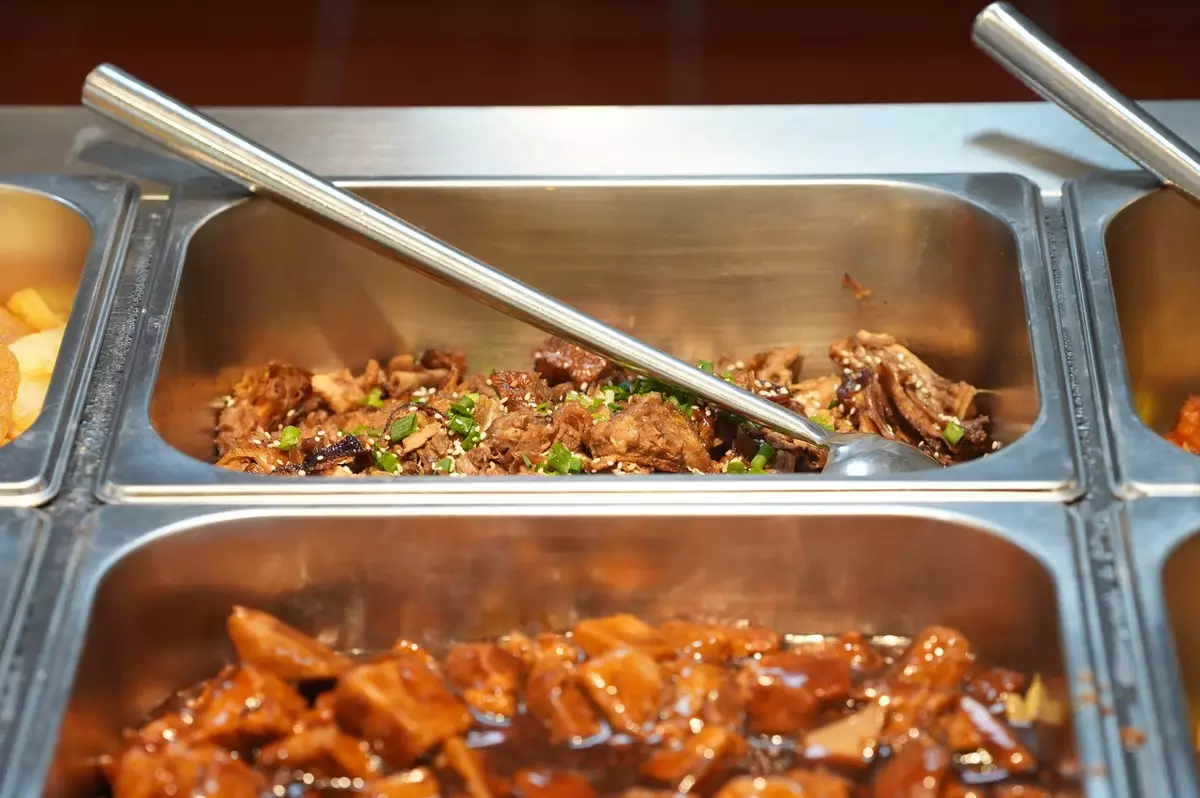
If you find slightly high blood pressure in the AI diagnosis, the system will trigger a red alert when you reach for braised pork, indicating the dish was unsuitable for your health condition. Photo by Bastille Post
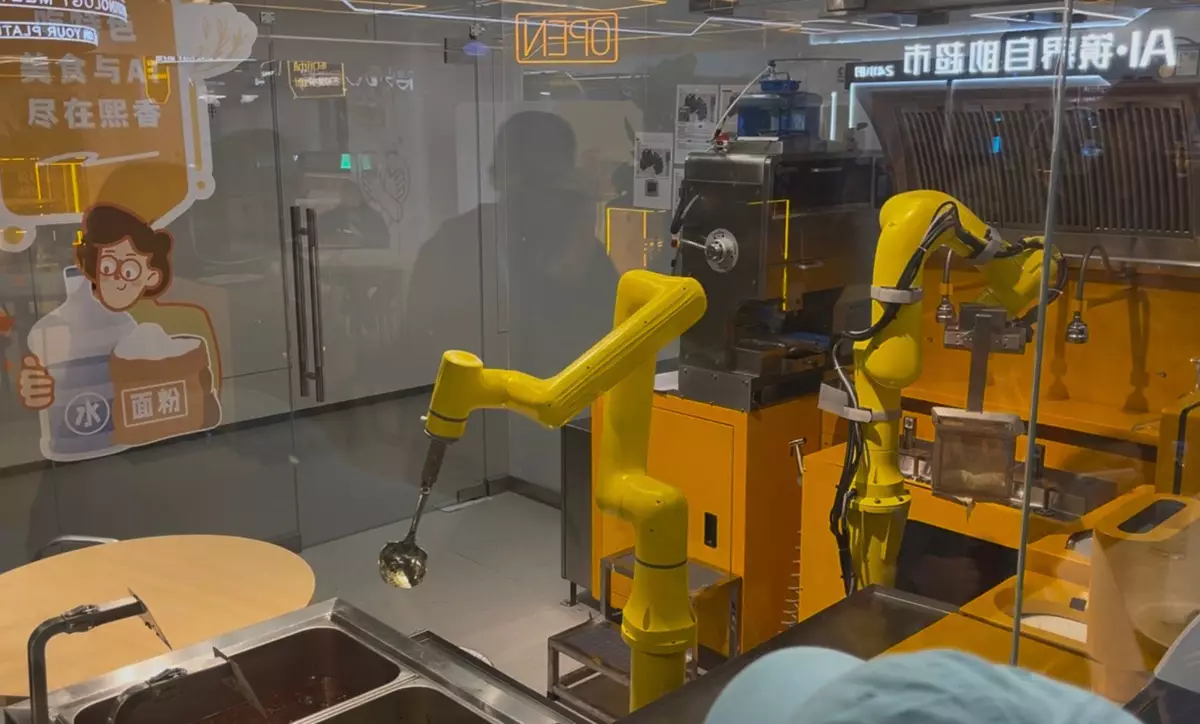
The robotic arm can precisely control the extremely high oven temperatures required for roasted meats and goose, which is favored by Cantonese and Hong Kong diners. Photo by Bastille Post
Each plate in the serving area is embedded with a chip. Once diners take dishes, the system will automatically record weight and calculate the bill accordingly, without the need for manual checkout. The on-site unmanned grocery store uses facial recognition for access, while a fully automatic pancake machine completes the entire process from kneading to baking in roughly three minutes. The restaurant also employs a robotic cooking arm, which the staff member described as reaching "Level 5", capable of stir-frying, deep-frying, and other cooking techniques. The staff also noted that the robotic arm can precisely control the extremely high oven temperatures required for roasted meats and goose, which is favored by Cantonese and Hong Kong diners.
Leveraging Hong Kong for Global Expansion: A Gradually Evolving Ecosystem
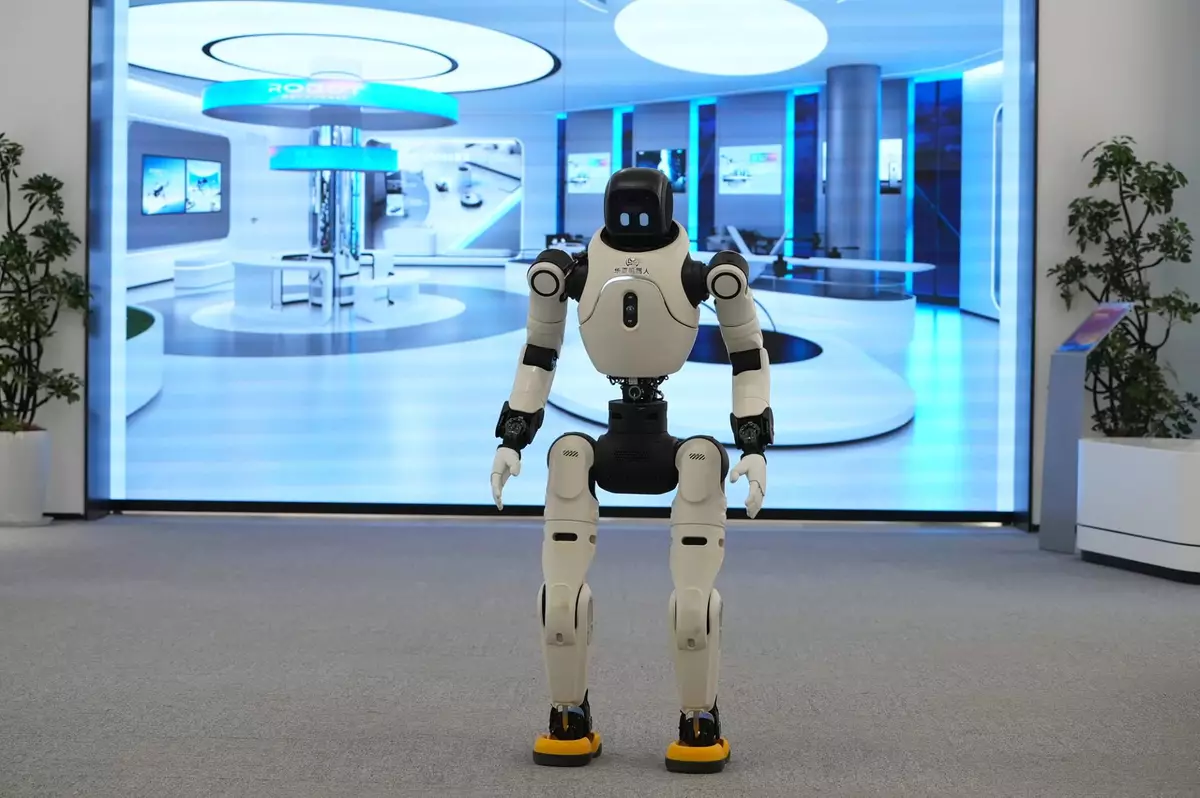
In the Block, corporations can readily connect with upstream and downstream partners, avoiding the extra costs of setting up separate offices elsewhere. Photo by Bastille Post
Ms. Zhang Yingyue stated that the Block's ability to attract corporations stems mainly from its long-established industrial ecosystem. “We cannot grow a corporation into an industry giant overnight. What matters more is patience and years of accumulated experience in the artificial intelligence sector.” In the Block, corporations can readily connect with upstream and downstream partners, avoiding the extra costs of setting up separate offices elsewhere.
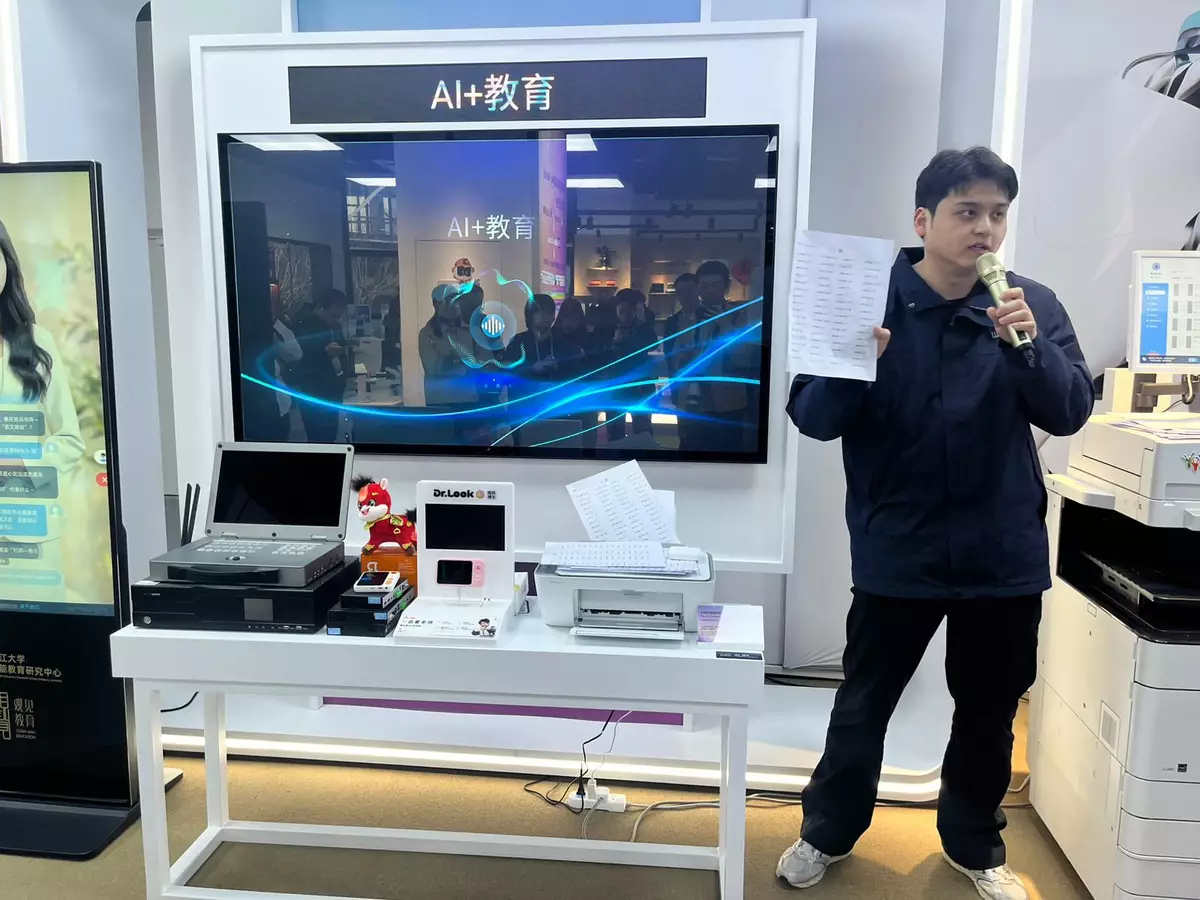
One of the corporations in the Block, Photo by Bastille Post
As for the cooperation with Hong Kong, Nanjing organizes local tech corporations to take part in Hong Kong exhibitions yearly. In 2026, seven corporations from the Block will participate in the Hong Kong Science Fair. Ms. Zhang cited a technology corporation in the Block as an example, which had just held a global product launch and set up a Hong Kong subsidiary. “We hope to promote our products globally through the platform of Hong Kong.” In Ms. Zhang’s view, Hong Kong is more than a showcase; it serves as a springboard for Mainland AI enterprises to enter the international market.