The global economic and trade friction index has remained high throughout 2025, according to the China Council for the Promotion of International Trade (CCPIT).
The index indicates that global trade friction is increasingly severe. Notably, the United States index has risen further from its already high levels in 2024, with the average monthly index in 2025 increasing by 16 points year on year.
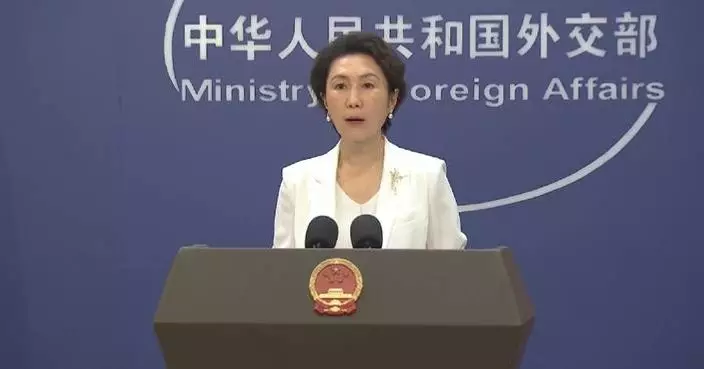
"From the country-specific indices, among the 20 monitored countries and regions, the United States, India, the European Union, Brazil, and Japan ranked in the top five for the number of months with high trade friction indices in 2025," said Wang Guannan, the CCPIT's spokeswoman, at a press conference in Beijing on Tuesday.
Wang noted that the value of trade friction measures from the United States was the highest, ranking first for 11 months of the year. The average value of its trade friction measures was nearly four times that of the second-ranked country.
"From the industry-specific indices, sectors such as electronics, machinery, and transportation equipment were the primary areas causing trade frictions in 2025. In January of this year, the electronics sector registered the highest trade friction index, and enterprises in these sectors should establish a regular early warning and response mechanism," said Wang.
The global trade friction index stood at 100 in January 2026, with the value of global trade friction measures decreasing by 7.3 percent year on year and by four percent month on month, Wang said.
The global economic and trade measures index is a tool for assessing and measuring the level of economic and trade frictions worldwide. It serves as an indicator of the degree of trade barriers countries face in their international trade endeavors.
The index examines trade frictions across 20 countries and regions, including the United States, China, and Japan, as well as trade measures such as import and export duties, trade remedies, and technical barriers.
Meanwhile, data from CCPIT also shows that China’s foreign trade is off to a solid start this year, maintaining steady momentum and improving.
In February 2026, CCPIT issued a total of 744,500 certificates, including certificates of origin, ATA carnets, and other commercial documents, marking a year-on-year increase of 72.38 percent. This strong growth indicates a robust start for China's foreign trade this year. The sharp rise in certification data reflects not only the continued impact of pro-trade policies but also the effectiveness of market diversification and the strong momentum of new business models, according to Wang.
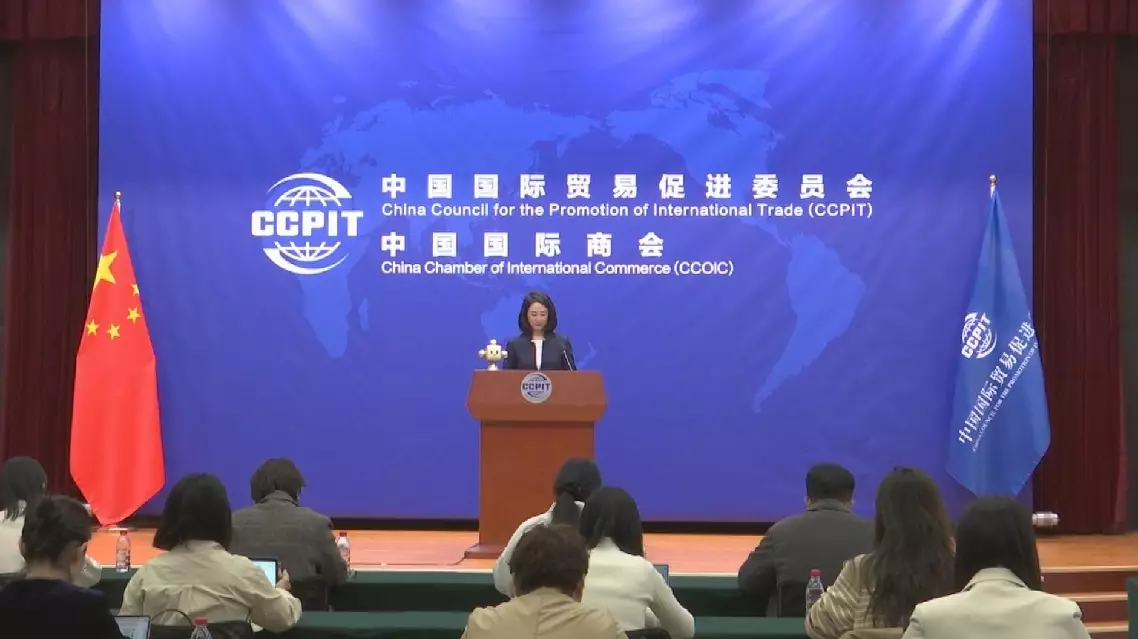
Global trade friction index remains high throughout 2025