WASHINGTON (AP) — Three fired FBI agents sued on Tuesday to try to get their jobs back, saying in a class action lawsuit that they were illegally punished for their participation in an investigation into President Donald Trump's efforts to overturn his 2020 election defeat.
The federal lawsuit adds to the mounting list of court challenges to a personnel purge by FBI Director Kash Patel that over the last year has resulted in the ousters of dozens of agents, either because of their involvement in investigations related to Trump or because they were perceived as insufficiently loyal to the Republican president's agenda.
Click to Gallery
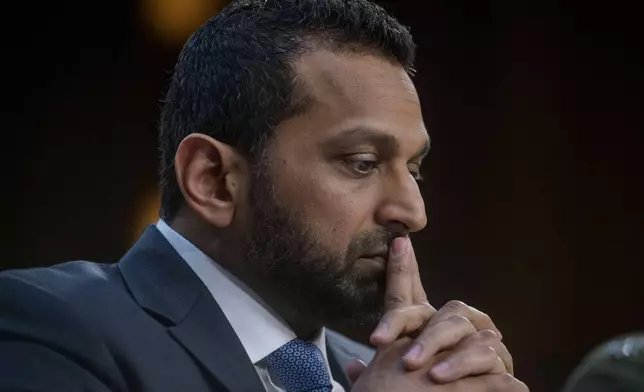
FBI Director Kash Patel testifies during a Senate Committee on Intelligence hearing to examine worldwide threats, on Capitol Hill, Wednesday, March 18, 2026, in Washington. (AP Photo/Rod Lamkey, Jr.)
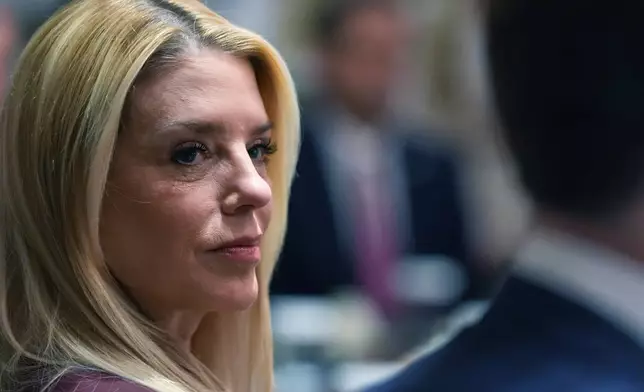
Attorney General Pam Bondi listens during a Cabinet meeting at the White House, Thursday, March 26, 2026, in Washington. (AP Photo/Alex Brandon)
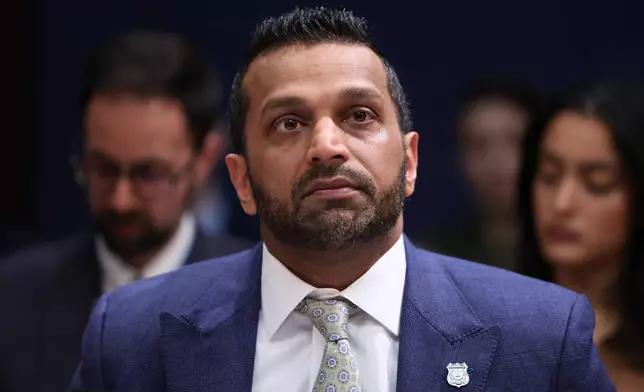
FBI Director Kash Patel, listens during a House Permanent Select Committee on Intelligence hearing to examine worldwide threats, Thursday, March 19, 2026, on Capitol Hill in Washington. (AP Photo/Tom Brenner)
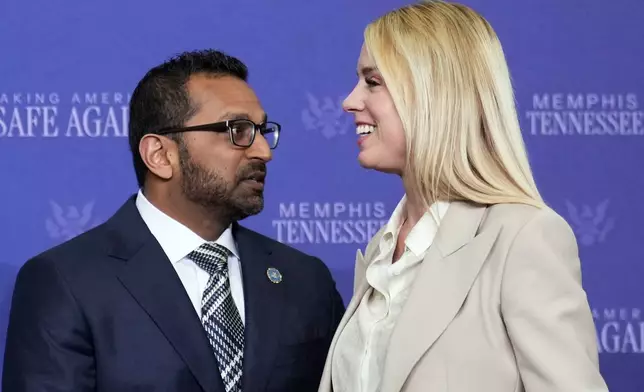
FBI Director Kash Patel and Attorney General Pam Bondi talk before President Donald Trump participates in a roundtable discussion on public safety at a Tennessee Air National Guard Base, Monday, March 23, 2026, in Memphis, Tenn. (AP Photo/Mark Schiefelbein)
FILE - The FBI seal is pictured in Omaha, Neb., Aug. 10, 2022. (AP Photo/Charlie Neibergall, File)
The lawsuit in federal court in Washington was technically filed on behalf of just three agents but may have much broader implications given that its request for class action status could open the door for agents fired since the start of the Trump administration to get their jobs back.
The three agents — Michelle Ball, Jamie Garman and Blaire Toleman — were fired last October and November in what they say was a “retribution campaign” targeting them for their work on the investigation into Trump. The agents had between eight and 14 years of “exemplary and unblemished” service in the FBI and expected to spend the remainder of their careers at the bureau but were abruptly fired without cause and without being given a chance to respond, the lawsuit says.
“Serving the American people as FBI agents was the highest honor of our lives,” they said in a statement. “We took an oath to uphold the Constitution, followed the facts wherever they led and never compromised our integrity. Our removal from federal service — without due process and based on a false perception of political bias — is a profound injustice that raises serious concerns about political interference in federal law enforcement.”
The investigation the agents worked on culminated in a 2023 indictment from special counsel Jack Smith that accused Trump of illegally scheming to undo the results of the presidential election he lost to Democrat Joe Biden in 2020. Smith ultimately abandoned that case, along with a separate one accusing Trump of illegally retaining classified records at his Mar-a-Lago estate in Palm Beach, Florida, after Trump won back the White House in 2024, citing Justice Department legal opinions that prohibit the federal indictments of sitting presidents.
The lawsuit notes that the firings followed the release by Sen. Chuck Grassley, the Republican chairman of the Senate Judiciary Committee, of documents about the election investigation — known as Arctic Frost — that he said had come from within the FBI. Those records included files showing that Smith's team had subpoenaed several days of phone records of some Republican lawmakers, an investigative step that angered Trump allies inside Congress.
The complaint names as defendants Patel and Attorney General Pam Bondi, accusing them of having orchestrated the firings despite being “personally embroiled” either as witnesses or attorneys in some of the legal troubles Trump has faced.
Patel, for instance, was subpoenaed to appear before a federal grand jury investigating Trump's retention of classified documents at Mar-a-Lago and had his phone records subpoenaed, while Bondi was part of the legal team that represented Trump at his first impeachment trial, which resulted in his acquittal.
“And now, by virtue of presidential appointment to the pinnacle of federal law enforcement, Defendants are abusing their positions to claim victories that eluded them on the merits,” the lawsuit states.
Spokespeople for the FBI and the Justice Department did not immediately return messages seeking comment. Patel and Bondi have said the fired agents and prosecutors who worked on Smith's team were responsible for weaponizing federal law enforcement, a claim that was also asserted in their termination letters but that the plaintiffs call defamatory and baseless.
Dan Eisenberg, a lawyer for the agents, said in a statement that his clients were fired without any investigation, notice of charges or chance to be heard.
“This lawsuit seeks to reaffirm fundamental constitutional protections for FBI employees, ensuring they can perform their duties without fear or favor. We all benefit when law enforcement officers' only loyalty is to facts and the truth,” said Eisenberg, who's with the firm of Emery Celli Brinckerhoff Abady Ward & Maazel LLP.
The lawsuit asks for the agents to be reinstated to their positions and for a court declaration affirming that their rights had been violated. It also seeks to represent a class of at least 50 agents who have been terminated since Jan. 20, 2025, or will be. Those agents also stand to recover their jobs in the event the case is successful and the requested class action status is granted.
Other fired employees who have sued include agents who were photographed kneeling during a racial justice protest in 2020; an agent trainee who displayed an LGBTQ+ flag at his workspace; and a group of senior officials, including the former acting director of the FBI, who were terminated last summer.
The firings have continued, with Patel last month pushing out a group of agents in the Washington field office who had been involved in investigating Trump’s hoarding of classified documents. Trump has insisted he was entitled to keep the documents when he left the White House and has claimed without evidence he had declassified them.
Follow the AP's coverage of the FBI at https://apnews.com/hub/us-federal-bureau-of-investigation.
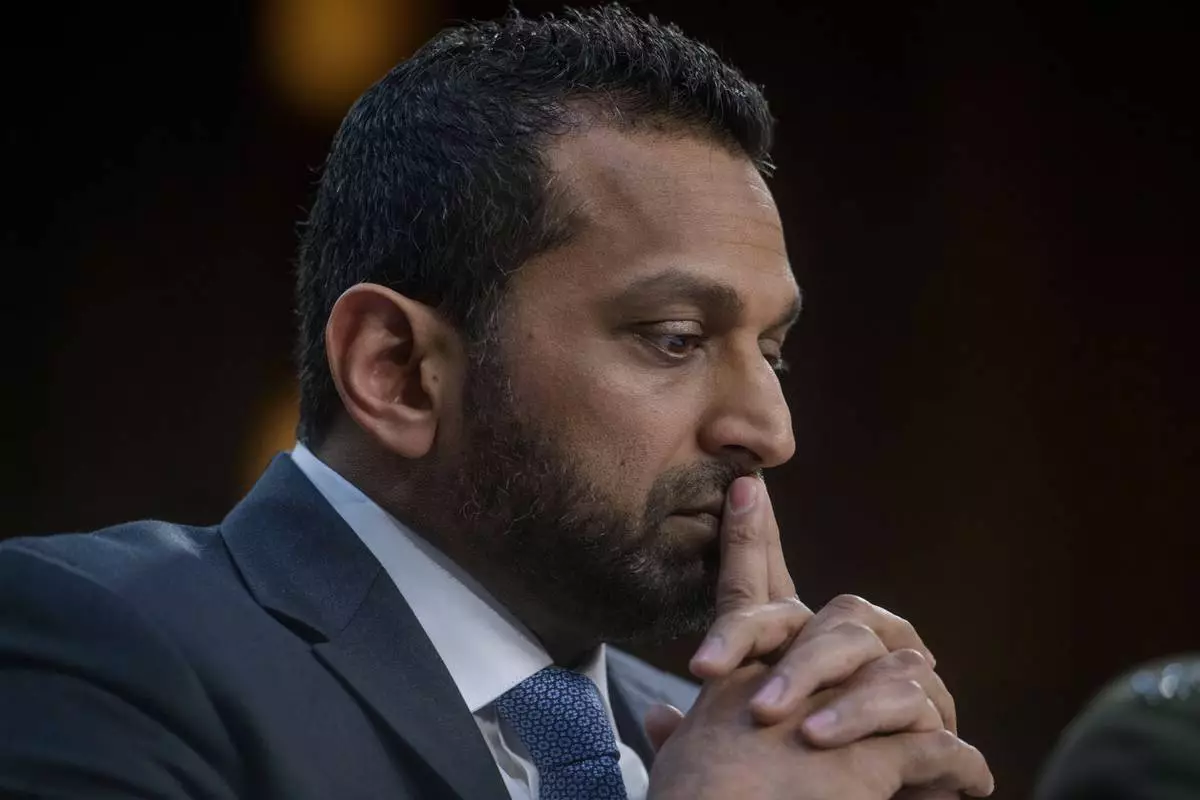
FBI Director Kash Patel testifies during a Senate Committee on Intelligence hearing to examine worldwide threats, on Capitol Hill, Wednesday, March 18, 2026, in Washington. (AP Photo/Rod Lamkey, Jr.)
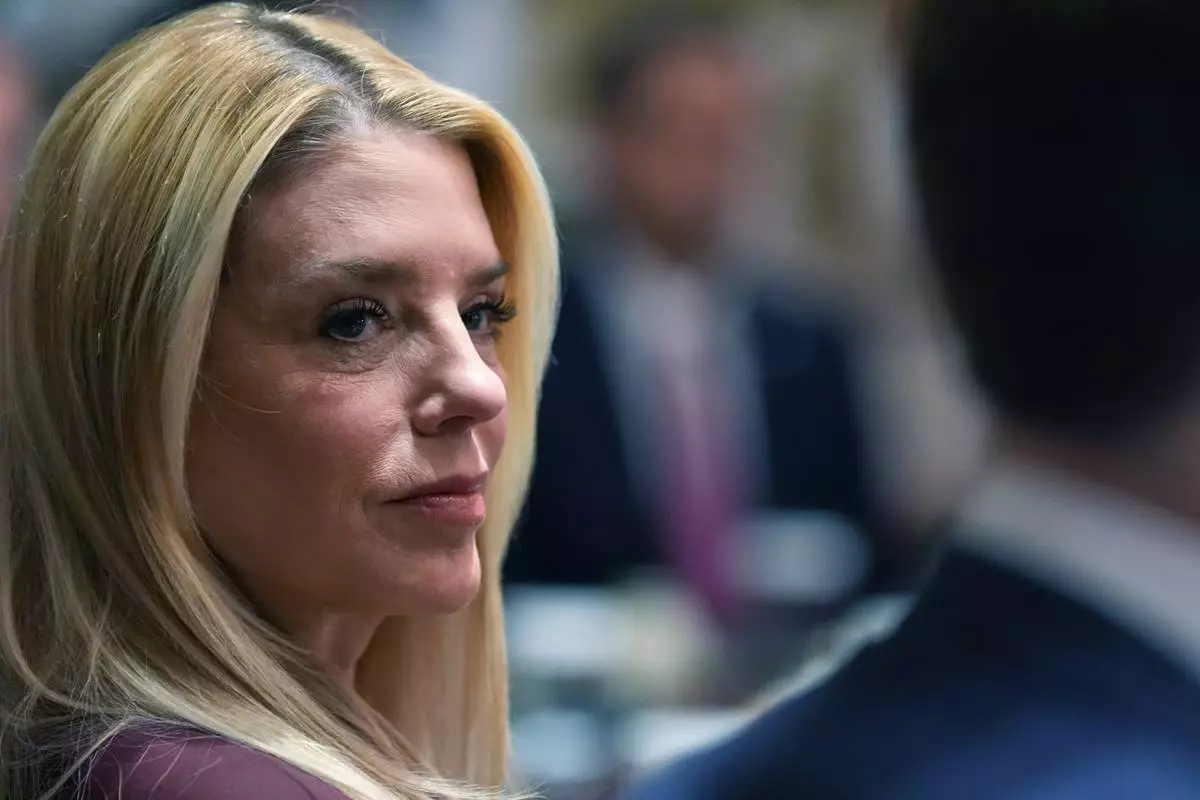
Attorney General Pam Bondi listens during a Cabinet meeting at the White House, Thursday, March 26, 2026, in Washington. (AP Photo/Alex Brandon)
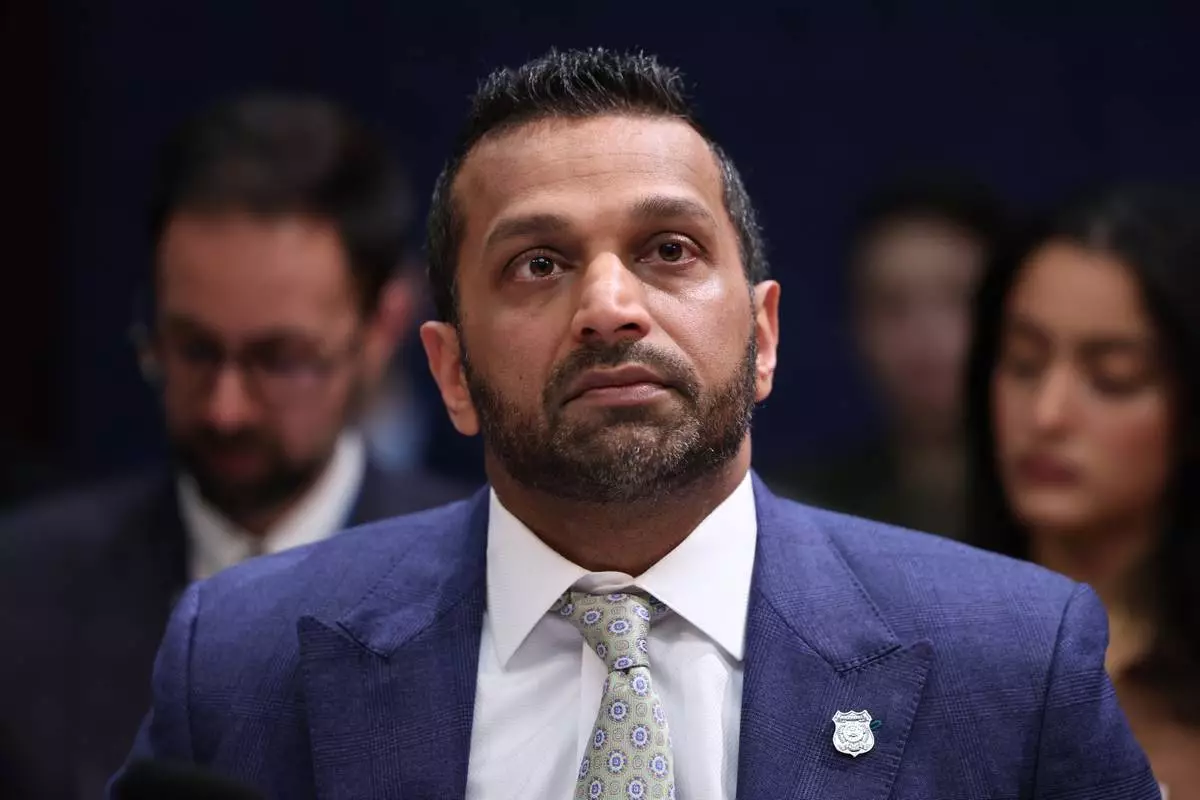
FBI Director Kash Patel, listens during a House Permanent Select Committee on Intelligence hearing to examine worldwide threats, Thursday, March 19, 2026, on Capitol Hill in Washington. (AP Photo/Tom Brenner)
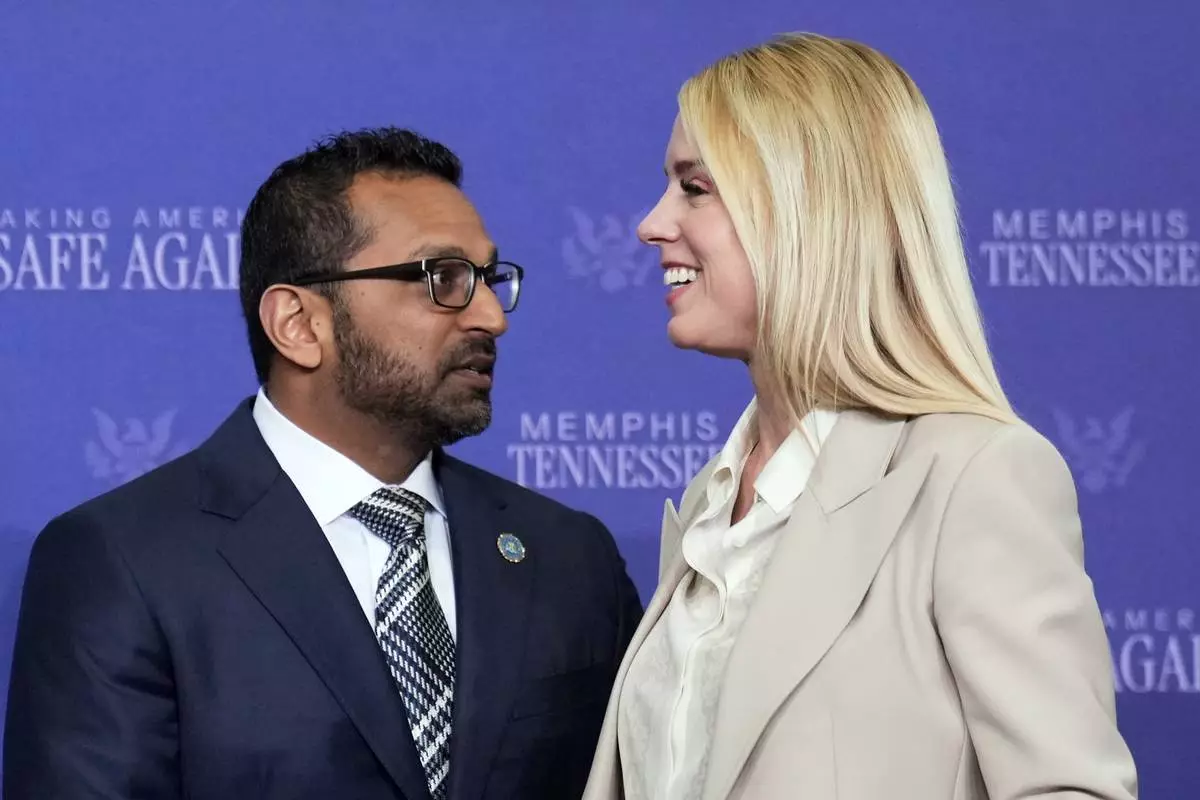
FBI Director Kash Patel and Attorney General Pam Bondi talk before President Donald Trump participates in a roundtable discussion on public safety at a Tennessee Air National Guard Base, Monday, March 23, 2026, in Memphis, Tenn. (AP Photo/Mark Schiefelbein)
FILE - The FBI seal is pictured in Omaha, Neb., Aug. 10, 2022. (AP Photo/Charlie Neibergall, File)