This is the first time that Wilson will take part in a training camp since helping the U.S. win the gold medal at the 2024 Paris Games.
She'll be joined by Olympic teammate Sabrina Ionescu.
There will also be a handful of players who just competed for the U.S. this month at the FIBA World Cup qualifier in San Juan, Puerto Rico — Monique Billings, Rae Burrell and Paige Bueckers. The U.S. went undefeated in that tournament and will next compete at the World Cup this September in Berlin.
Caitlin Clark, who made her national team debut in that World Cup qualifier event, was not in the camp.
Other WNBA players participating in the camp include Cameron Brink, Veronica Vurton, Stefanie Dolson, Rickea Jackson, Azura Stevens, Brittney Sykes and Kayla Thornton. Dolson won a gold medal in 3-on-3 at the Tokyo Olympics in 2021. Thornton will be making her USA debut.
Two-time Olympian Napheesa Collier will be at the camp, but unable to participate because she's recovering from an injury she suffered at the end of the last WNBA season.
The WNBA group will be joined by a pair of college players with Vanderbilt's Mikayla Blakes and Southern California's JuJu Watkins. Watkins, who has been recovering from an ACL injury she suffered in last year's March Madness, was at the USA camp at Duke in December.
USA coach Kara Lawson will lead the camp and be assisted on court by Nate Tibbetts, Natalie Nakase and Stephanie White. The trio were all part of the World Cup qualifying tournament. Shea Ralph and Niele Ivey will also serve as court coaches.
There will be a lot of rooting interest by the players for the Final Four with Wilson's Gamecocks playing UConn. There are a bunch of Huskies alums with Bueckers, Dolson, Collier and Stevens. Billings starred at UCLA.
AP WNBA: https://apnews.com/hub/wnba-basketball
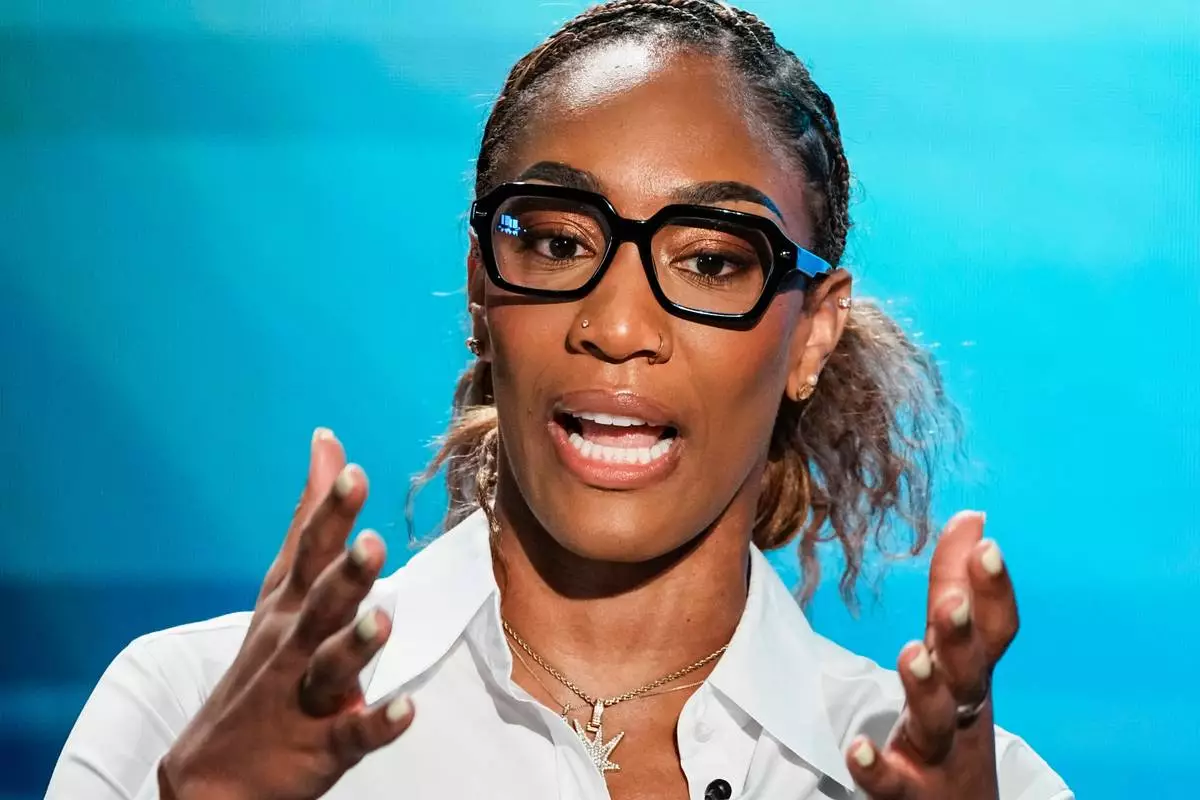
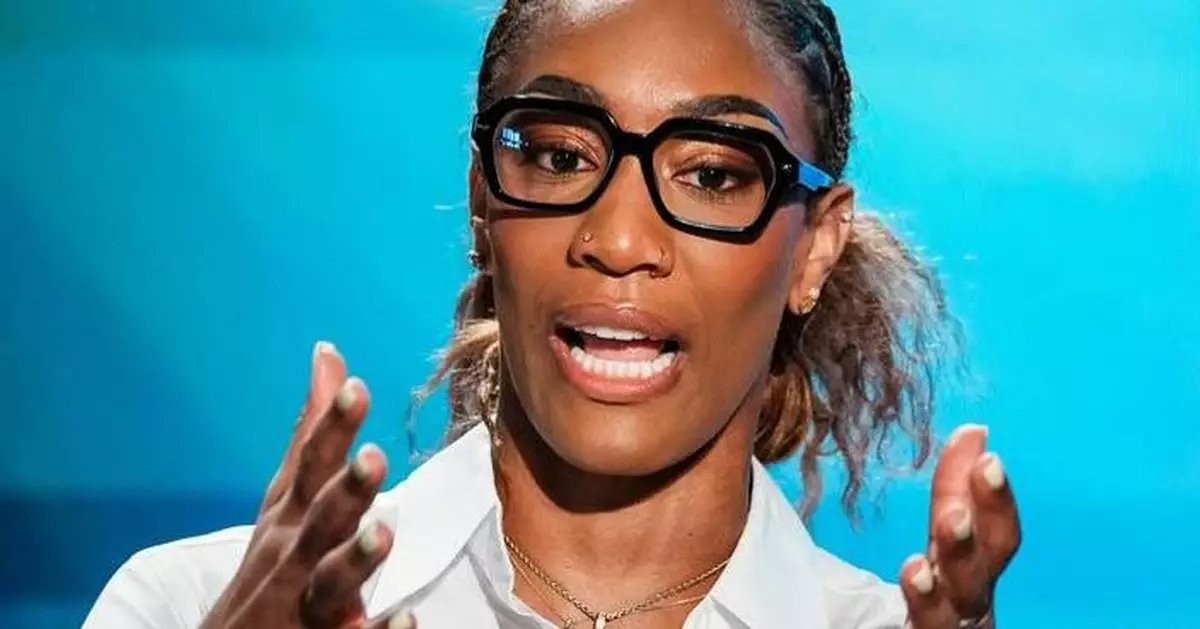
A'ja Wilson, WNBA basketball player, speaks during a Pro Athlete event at JPMorganChase Head Quarters in New York, Wednesday, March 18, 2026. (AP Photo/Eduardo Munoz Alvarez)
WASHINGTON (AP) — Citing the First Amendment, a federal judge on Tuesday agreed to permanently block the Trump administration from implementing a presidential directive to end federal funding for National Public Radio and the Public Broadcasting Service, two media entities that the White House has said are counterproductive to American priorities.
The operational impact of U.S. District Judge Randolph Moss' decision was not immediately clear — both because it will likely be appealed and because too much damage to the public-broadcasting system has already been done, both by the president and Congress.
Moss ruled that President Donald Trump’s executive order to cease funding for NPR and PBS is unlawful and unenforceable. The judge said the First Amendment right to free speech “does not tolerate viewpoint discrimination and retaliation of this type.”
“It is difficult to conceive of clearer evidence that a government action is targeted at viewpoints that the President does not like and seeks to squelch,” wrote Moss, who was nominated to the bench by President Barack Obama, a Democrat.
PBS, with programming ranging from “Sesame Street” and “Mister Rogers' Neighborhood” to Ken Burns’ documentaries, has been operating for more than half a century. NPR has news programming from “All Things Considered” and cultural shows like the “Tiny Desk” concerts. For decades, the fates of both systems have been part of a philosophical debate over whether government should help fund their operations.
The judge noted that Trump’s executive order simply directs that all federal agencies “cut off any and all funding” to NPR, which is based in Washington, and PBS, based in Arlington, Virginia.
“The Federal Defendants fail to cite a single case in which a court has ever upheld a statute or executive action that bars a particular person or entity from participating in any federally funded activity based on that person or entity’s past speech,” the judge wrote.
Last year, Trump, a Republican, said at a news conference he would “love to” defund NPR and PBS because he believes they’re biased in favor of Democrats.
“The message is clear: NPR and PBS need not apply for any federal benefit because the President disapproves of their ‘left wing’ coverage of the news,” Moss wrote.
NPR accused the Corporation for Public Broadcasting of violating its First Amendment free speech rights when it moved to cut off its access to grant money appropriated by Congress. NPR also claims Trump wants to punish it for the content of its journalism.
“Public media exists to serve the public interest — that of Americans — not that of any political agenda or elected official,” said Katherine Maher, NPR’s president and CEO. She called the decision a decisive affirmation of the rights of a free and independent press.
PBS chief Paula Kerger said she was thrilled with the decision. The executive order, she said, is “textbook” unconstitutional viewpoint discrimination and retaliation. “At PBS, we will continue to do what we’ve always done: serve our mission to educate and inspire all Americans as the nation’s most trusted media institution.”
Last August, CPB announced it would take steps toward closing itself down after being defunded by Congress.
Plaintiffs’ attorney Theodore Boutrous said Tuesday's ruling is “a victory for the First Amendment and for freedom of the press.”
“As the Court expressly recognized, the First Amendment draws a line, which the government may not cross, at efforts to use government power — including the power of the purse — ‘to punish or suppress disfavored expression’ by others,” Boutrous said in a statement. “The Executive Order crossed that line.”
The judge agreed with government attorneys that some of the news outlets’ legal claims are moot, partly because the CPB no longer exists.
“But that does not end the matter because the Executive Order sweeps beyond the CPB,” Moss added. “It also directs that all federal agencies refrain from funding NPR and PBS — regardless of the nature of the program or the merits of their applications or requests for funding.”
While Trump was sued in this legal action, the case did not include Congress — and the legislative body has played a large role in the public-broadcasting saga in the past year.
Trump’s executive order immediately cut millions of dollars in funding from the Education Department to PBS for its children’s programming, forcing the system to lay off one-third of the PBS Kids staff. The Trump order didn’t impact Congress’ vote to eliminate the overall federal appropriations for PBS and NPR, which forced the closure of the Corporation for Public Broadcasting, the entity that funneled that money to the TV and radio networks.
AP Media Writer David Bauder contributed to this report.
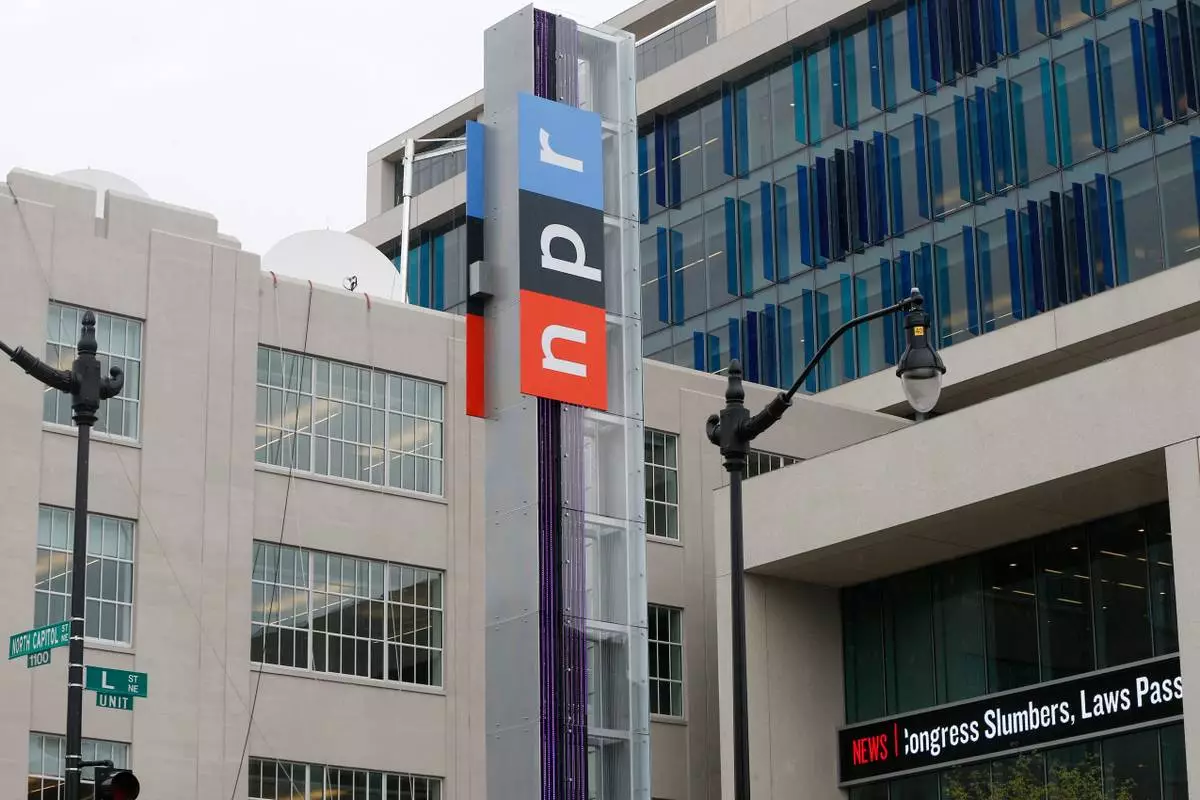
FILE - National Public Radio (NPR) on North Capitol Street in Washington, April 15, 2013. (AP Photo/Charles Dharapak, File)