LOS ANGELES (AP) — Democrats have run California for years, but in a nationally critical election the party is being confronted by the limits of its own power: the race for governor is out of control.
Barely a month before the start of mail-in voting, Democratic leaders are openly dreading the possible loss of a statewide election for the first time in two decades. As candidates jockey in a crowded field, the contest has degenerated into finger-pointing over debate eligibility, identity politics and 2025 ballot counting, issues distant from voters struggling with the soaring cost of gas and groceries.
“Squabbles about debates or other inside baseball politics are likely under the radar for most voters and seem almost absurd, given what’s facing us,” Kim Nalder, director of the Project for an Informed Electorate at California State University, Sacramento, said in an email.
Candidates agree that a large number of voters remain undecided on the question of who should take charge of the nation’s most populous state that, by itself, represents the world’s fourth-largest economy. There are more than 50 candidates on the ballot — including eight established Democrats and two leading Republicans.
For the first time in a generation the governor’s contest is being defined by uncertainty, not inevitability — former Gov. Jerry Brown and outgoing Gov. Gavin Newsom coasted through their elections. How do Democrats reassert their political clout and regain control of the race in a state where the party holds every statewide office, dominates the legislature and outnumbers registered Republicans by nearly 2-to-1?
“I have no idea and anybody who tells you they do, they don’t know either,” said veteran Democratic consultant Dan Newman, who is not involved in the race.
For Democrats, the party’s dicey chances in the June 2 primary stem from the state’s unpredictable “top two” primary system that puts all candidates on one ballot, with only the top two vote-getters advancing to November, regardless of party. The fear is the party’s 24 listed candidates will undercut each other and divide the Democratic vote into small fractions, clearing the way for the two leading Republicans — Riverside County Sheriff Chad Bianco and conservative commentator Steve Hilton, both supporters of President Donald Trump — to advance.
While affordability is a top issue around the country, the race for governor has detoured into messy personal attacks and squabbles that have given the campaign a chaotic aura. A major televised debate was canceled after an uproar over the selection criteria that resulted in six white candidates qualifying for the stage while Black, Latino and Asian candidates were snubbed.
The University of Southern California, where the debate was to be held, said the dispute “created a significant distraction from the issues that matter to voters.” The school’s decision to cancel the event followed accusations of discrimination by candidates of color who were not invited.
The scratched debate came shortly after state Democratic Chair Rusty Hicks pleaded with lagging candidates to drop out of the race. Meanwhile, Rep. Eric Swalwell, one of the leading Democrats, accused Trump of trying to influence the contest after reporting that administration officials ordered FBI agents to gather documents about a decade-old investigation into the congressman’s ties to a suspected Chinese spy. The probe did not result in criminal charges.
Earlier this week, Bianco, after seizing more than half a million 2025 election ballots, said he paused a probe into election fraud allegations, citing mounting legal challenges from the state and a voting rights group.
Elsewhere in the country, Democrats have been heartened by victories in a string of races — even on Trump's home turf — that they see as promising signs ahead of this year's midterm elections, when control of Congress will be in play. Democratic officials in California fear a vacancy at the top of the ticket in November could depress turnout in critical U.S. House races.
Such a scenario could “imperil Democrats’ chances to retake the House,” Hicks, the state Democratic chair, has warned.
The contest to succeed Newsom is playing out with Trump the ubiquitous foil for Democratic candidates — California is regarded as the home of the so-called Trump resistance. Simultaneously the state is beset with a long-running homeless crisis, commonplace seven-figure home prices and projected future budget shortfalls, while residents contend with some of the nation’s highest gas prices, taxes and utility bills.
Polling in early February by the nonpartisan Public Policy Institute of California found the field had broken into two distinct groups, with Bianco, Hilton and three Democrats — Swalwell, former Rep. Katie Porter and billionaire climate activist Tom Steyer — in close competition, with other candidates trailing.
The volatile race has recalled the surprise outcome in 1998 — the last wide-open race for governor — when underdog Democrat Gray Davis surged past two leading Democrats in the primary who relentlessly attacked each other, with Davis going on to win in November.
The rules have changed in the attention economy, where candidates must compete with digital platforms and content creators to connect with distracted voters.
“Normally people would paying attention,” Newman said. “The whole campaign has been in slow motion.”
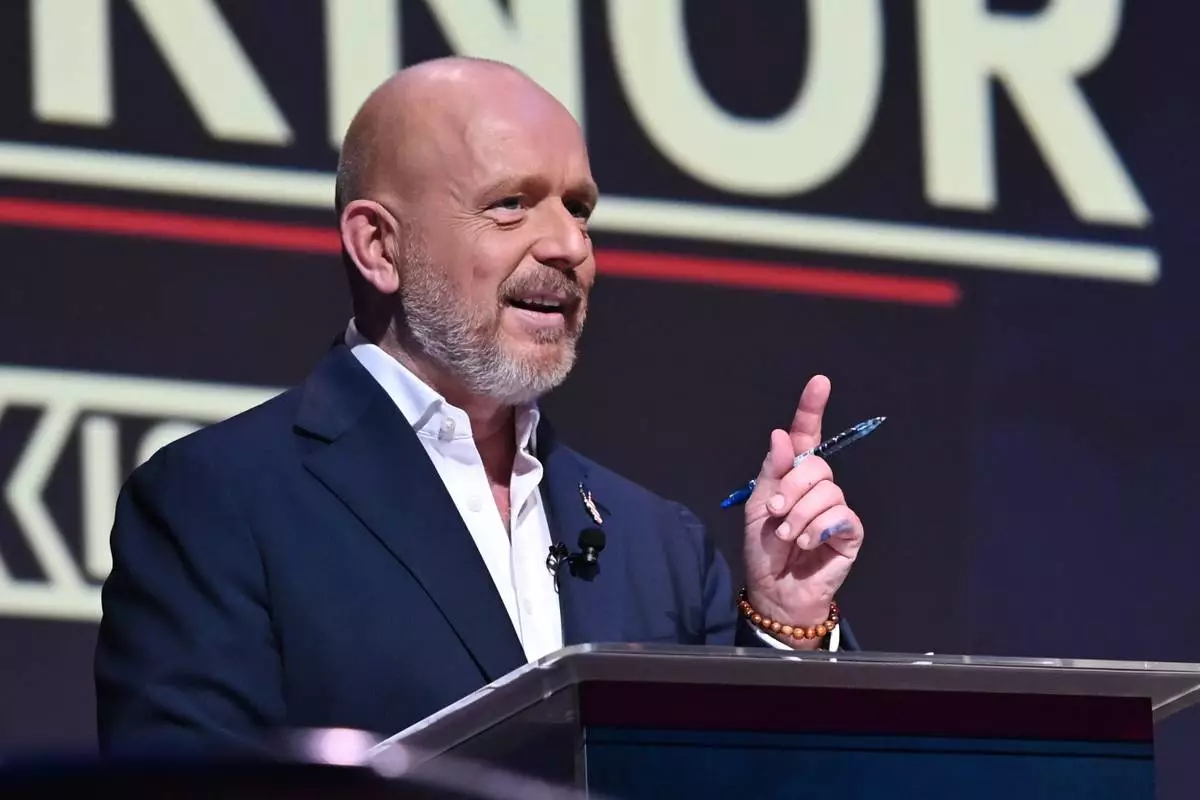
FILE - Steve Hilton speaks during the California gubernatorial candidate debate, Feb. 3, 2026, in San Francisco. (AP Photo/Laure Andrillon, File)
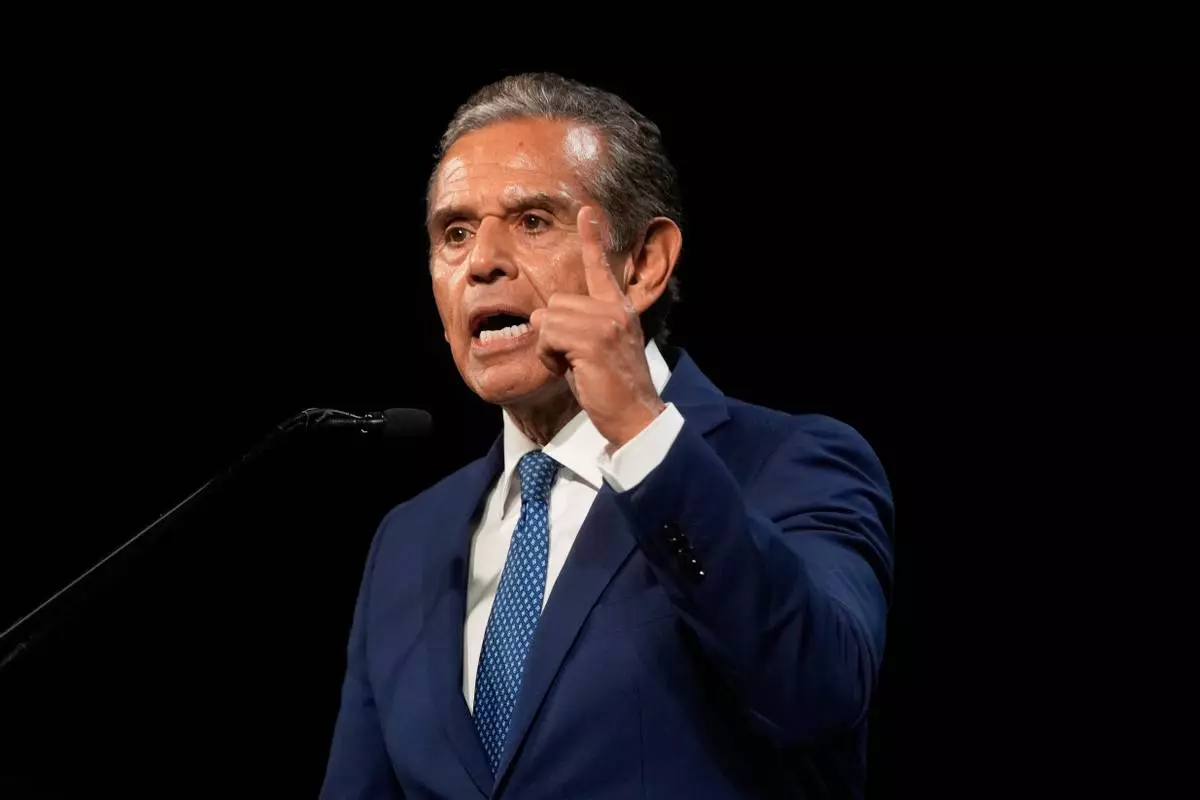
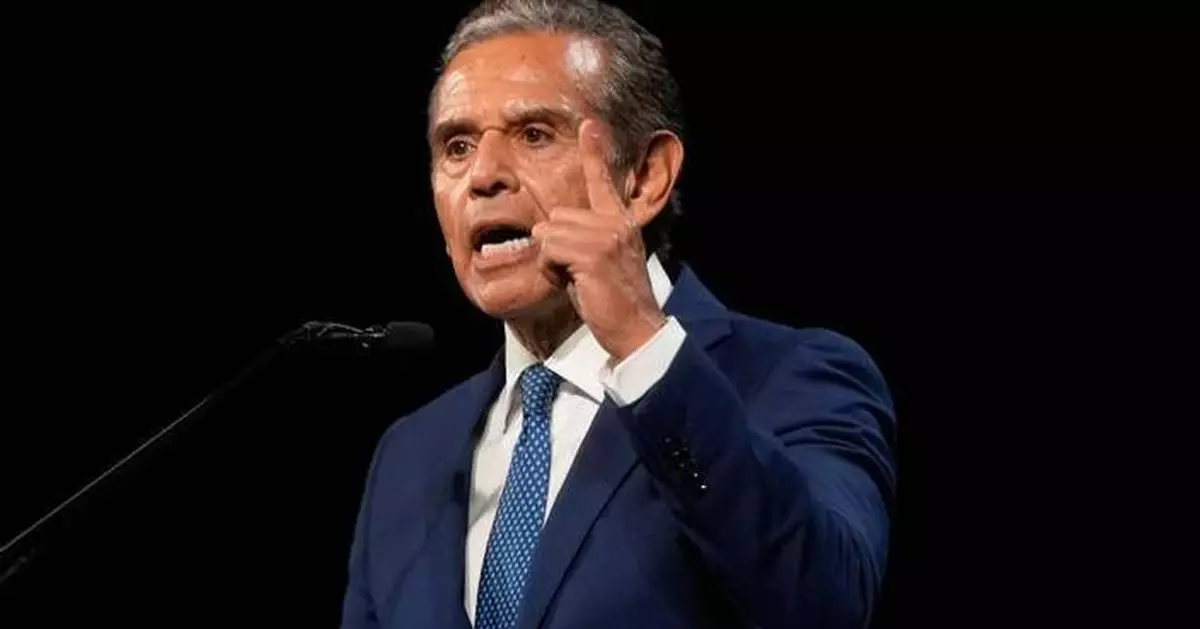
FILE - California gubernatorial candidate Antonio Villaraigosa speaks at the 2026 California Democratic Party State Convention in San Francisco, Feb. 21, 2026. (AP Photo/Jeff Chiu, File)
U.S. President Donald Trump said the military could end its Iran offensive in two to three weeks and will shift responsibility for the Strait of Hormuz to countries that rely on it for oil and shipping as the White House announced a prime-time presidential address Wednesday evening on the war.
Trump expressed frustration Tuesday with allies who have been unwilling to do more to support the U.S. war effort, telling them to “go get your own oil.” Trump recently has vacillated between insisting there is progress in diplomatic talks with Iran and threatening to widen the war.
He said the U.S. “will not have anything to do with” what happens next in the vital waterway that has been closed by the Islamic Republic. Instead, he told reporters, the responsibility for keeping the strait open will rest with countries that rely on it. Gulf states rely on the waterway for both exports and imports, including food, and 20 percent of the world's oil supply flows through it.
U.S. gas prices jumped past an average of $4 a gallon for the first time since 2022 on Tuesday, as the Iran war continues to push fuel prices higher worldwide. Analysts say those high fuel costs will trickle into groceries as businesses’ transportation and packaging costs pile up.
Here is the latest:
Iran’s foreign minister has acknowledged receiving direct messages from U.S. Mideast envoy Steve Witkoff.
The comments by Abbas Araghchi came in an interview with pan-Arab broadcaster Al Jazeera aired late Tuesday. He insisted that the messages didn’t constitute negotiations.
U.S. President Donald Trump has repeatedly described Iran and America has having talks over the war, while Pakistan has been a key intermediary along with Egypt and Turkey during the conflict.
“I receive messages from Witkoff directly, as before, and this does not mean that we are in negotiations,” he said.
He added: “We do not have any faith that negotiations with the U.S. will yield any results. The trust level is at zero.”
Asked about a possible ground offensive by the U.S., Araghchi said “we are waiting for them.”
“We know very well how to defend ourselves,” Araghchi reportedly told the Qatar-based broadcaster. “In a ground war, we can do it even better. We are completely ready to confront any sort of ground attack. We hope they do not make such a mistake.”
Lebanon’s Health Ministry said in a preliminary count early Wednesday 21 people were also wounded in the strike in Jnah.
The strike came without warning, and Israel did not declare the target. When it does, it often says it is targeting operatives from the Hezbollah militant group.
Emergency workers rushed to the scene to search for victims.
Israel’s military warned the public Wednesday a missile was incoming from Yemen, yet another attack from the country’s Houthi rebels who have just entered the war on Iran’s side.
Air raid sirens went off in southern Israel, from Beersheba to the Mediterranean coast.
The warning, just around dawn, broke a long lull, more than 19 hours since the last time Israel’s military warned of an incoming missile launch from Iran, and more than six hours from the last alarms in the northern part of Israel, which in past days received near-constant fire from Hezbollah in Lebanon.
A drone attack by Iran and its allies hit a fuel tank at Kuwait International Airport, sparking a fire, authorities said.
The state-run KUNA news agency said the attack early Wednesday sparked a “large fire” at the airport.
It said there were no immediate injuries from the attack and firefighters were working to control the blaze.
Kuwait International Airport has been attacked before by Iran during the war. The KUNA report suggested the attack may have been launched by Iranian-supported militias in Iraq with Tehran’s support.
In another strike, Bahrain said early on Wednesday morning that it was working to extinguish a fire at a business facility that resulted from an Iranian attack.
Israel said early Wednesday it struck a plant supplying Iran’s theocracy with fentanyl, a powerful synthetic opioid, to allegedly use in a chemical weapons program. Iran acknowledged the strike on Tofigh Daru factory, but insisted it only supplied “hospital drugs” used in medical operations.
The strike happened Tuesday, both the Israelis and the Iranians said.
Iranian Foreign Minister Abbas Araghchi posted a picture of the factory in Tehran, writing on X: “The war criminals in Israel are now openly and unashamedly bombing pharmaceutical companies.”
Hospitals extensively use fentanyl to treat severe pain. But a small amount of the drug can be fatal.
Both Israel and the United States have warned in recent years Iran was experimenting with fentanyl in munitions. The U.S. previously pointed to Iranian academic research studying how Russia likely used a fentanyl derivative during the 2002 Moscow theater hostage seizure by Chechen militants.
Israel alleged Tofigh Daru supplied fentanyl to an advanced research institute in Tehran, known by its acronym SPND. The U.S alleges SPND has conducted research and testing that could be applicable to the development of nuclear explosive devices and other weapons.
The United Arab Emirates has barred Iranians from entering or transiting the country as the war rages, three major airlines said Wednesday.
Long-haul carriers Emirates and Etihad, as well as the lower-cost airline FlyDubai, made the announcements on their websites.
Entry rules can sometimes be opaque in the autocratic United Arab Emirates, a federation of seven sheikhdoms, the three airlines agreed on the order. It said holders of 10-year Golden Visa residency permits could still enter the country.
Authorities have offered no official comment. But Dubai has already shut down the city-state’s Iranian Hospital and Iranian Club, institutions that date back to the time of the shah.
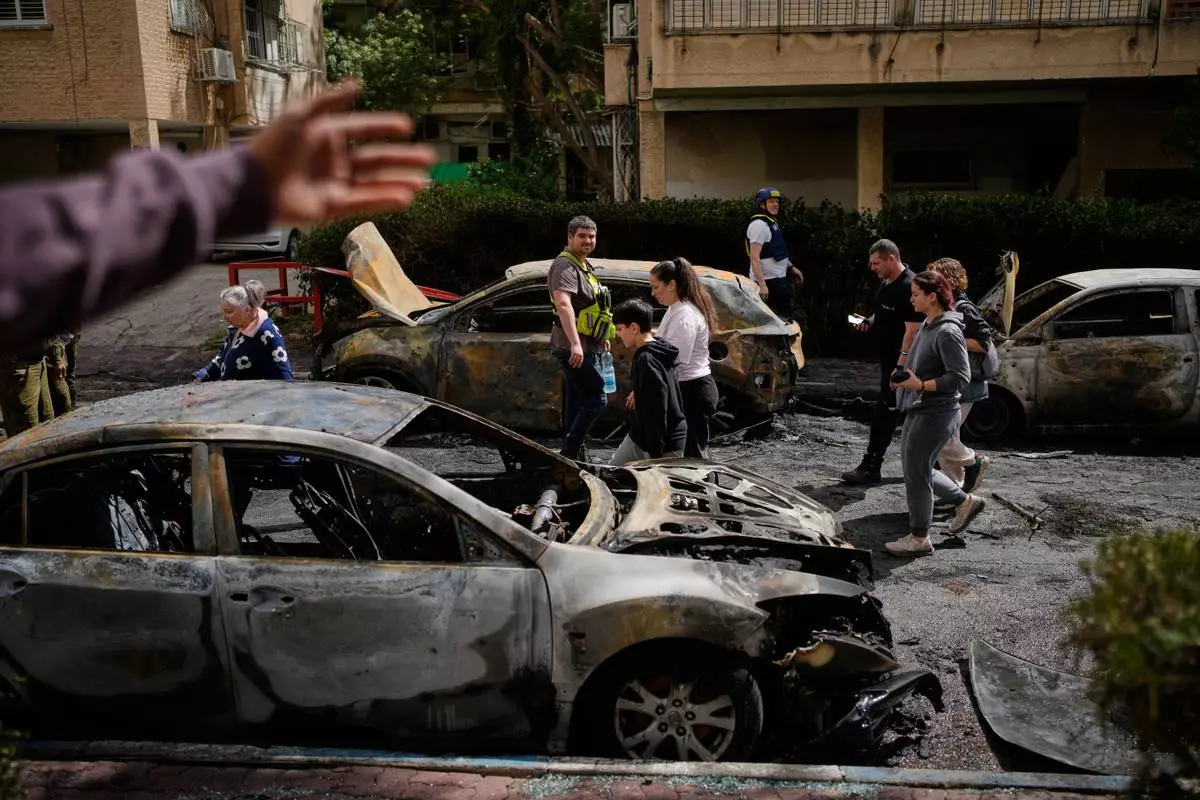
Residents and Israeli security forces inspect a site struck by an Iranian missile in Petah Tikva, Israel, Tuesday, March 31, 2026. (AP Photo/Ohad Zwigenberg)
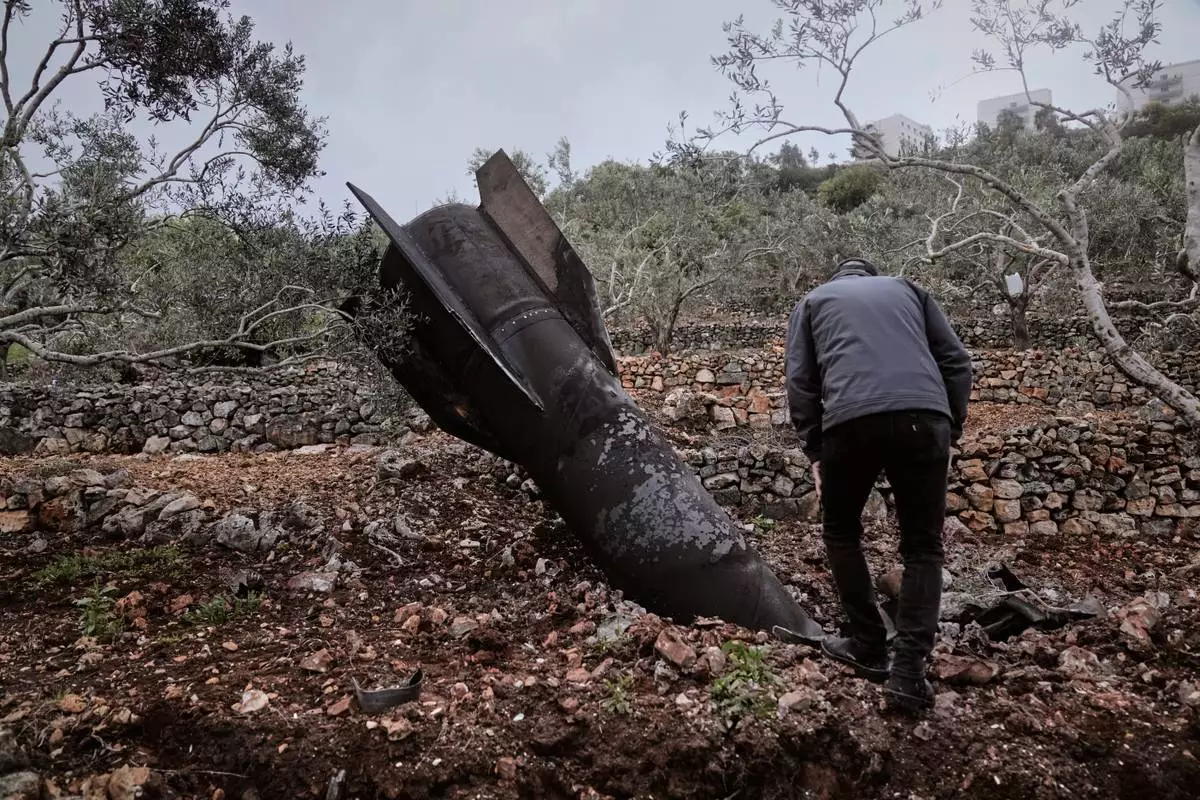
A man inspect the wreckage of an Iranian missile that landed near the West Bank village of Marda, Tuesday, March 31, 2026. (AP Photo/Majdi Mohammed)
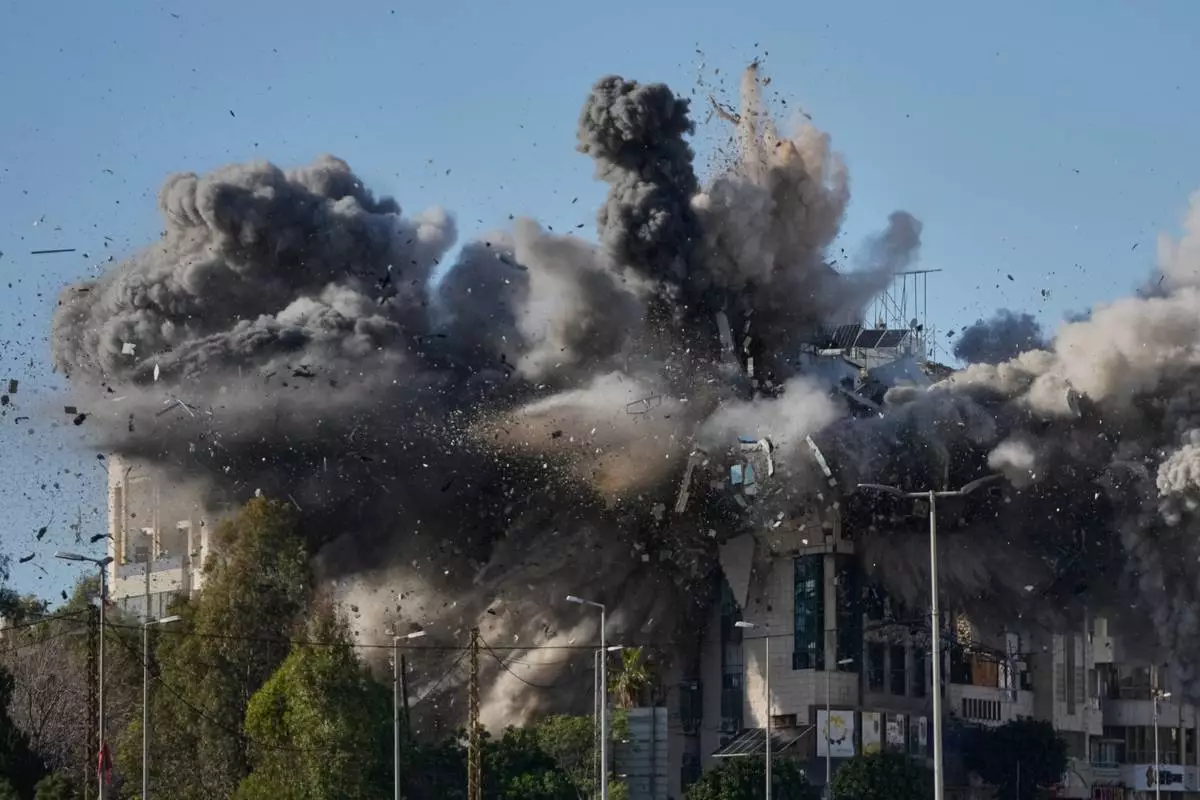
Smoke rises after an Israeli airstrike hits a building near the airport road in Beirut, Lebanon, Tuesday, March 31, 2026. (AP Photo/Hussein Malla)
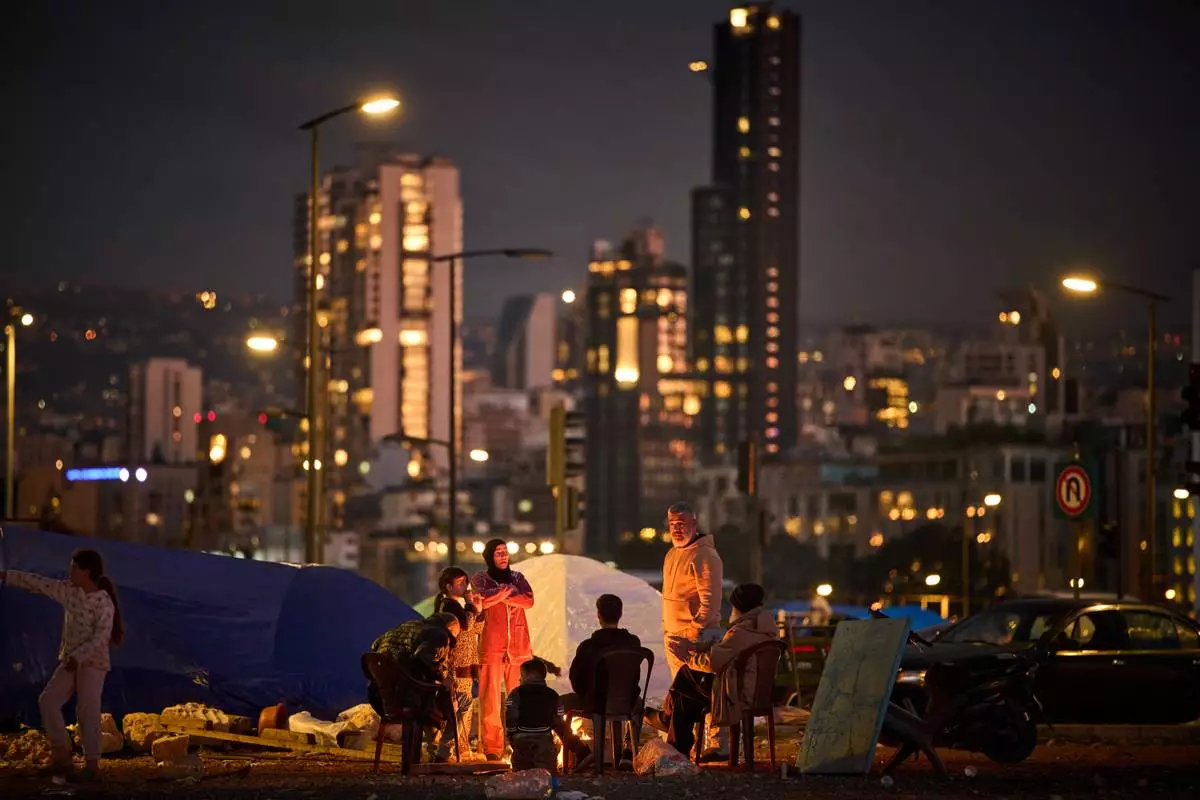
A family who fled Israeli shelling in southern Lebanon warm themselves by a bonfire next to tents used as shelters in Beirut, Lebanon, Tuesday, March 31, 2026. (AP Photo/Emilio Morenatti)