The Hong Kong media delegation visited the Memorial Hall of the Victims of the Nanjing Massacre by Japanese Invaders in Nanjing on March 24. Guided by a staff member, the delegation toured the Square and the Exhibition Hall of Historical Facts, and interviewed Mr. Wang Min, Director of the Educational Services Department at the Memorial Hall.
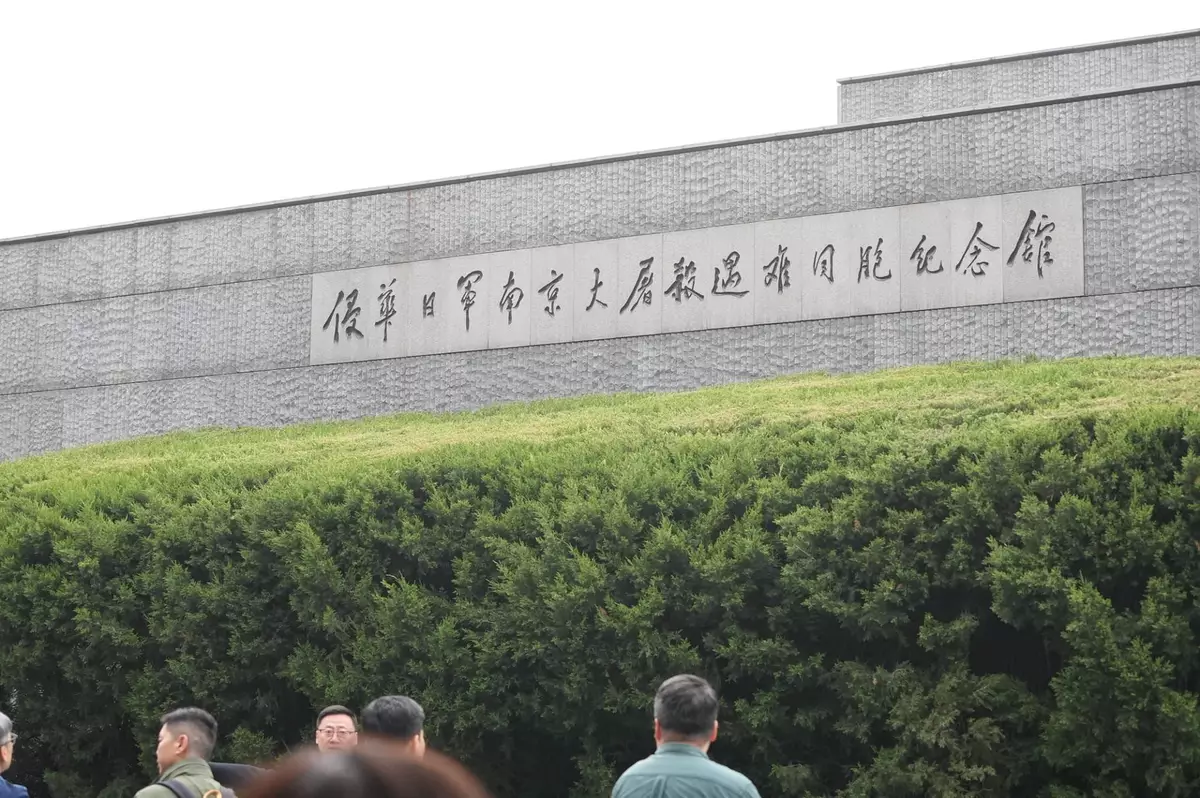
The Hong Kong media delegation visited the Memorial Hall of the Victims of the Nanjing Massacre by Japanese Invaders in Nanjing. Photo by Bastille Post
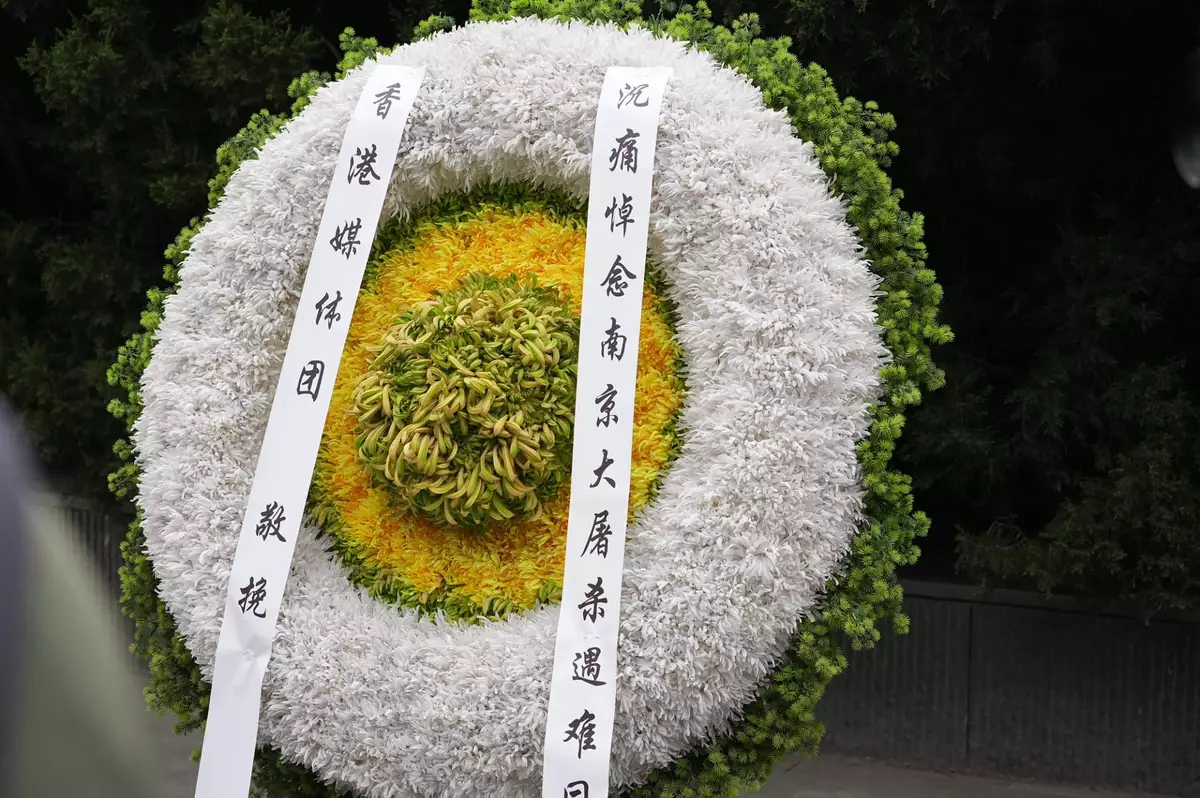
The wreath sent by the Hong Kong media delegation, Photo by Bastille Post
Every year, on December 13, a national memorial ceremony is held in the Square of the Memorial Hall. The 12th ceremony took place in 2025. Last year, the Memorial Hall received approximately six million visitors, an increase of about 600,000 from the previous year.
Click to Gallery
The Hong Kong media delegation visited the Memorial Hall of the Victims of the Nanjing Massacre by Japanese Invaders in Nanjing. Photo by Bastille Post
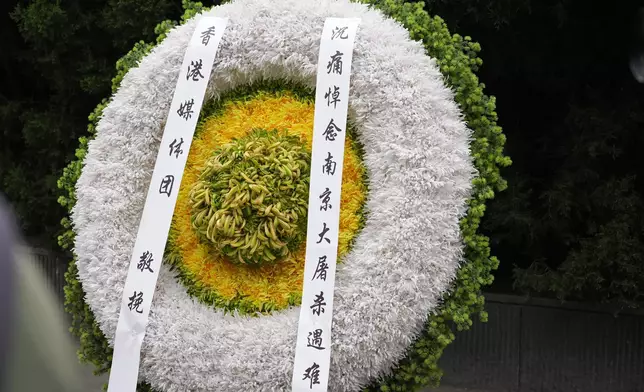
The wreath sent by the Hong Kong media delegation, Photo by Bastille Post
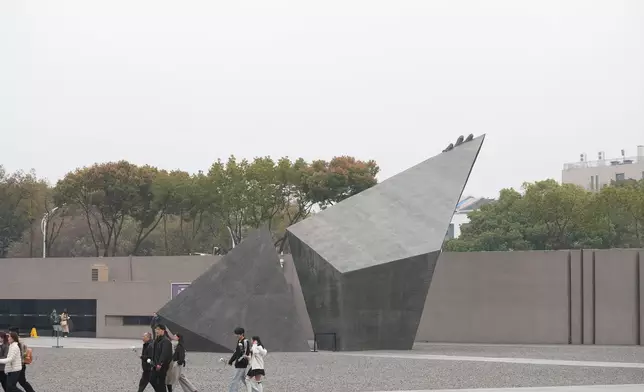
Photo by Bastille Post
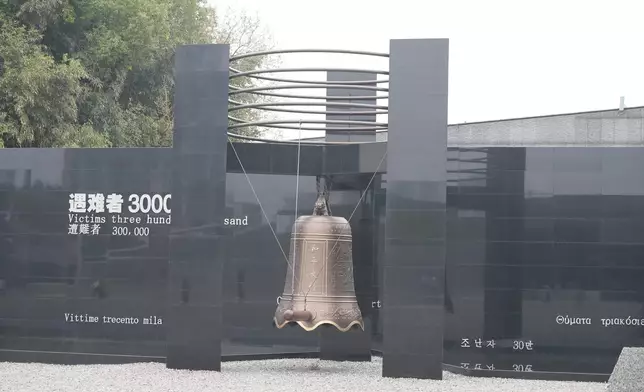
The Peace Bell, Photo by Bastille Post
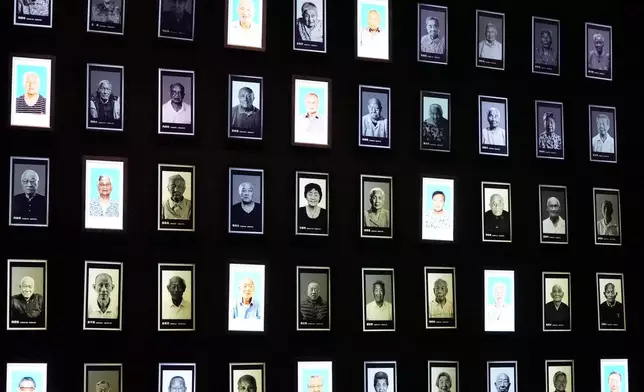
The survivors' portraits, Photo by Bastille Post
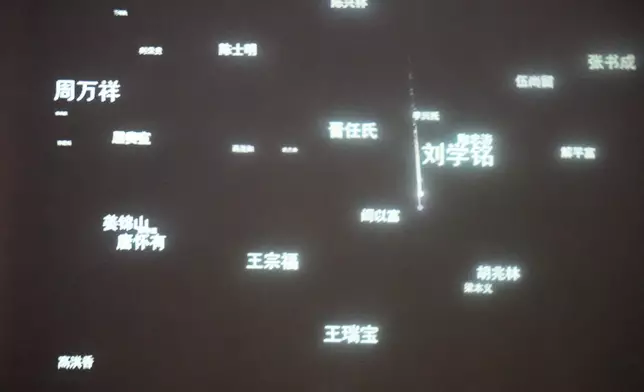
The names of the victims. Photo by Bastille Post

Photo by Bastille Post
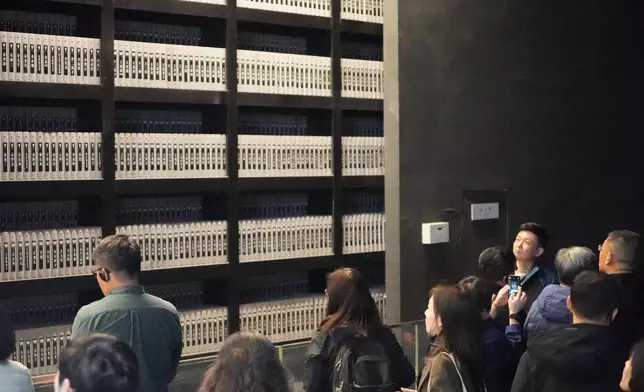
On either side of the hall are 18 niches containing 18 iron books, engraved with the names of nearly 11,000 confirmed victims. Photo by Bastille Post
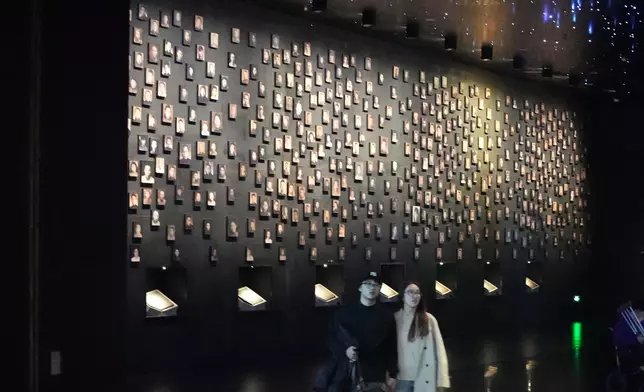
Photo by Bastille Post
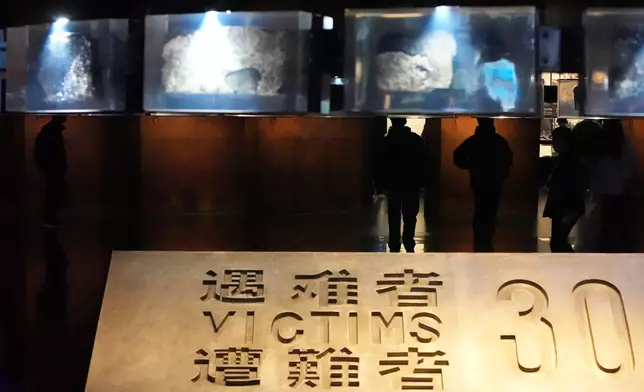
Photo by Bastille Post
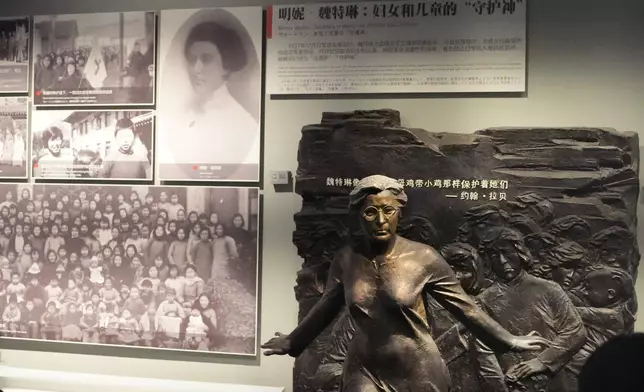
Photo by Bastille Post
Photo by Bastille Post
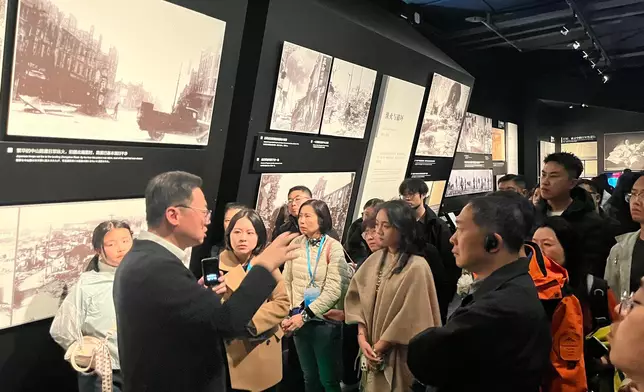
Photo by Bastille Post
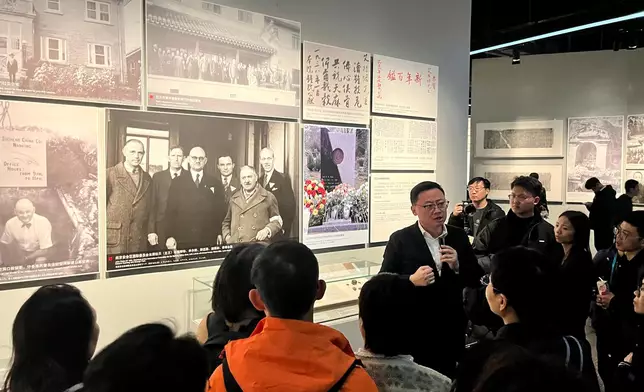
Photo by Bastille Post
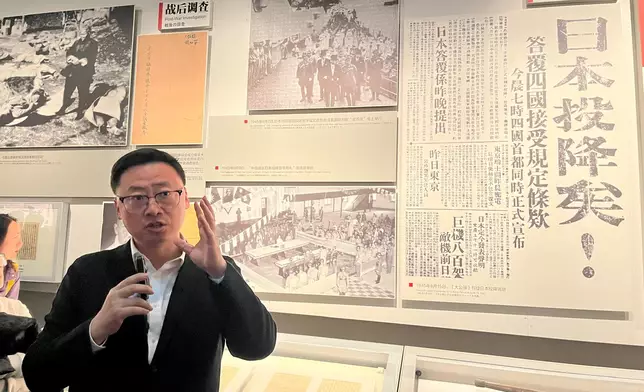
Mr. Wang Min, Director of the Educational Services Department at the Memorial Hall, Photo by Bastille Post
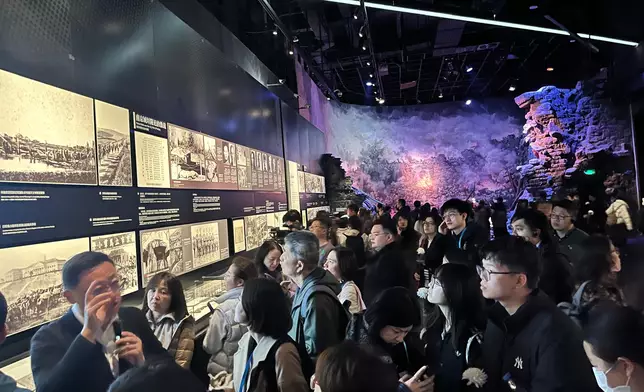
Photo by Bastille Post
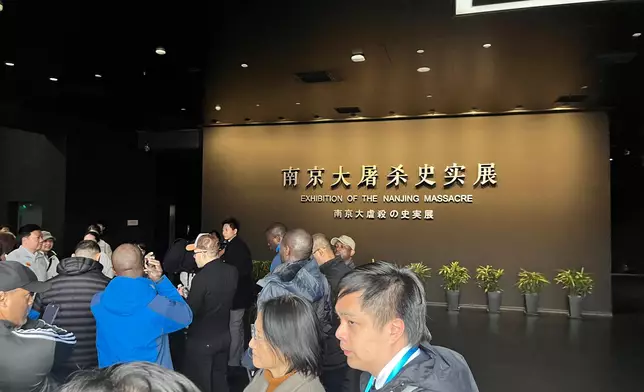
Photo by Bastille Post

Photo by Bastille Post
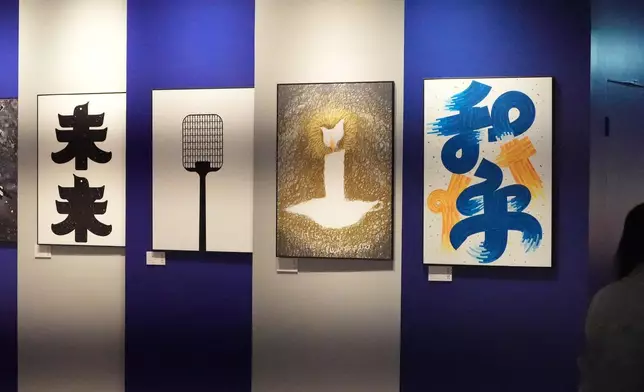
Photo by Bastille Post
Stones and Iron Rings: Forging the Numbers in the Square
Upon entering the Square, the first thing catching the eye is a black disaster wall, inscribed with the number "300,000" in 11 languages, which represents the death toll during the six weeks of Japanese occupation of Nanjing—from December 13, 1937, to the end of January 1938—as determined by the two post-war international trials.
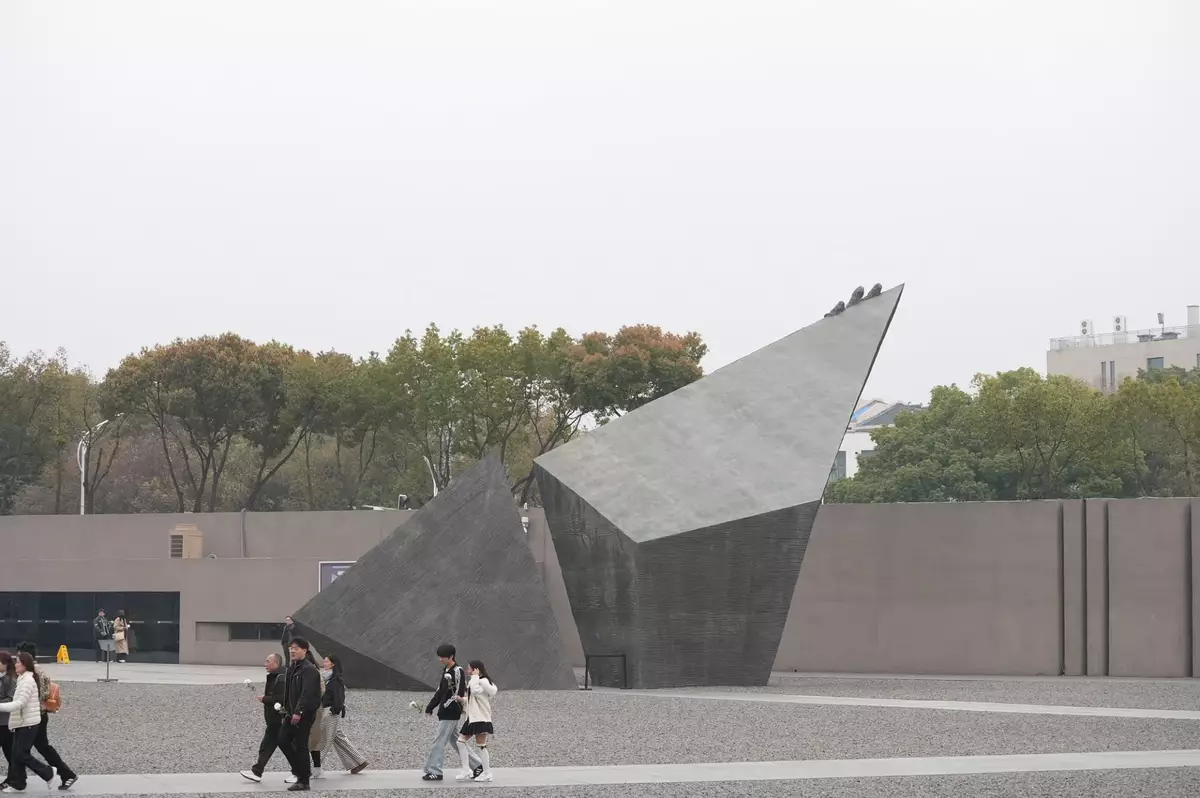
Photo by Bastille Post
At the north side of the Square stands an installation titled "The 300,000 Who Fell": three black pillars, each topped with an iron ring. Five rings symbolize the five zeros in the number "300,000". In the center of the Square sits the Peace Bell, whose truss forms a V-shape when viewed from below. "It means that the 300,000 compatriots who perished support this bell, so that we may ring it as a constant warning for the future."
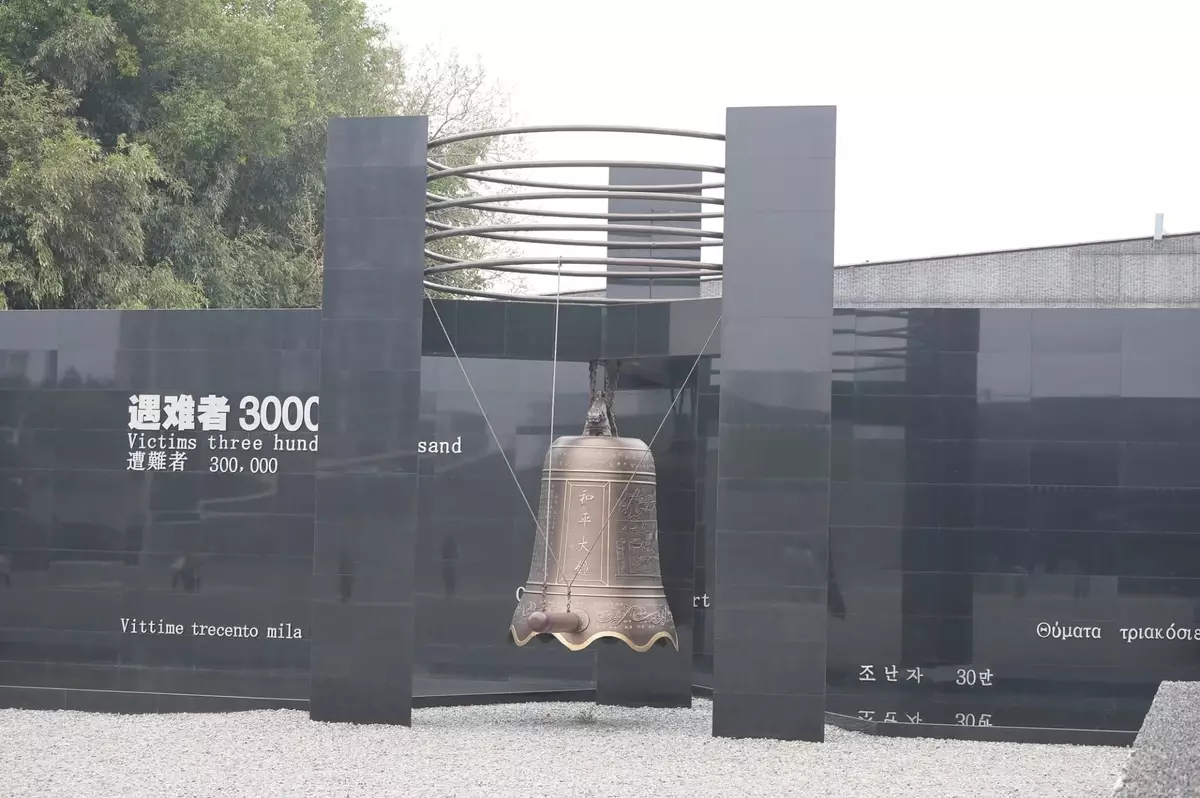
The Peace Bell, Photo by Bastille Post
The ground of the Square is paved with cobblestones, designed by Professor He Jingtang, a highly influential Chinese architect and a Fellow of the Chinese Academy of Engineering. The original design intention was for visitors to walk on them, using the stepping sound to evoke reflection. Nevertheless, due to the openness of the Square, it ultimately became an exhibition space rather than a passageway.
One by One, Survivors' Portraits on the Wall Fade to Black and White
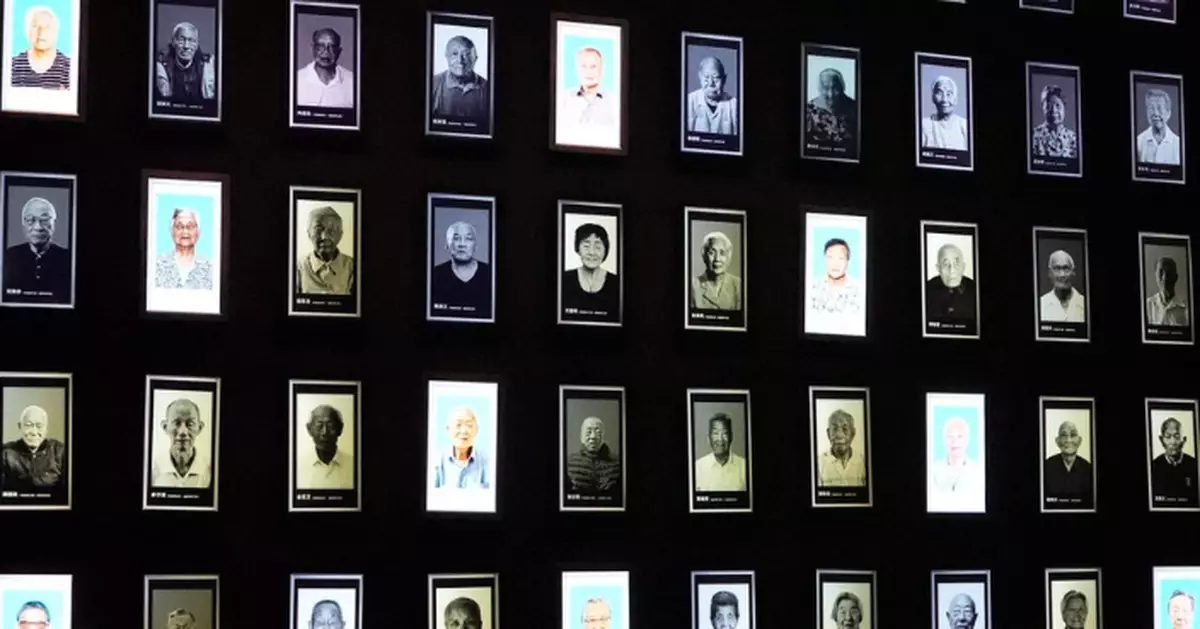
Inside the Memorial Hall stands a wall that renders visitors silent. On September 30, 2017, the Memorial Hall displayed color photographs of the survivors of the Nanjing Massacre on this wall, with the design symbolizing December 13.
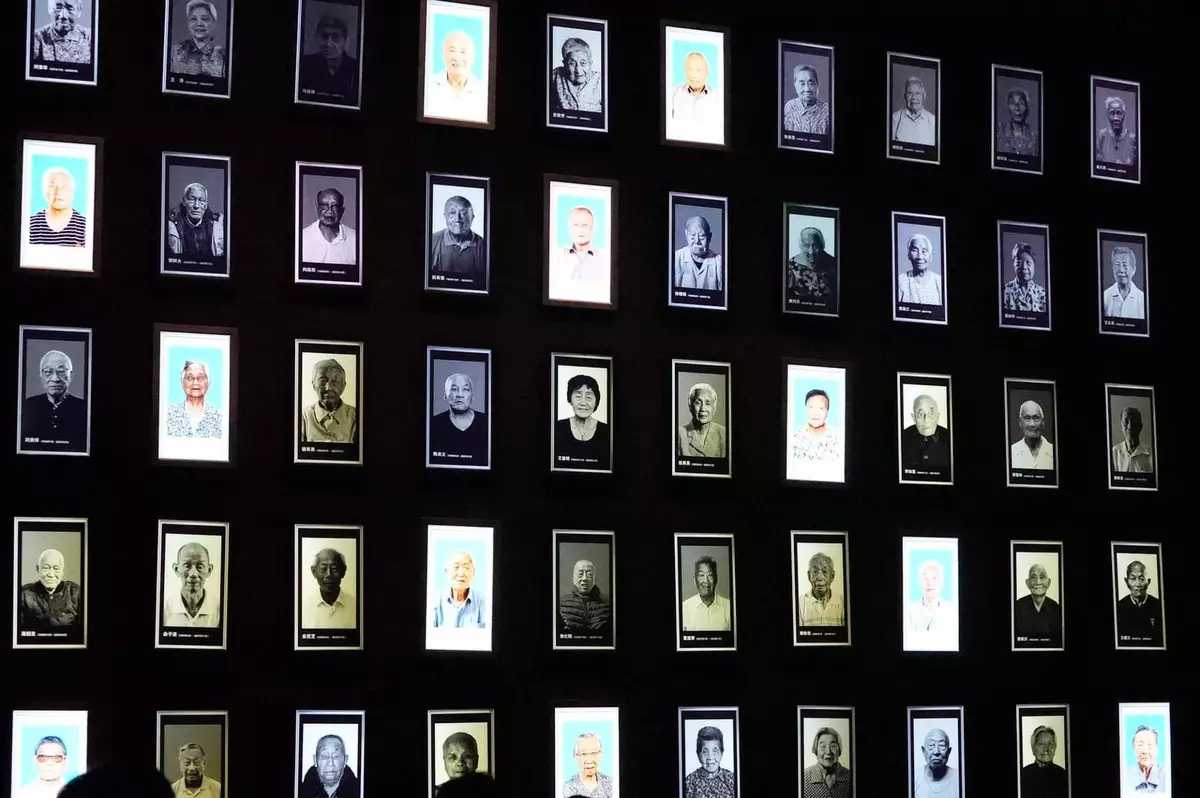
The survivors' portraits, Photo by Bastille Post
"As time passed, many survivors passed away since 2017, making the photographs on the wall eventually fade to black and white," the docent explained. Each time a survivor passes away, the Memorial Hall holds a farewell ceremony to officially convert their color photograph to black and white.
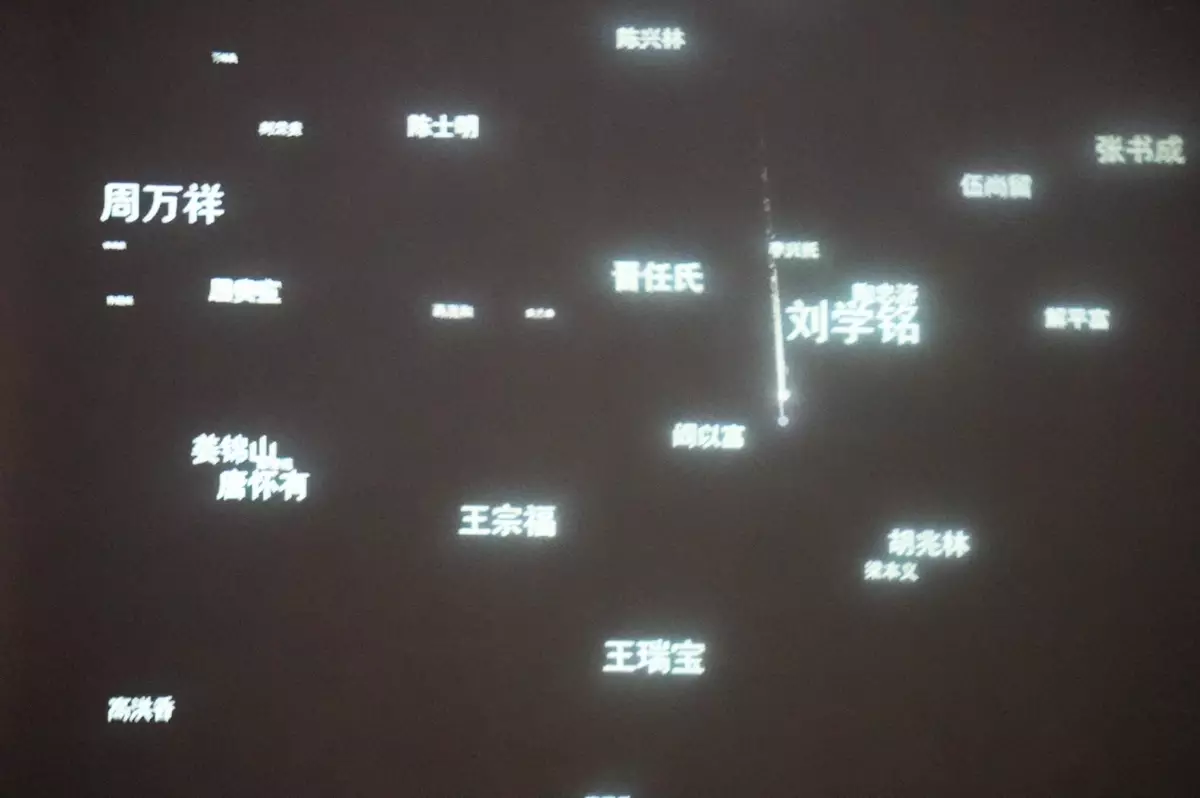
The names of the victims. Photo by Bastille Post
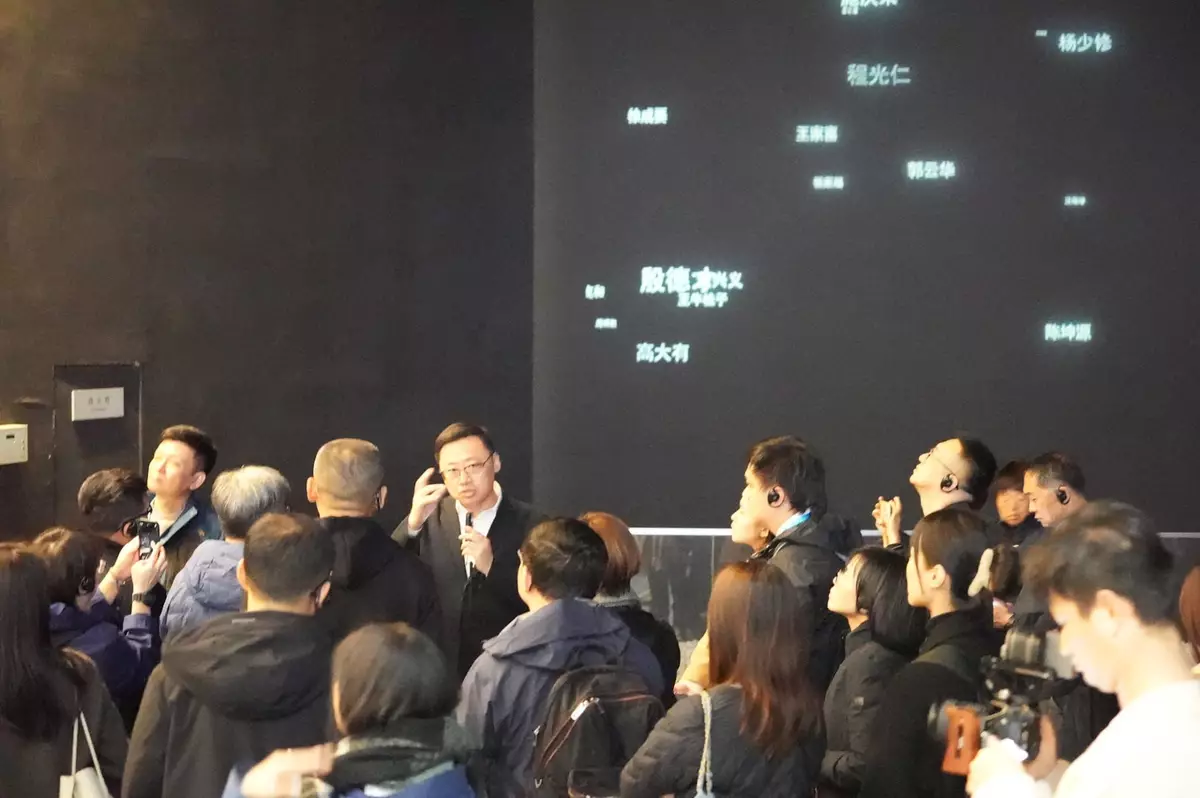
Photo by Bastille Post
On either side of the hall are 18 niches containing 18 iron books, engraved with the names of nearly 11,000 confirmed victims.
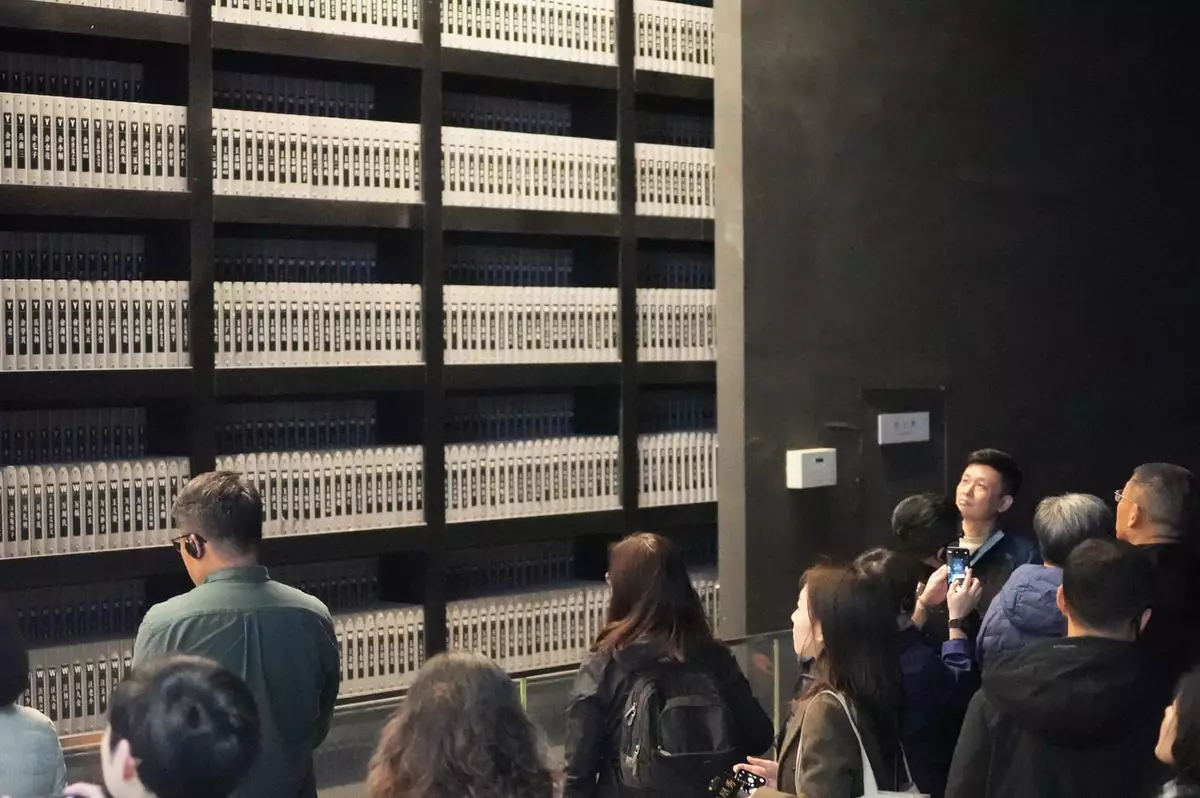
On either side of the hall are 18 niches containing 18 iron books, engraved with the names of nearly 11,000 confirmed victims. Photo by Bastille Post
Soldier's Diary: Tracing the Roots of Atrocities
In the hall, the docent systematically explained the causes of the massacre, summarizing them into five key factors: 1. the Japanese army, facing supply shortages along the way, resorted to looting to sustain its advance; 2. overwhelmed by the sheer number of captives, since the troops received orders from superiors to "leave no captives alive"; 3. as Nanjing was the capital of the Nationalist Government, the atrocities were intended to break the residents' willingness to resist; 4. a culture of revenge within the army led soldiers to redirect their anger over injured comrades onto civilians in Nanjing; 5. a distorted, pathological mindset took hold among Japanese soldiers shaped by militaristic education.
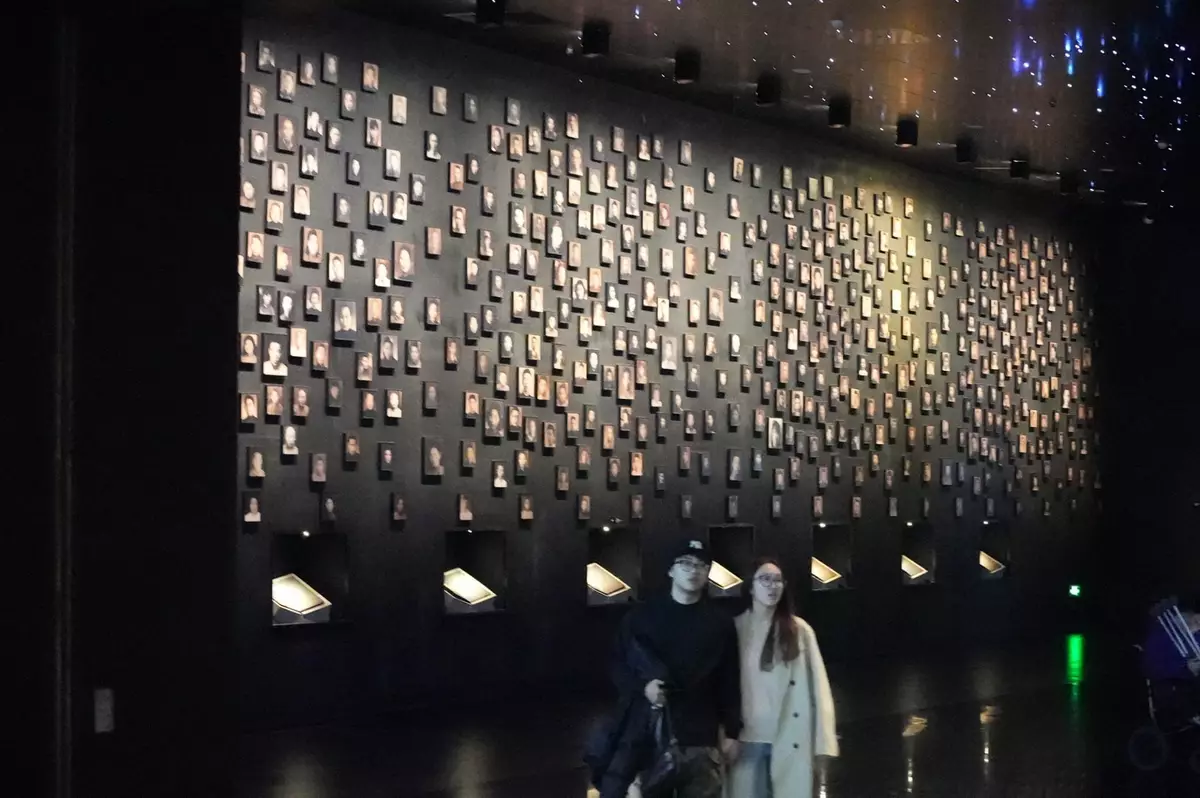
Photo by Bastille Post
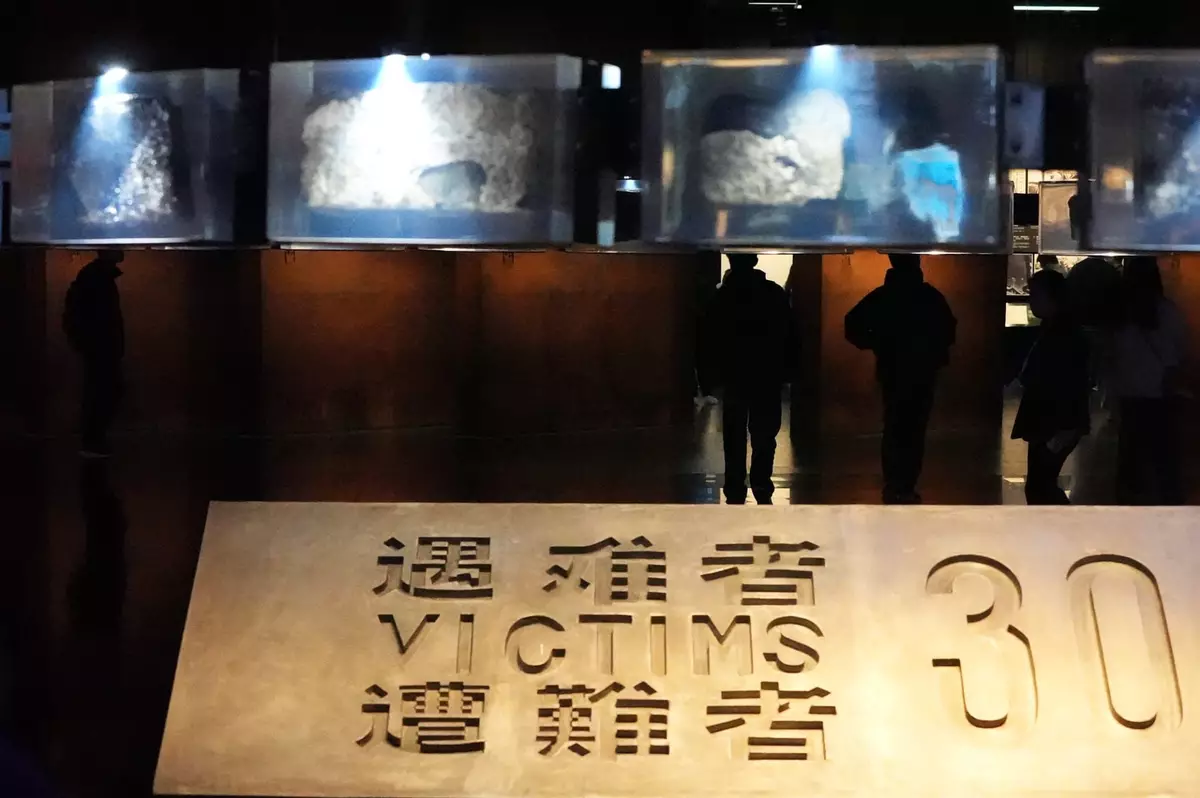
Photo by Bastille Post
One of the most striking exhibits comes from the diary of a Japanese soldier, Azuma Shiro. He described how Japanese soldiers stuffed a Chinese man into a sack, bound it tightly with wire, doused it in kerosene, hung a grenade from the wire, pulled the pin, and kicked the sack into a pond to detonate—all while others stood by laughing. "Without military discipline, you could do whatever you wanted," the docent added. "It shows the overall morale of the Japanese army at that time." Elsewhere in the hall, a series of photographs documents two Japanese soldiers engaged in a "killing contest", competing to see who could kill 100 people first. The incident was even reported in the Japanese media at the time.
John Rabe's Identities: Nazi Party Member and Protector of Refugees
In late 1937, foreigners, including German businessman John Rabe and Miner Searle Bates, the Acting President of the University of Nanking, established a safety zone in Nanjing to shelter refugees, following the model previously set up in Shanghai.
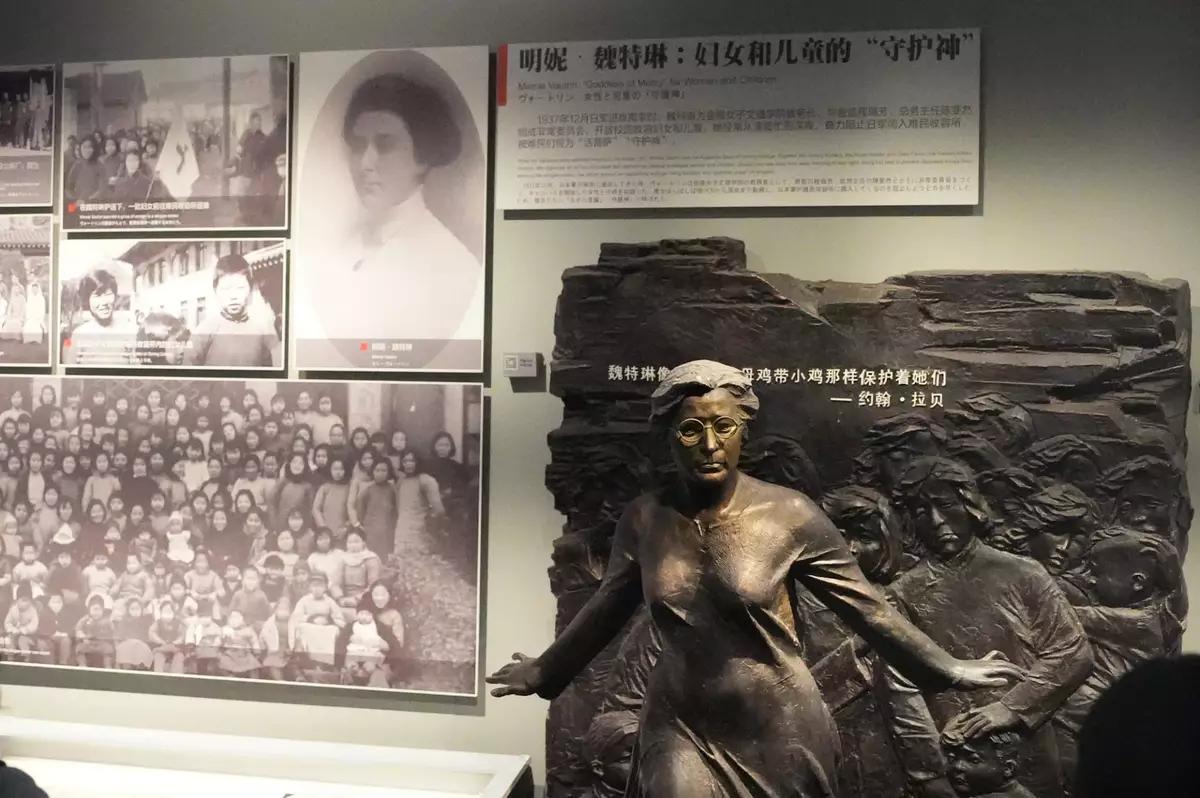
Photo by Bastille Post
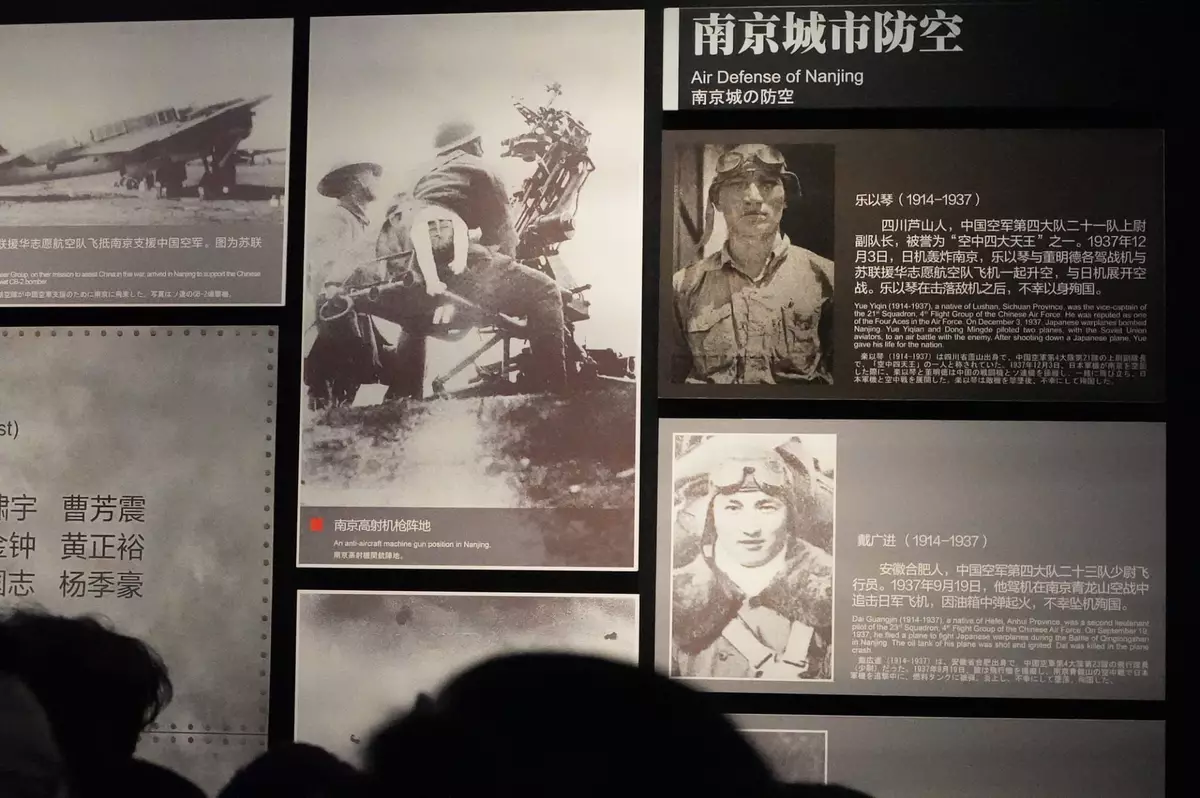
Photo by Bastille Post
John Rabe, a Nazi Party member and the Siemens representative in Nanjing, was able to leverage his dual identity to negotiate with the Japanese army and provide protection for civilians. The safety zone covered the area where Nanjing University now stands, and Rabe's diary later became a vital historical record of the atrocities in the city.
The Second Seat at the Tokyo Trial: A Position That Influenced History
On September 2, 1945, Japan signed the instrument of surrender aboard the USS Missouri. General Xu Yongchang, representing the Nationalist Government, accepted the surrender in second place. The seemingly ceremonial arrangement laid the groundwork for the following Tokyo Trial—Chinese Judge Mei Ru'ao argued for China to occupy the second seat, based on China's second-place standing in the surrender ceremony. "Don't underestimate the importance of taking the second seat," the docent said. "It played a crucial role in determining the seating order for the Chinese judge at the Tokyo Trial." The Trial ultimately indicted 28 Japanese Class-A war criminals, with seven—including Matsui Iwane, Commander of the Central China Area Army—sentenced to death.
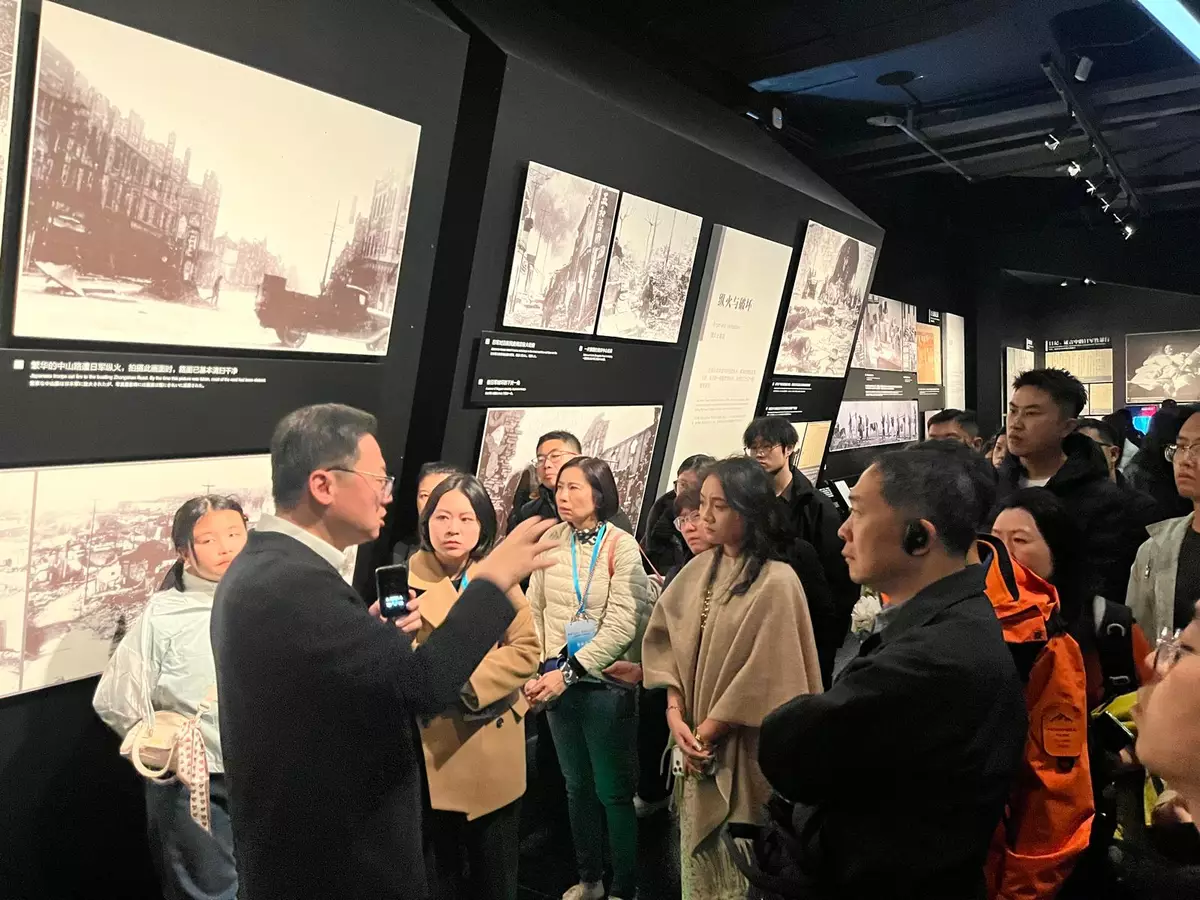
Photo by Bastille Post
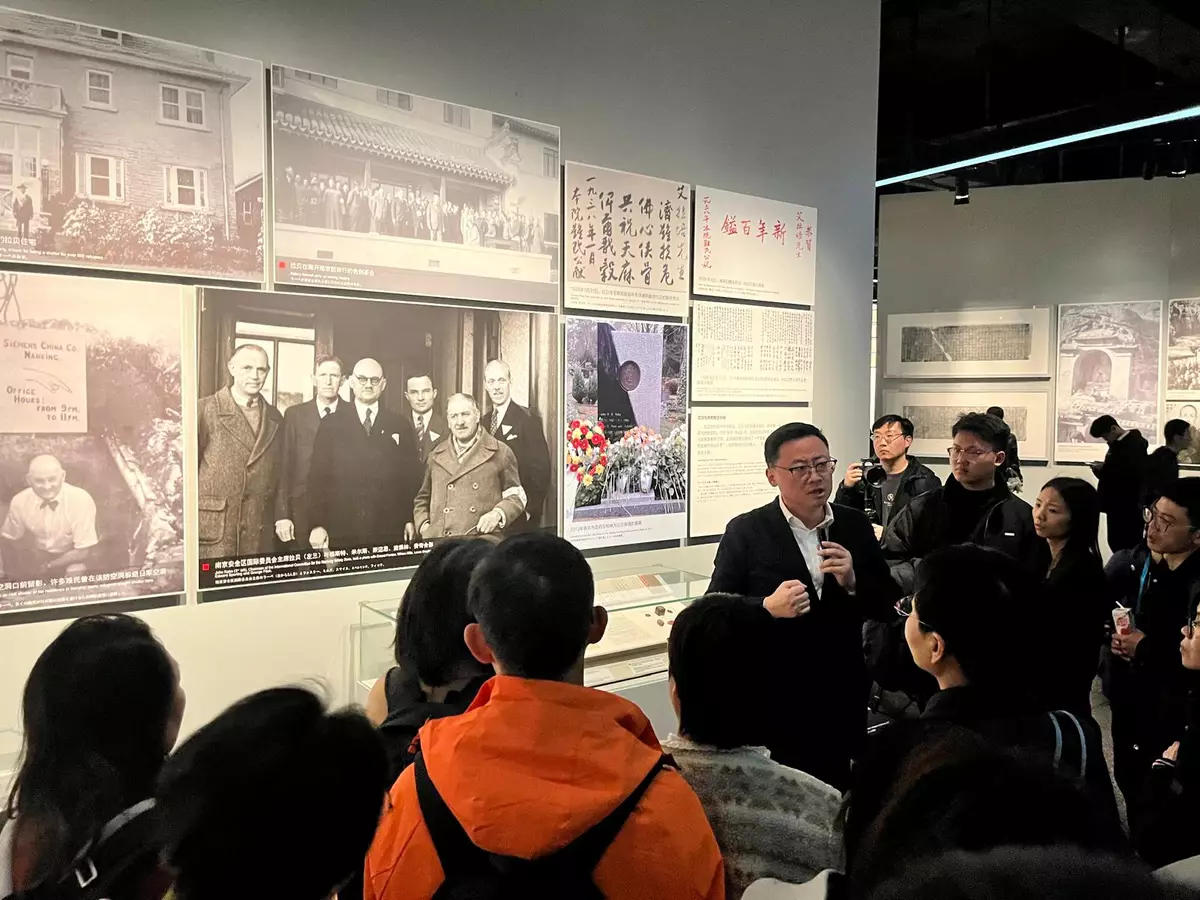
Photo by Bastille Post
Wang Min: Sino-Japanese Tensions Won't Alter Historical Presentation
Following the visit, Hong Kong reporters interviewed Mr. Wang Min, Director of the Educational Services Department at the Memorial Hall. He shared that the Memorial Hall received approximately six million visitors last year, including more than 14,200 Hong Kong residents who visited through reservations, as well as over 50 groups of Hong Kong students and young people, totaling over 2,000 individuals. So far this year, only three groups from Hong Kong—about over 100 people—have visited, with peak visitation expected during the Qingming Festival and summer holidays.
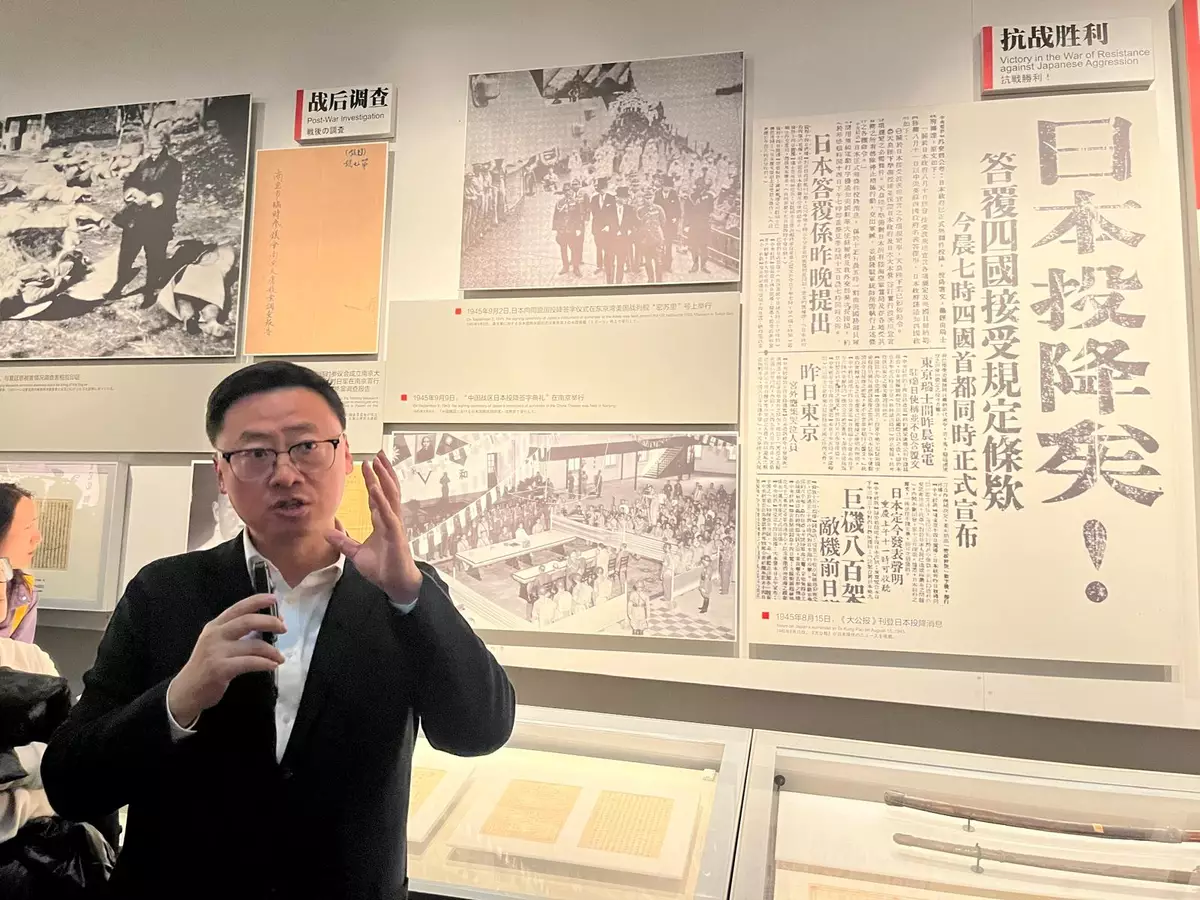
Mr. Wang Min, Director of the Educational Services Department at the Memorial Hall, Photo by Bastille Post
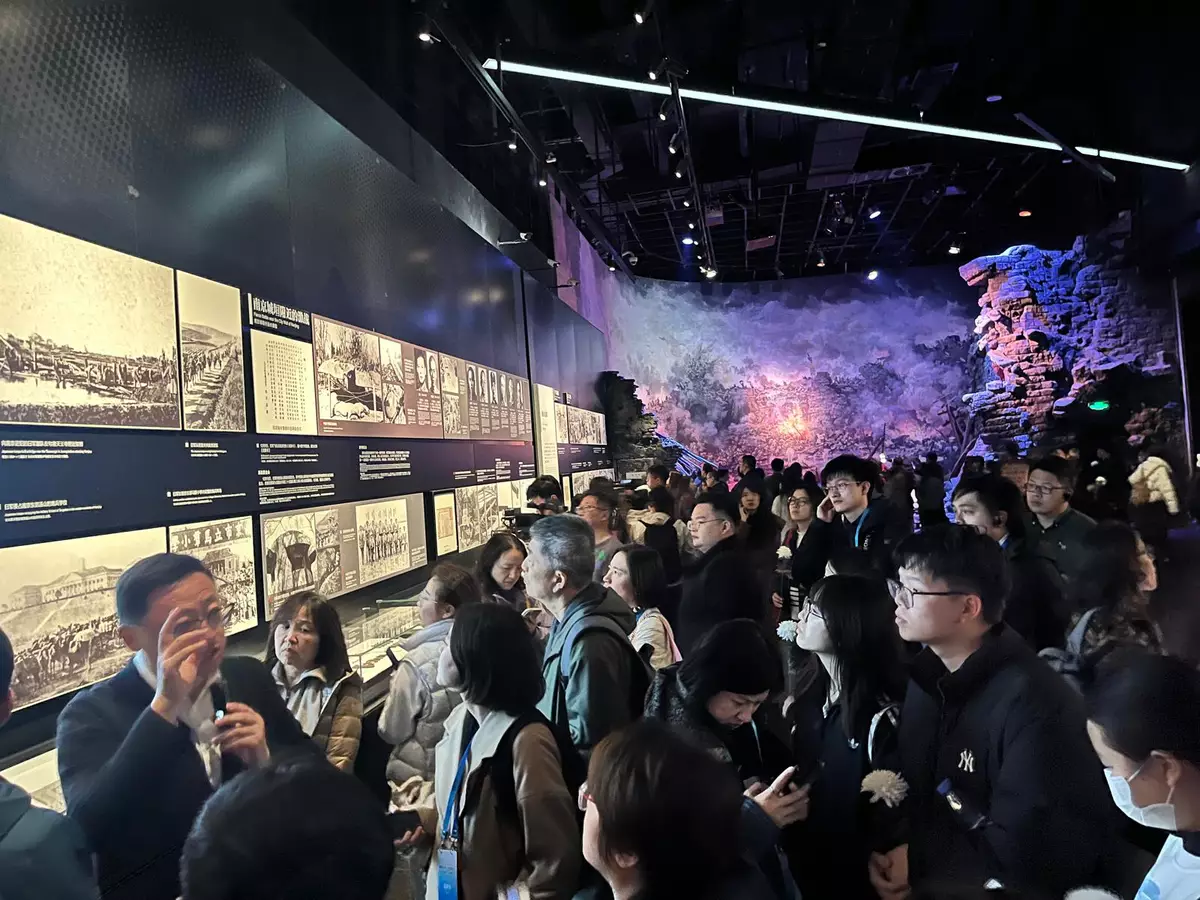
Photo by Bastille Post
Addressing recent tensions in Sino-Japanese relations, Mr. Wang stated: "No matter how Sino-Japanese relations change, the Memorial Hall's presentation of the history will remain steadfast." He noted that statements from the Japanese government have not dampened the willingness of visitors to come. On the contrary, many research-oriented schools and institutions have become even more eager to visit and explore the historical truth.
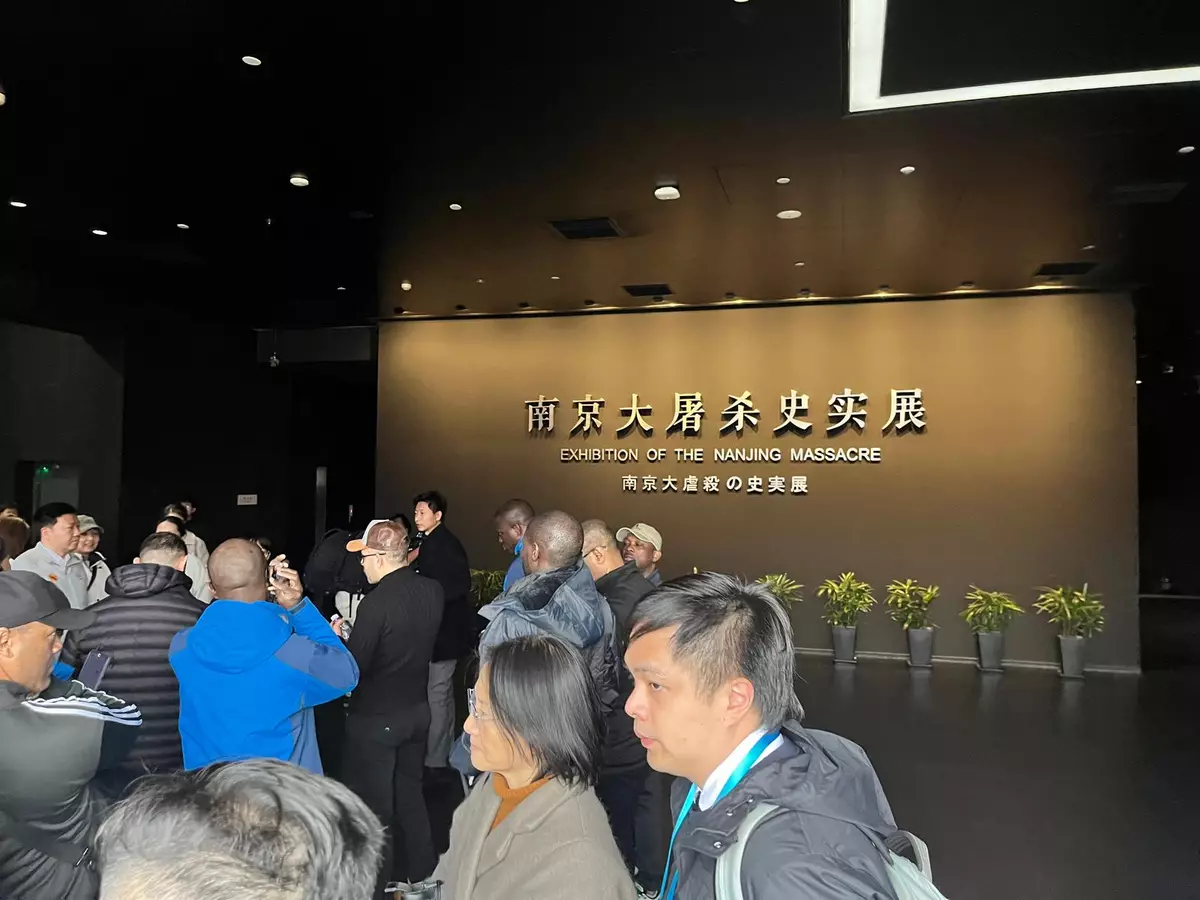
Photo by Bastille Post
Mr. Wang also revealed that in commemoration of the 80th Anniversary of the Victory of the Chinese People's War of Resistance Against Japanese Aggression, the Memorial Hall co-organized a special exhibition in Hong Kong with the HKSAR Government last year. Looking ahead, the Memorial Hall plans to continue holding exhibitions in Hong Kong at appropriate commemorative moments in a proper manner. "In the future, we will select specific occasions and bring exhibitions to Hong Kong in suitable formats," he said. The International Poster Biennale, now in its fifth edition, is one of the options being considered for a special exhibition in Hong Kong.
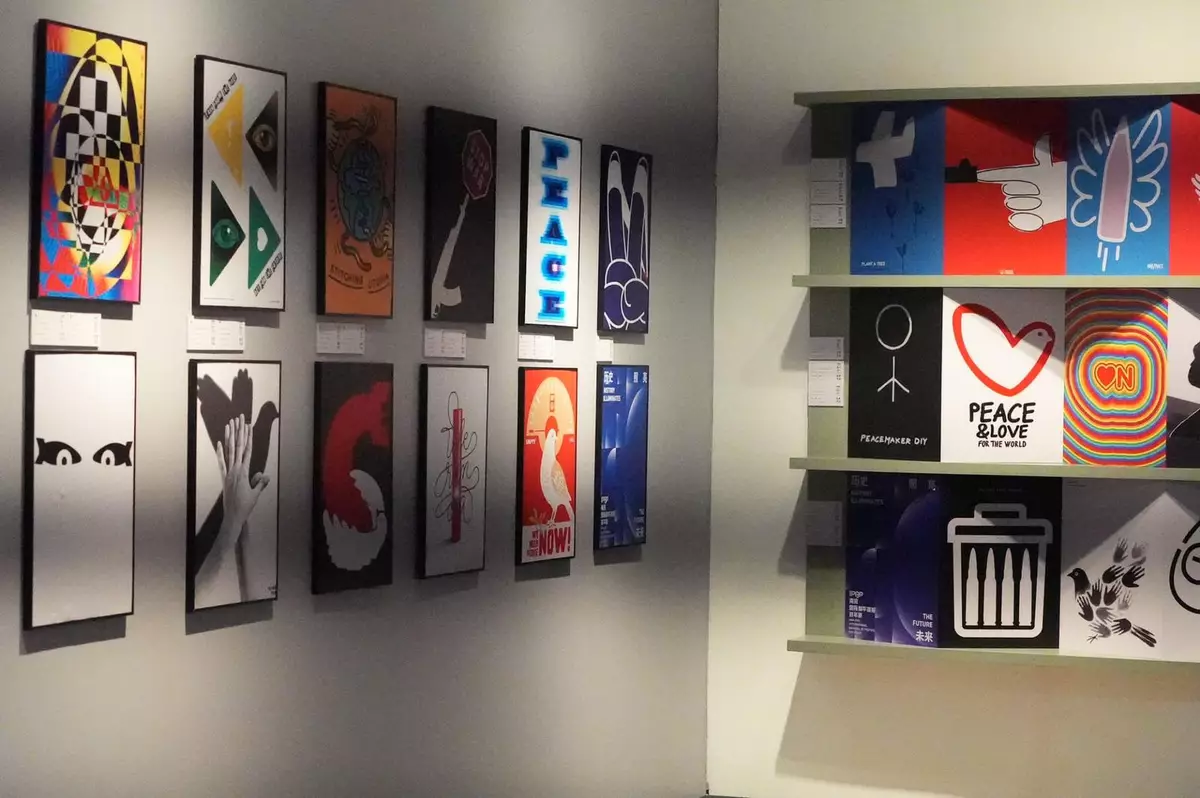
Photo by Bastille Post
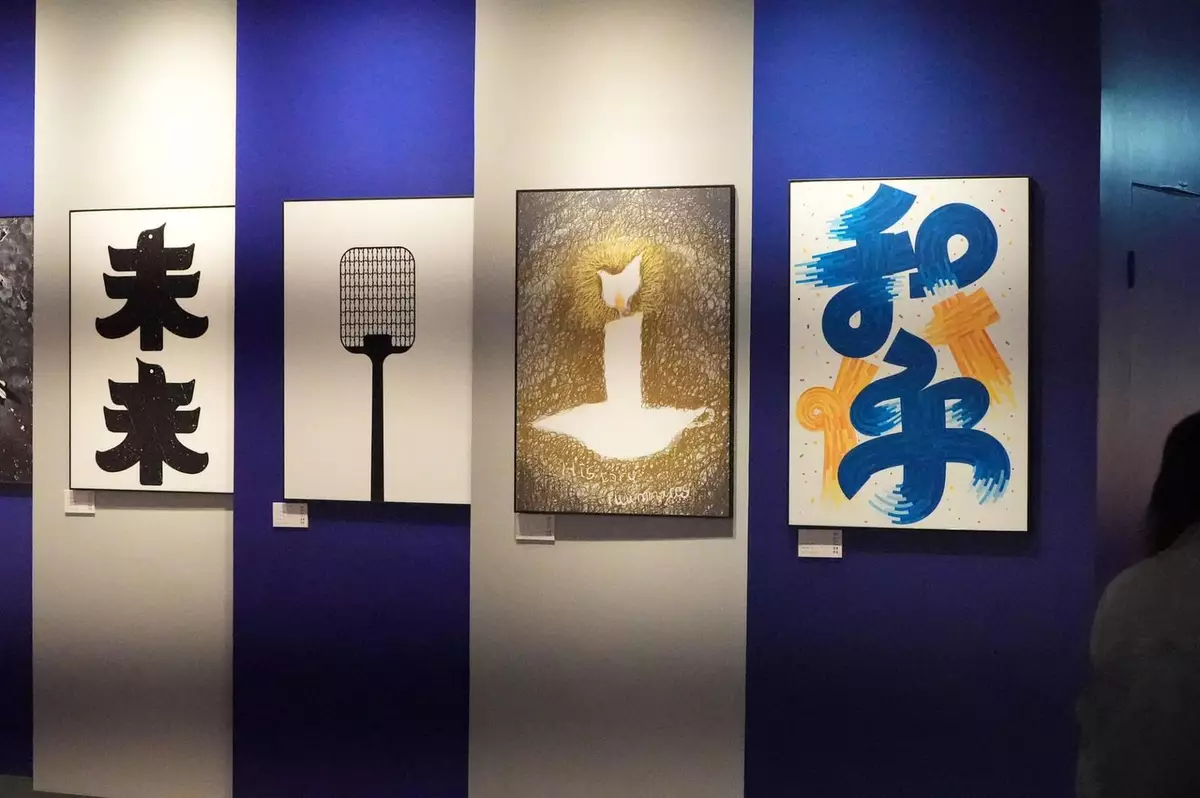
Photo by Bastille Post