WASHINGTON (AP) — People spoke in whispers and craned their necks Wednesday to watch as President Donald Trump broke with all sitting presidents before him and took a seat in the front row of the chamber's public seating area to hear a Supreme Court argument. He sat there silently with his hands in his lap.
A man accustomed to the camera and the center of attention instead was a mute spectator, and the justices gave no acknowledgment of his presence. Still, it was a previously unheard-of flex of presidential power and prerogative.
Click to Gallery
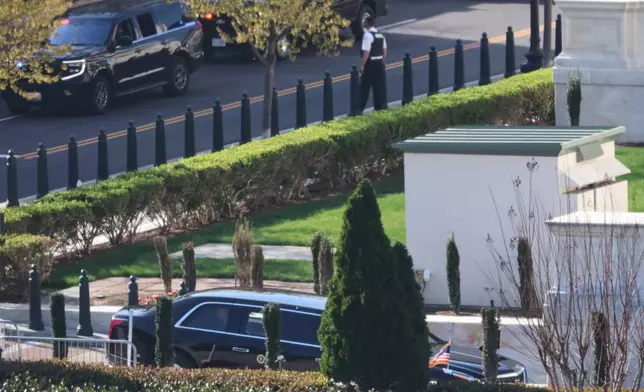
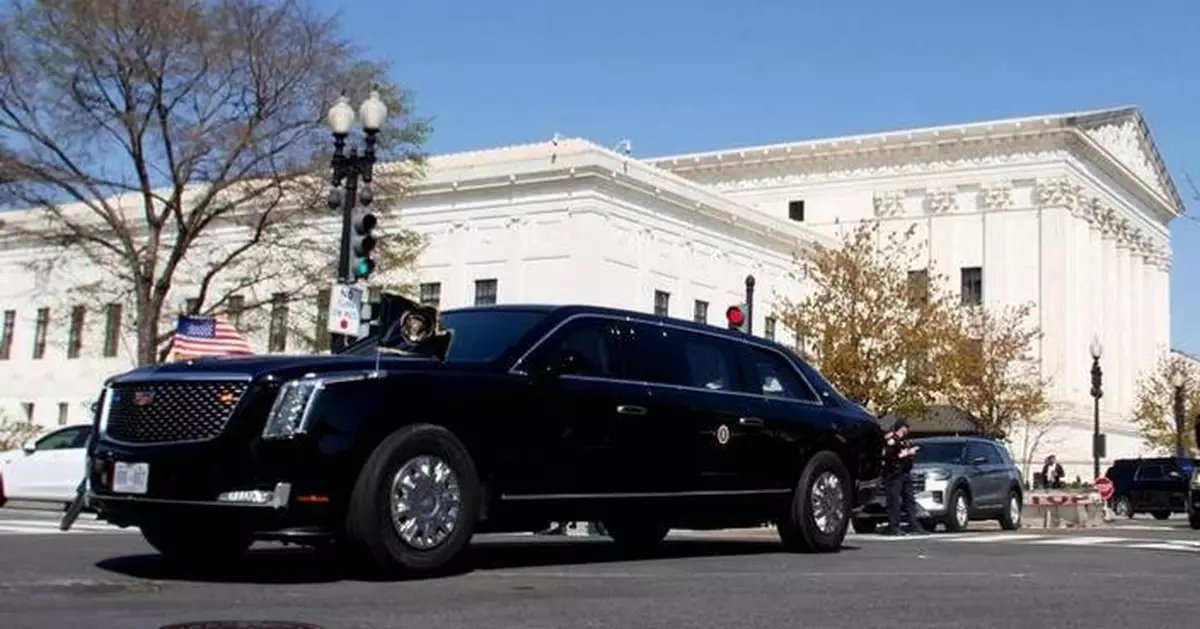
President Donald Trump's motorcade arrives at the U.S. Supreme Court, Wednesday, April 1, 2026, in Washington. (AP Photo/Tom Brenner)
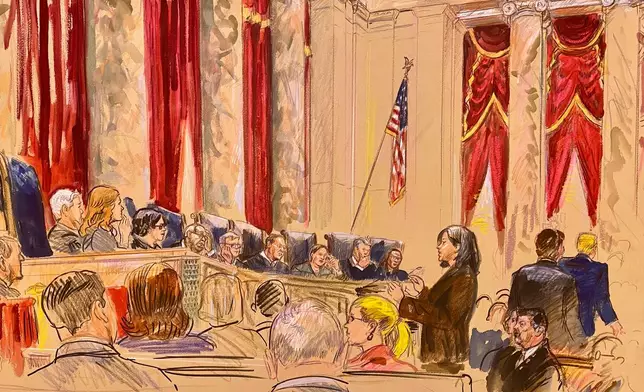
This courtroom sketch depicts Cecillia Wang, the American Civil Liberties Union legal director, standing center, making arguments before the U.S. Supreme Court, Wednesday, April 1, 2026 in Washington, as President Donald Trump, right, departs shortly after Wang began her presentation in defense of broad birthright citizenship. (Dana Verkouteren via AP)
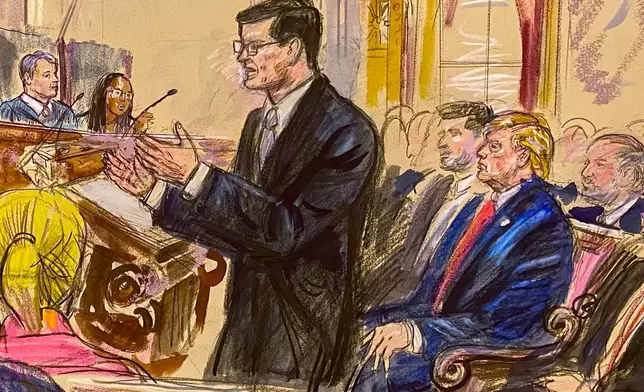
This courtroom sketch depicts the Republican administration's top Supreme Court lawyer, Solicitor General D. John Sauer, standing center, make arguments before the U.S. Supreme Court, Wednesday, April 1, 2026, in Washington. President Donald Trump is seated right. (Dana Verkouteren via AP)
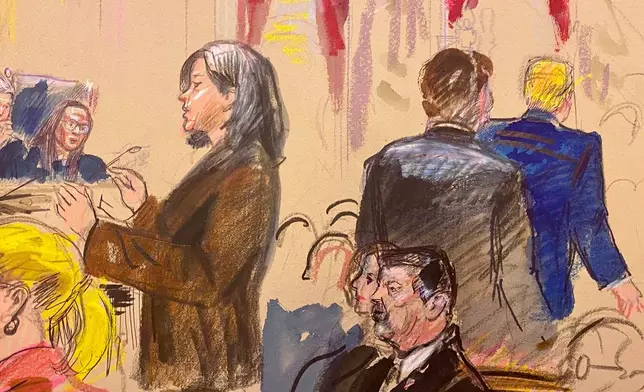
This courtroom sketch depicts Cecillia Wang, the American Civil Liberties Union legal director, standing center, making arguments before the U.S. Supreme Court, Wednesday, April 1, 2026, in Washington, as President Donald Trump departs shortly after Wang began her presentation in defense of broad birthright citizenship. (Dana Verkouteren via AP)
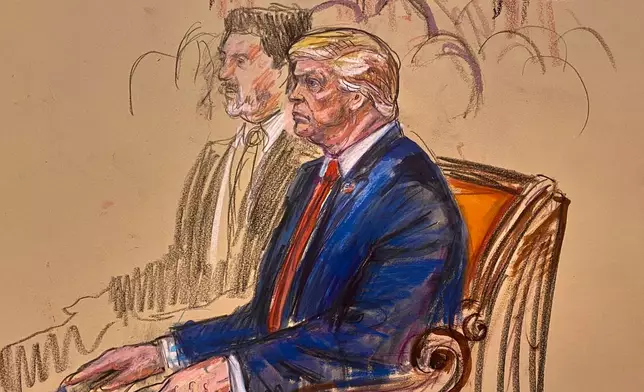
This courtroom sketch depicts President Donald Trump seated in the U.S. Supreme Court gallery, Wednesday, April 1, 2026, in Washington. (Dana Verkouteren via AP)
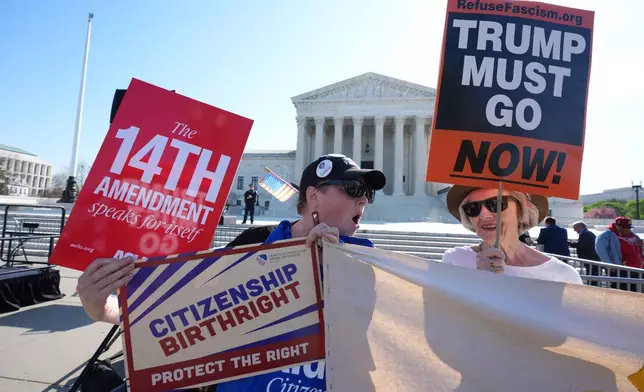
Pro and anti-Trump demonstrators rally outside the U.S. Supreme Court, before justices hear oral arguments on whether President Donald Trump can deny citizenship to children born to parents who are in the United States illegally or temporarily, on Capitol Hill, in Washington, Wednesday, April 1, 2026. (AP Photo/J. Scott Applewhite)
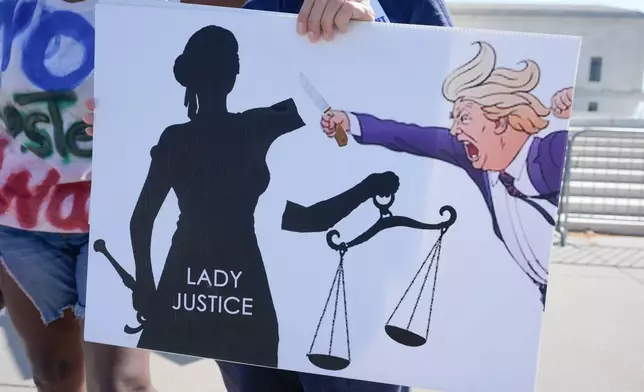
Demonstrators rally outside the U.S. Supreme Court as justices hear oral arguments on whether President Donald Trump can deny citizenship to children born to parents who are in the United States illegally or temporarily, on Capitol Hill, in Washington, Wednesday, April 1, 2026. (AP Photo/Mariam Zuhaib)
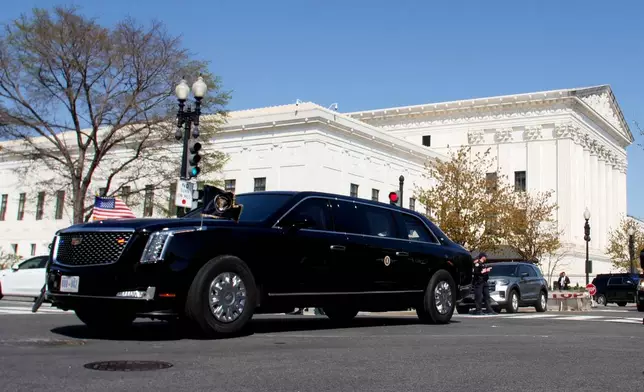
President Donald Trump leaves the U.S. Supreme Court, Wednesday, April 1, 2026, in Washington. (AP Photo/Anthony Peltier)
He brought with him Attorney General Pam Bondi and Commerce Secretary Howard Lutnick to hear his administration's defense of his executive order to overturn the constitutional and statutory protection of birthright citizenship.
For the next hour and a half, Trump listened as the justices — liberal and conservative — peppered the administration's lawyer with questions. Several of them, including three whom he nominated to the court, cast doubt on his planned restrictions on birthright citizenship.
During the opposing party's arguments, Trump got up and left. And an hour after that, the president posted on social media: “We are the only Country in the World STUPID enough to allow ‘Birthright' Citizenship!”
About three dozen countries guarantee citizenship to children born on their territory. However, the president's post added to the more direct criticism Trump has hurled at the court in general and several justices in particular.
Trump recently said he was ashamed of the six justices who joined the 6-3 majority that ruled that much of Trump’s tariff agenda is illegal, and he questioned their patriotism. He seethed especially over the votes of Justices Neil Gorsuch and Amy Coney Barrett, two of his appointees, calling them “an embarrassment to their families.”
Chief Justice John Roberts did not mention Trump by name last month when he said that personal criticism of federal judges is dangerous and “it’s got to stop.”
If, as some legal experts said, Trump was trying to intimidate the justices, the tactic is unlikely to work.
Adam Winkler, a constitutional law professor at UCLA, said that justices “pride themselves in their independence, even if some agree with much of Trump’s agenda.”
Richard Re, a Harvard Law constitutional law professor, said Trump’s appearance at the oral argument “is somewhat like a reversal of the justices’ frequent appearances at the State of the Union address.”
“I don’t think the justices will be intimidated, no matter what the president does,” Re said.
His attendance added a heightened sense of theater to the otherwise staid setting. The actor Robert DeNiro, a strident Trump critic, was also in the courtroom, seated in the justices' guest box reserved for friends and family.
The two did not speak.
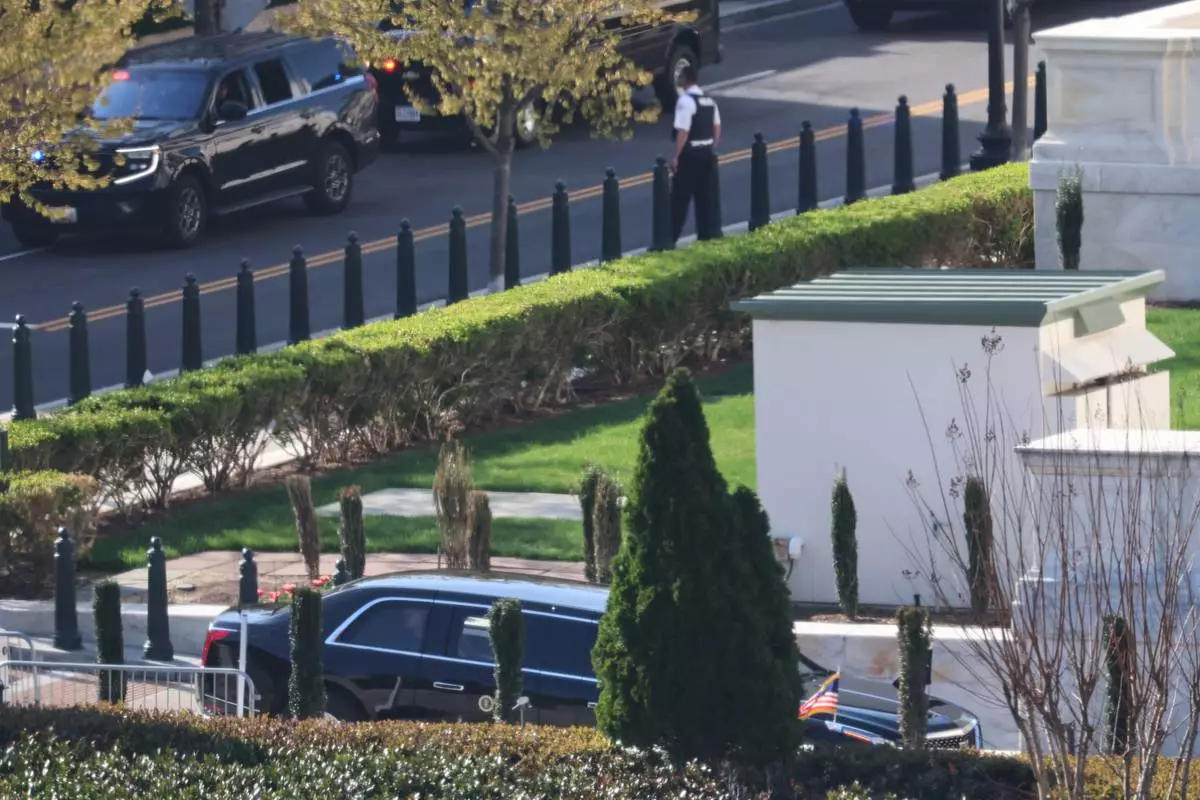
President Donald Trump's motorcade arrives at the U.S. Supreme Court, Wednesday, April 1, 2026, in Washington. (AP Photo/Tom Brenner)
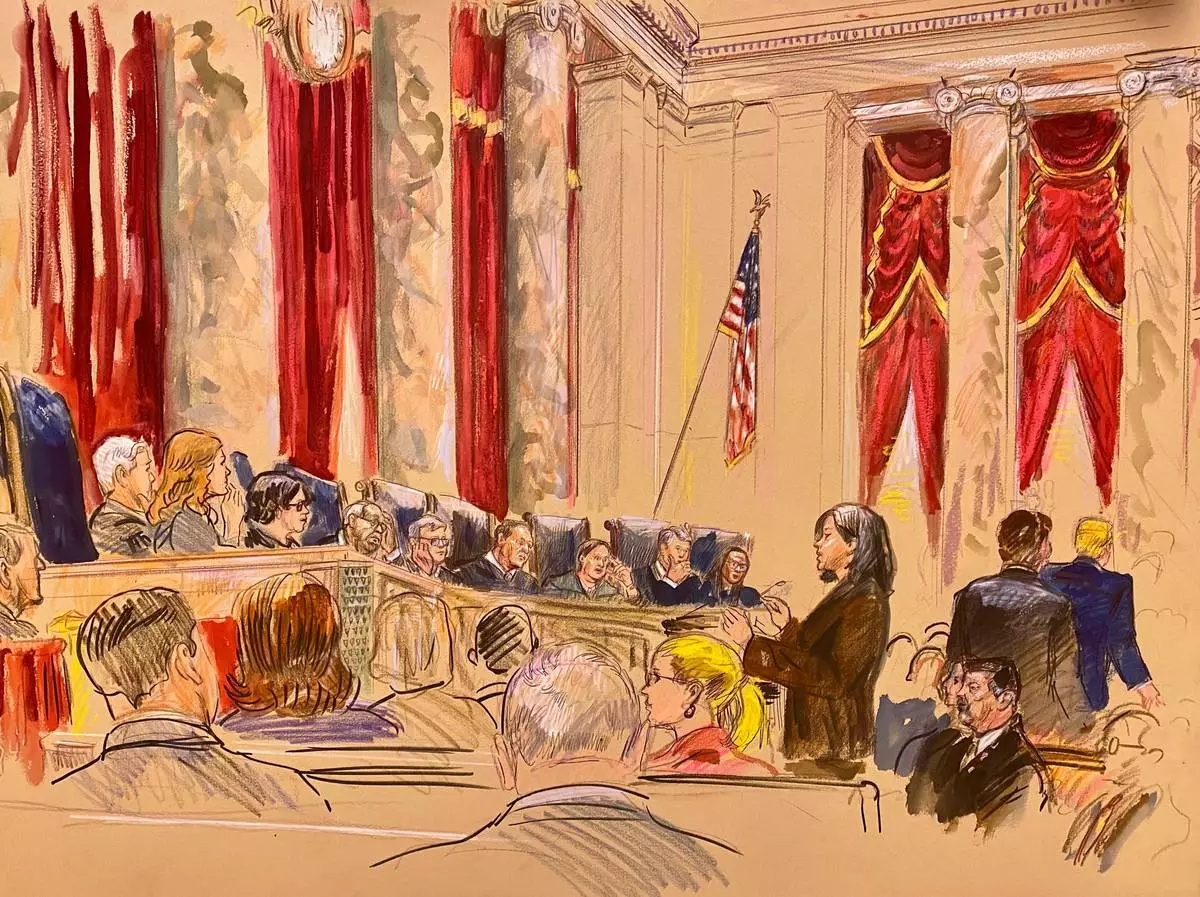
This courtroom sketch depicts Cecillia Wang, the American Civil Liberties Union legal director, standing center, making arguments before the U.S. Supreme Court, Wednesday, April 1, 2026 in Washington, as President Donald Trump, right, departs shortly after Wang began her presentation in defense of broad birthright citizenship. (Dana Verkouteren via AP)
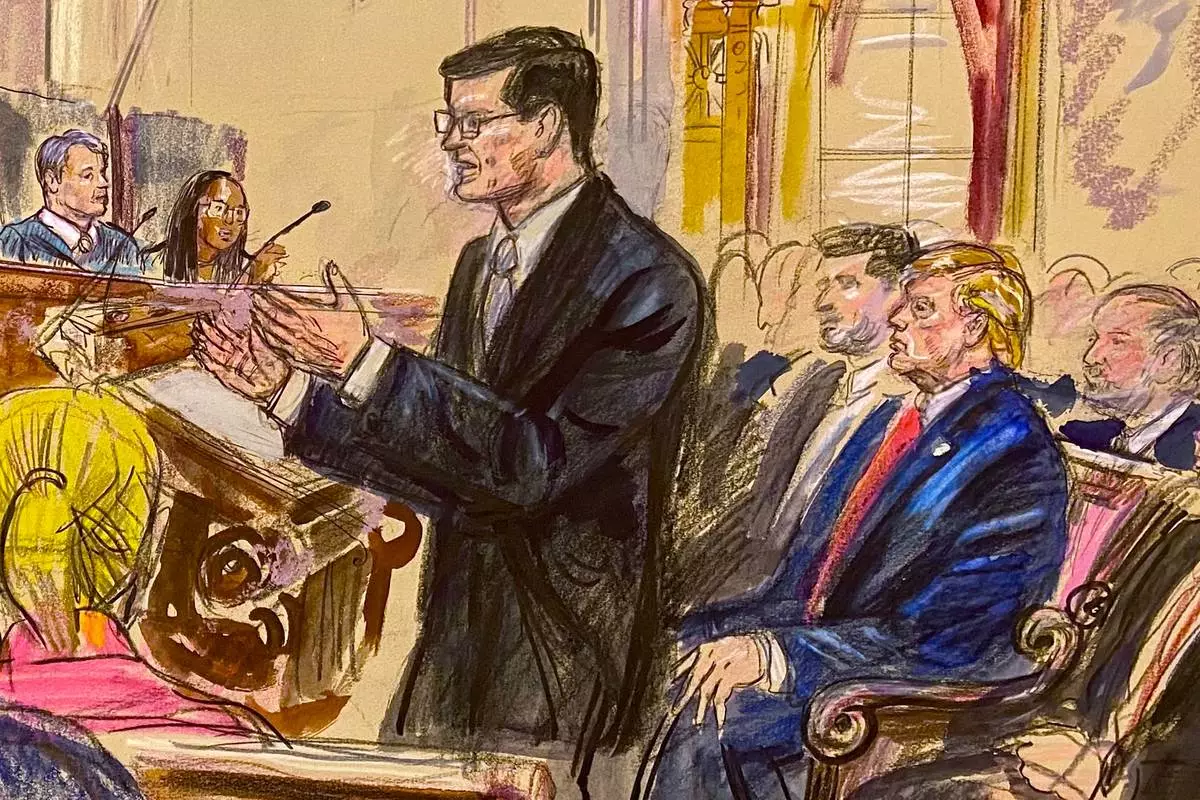
This courtroom sketch depicts the Republican administration's top Supreme Court lawyer, Solicitor General D. John Sauer, standing center, make arguments before the U.S. Supreme Court, Wednesday, April 1, 2026, in Washington. President Donald Trump is seated right. (Dana Verkouteren via AP)
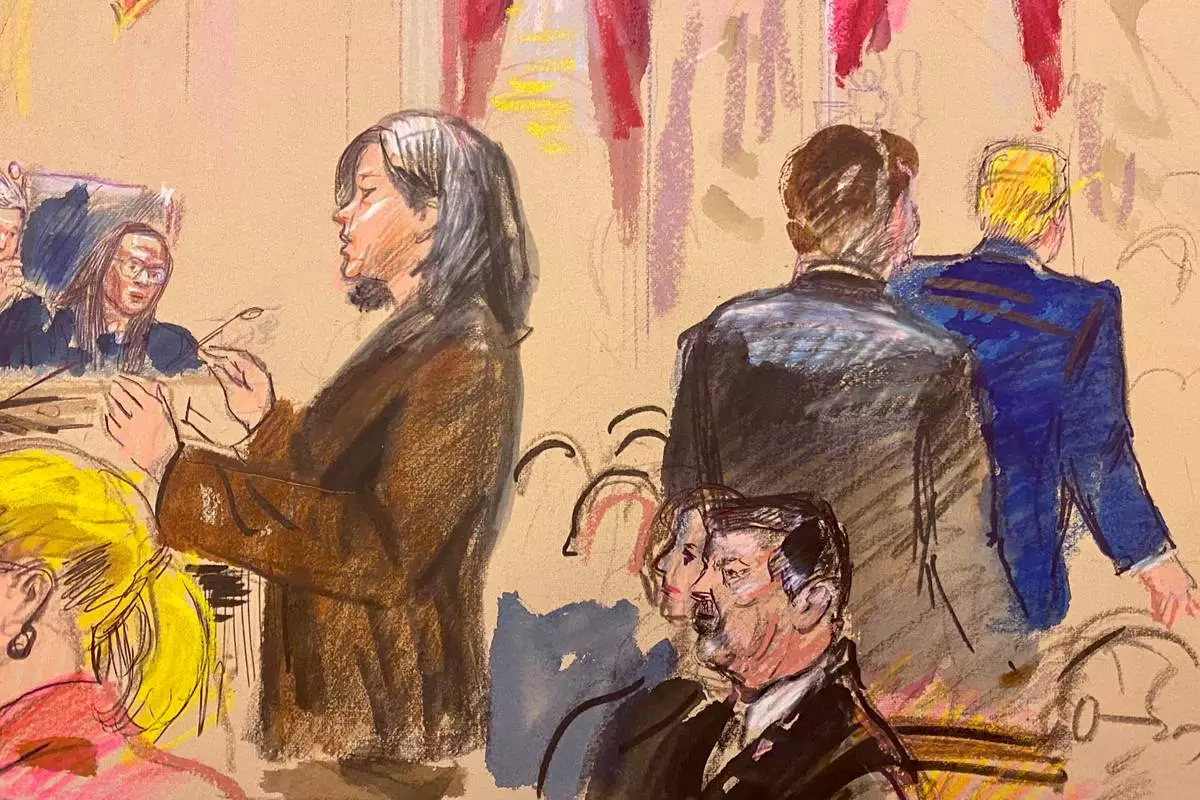
This courtroom sketch depicts Cecillia Wang, the American Civil Liberties Union legal director, standing center, making arguments before the U.S. Supreme Court, Wednesday, April 1, 2026, in Washington, as President Donald Trump departs shortly after Wang began her presentation in defense of broad birthright citizenship. (Dana Verkouteren via AP)
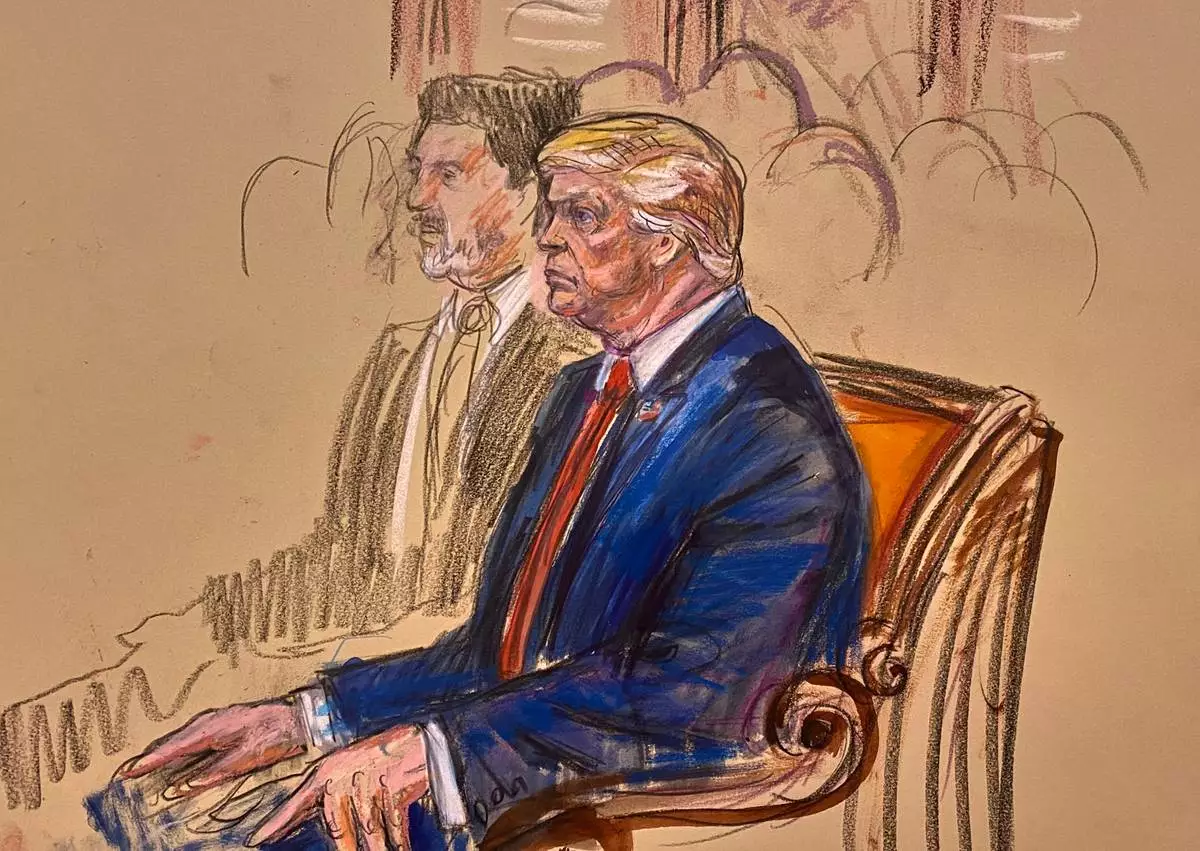
This courtroom sketch depicts President Donald Trump seated in the U.S. Supreme Court gallery, Wednesday, April 1, 2026, in Washington. (Dana Verkouteren via AP)
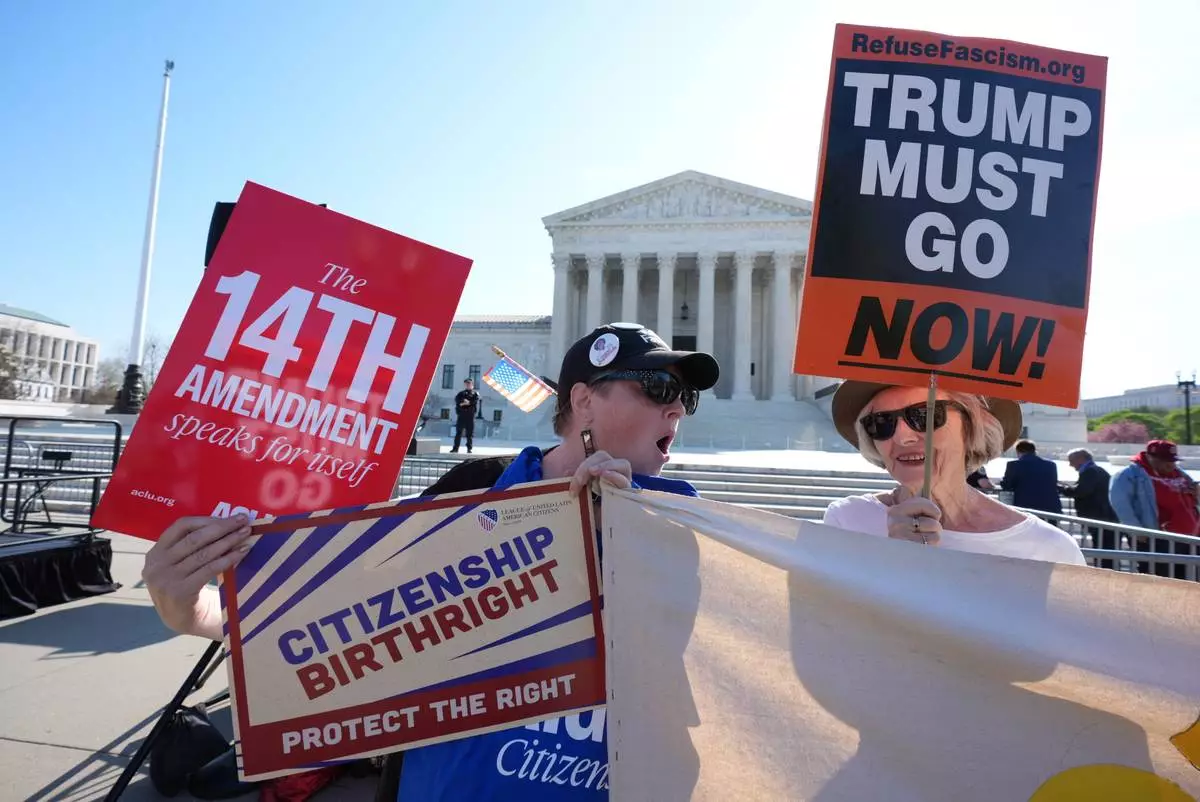
Pro and anti-Trump demonstrators rally outside the U.S. Supreme Court, before justices hear oral arguments on whether President Donald Trump can deny citizenship to children born to parents who are in the United States illegally or temporarily, on Capitol Hill, in Washington, Wednesday, April 1, 2026. (AP Photo/J. Scott Applewhite)
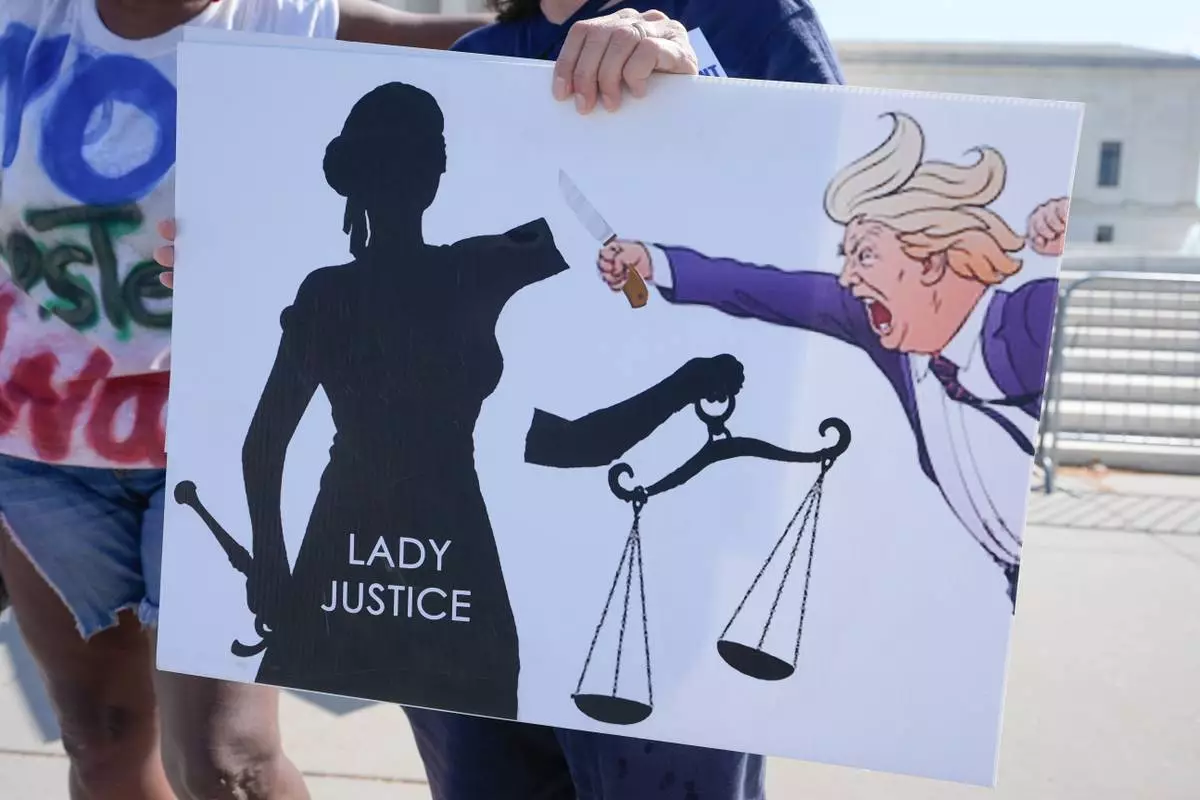
Demonstrators rally outside the U.S. Supreme Court as justices hear oral arguments on whether President Donald Trump can deny citizenship to children born to parents who are in the United States illegally or temporarily, on Capitol Hill, in Washington, Wednesday, April 1, 2026. (AP Photo/Mariam Zuhaib)
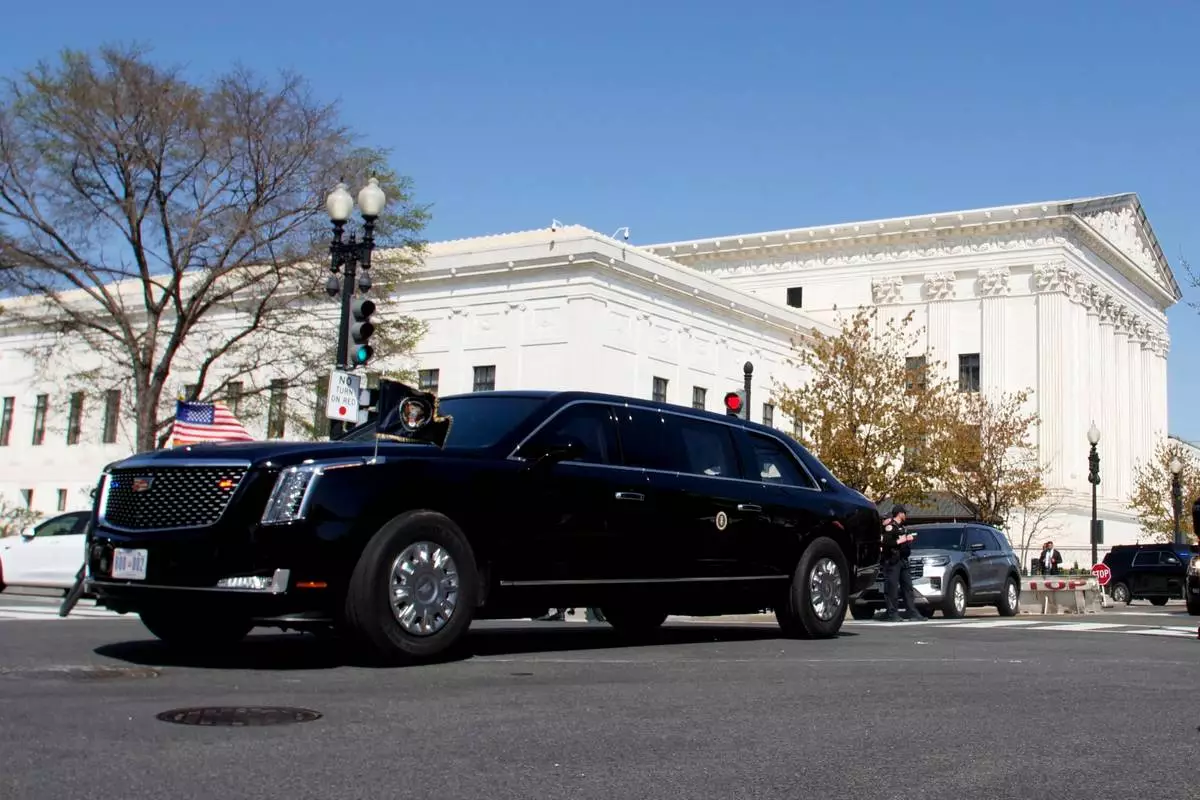
President Donald Trump leaves the U.S. Supreme Court, Wednesday, April 1, 2026, in Washington. (AP Photo/Anthony Peltier)