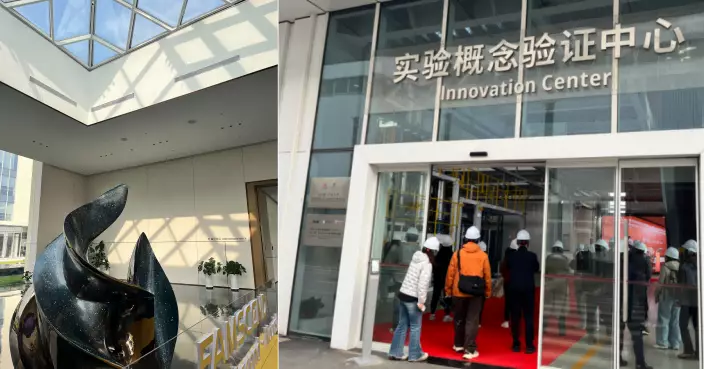
The Hong Kong media delegation visited Yangjie Electronic Technology Corporation, a power semiconductor company in Yangzhou, Jiangsu, on March 25. The corporation executives shared their entrepreneurial journey — from humble beginnings in a café to 25 years of gradually developing success. Amid a complex international landscape, the executives emphasized that the corporation is simultaneously cultivating its domestic industrial chain while steadily advancing its global expansion to build worldwide trust in Chinese power semiconductors.
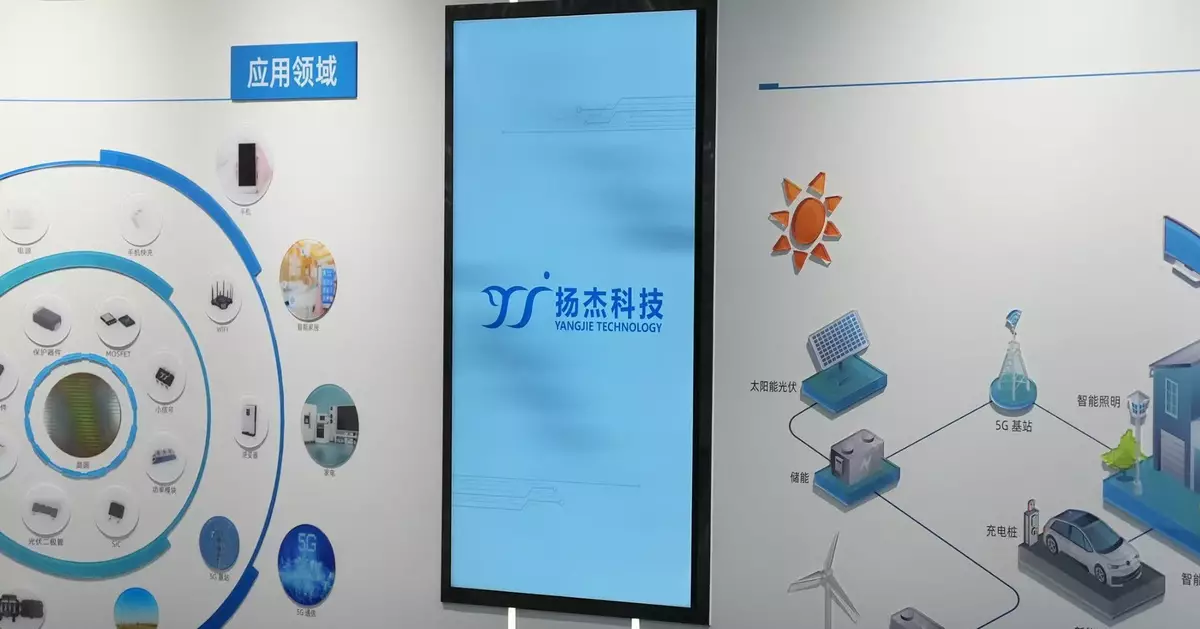
Yangjie Electronic Technology Corporation, Photo by Bastille Post
An Afternoon of Beginnings: 11 People, 1 Million RMB, One Small Café
Click to Gallery
Yangjie Electronic Technology Corporation, Photo by Bastille Post
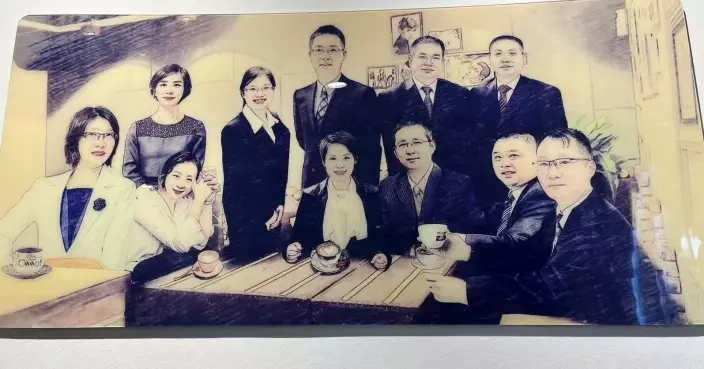
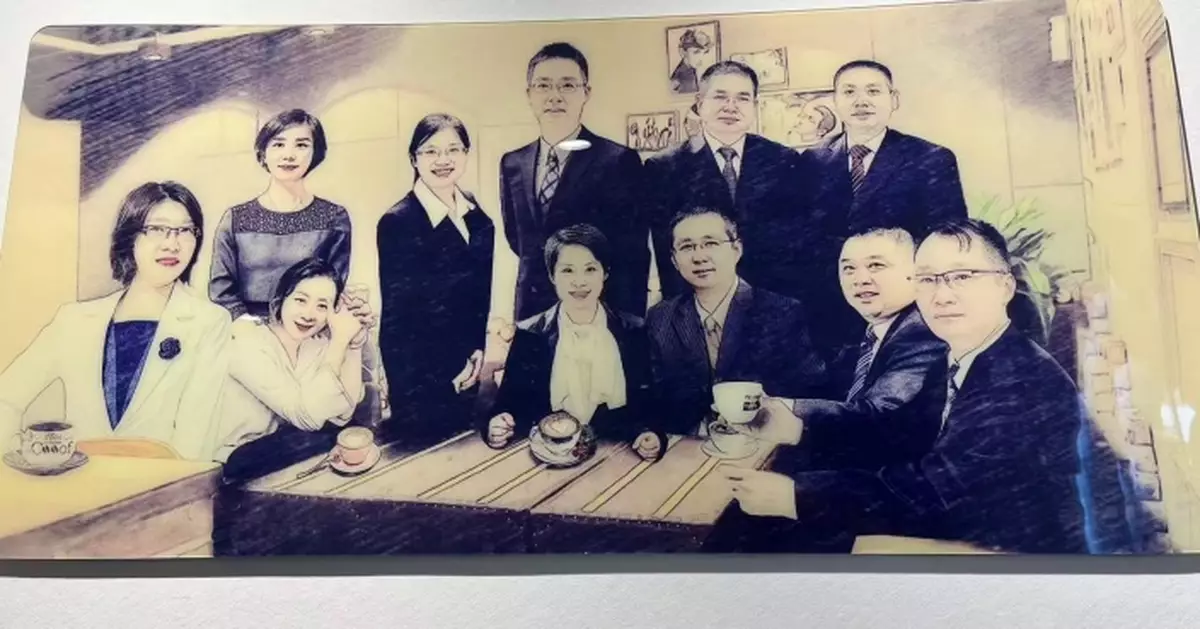
One afternoon in 2000, inside a small café in Yangzhou, 11 people pooled together 1 million RMB to start a semiconductor corporation. Photo by Bastille Post
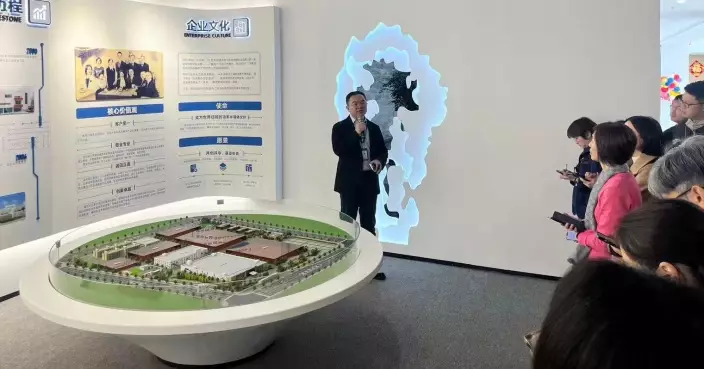
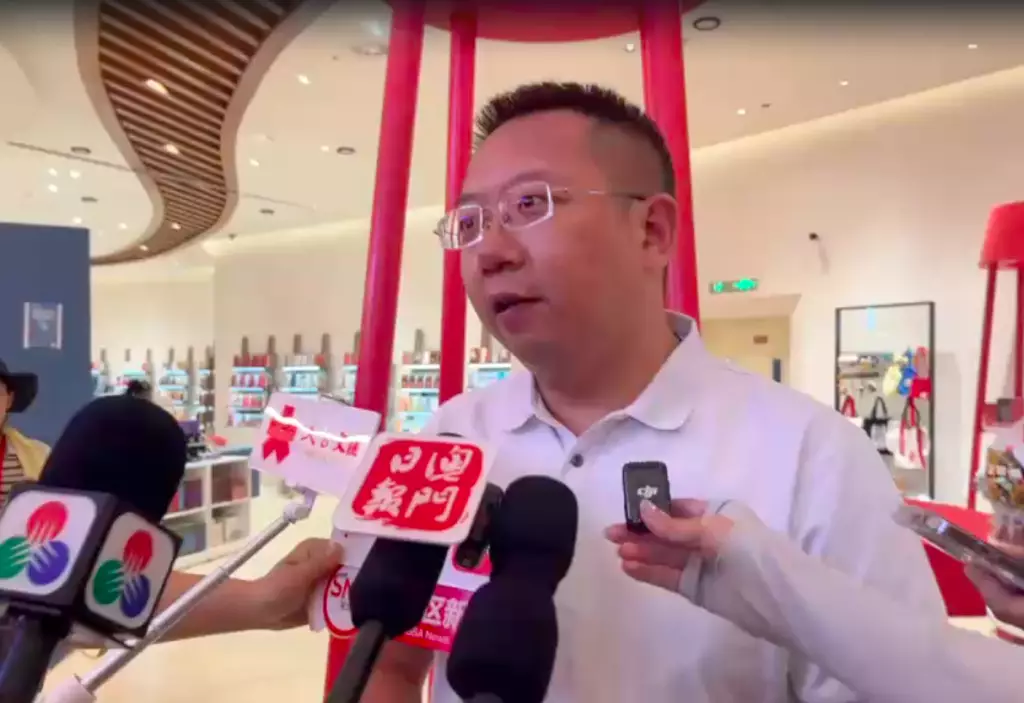
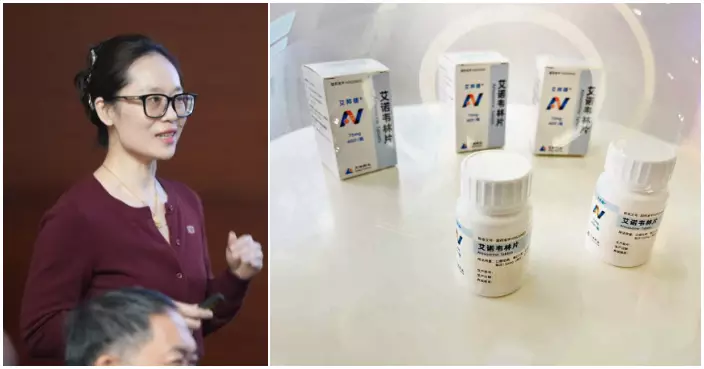
Mr. Fan Fengbin, the deputy general manager of Yangjie Technology, is giving the corporation's introduction to the Hong Kong media delegation. Photo by Bastille Post
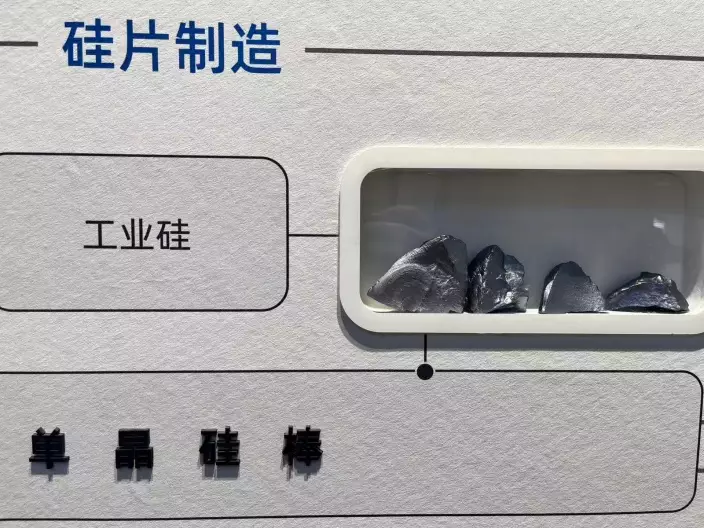
Photo by Bastille Post
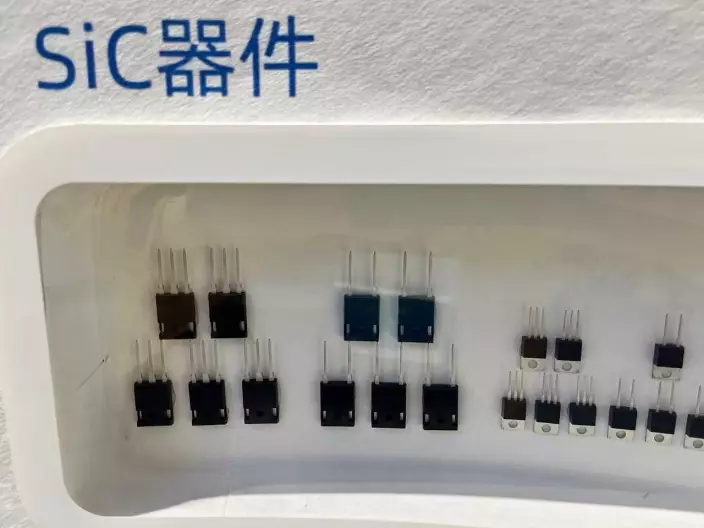
Photo by Bastille Post
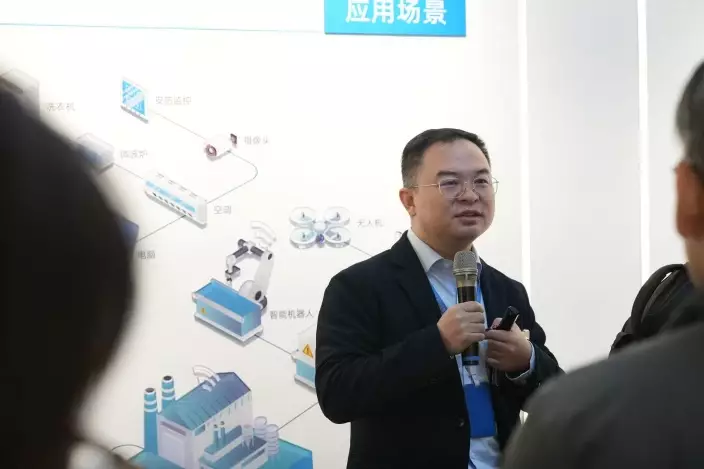
Mr. Fan Fengbin, the deputy general manager of Yangjie Technology, Photo by Bastille Post
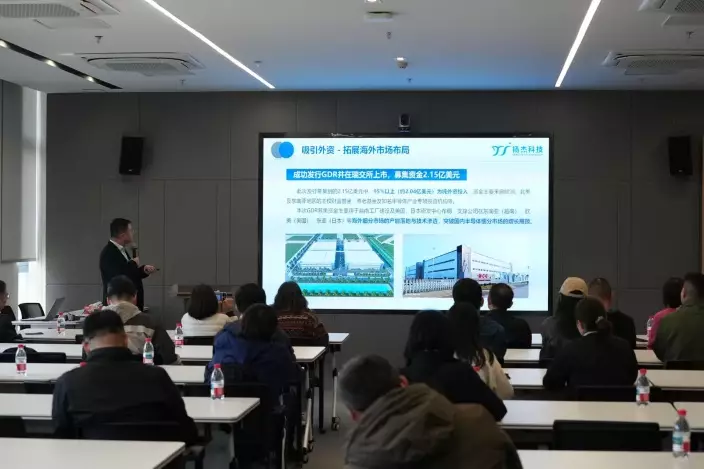
Mr. Fan Fengbin, the deputy general manager of Yangjie Technology, is giving the corporation's introduction to the Hong Kong media delegation. Photo by Bastille Post
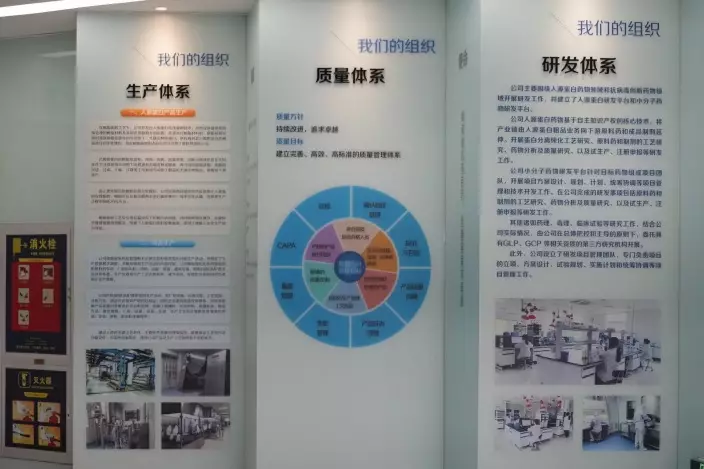
Yangjie Electronic Technology Corporation, Photo by Bastille Post
One afternoon in 2000, inside a small café in Yangzhou, 11 people pooled together 1 million RMB to start a semiconductor corporation. Their goal was simple: to become a prominent corporation in Yangzhou — hence the name "Yangjie" (meaning "Outstanding in Yangzhou" in Chinese) was determined. Twenty-five years later, not a single one of the 11 founding members has left. The corporation has since grown into a publicly listed enterprise with over 8,000 employees and 15 billion RMB in assets. Its market capitalization once reached 50 billion RMB. "We started with trading, then moved to manufacturing, and then to R&D," an executive said. "Every step has followed the direction of national industrial upgrading."
One afternoon in 2000, inside a small café in Yangzhou, 11 people pooled together 1 million RMB to start a semiconductor corporation. Photo by Bastille Post
Its Vietnam Factory Driven by Reality: "Chinese Technology Going Global"
The latest step is the establishment of a factory in Vietnam. An executive explained that as the international trade environment continues to tighten, the model of relying solely on domestic production and exports is becoming increasingly vulnerable to fluctuations of reality, making corporations need to establish physical production capacity overseas to serve local customers and diversify supply risks across different markets. The corporation has purchased 120 acres of land in Vietnam and raised funds through a GDR issuance on the Swiss Stock Exchange, attracting a large number of Hong Kong investors during the roadshow. He emphasized that the Vietnam factory is not simply relocating low-end processes, but rather replicating the entire domestic technology chain overseas. The fab plant project was officially launched on the day of the interview, marking "a real step for China's power semiconductor technology to go global."
Mr. Fan Fengbin, the deputy general manager of Yangjie Technology, is giving the corporation's introduction to the Hong Kong media delegation. Photo by Bastille Post
More Locations, Better Service for China and the World
In regard to geopolitical risks, an executive cited a recent merger and acquisition saga in the international semiconductor industry as a cautionary example, noting that if a corporation concentrates all its core assets, patents, or production lines in a single country, it will struggle to adjust once the external environment shifts dramatically. He said that when considering overseas acquisitions, Yangjie Technology tries to avoid placing heavy assets or core patents primarily abroad, while retaining the original management teams to ensure stable operations. "What we're doing now is distributing business support across different regions, ensuring no single location becomes the sole lifeline," he explained. "This way, we can better serve domestic customers and also better handle international orders." He described the strategy not as "escaping" any particular market, but rather as a more stable approach to securing Chinese corporations' position in the global industrial chain.
Photo by Bastille Post
Photo by Bastille Post
Making the World Trust Chinese Power Semiconductors
For most people, the term "power semiconductors" is unfamiliar. A senior technical executive at Yangjie Technology offered a simple explanation: they are the "heart" of electronic products, responsible for controlling the current and voltage in every electrical appliance. "From small Bluetooth headsets to large high-speed trains — wherever electricity is used, our products are used," he pointed out.
Mr. Fan Fengbin, the deputy general manager of Yangjie Technology, Photo by Bastille Post
He noted that in the field of third-generation semiconductor silicon carbide, Chinese companies are not far behind international levels and have room to catch up quickly. Currently, the main bottlenecks lie in the self-sufficiency of equipment and some high-end materials. He stated that the company will continue to focus on developing its core power semiconductor business, "hoping to make the world trust Chinese power semiconductors and contribute more to our hometown and our country."
Mr. Fan Fengbin, the deputy general manager of Yangjie Technology, is giving the corporation's introduction to the Hong Kong media delegation. Photo by Bastille Post
Yangjie Electronic Technology Corporation, Photo by Bastille Post