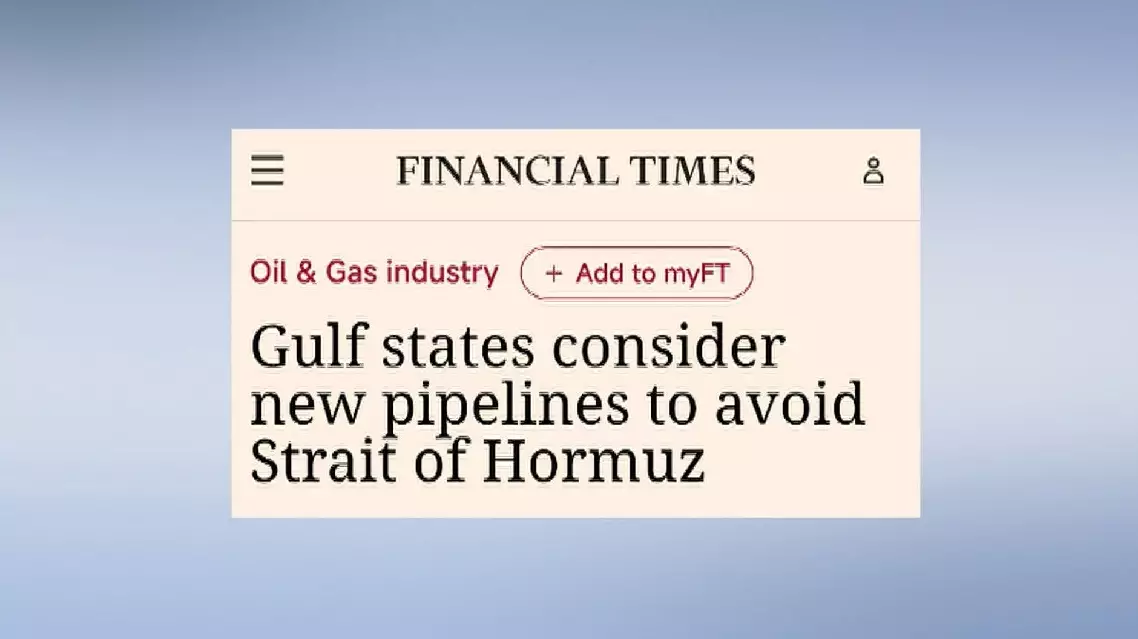
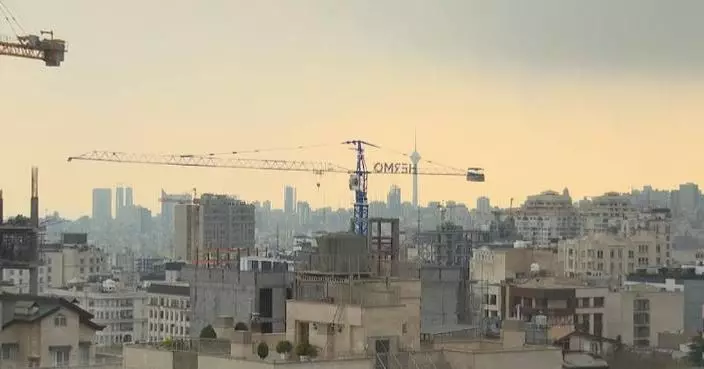
Governments affected by the ongoing conflict in the Middle East have rolled out emergency measures to ensure energy supplies, following Iran's announcement of restrictions on navigation through the Strait of Hormuz, a chokepoint for one-fifth of the world's oil.
As part of its response to U.S. and Israeli operations that started on Feb 28, Iran has restricted navigation through the Strait of Hormuz, targeting ships associated with the United States and Israel. The blockade of this vital global energy route has driven up oil and gas prices worldwide.
The Croatian government on Wednesday decided to release 35,000 tons of diesel from its mandatory oil and petroleum reserves to the market, Economy Minister Ante Susnjar said.
According to local media reports, the volume to be released by Croatia represents about 5 percent of its mandatory reserves, equivalent to four days of average consumption.
Also on Wednesday, the government of the Republic of Korea (ROK) introduced an odd-even driving system for public institutions' vehicles, which will start in a week. Under the new driving system, public-sector vehicles will be operated based on the number on their license plates. Vehicles with license plates ending in an odd number can drive on odd-numbered days, while those ending in an even number can drive on even-numbered days. The new system further tightens the 1-in-5 rotation system for the public sector, which took effect on April 25th. Under the earlier system, entry is restricted by weekday based on the last digit of the license plate number.
Furthermore, the ROK government decided to raise its crude oil resource security crisis warning from Level 2 "caution" to Level 3 "warning", the second-highest level in the country's four-tier system, from Thursday midnight and raise its natural gas security crisis alert from Level 1 "concern" to Level 2 "caution."
The Ministry of Trade, Industry and Resources of the ROK said that the decision was based on a comprehensive assessment of factors, including recent disruptions to crude oil imports, declining inventories, and fluctuations in international oil prices.
In Malaysia, in response to the global energy supply shortage, a work-from-home (WFH) policy for ministries, agencies, statutory bodies, and government-linked companies will be implemented from April 15, Malaysian Prime Minister Datuk Seri Anwar Ibrahim said on Wednesday.
In a rare TV address to the nation, Australian Prime Minister Anthony Albanese warned that the impact of the U.S.-Israeli strikes on Iran would affect the Australian economy "for months." He urged the public to conserve fuel, consider using public transportation, and avoid panic buying of fuel.
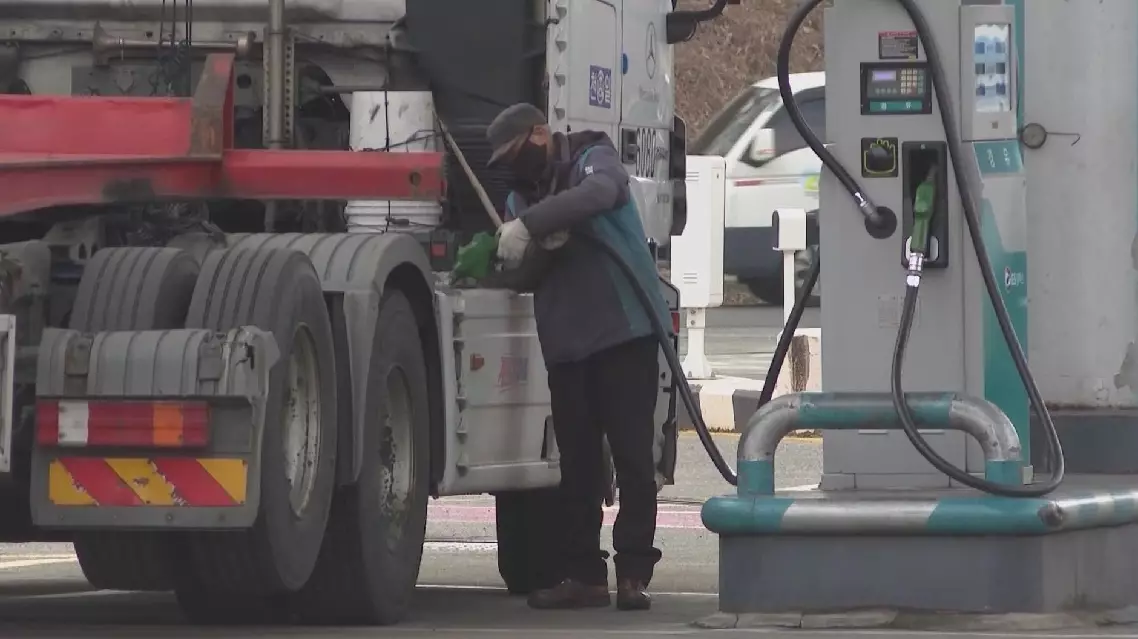
Countries affected by Middle East conflict announce emergency measures for energy supply