The British government is stepping up efforts to accelerate its energy transition and reduce dependence on fossil fuels, with the issue brought into sharp focus by the ongoing Middle East crisis which has disrupted global energy supplies and driven up oil and gas prices.
In early March, just a week after the conflict erupted when the United States and Israel launched attacks on Iran, sparking a wave of retaliatory strikes across the region, British natural gas prices spiked by around 70 percent, further stoking inflationary pressures and raising concerns over the cost of living.
The UK's heavy reliance on natural gas, coupled with a storage capacity far smaller than that of France and Germany, has magnified the impact of external shocks.
Much of the attention in recent weeks has also focused on the closure of the Strait of Hormuz -- a vital passageway that typically carries about one-quarter of global seaborne oil trade -- while the uncertainty over the conflict is continuing to see wild fluctuations in oil and gas prices.
Britain's Energy Secretary Ed Miliband said the current Middle East crisis was "yet another reminder" of how vital it is for the UK to take control of its energy security by weaning off fossil fuels and moving to "clean homegrown power".
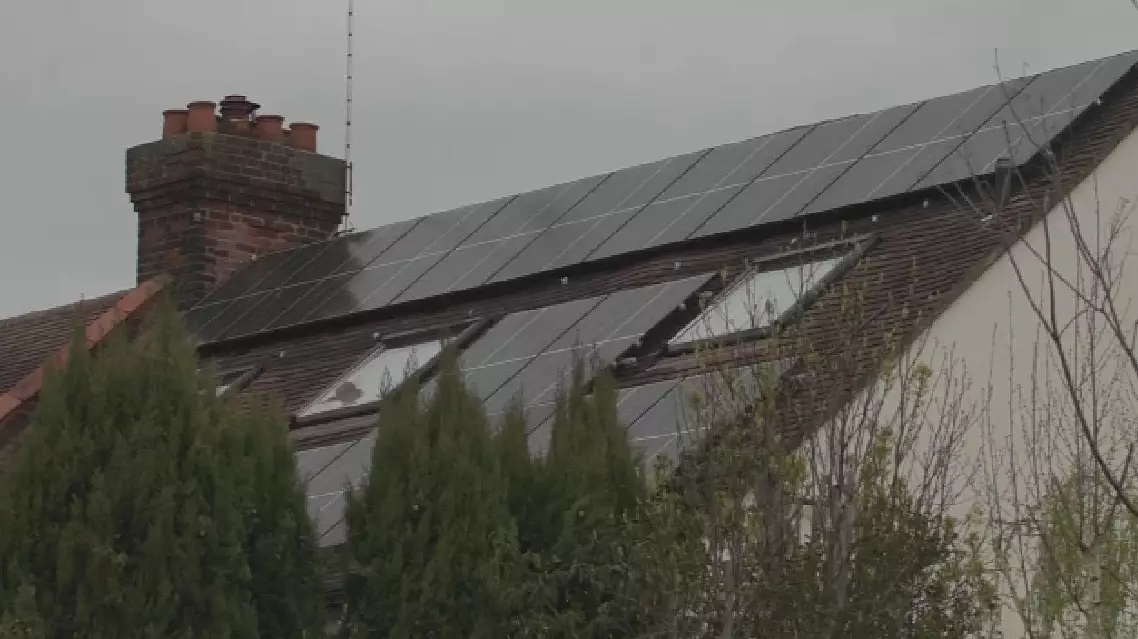
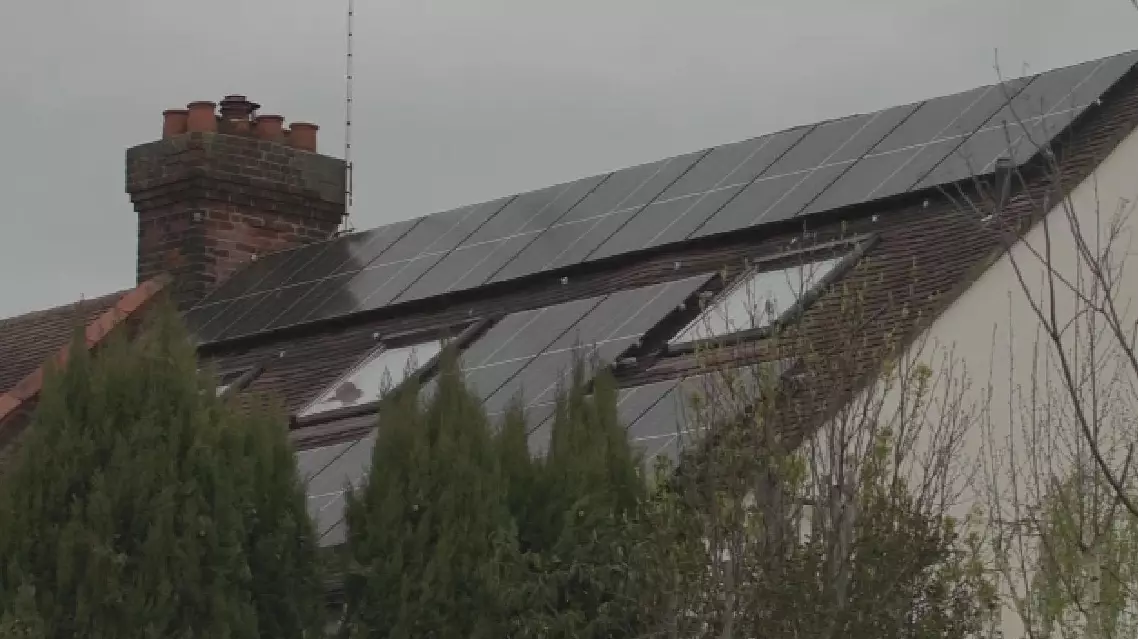
Another important step towards this aim came on March 24, when government unveiled new regulations requiring all newly-built homes in England to be fitted with solar panels and heat pumps starting in 2028.
Many developers are already incorporating the measures, replacing gas heating with heat pumps and combining rooftop solar systems to lower household energy bills and ease national electricity demand.
Residents in London have voiced support for the measures, citing lower costs and greater sustainability.
"People don't want to live with the uncertainty that the prices are going to keep fluctuating, because you can't budget for your life if prices keep fluctuating. So [the solar panels are] sustainable. And I know people who have had them installed and they say their electricity prices have gone well down," said one resident.
"I believe in green space going forward. I do believe in it because it saves a lot of money and the government needs to get behind it," said another.
According to the RAC, a British automotive services company headquartered in Walsall, petrol and diesel prices in March jumped more than in any previous single month, underscoring the urgency of Britain's push to diversify energy sources and strengthen resilience to withstand global shocks.
UK accelerates energy transition to cut reliance on fossil fuels amid Middle East conflict
UK accelerates energy transition to cut reliance on fossil fuels amid Middle East conflict