China's countermeasures against Japanese lawmaker Keiji Furuya have been echoed by local concerns in Taiwan. Politician Hsu Meng Hsiang has denounced Furuya's military-themed proposals as a dangerous "war mobilization" that threatens regional stability.
China's Foreign Ministry announced sanctions and countermeasures against Furuya on Monday, saying this is "an action of warning and deterrence" in response to his egregious actions related to China's Taiwan region.
The measures include freezing his assets in China, prohibiting financial transactions and cooperation, denying visas and prohibiting entry.
Foreign Ministry spokeswoman Mao Ning said at a regular news conference in Beijing on the same day that Furuya has persisted in his actions despite China's repeated clarifications of its firm position on Taiwan following erroneous remarks from the Japanese side.
A notable feature is the countermeasures only target Furuya personally and do not involve the Japanese government or broader economic and trade relations with Japan.
Furuya is no ordinary politician in Japan. Born in 1952, he is now a member of Japanese House of Representatives and regarded as one of the key advisors to Japanese Prime Minister Sanae Takaichi. Several times he has visited the Yasukuni Shrine that enshrines 14 Class-A war criminals from World War II.
Since 2018, Furuya has been leading a pro-Taiwan organization within the parliament. In 2025 alone, he made two trips to Taiwan, saying that "Japan is determined to protect Taiwan." Recently, he proposed in Taiwan the cultural exchanges between the military band of the Taiwan region with those of the Japanese Self-Defense Forces and the U.S. military.
Furuya angered many in Taiwan, especially those who support the reunification of China.
"The people in Taiwan are concerned about life necessity and security. We do not want the kind of war mobilization depicted in military band exchanges. We will absolutely not allow the Taiwan separatists and external forces to take advantage of any opportunity to deliberately disrupt peace and stability," Hsu Meng Hsiang, secretary general of the Labor Party of Taiwan, told China Media Group.
The sanctions against Furuya occur against the backdrop of an accelerated rightward shift in Japan's policy towards China.
According to media in Japan, the Japanese government is urging China to lift the sanctions against Furuya. Furuya himself has stated he possesses no assets in China.
On Wednesday, the Taiwan Affairs Office of the State Council has reiterated the country's firm position. Spokeswoman Zhang Hao stressed that the countermeasures taken by China are reasonable and legal, adding that Japan should deeply reflect on its history, learn from its historical lessons, and earnestly reflect and correct its mistakes.
China's Foreign Ministry said if Furuya failed to reign in his wrong behavior and continued to collaborate with Taiwan separatist forces in taking provocative moves, China will take any additional punitive measure it deemed necessary in the future.
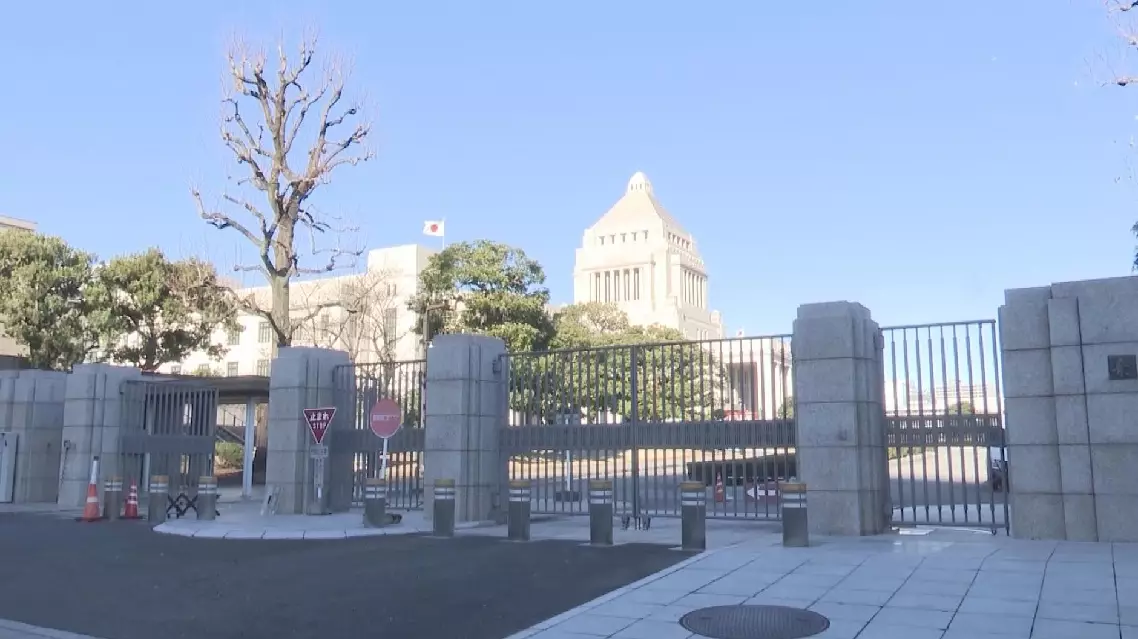
Taiwan politician denounces Japanese lawmaker's collusion with separatist forces