Although the U.S. Supreme Court ruled in February that U.S. President Donald Trump's reciprocal tariffs were unlawful, analysts said that a number of questions remained unanswered one year after their implementation.
Trump signed an executive order on the so-called "reciprocal tariffs" on April 2, 2025, imposing a 10-percent "minimum baseline tariff" and higher rates on certain U.S. trading partners.
On Feb. 20, 2026, the Supreme Court said that the tariff policies under the International Emergency Economic Powers Act (IEEPA) are unconstitutional, officially striking down the global tariffs Trump has introduced since April.
The tariffs prompted businesses to rethink the way they operate, but the uncertainty of the trade policy has discouraged many from permanently moving manufacturing. Instead, some have shifted final assembly to countries like Vietnam to avoid higher tariffs, while the components themselves are still made in China.
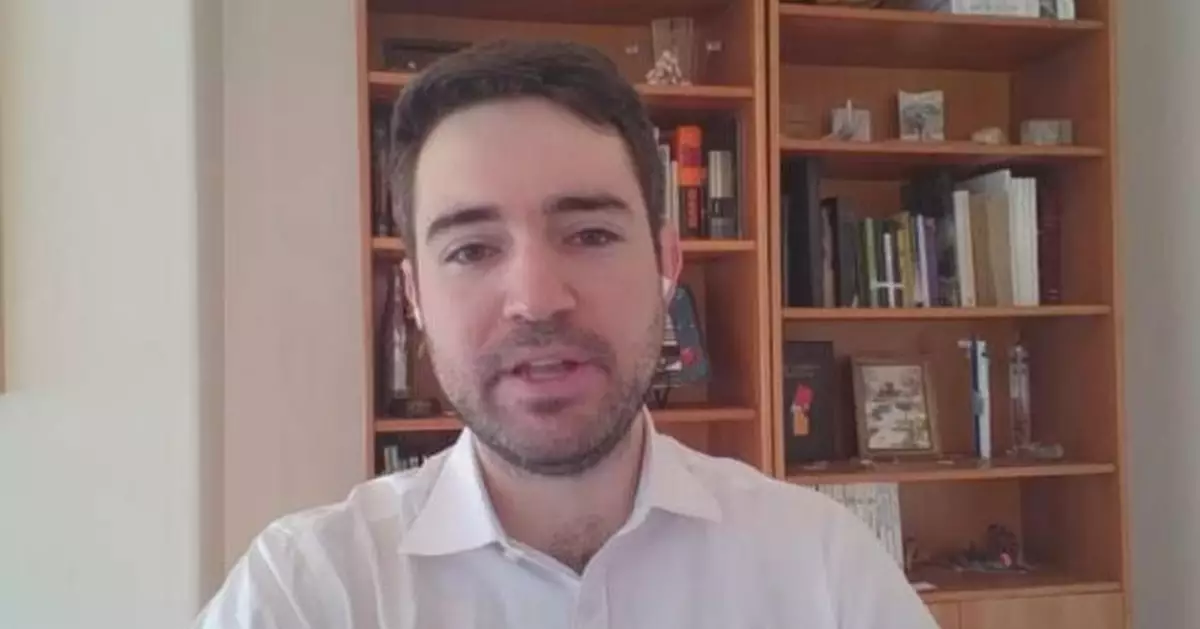
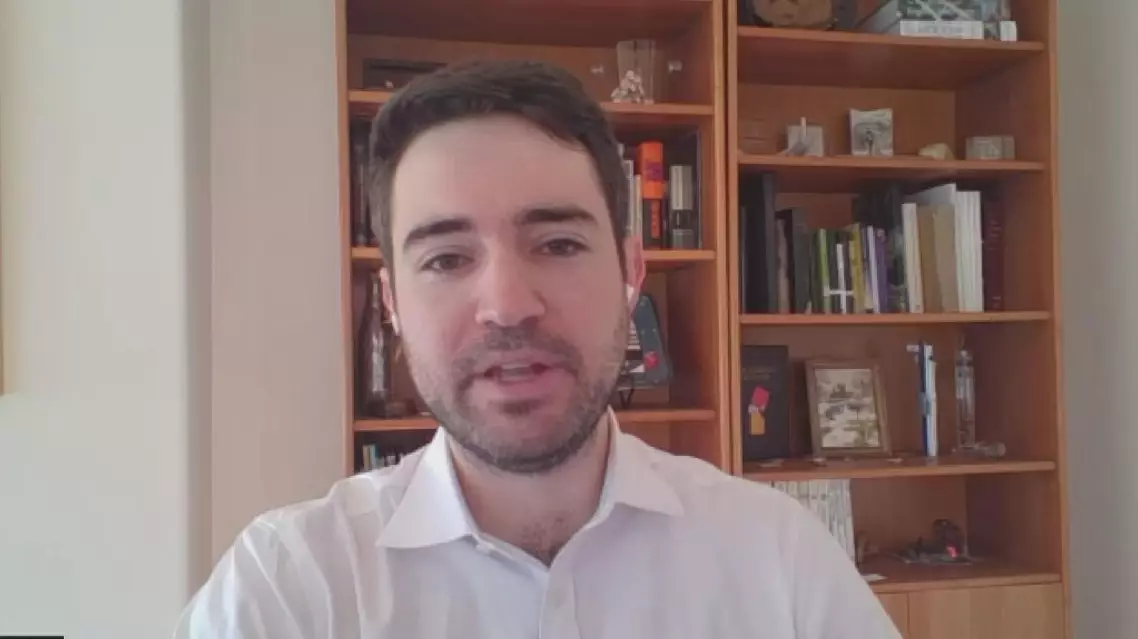
"With the trade policy having been as uncertain and mercurial as it has been, companies have been somewhat disincentivized to commit too heavily to moving manufacturing, because that's a very significant multi-year, high-dollar investment," said William George, director of research at ImportGenius, a leading trade intelligence platform.
The court's ruling has seen companies demand the levies back that they paid to import from the countries affected, but George, who specializes in global shipping research, says the government is complicating this.
"And there are a number of mechanisms that may be used to try to avoid this. And one of them is asking companies, did you actually eat the tariff, or did you pass that cost on to the consumer? Because hypothetically, if the cost was passed on to the consumer and the White House paid back the tariff to the importer, then they would be double-dipping and they'd be, essentially, being paid for the tariff that they had already imposed upon the U.S. consumer," he said.
While U.S. partners were facing steep costs to send their goods and services stateside, some chose to enter into trade agreements to satisfy the White House. The future of those agreements remain up in the air, now that the tariffs have been ruled unlawful.
"I think it's going to be a choice that those countries are going to have to make. The tariffs President Trump instituted last year, despite being completely illegal, stayed in place for most of a year. If a country tears up their agreement with him, he will probably impose illegal tariffs on them again, which will eventually be struck down. But some countries don't want to wait for that, particularly if we go into a global downturn," said David Super, professor of Law and Economics at Georgetown University.
But despite President Trump's failure to win at the Supreme Court, Super said it's unlikely to deter any future administration from making similar moves if it wanted.
"I think a future president is likely to draw the conclusion that the Trump administration broke the law and the Constitution quite freely and paid a very low price for it. Some of its actions were canceled, often after they've had considerable effect, like the tariffs. Some of their actions weren't canceled at all, the illegal war in Iran being an example, because there was no one who had standing to get into court," he said.
The White House still has other tariffs currently in place, including some on steel and aluminum. Super believes they are not on stronger legal ground than the tariffs that were ruled unlawful but expects those to be challenged, too.
Multiple questions remain unanswered, despite Trump tariffs declared unlawful: experts