Cambodian families are struggling to cope with soaring fuel costs as the impact of the Middle East conflict ripples across Southeast Asia, forcing households to cut back and switch to cheaper alternatives.
According to the Cambodian Ministry of Commerce, the prices of regular gasoline, diesel, and Liquefied Petroleum Gas (LPG) in Cambodia have risen by 41.5 percent, 94.8 percent, and 95 percent, respectively, since the outbreak of the Middle East conflict led to disruptions in the Strait of Hormuz, a narrow waterway that carries nearly one‑fifth of the world's oil supply, and the resulting soaring energy prices.
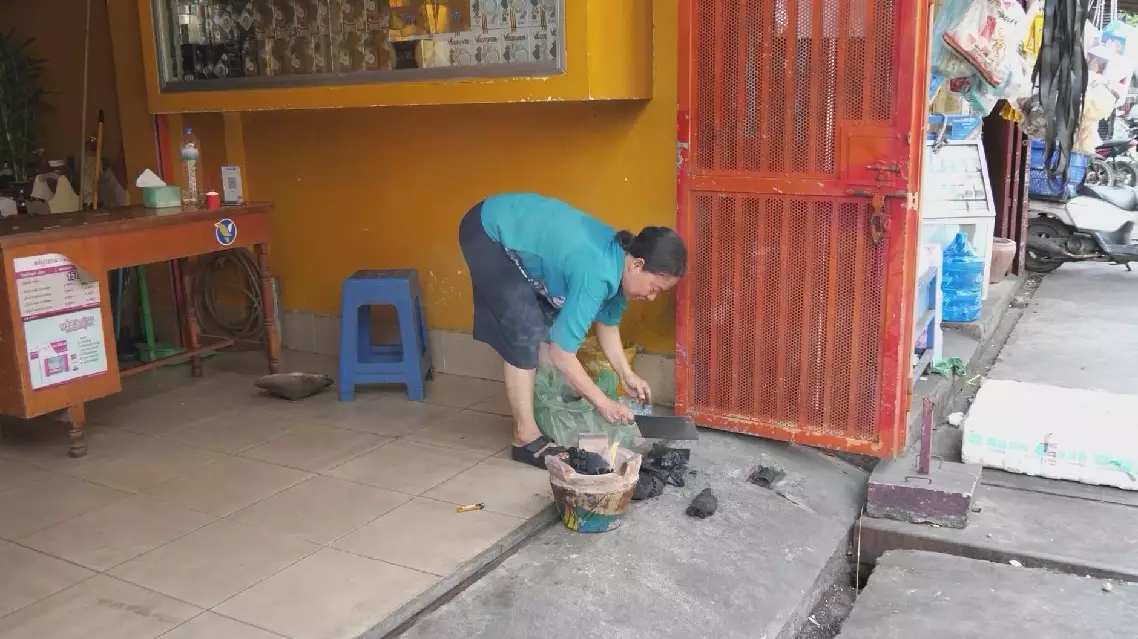
Facing the rising cost of living, many Cambodians are abandoning LPG and switching to traditional charcoal for daily cooking.
Pov Channy, resident in Cambodia's capital city Phnom Penh, said her household uses one cylinder of liquefied gas per month. The soaring cost of energy has turned a basic household necessity into an overwhelming strain for her family.
"In recent times, the price of liquefied gas has risen sharply. Once I finish the last cylinder, I will have to switch to charcoal. The current price doubles or triples that before. Using charcoal can save a lot of money," she said.
As charcoal becomes the preferred alternative for many families, charcoal merchants have begun offering door-to-door delivery services. At local markets, vendors are also seeing a clear surge in demand for charcoal stoves.
"Demands for charcoal stoves have clearly increased because of the sharp rise in liquefied gas prices. Many people are switching to charcoal, and some others are using coal or firewood," said Khun Khoem, a vendor.
Restaurants are also feeling the pressure. Many have stopped offering energy-intensive dishes and are adapting their menus to items that require less fuel.
"The price of liquefied gas has risen to three to four times its previous level. My restaurant used to sell stir-fried dishes, but because liquefied gas has become too expensive, I have now suspended that and only sell malatang and rice noodles," said Hean Chi Kheang, a restaurant manager.
Cambodians turn to cheaper alternatives as Middle East conflict sends energy prices soaring