PITTSBURGH (AP) — Konnor Griffin debuted in style. The 19-year-old Pirates shortstop delivered an RBI double in his first big league at-bat as Pittsburgh held off the Baltimore Orioles 5-4 on Friday.
Griffin, called up on Thursday and the consensus top prospect in baseball, looked every bit the part during an electric afternoon at PNC Park.
Click to Gallery
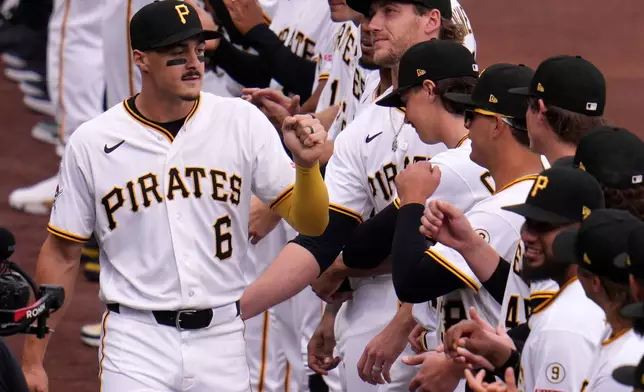
Pittsburgh Pirates' Konnor Griffin (6) is introduced for his major league debut before a baseball game against the Baltimore Orioles in Pittsburgh, Friday, April 3, 2026. (AP Photo/Gene J. Puskar)
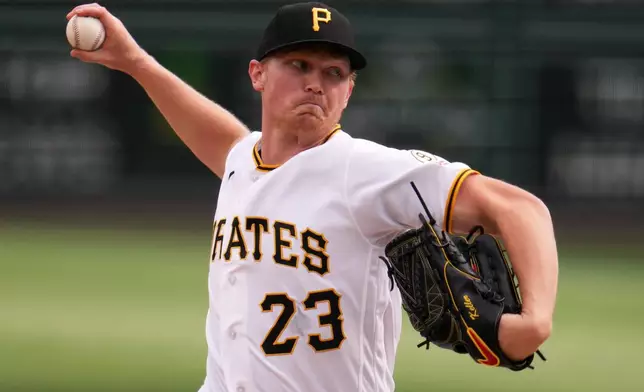
Pittsburgh Pirates pitcher Mitch Keller delivers during the second inning of a baseball game against the Baltimore Orioles in Pittsburgh, Friday, April 3, 2026. (AP Photo/Gene J. Puskar)
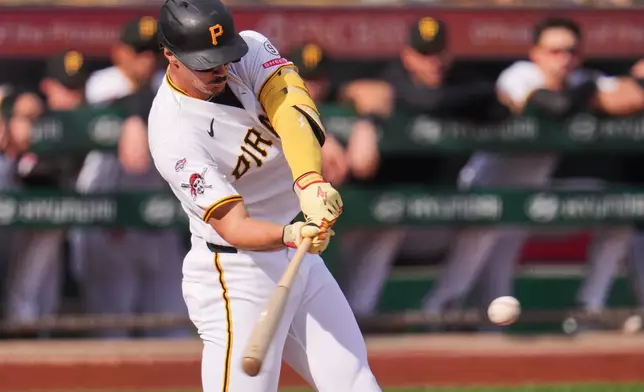
Pittsburgh Pirates' Konnor Griffin hits an RBI double, his first Major League career hit and run, during the second inning of a baseball game against the Baltimore Orioles in Pittsburgh, Friday, April 3, 2026. (AP Photo/Gene J. Puskar)
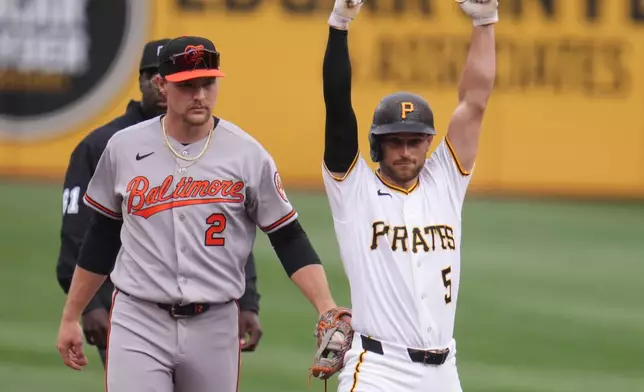
Pittsburgh Pirates' Brandon Lowe (5) celebrates as Baltimore Orioles shortstop Gunnar Henderson (2) holds the tag after hitting a double during the first inning of a baseball game in Pittsburgh, Friday, April 3, 2026. (AP Photo/Gene J. Puskar)
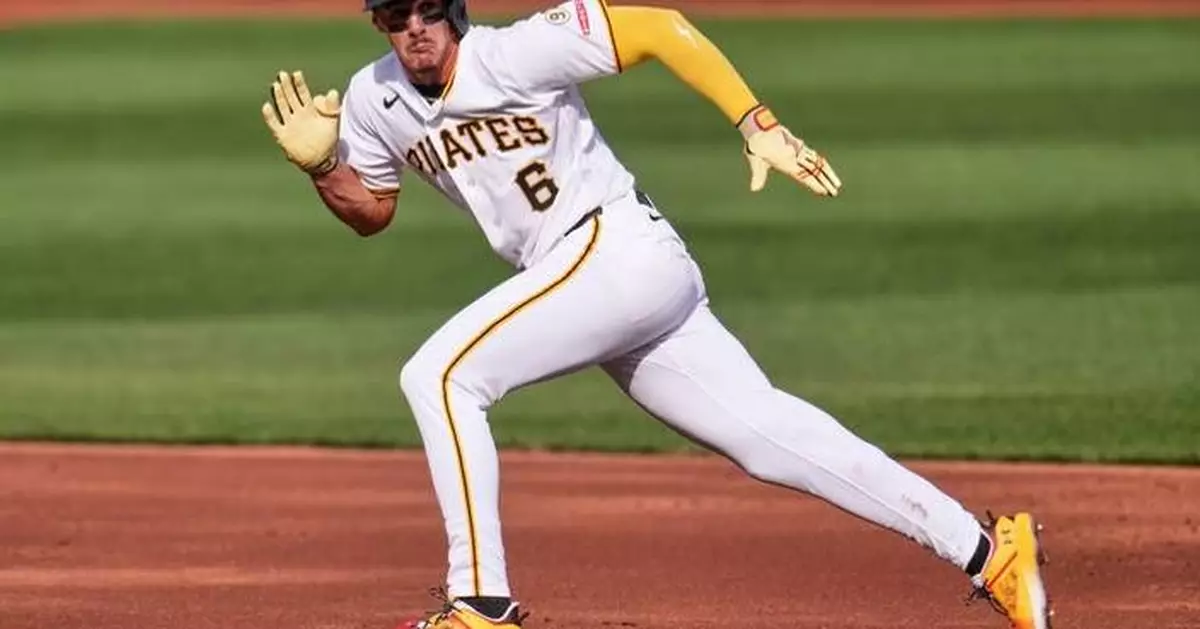
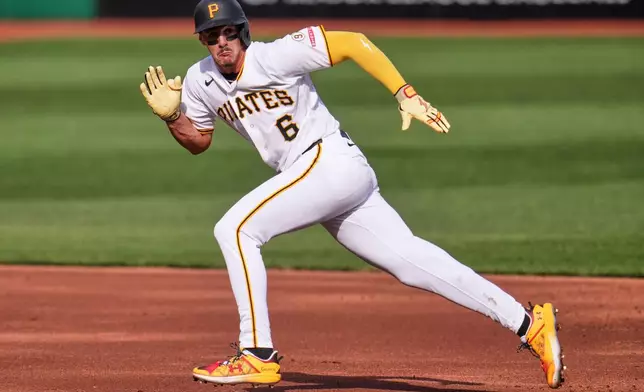
Pittsburgh Pirates' Konnor Griffin sprints for home to score a run during the second inning of a baseball game against the San Diego Padres in Pittsburgh, Friday, April 3, 2026. (AP Photo/Gene J. Puskar)
He laced a double to center field off Kyle Bradish (0-2) in the bottom of the second, then showcased his speed while racing home on a single to shallow right field by Jared Triolo.
The teenager, the youngest player to make his major league debut at shortstop since Alex Rodriguez did it at 18 for Seattle in 1994, also drew a walk and handled all of his defensive chances without an issue as the Pirates won their third straight. Griffin became the first Pirate under 20 to reach base twice in his debut since Bobby Del Greco in 1952.
The sellout crowd at PNC Park, which opened 25 years ago, or a full half-decade before Griffin was born on April 24, 2006, roared when Griffin was introduced during the pregame ceremony. The roars drew even louder when he took an 85 mph curveball from Bradish and sent it rocketing to the fence in center field.
Triolo, who moved from short to third after Griffin's promotion, had a pair of hits and his first RBI of the season. Ryan O'Hearn, Henry Davis and Oneil Cruz also drove in runs for the Pirates.
Mitch Keller (1-0) allowed two runs and six hits with four walks and four strikeouts. Gregory Soto gave up a solo home run to Gunnar Henderson with two outs in the ninth, but rebounded by striking out former New York Mets teammate Pete Alonso to pick up his first save with Pittsburgh.
Henderson finished with three hits for Baltimore. Dylan Beavers and Blaze Alexander had two hits apiece for the Orioles. Bradish was touched for four runs and six hits with three walks and six strikeouts in four innings.
The series continues Saturday when Baltimore's Shane Baz (0-0, 6.75 ERA) faces Pittsburgh's Carmen Mlodzinski (0-0).
AP MLB: https://apnews.com/hub/mlb
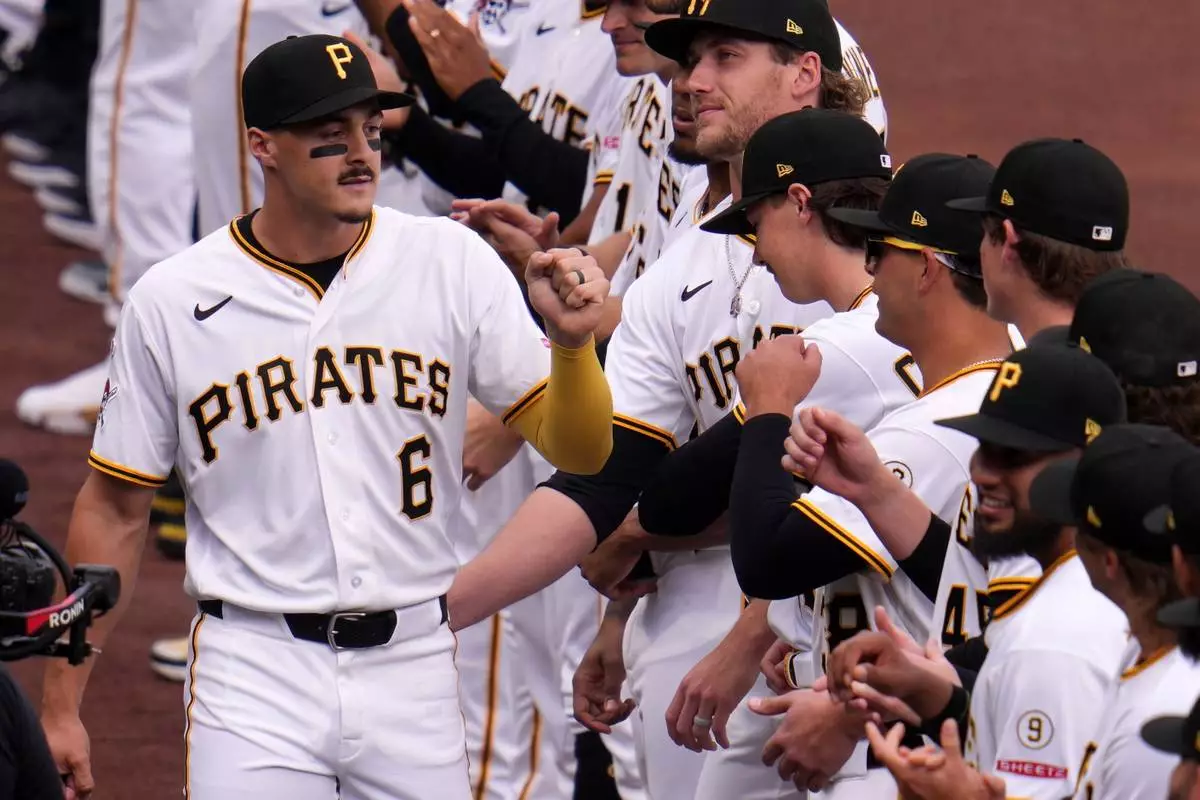
Pittsburgh Pirates' Konnor Griffin (6) is introduced for his major league debut before a baseball game against the Baltimore Orioles in Pittsburgh, Friday, April 3, 2026. (AP Photo/Gene J. Puskar)
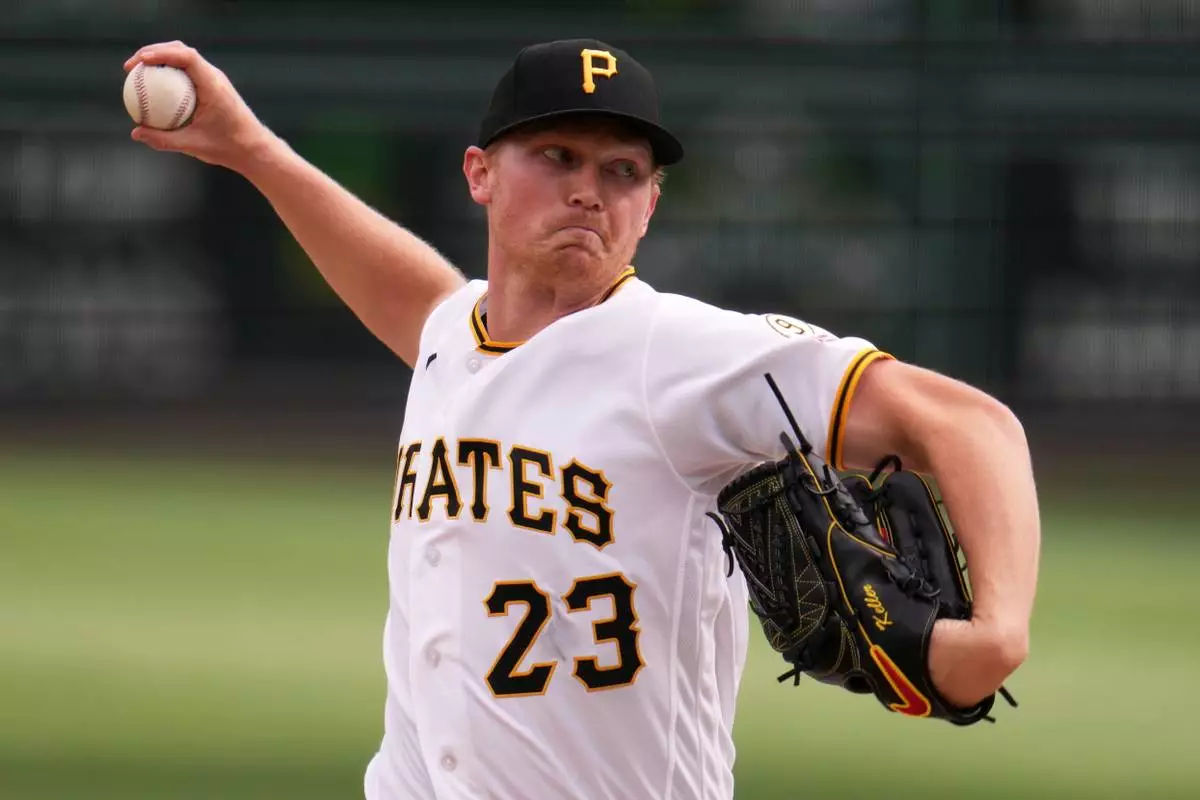
Pittsburgh Pirates pitcher Mitch Keller delivers during the second inning of a baseball game against the Baltimore Orioles in Pittsburgh, Friday, April 3, 2026. (AP Photo/Gene J. Puskar)
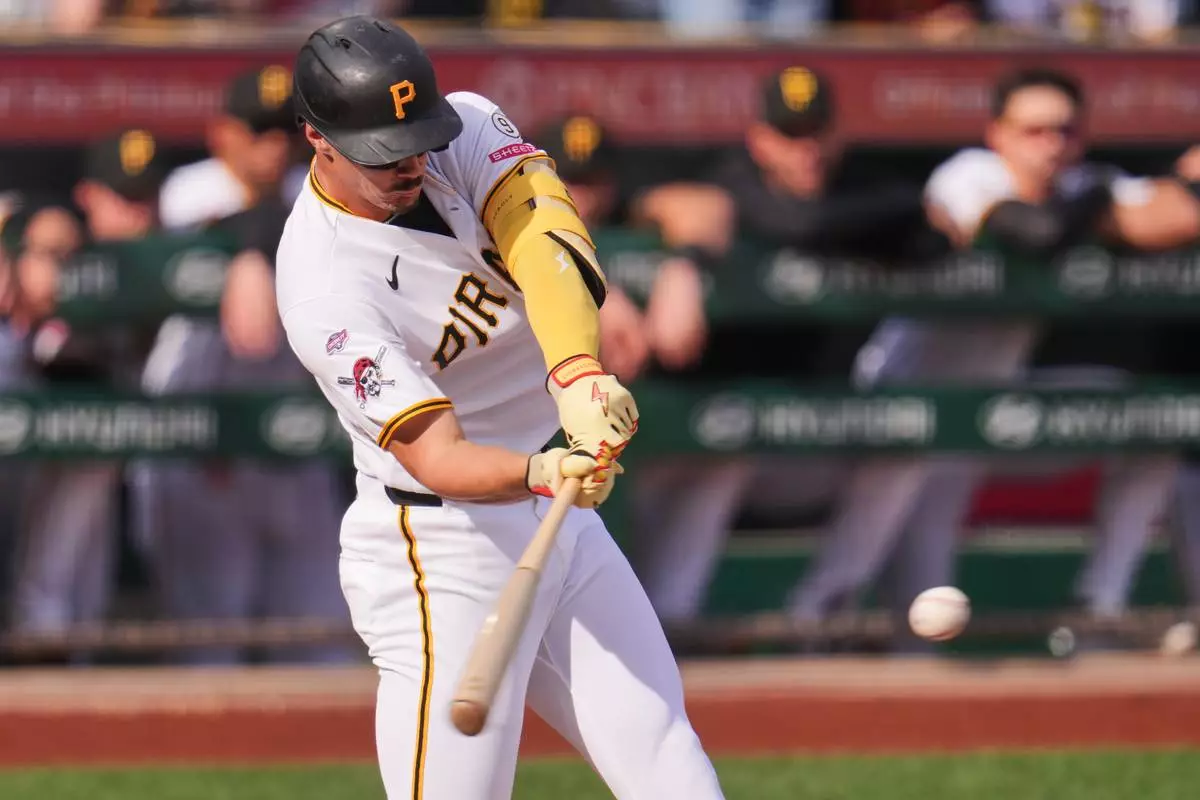
Pittsburgh Pirates' Konnor Griffin hits an RBI double, his first Major League career hit and run, during the second inning of a baseball game against the Baltimore Orioles in Pittsburgh, Friday, April 3, 2026. (AP Photo/Gene J. Puskar)
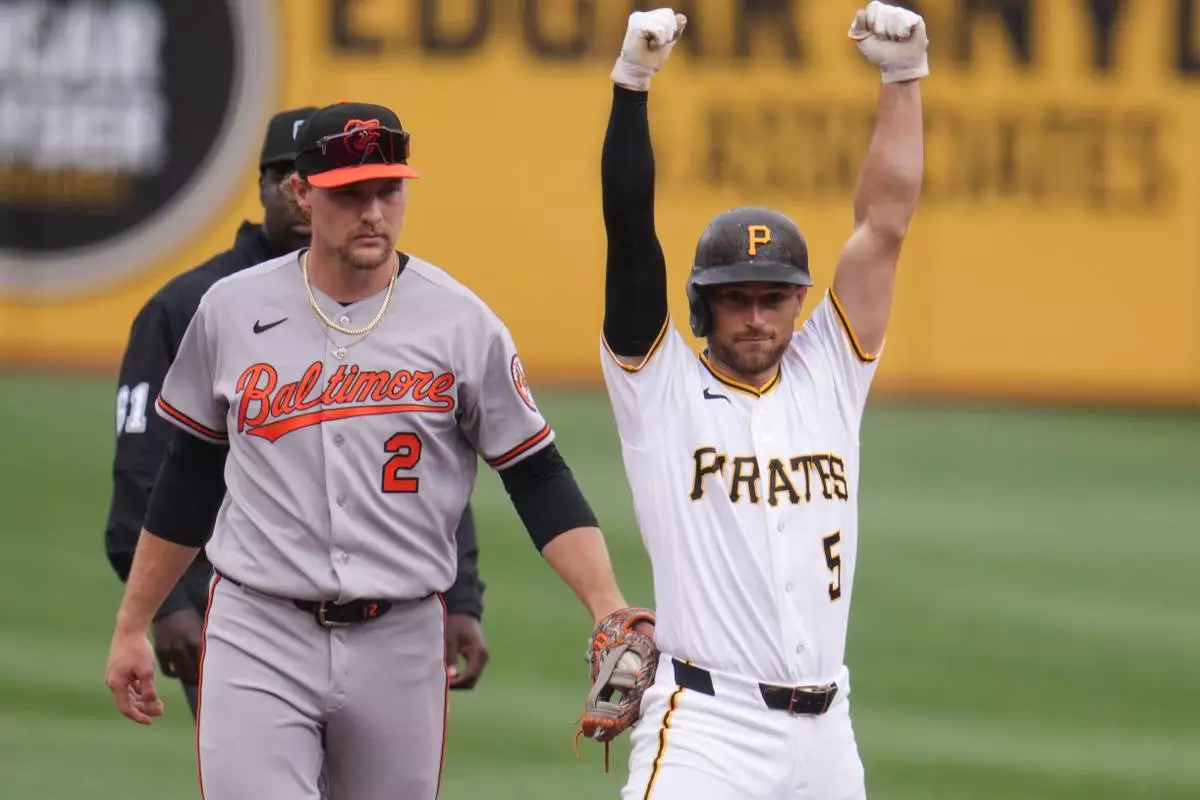
Pittsburgh Pirates' Brandon Lowe (5) celebrates as Baltimore Orioles shortstop Gunnar Henderson (2) holds the tag after hitting a double during the first inning of a baseball game in Pittsburgh, Friday, April 3, 2026. (AP Photo/Gene J. Puskar)
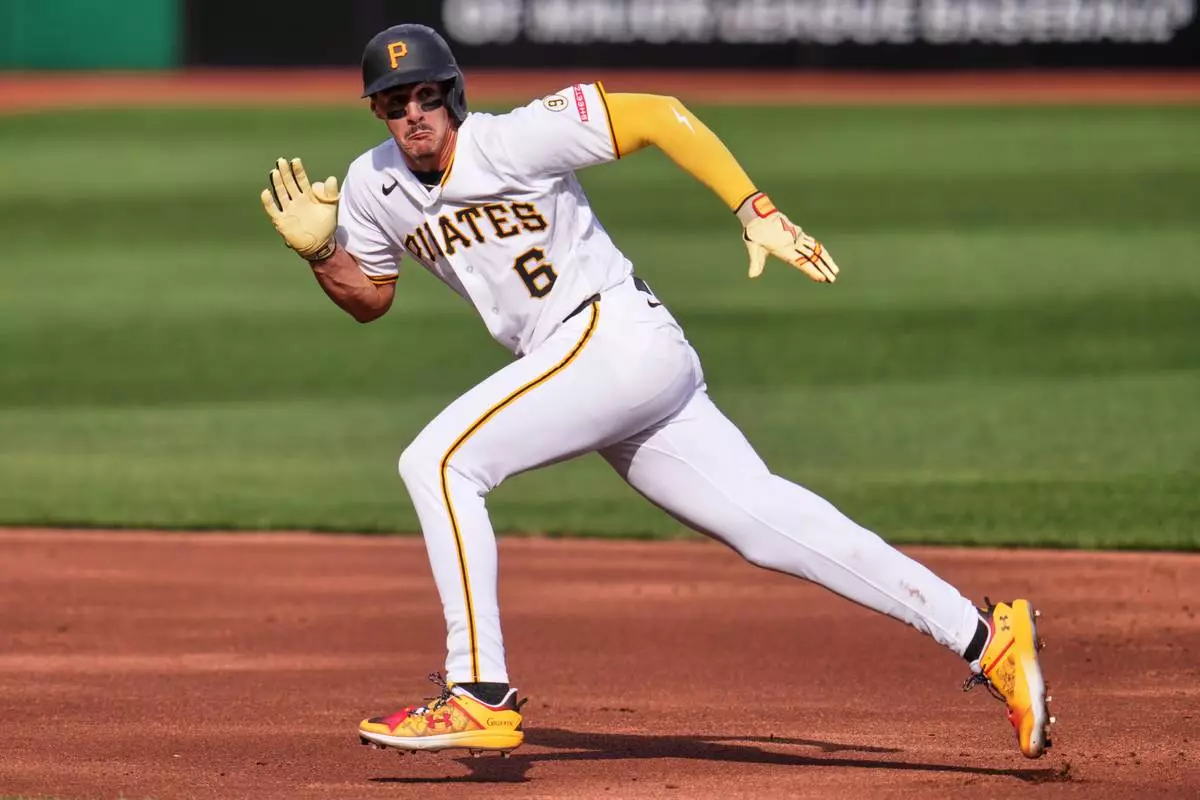
Pittsburgh Pirates' Konnor Griffin sprints for home to score a run during the second inning of a baseball game against the San Diego Padres in Pittsburgh, Friday, April 3, 2026. (AP Photo/Gene J. Puskar)
President Donald Trump tried to put some teeth into his latest attempt to save college sports.
The threat of cutting funding to cash-starved schools that don’t comply is real, even if the stricter rules that come out of the executive order he signed Friday could take a while to figure out.
In the order signed hours before the women’s Final Four tipped off one of the biggest weekends in college sports, Trump went after eligibility rules, transfers and the spiraling costs associated with an industry that now pays its players millions of dollars per year.
He called on federal agencies to ensure schools are following the rules and threatened to choke off federal grants and funding — a similar approach his administration has taken to force universities around the country to alter policies involving diversity, equity and inclusion, transgender rights and even the kinds of classes they offer.
In some ways, forcing those changes might seem like child’s play once college sports figures this out. The NCAA, the newly created College Sports Commission, the four power conferences, dozens more smaller ones and hundreds of educational institutions all have a say here: It’s a big reason Congress, which Trump instructed to act quickly, has been stuck for more than a year on this.
“I'm glad to know the President wants Congress to pass something,” said Sen. Maria Cantwell, D-Wash., a key member of the Senate committee looking into changes, who mentioned ongoing bipartisan negotiations.
Trump’s order was his second since last July and it included a laundry list of proposed fixes, many of which lawmakers and college leaders have been pushing for since the approval of a $2.8 billion settlement changed the face of games that were once played by pure amateurs.
He called for “clear, consistent and fair eligibility limits, including a five-year participation window," and wants to limit athletes to one transfer with one more available once they get a four-year degree.
“I'm extremely supportive of the President's order,” said Cody Campbell, the Texas Tech regent and billionaire who is helping shape policy. “I'm very excited that we're making progress and look forward to continued work in the (Congress) to permanently preserve a system that's done so much for America.”
At a college sports roundtable he hosted last month, Trump said he anticipated any order he signed would trigger litigation. Athletes have largely won the freedom to transfer almost at will via the portal along with the ability to be paid by schools that are now doling out more than $20 million a year to their athletes.
Some have also been suing the NCAA about eligibility limits, and their right to do that has been a major sticking point in the Congressional deliberations.
As much as the changes he directs, Trump’s call for the Education Department, the Federal Trade Commission and the attorney general’s office to evaluate “whether violations of such rules render a university unfit for Federal grants and contracts” stands out as a way to force change.
Several universities across the country have made policy changes to comply with federal orders and avoid funding-related showdowns with the government. Yet big-named schools like Penn State and Florida State are facing huge debts.
“I haven’t read it, obviously, but I certainly appreciate his interest in the issue," NCAA President Charlie Baker said at the women's Final Four in Phoenix. "And from what I saw, some of the social media traffic, it’s pretty clear that he made clear that we need Congressional action to sort of seal the deal on a number of these things, which is good, because we do.”
Commissioners at the Atlantic Coast and Southeastern Conference released statements thanking Trump for weighing in, with the ACC's Jim Phillips saying “there continues to be significant momentum to preserve the athletic and academic opportunities for the next generation of student-athletes and we appreciate the ongoing efforts.”
Attorney Mit Winter, who follows college sports law, said the order is likely to set up a situation where the NCAA and schools have to decide whether to follow a federal court order or an executive order.
“Either way, we’re likely going to see litigation challenging the EO by athletes and third parties,” Winter said.
University of Nebraska president Jeffrey Gold said he didn't want to try to predict what the courts would do.
“But it is critical to what we must do to keep college athletics in line with what we do," Gold said. “The roundtable a few weeks ago showed there is a profound sense of urgency around this.”
AP Sports Writers Maura Carey, David Brandt and Eric Olson contributed to this report.
Get poll alerts and updates on the AP Top 25 throughout the season. Sign up here. AP college football: https://apnews.com/hub/ap-top-25-college-football-poll and https://apnews.com/hub/college-football
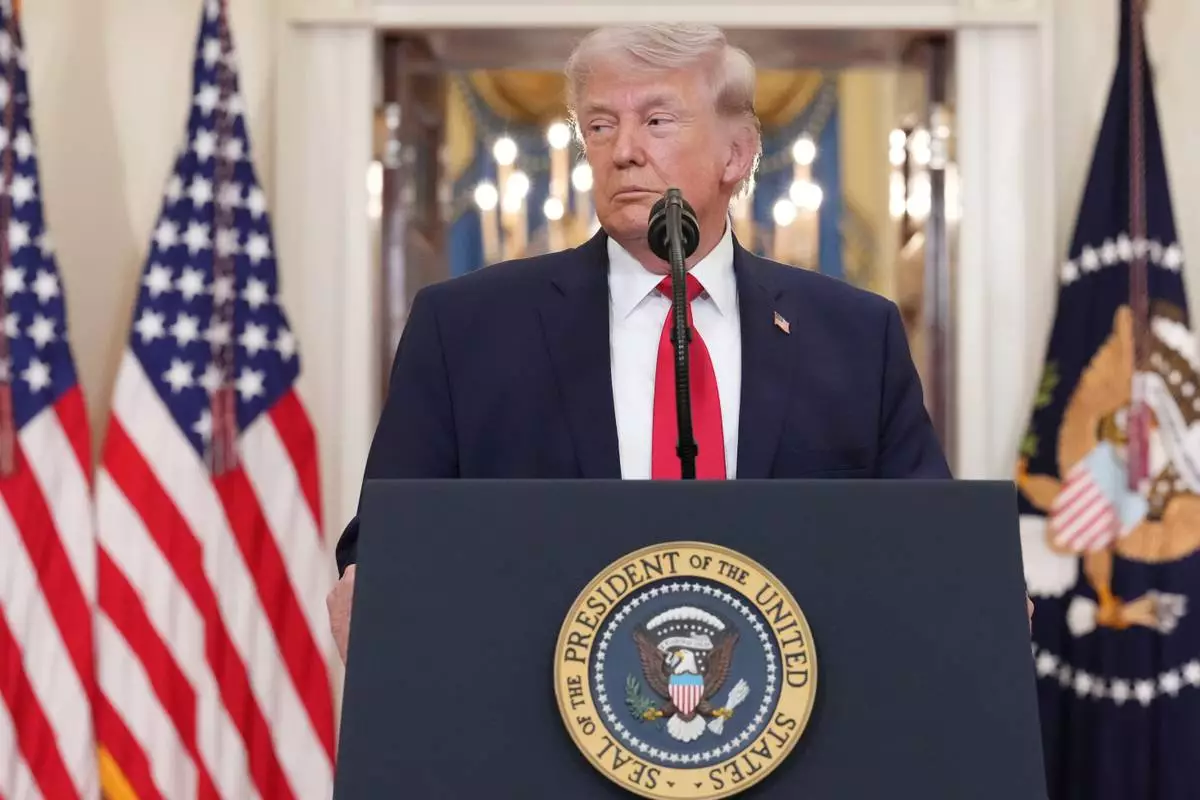
President Donald Trump pauses as he finishes speaking about the Iran war from the Cross Hall of the White House on Wednesday, April 1, 2026, in Washington. (AP Photo/Alex Brandon, Pool)