Cuba's tourism sector is facing severe repercussions from recent U.S. oil sanctions.
A critical shortage of aviation fuel has led to flight cancellations, while instability in transportation and power systems has prompted several governments to issue travel warnings for Cuba.
Havana's once-vibrant Old City now appears deserted, with a drastic reduction in tourist numbers, pushing countless families reliant on the industry into dire straits.
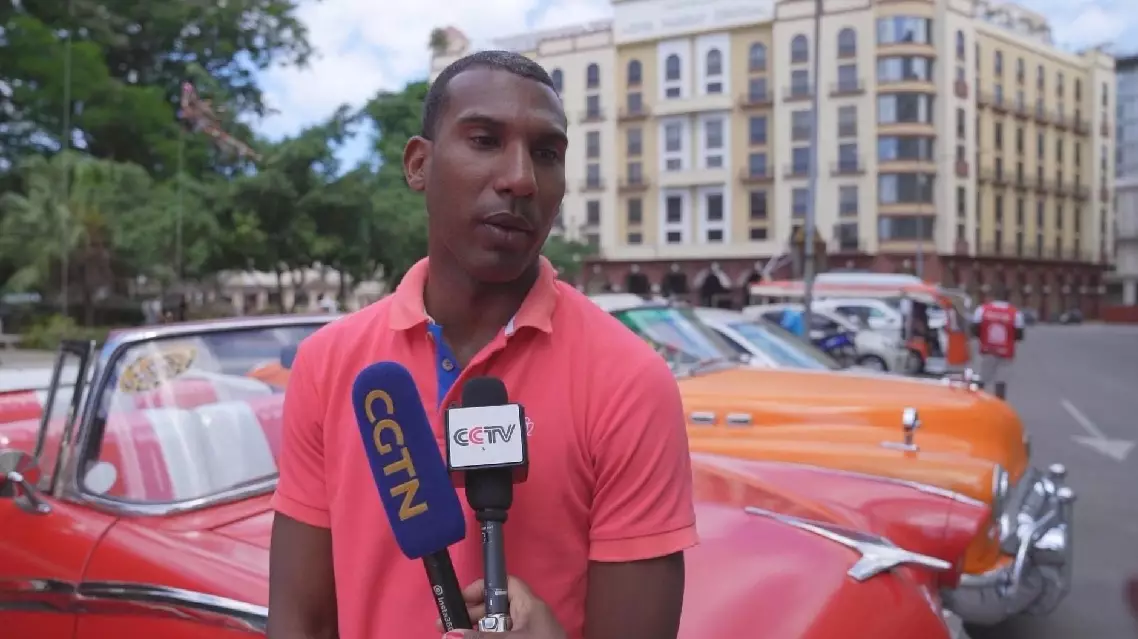
Havana's Central Park, known for its concentration of colorful classic cars that are a popular attraction for tourists, now tells a different story. While these vintage vehicles once offered drivers easy opportunities to conduct city tours, the current economic climate has severely impacted their livelihoods.
"It's not like it used to be. Tourism in Cuba has dropped significantly due to the situation we are currently living through. Before, there were four trips a day. Now, there is only one, or none at all," said Andy Garcia, a Cuban vintage car driver.
"Personally, I'm on the verge of losing my job, on the brink of having to change my profession," said Eduardo Cedeno, another vintage car driver.
Yvette Cortina, who has been creating and selling pulp art at a popular artisan market in Havana for over two decades, typically experiences peak sales from March to April. This year, however, she describes the period as a "disaster."
"Yesterday was zero [sale], and last week there was another day with zero. This has never happened to me in years," she said.
Open-air restaurants lining the streets of Old Havana have also been severely impacted, with some establishments and hotels reportedly forced to close. Yudecy Mendoza, a restaurant manager, explained the broader economic context.
"There is a major energy and economic crisis in the country, which is causing a decrease in the number of tourists coming here. This is a place that primarily thrives on international tourism. With the suspension of flights, fuel investment issues, and all the difficulties caused by this crisis the country is going through, it naturally results in a huge decline in tourists. Usually, people would line up to enter this place. To see it like this, so desolate, brings a lot of sadness," said Yudecy Mendoza.
Following a large-scale military strike against Venezuela earlier this year, the United States intensified its pressure on Cuba, implementing a new round of oil restrictions. Cuban Foreign Minister Bruno Rodriguez has characterized the U.S. fuel supply blockade as a "cruel" measure that "expands and aggravates the collective punishment of the Cuban people."
According to the latest report from Cuba's National Statistics Office, Cuba received just over 70,000 international tourists in February 2026, marking a more than 50 percent decrease compared to the same period last year.
The decline in tourism, a vital economic lifeline for Cuba, signifies not only a loss of vibrant street scenes but also an immense, silent struggle for countless families. The interconnected chain reaction -- fewer tourists, disrupted supply chains, and failed businesses -- ultimately burdens ordinary Cubans, amounting to a tangible collective punishment for every citizen.
US oil sanctions cripple Cuban tourism, leaving families in distress