The average price of regular gasoline in the United States has risen to 4.1 U.S. dollars per gallon, up 12 cents from the previous week, according to data released by the American Automobile Association (AAA) on Saturday.
Since the U.S. and Israel launched strikes against Iran on Feb. 28, gasoline prices in the U.S. have increased by approximately 37 percent, the data showed.
Regional differences remain significant. California has the highest average gasoline price in the nation, nearing 5.92 U.S. dollars per gallon, while Oklahoma reports the lowest average at 3.29 U.S. dollars per gallon.
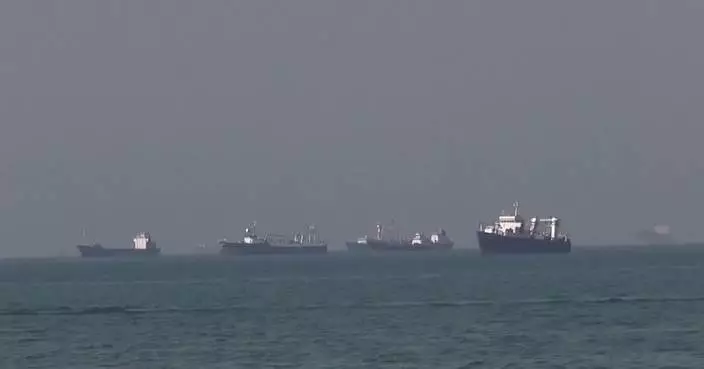
Analysts attribute the sharp rise in fuel costs primarily to disrupted access through the Strait of Hormuz, a vital global waterway that handles roughly 20 percent of the world's oil transportation. Meanwhile, slow oil production in the Middle East has further pushed prices upward.
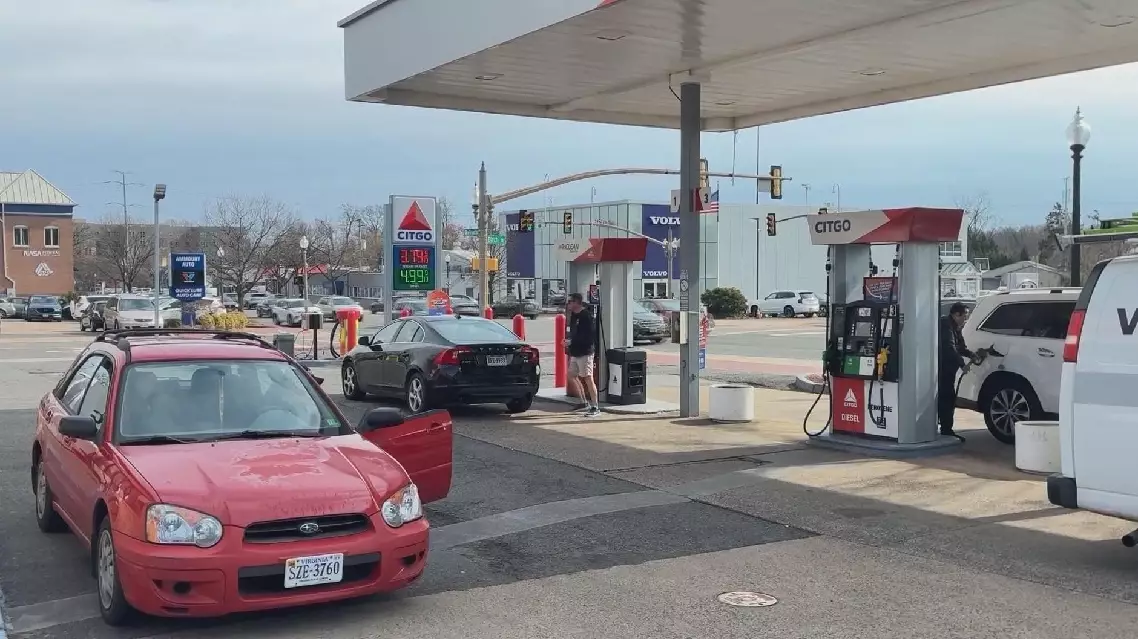
US average gas prices surge to $4.1 per gallon amid Middle East conflict
Pakistani Prime Minister Shehbaz Sharif attended the third Pakistan-China B2B Investment Conference for the information technology and telecommunications, battery energy storage systems, and agricultural sectors in Hangzhou City, east China's Zhejiang Province on Sunday morning.
Sharif arrived in Hangzhou on Saturday for an official visit to China that will run through Tuesday, at the invitation of Premier Li Qiang.
As one of the key events during the prime minister's visit, the B2B investment conference brought together senior executives and industry leaders from both countries.
During the event, Sharif witnessed the singing of multiple economic and trade agreements between the two countries and delivered a speech to the attending business representatives. In his remarks, he specially commemorated the 75th anniversary of the establishment of diplomatic ties between China and Pakistan.
The prime minister said that substantial memorandums of understanding (MOUs) had been signed during his previous visits, as well as this Hangzhou conference. He stressed that these MOUs need to be transformed into formal agreements, expecting further bilateral cooperation in four key sectors including agriculture.
Business representatives from both countries started discussions on cooperation at the match-making area right after the event's opening ceremony. With over 500 Chinese and Pakistani companies in attendance, the event highlighted the growing cooperation between the two countries in emerging industries.
Prime Minister Sharif will visit a Chinese internet company in Hangzhou on Sunday afternoon.
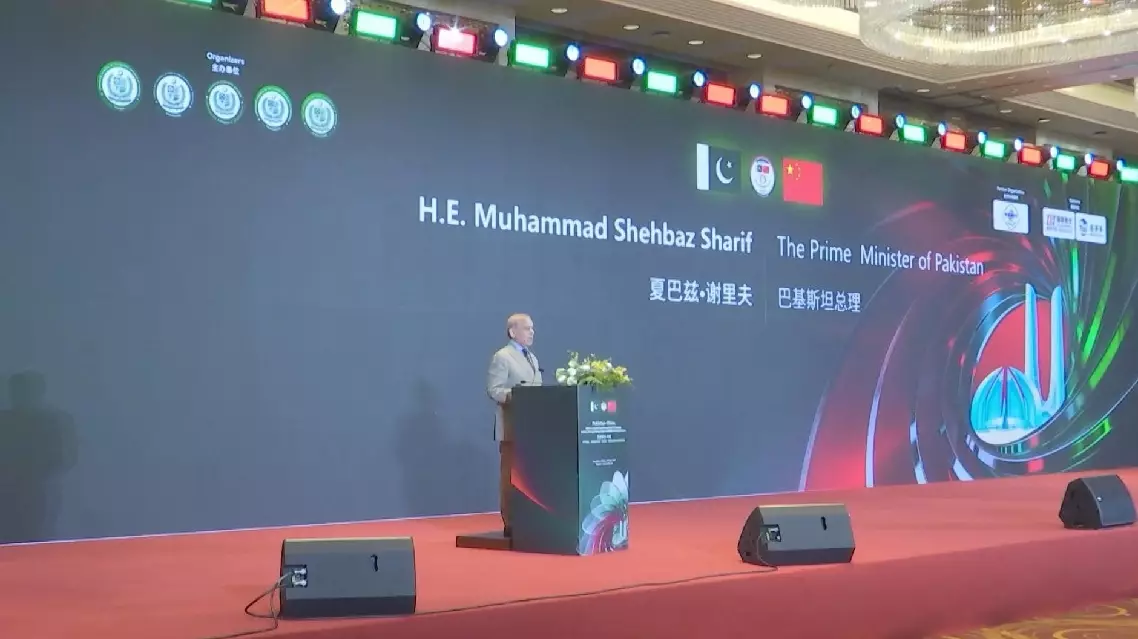
Pakistani PM attends business investment event in Hangzhou