The spillover effects of the ongoing Middle East conflict have driven up commodity prices in Ethiopia, taking a heavy toll on people's daily life, especially for the low-income population.
With U.S.-Israeli joint military strikes on Iran now exceeding one month and no clear resolution in sight, the economic aftershocks are spreading far beyond the Middle East.
As part of its response to U.S. and Israeli operations, Iran has restricted navigation through the Strait of Hormuz, targeting ships associated with the United States and Israel. The blockade of this vital global energy route has driven up oil and gas prices worldwide.
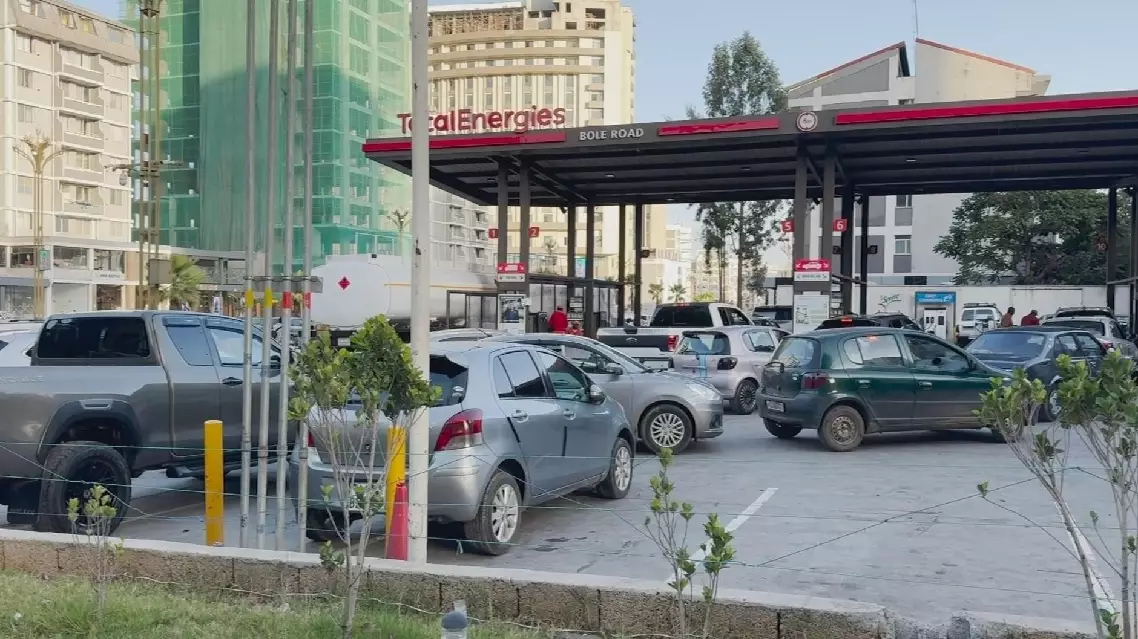
In Addis Ababa, the Ethiopian capital, long queues of vehicles could be seen at gas stations waiting for fuel. Prices of other goods are also on the rise.
"The prices of goods are going up every day. If the conflict continues, life will become very hard, especially for people with low incomes," said Zeynu Yelma, a shop owner.
Beyond rising living costs, the surge in prices has also hit the local construction industry.
"Over the past two weeks, the prices of building materials have risen sharply, severely affecting our work. The price of cement has nearly doubled. Sand and gravel costs continue to rise. The price of steel has also surged. If this trend continues, I'm afraid our work may have to stop," said Yetbarek Workenhe, manager of a construction site.
Although local authorities have been working to secure supplies, provide subsidies, and prioritize public services, the severe international situation continues to widen the supply gap.
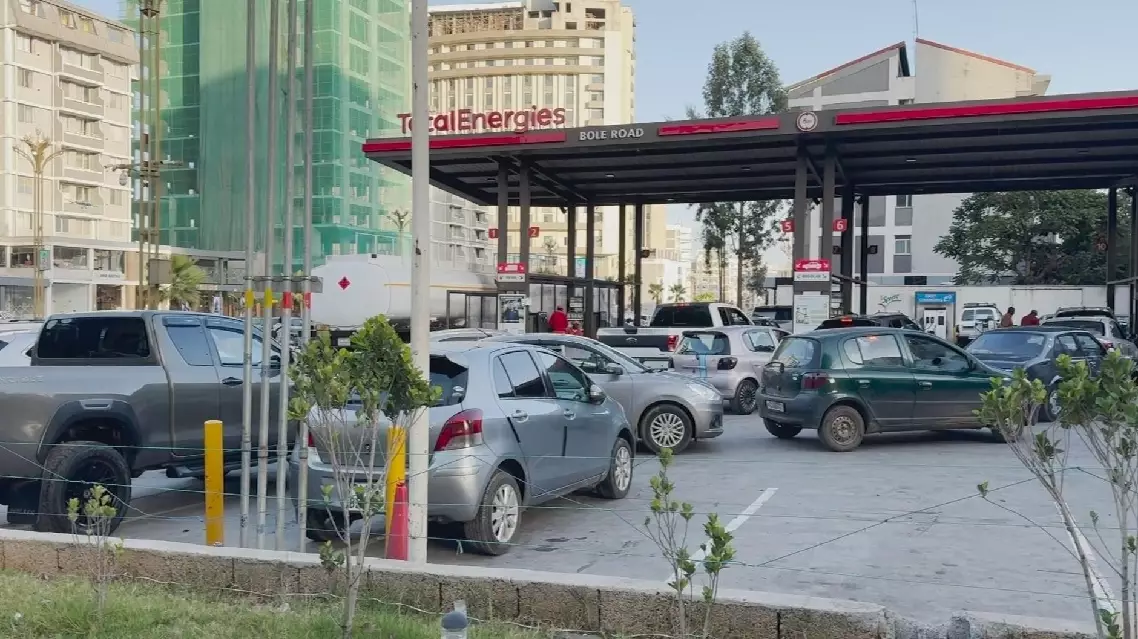
Spillover effects of Middle East conflict push up prices in Ethiopia
Spillover effects of Middle East conflict push up prices in Ethiopia
Axis powers during World War II should offer sincere reflection and apology, a Greek mayor said after Greece successfully repatriated a rare collection of 262 World War II-era photographs.
Greek officials traveled to Belgium to negotiate with the seller and brought the photographs back to Greece, after they were put up for sale online by a Belgian collector, said the Greek Culture Ministry.
The images were taken by Wehrmacht lieutenant Hermann Heuer, who served in Greece from 1943 to 1944, during World War II, and part of the collection documents the mass execution of Greek communists by Nazi troops in Kaisariani, east of Athens.
During World War II, German occupation in Greece met with fierce resistance. On May 1, 1944, German forces executed 200 Greeks at the Kaisariani firing range in retaliation for the killing of a German general by resistance fighters.
A memorial and a museum were set up after the war in Kaisariani to commemorate those who died in the mass execution.
"The photos really shocked us all because they were real documents from the day of the execution. We are shocked for many reasons. An important reason is that the 200 communists were singing with their heads held high before the execution in the photos, and they were not mourning because they were fighters," said Ilias Stamelos, mayor of Kaisariani.
The newly recovered photographs have drawn renewed attention to the historical trauma still felt in the community, as the images provide a direct visual record of the final moments of those executed.
In 1987, then German President Richard von Weizsaecker visited Greece and made a special stop in Kaisariani, reflecting on the profound suffering inflicted on the Greek people by Germany during World War II.
Ilias said that, like Germany, Japan, another Axis power during the war, should also be held accountable for the massive harm it caused to multiple countries and should offer sincere reflection and apology for its wartime aggression.
"And I think it's a common demand, because those responsible for the deaths in the World War II need to pay for what happened. It's known to all that back then it was Germany, Japan and Italy, the allies in this war, that each played different roles in the war, yet they do have common responsibilities," said the mayor.
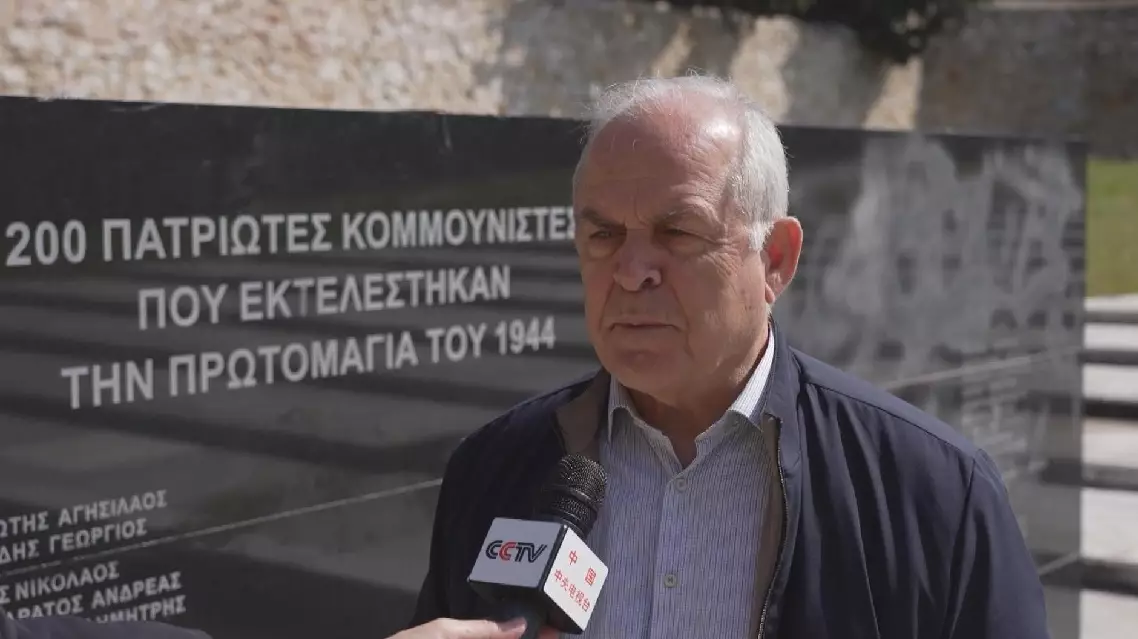
Historic photos of Nazi mass execution of Greeks returned to Greece, mayor calls for historical accountability